TR
TR EN
EN

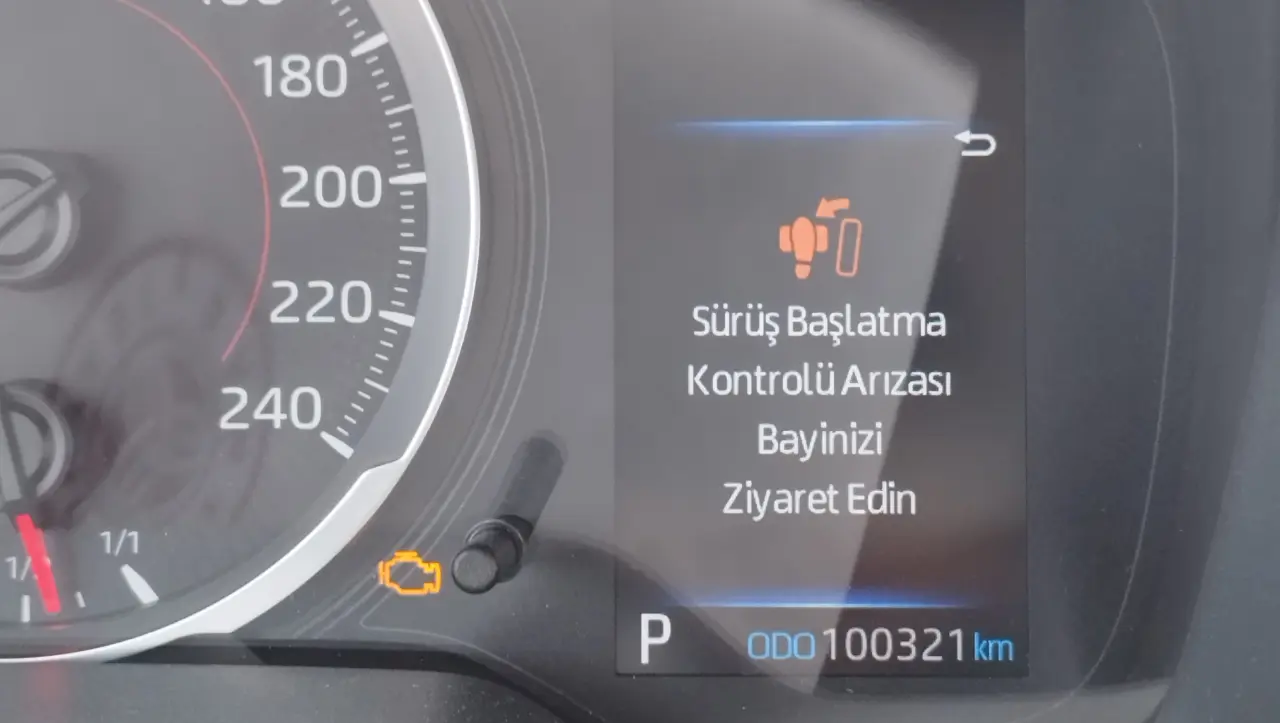
What Is a Drive Start Control Malfunction? Why Does It Appear?
Modern vehicles rely on dozens of electronic systems to improve safety, comfort, and driving performance. One warning that can confuse many drivers is the "Drive Start Control Malfunction" message. Although this warning often appears unexpectedly, it does not always indicate a major transmission failure.
In most cases, the message means that the vehicle's Drive Start Control (DSC) system has detected an abnormal condition and has temporarily disabled one or more safety functions. The cause can range from a simple sensor issue to transmission or engine-related problems.
This guide explains what the Drive Start Control system does, why the warning appears, the symptoms you may notice, and what you should do if it happens.
What Is Drive Start Control?
Drive Start Control is an electronic safety feature found in many modern vehicles, particularly those equipped with automatic or continuously variable transmissions (CVTs).
Its primary purpose is to reduce unintended acceleration caused by pressing the accelerator pedal at the wrong time.
For example, if the driver accidentally presses the accelerator instead of the brake while shifting into Drive or Reverse, the system can limit engine output to help prevent sudden vehicle movement.
Drive Start Control works together with several vehicle systems, including:
-
Engine Control Module (ECM)
-
Transmission Control Module (TCM)
-
Brake system
-
Accelerator pedal sensor
-
Wheel speed sensors
-
Stability control system
By analyzing data from these components, the system determines whether the vehicle is starting normally or if there is a potentially unsafe situation.
What Does "Drive Start Control Malfunction" Mean?
When the message "Drive Start Control Malfunction" appears, it means the vehicle has detected a fault that prevents the system from operating correctly.
The system may disable itself until the issue is resolved.
Depending on the manufacturer, the warning may appear as:
-
Drive Start Control Malfunction
-
Drive-Start Control System Malfunction
-
DSC Malfunction
-
Drive Control Fault
-
Start Control System Error
Some vehicles may also illuminate the Check Engine Light, Transmission Warning Light, or Stability Control Light at the same time.
Common Causes of a Drive Start Control Malfunction
Several different issues can trigger this warning.
Faulty Brake Pedal Switch
The Drive Start Control system needs to know when the brake pedal is pressed.
If the brake switch fails or provides incorrect information, the system may assume the vehicle cannot safely start moving.
Common symptoms include:
-
Difficulty shifting from Park
-
Brake lights not working properly
-
Intermittent warning messages
Accelerator Pedal Sensor Problems
Modern vehicles use electronic throttle control instead of mechanical cables.
A faulty accelerator pedal position sensor may send incorrect signals that confuse the Drive Start Control system.
Symptoms may include:
-
Delayed throttle response
-
Reduced engine power
-
Inconsistent acceleration
Transmission Sensor Failures
Automatic transmissions contain multiple sensors that monitor:
-
Gear position
-
Input speed
-
Output speed
-
Hydraulic pressure
Incorrect readings from any of these sensors may trigger the warning.
Low Battery Voltage
Electronic control modules require stable voltage.
A weak battery or charging system problem can cause communication errors between vehicle computers.
This is especially common:
-
During cold weather
-
After replacing the battery
-
When the battery is nearing the end of its life
Transmission Control Module (TCM) Issues
The Transmission Control Module constantly communicates with the engine and safety systems.
Software glitches or internal electronic failures may prevent the Drive Start Control system from operating normally.
Sometimes the issue can be resolved with a software update.
Engine Control Module Communication Errors
Modern vehicles use communication networks (CAN Bus) that allow different control units to exchange information.
If communication is interrupted, the system may display multiple warning messages simultaneously.
ABS or Wheel Speed Sensor Problems
Drive Start Control depends on accurate wheel speed information.
A damaged ABS sensor or wiring issue may cause:
-
ABS warning light
-
Stability control warning
-
Drive Start Control malfunction
Software Errors
Some manufacturers release software updates to fix false warning messages or improve system performance.
Older software versions may occasionally trigger warnings without any mechanical failure.
Symptoms You May Notice
The severity of symptoms depends on the underlying cause.
Possible symptoms include:
-
Drive Start Control warning message
-
Check Engine Light
-
Transmission warning light
-
Stability control warning
-
Reduced engine power
-
Delayed acceleration
-
Difficulty shifting gears
-
Vehicle enters Limp Mode
-
Cruise control stops working
-
Reduced traction control performance
Sometimes the vehicle drives almost normally except for the warning message.
Other times, engine performance may be noticeably limited.
Is It Safe to Drive?
It depends on the symptoms.
If:
-
the warning appears briefly,
-
the vehicle drives normally,
-
there are no unusual noises,
-
and no other warning lights appear,
you can usually continue driving carefully to a repair facility.
However, you should stop driving if you notice:
-
harsh transmission shifts
-
inability to accelerate
-
repeated engine stalling
-
severe power loss
-
multiple warning lights
-
burning smells
-
unusual transmission noises
These symptoms may indicate a more serious problem.
What Should You Do?
If the warning appears, follow these steps:
Check for additional warning lights.
Multiple warnings often help identify the source of the problem.
Restart the vehicle.
Occasionally, a temporary software error may disappear after restarting.
Inspect the battery.
Low voltage is a surprisingly common cause of electronic warning messages.
Verify brake light operation.
If the brake lights do not work correctly, the brake pedal switch may be faulty.
Avoid aggressive driving.
Until the issue is diagnosed, accelerate gently and avoid towing heavy loads.
Scan the vehicle with an OBD-II diagnostic tool.
Diagnostic trouble codes provide valuable information about the affected system.
Have the vehicle inspected by a qualified technician.
Professional diagnosis is often necessary because several different systems communicate with Drive Start Control.
Can Low Battery Voltage Cause This Warning?
Yes.
Modern vehicles depend heavily on electronic communication.
When battery voltage drops too low:
-
sensors may provide incorrect readings,
-
control modules may lose communication,
-
warning messages can appear even if mechanical components are functioning normally.
Replacing a weak battery or repairing the charging system often resolves the issue.
Can a Transmission Problem Trigger This Warning?
Absolutely.
Because Drive Start Control works closely with the transmission, several transmission faults can activate the warning, including:
-
low transmission fluid
-
contaminated transmission fluid
-
transmission overheating
-
faulty shift solenoids
-
gear position sensor failure
-
internal transmission damage
In these cases, additional transmission-related symptoms are usually present.
Can You Reset the Warning?
Sometimes.
If the warning was caused by a temporary electronic glitch, restarting the vehicle may clear it.
However, if the underlying problem remains, the message will usually return.
Clearing the warning with a diagnostic scanner without repairing the actual fault is only a temporary solution.
How to Prevent Drive Start Control Problems
Although not every issue can be prevented, regular maintenance significantly reduces the risk.
Good practices include:
-
Keep the battery and charging system in good condition.
-
Follow the manufacturer's transmission service schedule.
-
Replace transmission fluid at the recommended intervals.
-
Repair ABS or brake system faults promptly.
-
Avoid overheating the transmission.
-
Install manufacturer software updates when available.
-
Have warning lights diagnosed early instead of ignoring them.
Frequently Asked Questions
Does this warning always mean the transmission is failing?
No. Many cases are caused by sensors, battery voltage, brake switches, or software issues rather than internal transmission damage.
Can I continue driving?
If the vehicle drives normally and no severe symptoms are present, you can usually drive carefully to a repair shop. If performance is significantly reduced or multiple warning lights appear, stop driving and have the vehicle inspected.
Is this warning expensive to repair?
Repair costs vary widely. Replacing a brake switch or battery is relatively inexpensive, while transmission control module or internal transmission repairs can be much more costly.
Final Thoughts
A Drive Start Control Malfunction warning does not automatically mean your transmission has failed, but it should never be ignored. Since the system works closely with the engine, transmission, braking system, and vehicle electronics, even a minor fault can trigger the message.
The best approach is to diagnose the problem as soon as possible. Early inspection can often identify simple issues—such as a weak battery, faulty sensor, or software update—before they develop into expensive transmission or drivetrain repairs.