TR
TR EN
EN

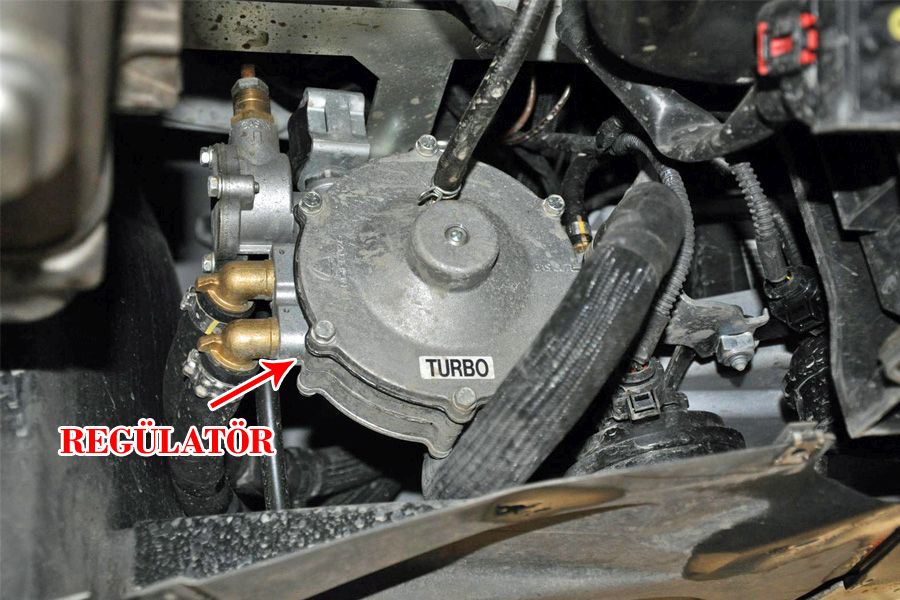
What Is an LPG Regulator? How Does It Work?
An LPG regulator is one of the most important components in a vehicle's LPG fuel system. Its primary purpose is to reduce the high pressure of LPG coming from the tank and convert the fuel into a controlled gas supply suitable for the engine and LPG injectors.
Depending on the system, it may also be called an LPG reducer, LPG vaporizer, or evaporator-regulator.
The regulator does more than simply reduce pressure. It also uses engine coolant to provide the heat required for liquid LPG to change into its gaseous state.
What Does an LPG Regulator Do?
LPG is stored in the vehicle's tank mainly as a liquid under pressure. The engine, however, cannot use this high-pressure liquid LPG directly through the injectors.
The regulator performs several important functions:
-
Reduces LPG tank pressure.
-
Converts liquid LPG into gas.
-
Helps maintain a stable working pressure.
-
Uses engine coolant to provide the necessary heat.
-
Supplies LPG at a suitable pressure to the LPG injectors.
-
Helps maintain consistent fuel delivery under different engine loads.
A properly functioning regulator is therefore essential for stable LPG operation.
How Does an LPG Regulator Work?
The operating principle becomes easier to understand by following the LPG from the tank to the engine.
LPG is stored under pressure in the tank. When the LPG system switches the engine from gasoline to LPG, fuel travels through the multivalve and high-pressure fuel line toward the regulator.
At the regulator inlet, the LPG is still at relatively high pressure.
Inside the regulator, a series of valves, springs, diaphragms, and pressure-control mechanisms reduce this pressure to the level required by the LPG system.
As the pressure drops, some of the liquid LPG changes into gas. This phase change requires heat. The regulator receives this heat from the engine's cooling system.
After the LPG has been vaporized and reduced to the appropriate pressure, it travels through the LPG filter and toward the LPG injectors. The injectors then meter the required amount of gas into the engine according to the LPG ECU's calculations.
Why Does the LPG Regulator Need Engine Coolant?
This is one of the most important aspects of the regulator's operation.
When LPG changes from liquid to gas, it absorbs a significant amount of heat from its surroundings. If the regulator cannot receive enough heat, its temperature can drop considerably, particularly when the engine demands a large amount of LPG.
The engine's cooling system solves this problem.
Hot engine coolant circulates through passages inside the regulator and transfers heat to the LPG.
The basic process is:
Engine coolant → heats the regulator → supports LPG vaporization → helps maintain stable LPG operation
This is why LPG regulators normally have coolant hoses connected to them.
What Happens If the Regulator Does Not Get Enough Heat?
Insufficient coolant circulation can cause problems, especially during cold weather or under high fuel demand.
Possible causes include:
-
Air trapped in the cooling system
-
Low coolant level
-
Blocked or restricted coolant hose
-
Incorrect hose routing
-
Poor coolant circulation
-
Thermostat problems
-
Incorrect regulator installation
Possible symptoms may include difficult switching to LPG, unstable operation shortly after switching from gasoline to LPG, hesitation, or loss of power.
However, these symptoms do not automatically mean that the regulator itself has failed. The coolant circuit should also be inspected.
What Is Inside an LPG Regulator?
The internal design varies between LPG systems, but common components include:
-
Diaphragms
-
Springs
-
Pressure-control valves
-
Gas passages
-
Valve mechanisms
-
Coolant passages
-
Pressure adjustment components
The diaphragm is particularly important because it responds to pressure changes and helps regulate the fuel supply.
Over time, diaphragms and other internal components can become hard, worn, or damaged. This can cause the regulator pressure to become unstable.
Why Is LPG Regulator Pressure Important?
LPG injector operation depends not only on injector opening time but also on the pressure of the gas supplied to the injectors.
If regulator pressure is too low, the injectors may not deliver enough LPG even if their opening time remains unchanged.
This can result in:
-
Lean air-fuel mixture
-
Poor acceleration
-
Loss of power at high RPM
-
Hesitation
-
Misfires
-
Engine warning light
-
Engine stalling under certain conditions
If the pressure is too high, the engine may receive more fuel than expected, potentially producing a rich mixture.
For this reason, regulator pressure should not be adjusted randomly. The correct pressure depends on the LPG system, engine, injectors, calibration, and manufacturer's specifications.
What Are the Symptoms of a Faulty LPG Regulator?
A failing regulator can produce different symptoms depending on the type of problem.
Hesitation or misfire on LPG
Unstable gas pressure can cause inconsistent fuel delivery, particularly during acceleration or changes in engine load.
Loss of power
A regulator that cannot maintain sufficient gas flow may cause the engine to run normally at light load but lose power during hard acceleration or at high RPM.
Stalling on LPG
Pressure instability can sometimes cause the engine to stall when returning to idle or when the accelerator is suddenly released.
Difficulty switching to LPG
If the regulator does not reach the required operating temperature, LPG changeover can become problematic, particularly in cold weather.
Unstable LPG pressure
Large pressure fluctuations during changes in engine load can indicate a problem with the regulator or another part of the LPG fuel supply system.
Fuel mixture faults
An LPG pressure problem can affect fuel trims and may contribute to lean- or rich-mixture diagnostic trouble codes.
Does Every LPG Problem Mean the Regulator Is Faulty?
No.
This is an important point when diagnosing LPG systems.
Symptoms such as hesitation, misfire, poor acceleration, or a lean mixture can be caused by many different components.
Possible causes include:
-
LPG regulator
-
LPG filter
-
LPG injectors
-
Gas pressure sensor
-
Vacuum hoses
-
LPG ECU
-
Wiring and connectors
-
Ignition coils
-
Spark plugs
-
MAF or MAP sensor
-
Vacuum leaks
-
Fuel pressure problems
-
Mechanical engine problems
For example, a restricted LPG filter can cause insufficient gas flow under heavy load even when the regulator itself is functioning correctly.
Likewise, a weak ignition coil may cause misfires that become more noticeable when the engine runs on LPG. Replacing the regulator without testing the ignition system would therefore be unnecessary.
How Is an LPG Regulator Tested?
A regulator should ideally be tested before it is replaced.
The first step is usually to monitor the actual LPG pressure using appropriate LPG diagnostic equipment.
The pressure should be observed under different operating conditions, such as:
-
Idle
-
Constant engine speed
-
Sudden acceleration
-
High RPM
-
Rapid changes in engine load
-
Transition from gasoline to LPG
-
Transition from LPG to gasoline
If pressure drops significantly when the engine demands more fuel, the regulator should be investigated. However, the LPG filter, fuel line, valves, and other parts of the supply system must also be considered.
The regulator's temperature and coolant circulation should also be checked.
Why Should the LPG Regulator Temperature Be Checked?
A regulator may have adequate fuel pressure under some conditions but still have a heating or coolant-flow problem.
The regulator should receive sufficient heat from the engine cooling system so that LPG can vaporize consistently.
A technician can therefore inspect:
-
Regulator temperature
-
Coolant hose temperature
-
Coolant circulation
-
Coolant level
-
Cooling-system air pockets
-
Thermostat operation
-
Hose routing
If the regulator remains unusually cold compared with the expected operating condition, the problem may be related to the cooling circuit rather than the regulator's internal pressure mechanism.
Can an LPG Regulator Leak Gas?
Yes. Like other components in an LPG system, the regulator and its connections can develop leaks.
An LPG smell should never be considered normal.
A leak may originate from:
-
Regulator connections
-
Gas hoses
-
Fittings
-
LPG filter connections
-
Solenoid valves
-
Injector connections
-
Tank or multivalve components
If an LPG leak is suspected, the vehicle should be inspected using proper leak-detection procedures. The source should be identified and repaired before normal operation continues.
How Long Does an LPG Regulator Last?
There is no universal replacement interval that applies to every LPG regulator.
Service life depends on factors such as:
-
Regulator quality
-
LPG system design
-
Fuel quality
-
Vehicle usage
-
Filter maintenance
-
Operating temperature
-
Engine power
-
Total operating time
Some regulators can operate reliably for many years, while others may require servicing or replacement earlier.
Replacement should be based on test results and the actual condition of the regulator rather than simply reaching a certain mileage.
When Should an LPG Regulator Be Replaced?
Replacement may be justified when testing shows problems such as:
-
Inability to maintain the required pressure
-
Excessive pressure drop under load
-
Significant pressure fluctuations
-
Internal diaphragm or valve problems
-
Gas leakage
-
Physical damage
-
Persistent fuel-supply problems despite correct filter and system maintenance
Before replacement, it is important to confirm that the problem is actually coming from the regulator.
How Does an LPG Filter Affect the Regulator?
The LPG filter is another important part of the system.
Depending on the LPG system design, the filter removes contaminants from the gas before it reaches the injectors and other sensitive components.
A severely restricted filter can reduce gas flow and create symptoms that look similar to a regulator problem.
For example, a vehicle may operate normally at idle but experience fuel pressure or flow problems during hard acceleration because the engine suddenly requires much more LPG.
Therefore, filter condition should be checked before condemning the regulator.
LPG Regulator vs. LPG Injectors
The regulator and LPG injectors perform completely different jobs.
The regulator reduces LPG pressure and vaporizes the fuel.
The LPG injectors meter the gas and deliver it to the engine.
If regulator pressure is correct but one injector is restricted, electrically faulty, or mechanically worn, the engine can still misfire or run unevenly.
Likewise, replacing injectors will not solve a regulator that cannot maintain the required gas pressure.
A proper diagnosis therefore needs to evaluate the entire LPG fuel system.
What Should Be Checked During LPG Maintenance?
The regulator should be considered as part of the complete LPG system rather than as an isolated component.
During maintenance, it can be useful to check:
-
LPG regulator pressure
-
Pressure stability
-
Regulator temperature
-
Coolant circulation
-
LPG filter condition
-
LPG injector operation
-
Gas hoses
-
Vacuum connections
-
Electrical connectors
-
LPG ECU data
-
Fuel trims
-
OBD-II fault codes
-
Possible gas leaks
This approach helps prevent unnecessary parts replacement.
Choosing the Correct LPG Regulator
Not every LPG regulator is suitable for every engine.
When selecting a replacement, the following should be considered:
-
Engine power
-
LPG system brand and model
-
Required operating pressure
-
LPG injector characteristics
-
Vaporization capacity
-
LPG ECU compatibility
-
Coolant connection design
-
Manufacturer specifications
A regulator with insufficient capacity may work acceptably during normal driving but fail to maintain stable pressure when the engine is under heavy load.
Can LPG Regulator Pressure Be Increased to Solve a Power Problem?
Increasing regulator pressure without proper diagnosis is not a reliable repair.
If the engine is losing power because the regulator cannot provide sufficient fuel, changing the pressure setting may temporarily alter the symptoms but does not necessarily solve the underlying problem.
The correct approach is to determine why the pressure is incorrect.
The regulator, filter, gas supply line, injectors, pressure sensor, calibration, and engine operating parameters should be checked before making adjustments.
LPG Regulator Maintenance
Regular LPG system maintenance can help extend regulator life.
One of the most important maintenance tasks is replacing the LPG filter according to the LPG system manufacturer's recommendations.
A technician should also periodically inspect:
-
Regulator pressure
-
Gas pressure stability
-
Regulator temperature
-
Coolant connections
-
LPG hoses
-
Electrical connections
-
Injector operation
-
Fuel trims
-
Gas leakage
The exact maintenance interval depends on the LPG system and vehicle.
Why Correct Diagnosis Matters
An LPG vehicle that hesitates, stalls, misfires, or loses power does not necessarily need a new regulator.
For example, if the vehicle loses power at high RPM, the first step should be to determine whether LPG pressure actually falls under load. If it does, the filter, regulator, fuel line, and gas supply system should be examined.
If the pressure remains stable, attention should move toward other possibilities such as LPG injectors, ignition components, air leaks, sensors, calibration, or mechanical engine problems.
The same principle applies to diagnostic trouble codes. An LPG-related code identifies a condition or system that requires investigation; it does not automatically identify the component that must be replaced.
Final Perspective on LPG Regulators
The LPG regulator is essentially the bridge between the high-pressure LPG stored in the tank and the controlled gas supply required by the engine. It reduces fuel pressure, helps vaporize the LPG, and maintains a suitable pressure for the injectors.
Its operation also depends heavily on engine coolant because vaporization requires heat.
When an LPG vehicle develops hesitation, poor acceleration, unstable idle, stalling, or mixture-related faults, the regulator should be one of the components checked—but it should not automatically be blamed.
A proper diagnosis should compare LPG pressure, pressure stability, regulator temperature, coolant circulation, filter condition, injector operation, electrical signals, fuel trims, and engine data. This makes it possible to identify the actual fault instead of replacing expensive LPG components based only on symptoms.