TR
TR EN
EN

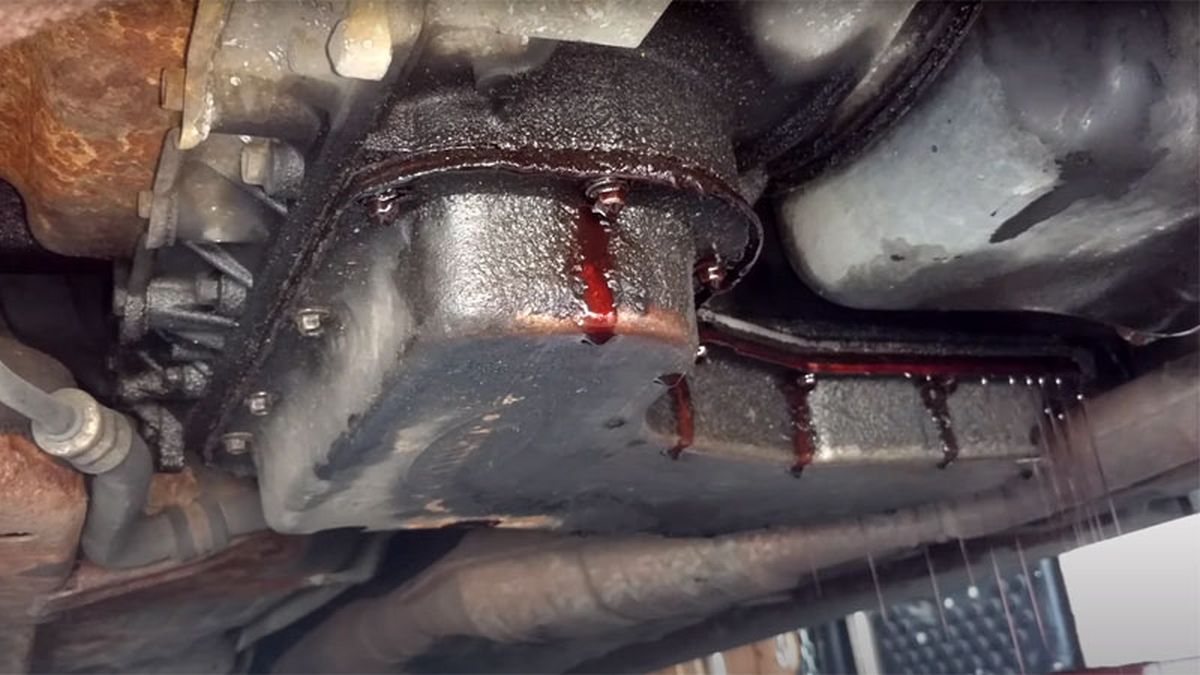
What Causes Transmission Oil Leaks? Common Causes and Symptoms
Transmission oil leaks are a common problem that can affect manual, automatic, automated manual, dual-clutch, and continuously variable transmissions. A transmission depends on the correct fluid level to lubricate moving components, control hydraulic pressure where applicable, remove heat, and protect gears, bearings, clutches, valves, and other internal components.
A small leak may initially appear as only a few drops underneath the vehicle. However, a leak that continues over time can lower the transmission fluid level enough to cause serious mechanical or hydraulic problems.
The important point is that a transmission fluid leak is a symptom, not necessarily the root cause of the problem. The location of the fluid, the type of transmission, and the condition of the surrounding components must be considered before deciding what needs to be repaired.
What Is Transmission Fluid?
Transmission fluid is the lubricant and hydraulic medium used by a transmission.
Its exact function depends on the transmission design.
In a manual transmission, gear oil primarily lubricates:
-
Gears
-
Shafts
-
Bearings
-
Synchronizers
-
Other internal components
Automatic transmissions use specialized automatic transmission fluid (ATF) for several functions, including:
-
Lubrication
-
Hydraulic pressure
-
Clutch and brake operation
-
Valve-body operation
-
Cooling
-
Friction control
CVTs and dual-clutch transmissions may use their own specific fluids with carefully controlled friction and viscosity characteristics.
Using the wrong fluid can cause shifting problems, clutch problems, overheating, or internal damage.
What Does a Transmission Fluid Leak Look Like?
Transmission fluid can appear in different colors depending on its type, age, and condition.
Fresh fluid may be:
-
Red
-
Amber
-
Yellow
-
Greenish
-
Blue or another manufacturer-specific color
Older fluid can become darker.
Manual transmission gear oil can also have a distinctive strong odor because of its additive package.
However, color alone cannot reliably identify a fluid leak.
Engine oil, transmission fluid, differential oil, power-steering fluid, coolant, and other fluids can leak onto nearby components and travel before reaching the ground.
The actual leak source should therefore be cleaned and traced rather than identified solely from the color of the puddle.
Where Does Transmission Fluid Usually Leak From?
The most common leak points depend on the transmission design.
Potential sources include:
-
Transmission oil pan gasket
-
Drain plug
-
Fill plug
-
Axle or driveshaft seals
-
Input shaft seal
-
Output shaft seal
-
Selector shaft seal
-
Transmission case seam
-
Differential side seals
-
Cooler lines
-
Cooler fittings
-
Valve-body area
-
Mechatronic unit seals
-
Electrical connector seals
-
Breather or vent
-
Torque converter area
-
Front pump seal
-
Damaged transmission housing
A leak from the front of an automatic transmission can be particularly important because it may involve the torque converter seal, pump area, or another internal sealing component.
Transmission Oil Pan Gasket Leak
Automatic transmissions commonly use an oil pan or transmission sump.
The pan is sealed against the transmission housing using a gasket, sealant, or an integrated sealing surface depending on the design.
Leaks can develop because of:
-
A deteriorated gasket
-
Incorrect installation
-
Damaged sealing surface
-
Loose or incorrectly tightened bolts
-
Over-tightened bolts
-
Corrosion
-
A warped pan
-
Previous poor-quality repair
Over-tightening the pan bolts does not necessarily improve sealing.
In some cases, excessive tightening can distort the pan and actually create another leak path.
Transmission Drain Plug Leak
The drain plug is another common source of leakage.
A drain plug may seal using:
-
Crush washer
-
O-ring
-
Sealing washer
-
Integrated sealing surface
If the sealing washer is reused when it should be replaced, the plug may leak.
A damaged thread, incorrectly tightened plug, or damaged sealing surface can also cause leakage.
A drain-plug leak can sometimes be mistaken for a transmission-pan leak because fluid spreads across the surrounding area.
Axle Seal or Driveshaft Seal Leak
Where an axle shaft or driveshaft exits the transmission, a rotating shaft seal is normally used to prevent fluid from escaping.
This seal can deteriorate because of:
-
Age
-
Shaft wear
-
Contamination
-
Incorrect installation
-
Excessive shaft movement
-
Damaged sealing lip
-
Bearing problems
A leaking axle seal may leave fluid around the inner CV joint or driveshaft area.
Because the fluid can travel along the shaft or subframe, the visible drip may not be directly below the actual seal.
Input Shaft Seal Leak
The input shaft connects the transmission to the engine or clutch system.
A seal around the input shaft prevents transmission fluid from escaping.
A failed input shaft seal can be more difficult to diagnose because the fluid may appear near the bellhousing.
In manual transmissions, fluid leaking into the clutch area can contaminate the clutch disc.
This may result in:
-
Clutch slipping
-
Burning smell
-
Reduced clutch performance
-
Difficulty transmitting engine torque
In an automatic transmission, a leak in the bellhousing area can potentially involve the front pump or torque-converter-related sealing system.
Selector Shaft Seal Leak
Many transmissions use a selector or shift shaft that passes through the transmission housing.
A seal around this shaft prevents fluid from escaping while allowing the shaft to move.
As the seal ages, it can become hard or damaged.
Fluid may then appear around the transmission's external shift mechanism.
This type of leak can be relatively small at first but may gradually become more significant.
Transmission Case Leak
The transmission housing itself may leak through a case seam.
Possible causes include:
-
Damaged sealant
-
Failed gasket
-
Incorrect assembly
-
Cracked housing
-
Corrosion
-
Previous transmission repair
-
Loose or damaged fasteners
A case leak can be difficult to identify because fluid may spread along the outside of the transmission before dripping from a lower point.
Transmission Cooler Line Leak
Automatic transmissions often use a cooler to control fluid temperature.
Depending on the vehicle, transmission fluid may pass through:
-
External cooler lines
-
A radiator-integrated cooler
-
A heat exchanger
-
An external transmission cooler
Leaks can occur at:
-
Hose connections
-
Metal lines
-
Quick-connect fittings
-
Cooler seals
-
Heat exchanger connections
A cooler-line leak can sometimes become significant very quickly.
If a large amount of transmission fluid is lost, the transmission may develop low hydraulic pressure or insufficient lubrication.
Why Do Transmission Seals Fail?
Transmission seals operate under mechanical, thermal, and chemical stress.
Common causes of seal failure include:
Age
Rubber and elastomeric seals naturally deteriorate over time.
Heat
Excessive transmission temperature accelerates material degradation.
Shaft wear
A worn shaft surface can prevent a new seal from maintaining proper contact.
Incorrect installation
A seal installed at the wrong depth or damaged during installation may leak soon afterward.
Contamination
Dirt or debris can damage the sealing surface.
Excessive shaft movement
Worn bearings can allow a shaft to move beyond the seal's normal operating range.
Incorrect fluid
An incompatible fluid can affect seals or friction characteristics.
Can Overfilled Transmission Fluid Cause a Leak?
Yes, in some transmission designs.
Transmission fluid expands as temperature increases.
If the transmission is significantly overfilled, internal fluid level and pressure conditions may become abnormal.
Depending on the design, excess fluid can contribute to fluid being pushed through:
-
Vents
-
Seals
-
Gaskets
-
Other sealing points
However, a transmission that appears overfilled should not automatically be blamed on excessive fluid.
A level that is too high can have other explanations, including incorrect checking procedure or fuel/coolant contamination in certain circumstances.
The fluid level must be checked using the manufacturer's specified procedure.
Can Low Transmission Fluid Cause a Leak?
Low fluid does not normally cause a leak by itself.
More commonly, the leak causes the fluid level to become low.
However, a low fluid level can contribute to overheating, poor lubrication, abnormal pressure, and internal wear.
If a transmission is found to be low on fluid, simply adding more fluid without locating the leak is not a complete repair.
The leak should be identified and corrected.
What Happens If You Drive With a Transmission Oil Leak?
The consequences depend on the size and location of the leak.
A very small leak may allow the vehicle to operate normally for some time.
However, continued fluid loss can eventually cause:
-
Hard shifting
-
Delayed engagement
-
Slipping
-
Gear noise
-
Overheating
-
Clutch damage
-
Bearing damage
-
Gear wear
-
Hydraulic-pressure problems
-
Complete transmission failure
Automatic and dual-clutch transmissions can be particularly sensitive to incorrect fluid levels.
Driving until the transmission stops moving is not a safe way to determine how serious a leak is.
Can a Transmission Leak Cause Gear-Shifting Problems?
Yes.
This is especially important for automatic and electronically controlled transmissions.
If the fluid level becomes too low, the transmission may not be able to maintain the hydraulic pressure required for normal operation.
Possible symptoms include:
-
Delayed engagement
-
Harsh shifting
-
Slipping
-
Flare between gears
-
Failure to select a gear
-
Reverse engagement problems
-
Transmission overheating
-
Limp mode
However, shifting problems do not automatically mean that the transmission is leaking.
Solenoid faults, valve-body problems, clutch wear, sensors, software, electrical faults, and internal mechanical damage can create similar symptoms.
Can a Transmission Oil Leak Cause Overheating?
Yes.
Transmission fluid performs an important cooling function, particularly in automatic transmissions.
If fluid level becomes too low, the transmission may lose part of its ability to remove heat.
Excessive temperature can accelerate deterioration of:
-
Fluid
-
Clutches
-
Seals
-
Bearings
-
Gears
-
Electronic components
-
Valve-body components
Overheating can therefore create a cycle in which a relatively small leak eventually contributes to more extensive transmission damage.
Can Transmission Fluid Leak Into the Differential?
On some vehicles, the transmission and differential share the same fluid.
On others, they use separate fluid reservoirs.
Transaxles commonly combine transmission and differential functions into one housing.
A leak from a differential-side seal can therefore result in transmission-fluid loss depending on the design.
The correct fluid specification and level-checking procedure depend on the specific transmission.
Can Engine Oil Be Mistaken for Transmission Fluid?
Absolutely.
This is one of the most common diagnostic mistakes when looking underneath a vehicle.
Engine oil can leak from:
-
Oil pan
-
Valve-cover gasket
-
Crankshaft seals
-
Oil filter housing
-
Oil cooler
-
Turbocharger oil lines
The oil can then travel backward or downward and appear to be coming from the transmission.
Similarly, transmission fluid can travel across the transmission housing and subframe before dripping somewhere else.
The vehicle should therefore be cleaned and the leak source traced before parts are replaced.
Why Does Transmission Fluid Leak After a Transmission Service?
A leak appearing after transmission service does not necessarily mean that the transmission itself suddenly developed an unrelated internal failure.
Possible causes include:
-
Incorrectly installed gasket
-
Damaged sealing surface
-
Reused sealing washer
-
Incorrect drain-plug torque
-
Loose cooler connection
-
Damaged O-ring
-
Incorrect fluid level
-
Damaged pan
-
Poorly applied sealant
-
Seal damaged during component installation
If the leak started immediately after service, the recently disturbed components deserve particular attention.
Can a Transmission Filter Cause a Leak?
Yes, depending on the transmission design.
Some automatic transmissions use an internal filter accessible after removing the transmission pan.
Others use externally mounted filters or different filtration systems.
A filter housing or sealing surface can leak if:
-
The seal is damaged
-
The O-ring is installed incorrectly
-
The housing is cracked
-
The filter is incorrectly installed
-
Fasteners are improperly tightened
A transmission filter problem is therefore not limited to fluid flow restriction.
Can a Clogged Transmission Filter Cause a Leak?
A clogged filter does not normally cause an external leak directly.
However, restrictions in the hydraulic system can affect transmission operation and pressure.
The relationship depends heavily on transmission design.
If a transmission has both a suspected filter restriction and an external leak, both problems should be diagnosed independently rather than assuming that one automatically caused the other.
What Is a Transmission Breather?
Many transmissions have a breather or vent.
The breather allows internal pressure to equalize as the transmission heats and cools.
If the vent becomes blocked, pressure can build inside the transmission.
Depending on the design, excessive pressure may contribute to fluid being forced past seals or other sealing points.
Possible causes of a blocked breather include:
-
Dirt
-
Mud
-
Corrosion
-
Debris
-
Incorrect previous repairs
A transmission that repeatedly pushes fluid out after seals have been replaced should therefore have its venting system checked.
Can High Transmission Temperature Cause Oil Leaks?
Yes.
High operating temperature can accelerate deterioration of seals and gaskets.
Repeated overheating can also change fluid properties and increase stress on transmission components.
Potential causes of excessive transmission temperature include:
-
Low fluid level
-
Wrong fluid
-
Towing heavy loads
-
High ambient temperatures
-
Cooler restriction
-
Cooling-system problems
-
Internal transmission problems
-
Excessive clutch slip
If a seal repeatedly fails, simply installing another seal may not solve the problem if excessive temperature or shaft movement remains.
Why Does a New Transmission Seal Leak?
A new seal leaking soon after installation does not necessarily mean that the replacement seal was defective.
Possible causes include:
-
Incorrect installation depth
-
Damaged seal lip
-
Damaged shaft surface
-
Incorrect seal specification
-
Installation without required lubrication
-
Excessive shaft play
-
Worn bearing
-
Damaged housing
-
Incorrect assembly procedure
If a new seal fails repeatedly, the underlying mechanical condition should be investigated.
Can a Worn Bearing Cause a Transmission Seal to Leak?
Yes.
A seal depends on the shaft remaining within an acceptable range of movement.
If an internal bearing becomes excessively worn, the shaft may move or wobble.
This can prevent the seal from maintaining a proper contact surface.
In such cases, replacing the seal alone may provide only a temporary solution.
The bearing and shaft condition should also be inspected.
How Is a Transmission Oil Leak Diagnosed?
A proper diagnosis normally starts with locating the exact source.
A technician may:
-
Inspect the transmission and surrounding components.
-
Check the fluid level using the correct procedure.
-
Identify the fluid type.
-
Clean the contaminated area.
-
Run the vehicle or perform a controlled road test if safe.
-
Inspect the transmission again for fresh fluid.
-
Check seals, gaskets, plugs, cooler lines, and case seams.
-
Use UV dye if appropriate for the fluid and transmission.
-
Check transmission temperature where relevant.
-
Inspect for shaft movement or other mechanical problems if a seal repeatedly leaks.
The most important part is distinguishing where the fluid appears from where the leak actually begins.
Can UV Dye Be Used to Find a Transmission Leak?
In some cases, yes.
A compatible fluorescent leak-detection dye can be added to the transmission fluid if the manufacturer or fluid supplier permits it.
The vehicle can then be inspected with an appropriate UV light.
The dye can make it easier to trace fluid movement across a complicated transmission housing.
However, the wrong dye or additive should not be introduced into a transmission without confirming compatibility.
Does an OBD Scanner Detect Transmission Oil Leaks?
Usually, an OBD scanner cannot directly detect an external transmission-fluid leak.
It may detect the consequences of a low-fluid condition or related transmission malfunction.
Depending on the vehicle, fault codes may relate to:
-
Transmission pressure
-
Solenoid operation
-
Gear-ratio errors
-
Shift performance
-
Transmission temperature
-
Clutch operation
-
Communication faults
However, an electronic fault code does not necessarily mean that the transmission itself is leaking.
Conversely, a significant external leak may exist without generating any fault code.
What Are the Most Important Signs of a Serious Transmission Leak?
A leak deserves urgent attention when it is accompanied by:
-
Rapid fluid loss
-
Large puddles
-
Transmission slipping
-
Delayed gear engagement
-
Loss of reverse
-
Harsh shifting
-
Transmission overheating
-
Burning smell
-
Grinding or whining
-
Transmission warning messages
-
Vehicle refusing to move
A transmission that is losing fluid rapidly should not continue to be driven simply because it still changes gears.
Can a Small Transmission Leak Become a Major Problem?
Yes.
A leak often begins gradually.
A seal may initially leave only a light oily film or a few drops after parking.
Over time, the leak can become larger as the seal deteriorates further.
The danger is that the driver may become accustomed to seeing a few drops underneath the vehicle and assume that the problem is harmless.
A small leak should therefore be repaired before it becomes a low-fluid problem.
Should Transmission Fluid Be Topped Up When It Is Leaking?
If the transmission is low on fluid, restoring the correct level may be necessary to prevent further damage.
However, adding fluid is not a repair.
The correct fluid specification must be used, and the level must be checked according to the manufacturer's procedure.
Some automatic transmissions require fluid-level measurement at a specific temperature and under specific operating conditions.
Simply pouring fluid into the transmission until it appears full can result in an incorrect level.
Can You Repair a Transmission Leak Without Removing the Transmission?
Sometimes.
Leaks from accessible components such as:
-
Drain plugs
-
Pan gaskets
-
Cooler lines
-
External seals
-
Certain filter housings
may be repairable without removing the transmission.
Other leaks, such as certain input shaft, front pump, or internal sealing problems, may require significant disassembly or transmission removal.
The repair method depends entirely on the location of the leak and the transmission design.
Should Transmission Fluid Leaks Be Repaired Immediately?
Ideally, yes.
The urgency depends on the amount of fluid being lost.
A light seepage without any fluid-level reduction is different from a transmission that is actively dripping.
However, delaying repairs increases the risk of:
-
Low fluid level
-
Overheating
-
Internal wear
-
Shifting problems
-
Expensive transmission damage
A leak should therefore be investigated rather than simply monitored indefinitely.
Transmission Leak Prevention
Regular maintenance can reduce the risk of transmission-fluid problems.
Useful practices include:
-
Use the manufacturer's specified fluid
-
Maintain the correct fluid level
-
Follow the recommended service schedule
-
Inspect transmission seals periodically
-
Check cooler lines and fittings
-
Avoid excessive overheating
-
Repair damaged components promptly
-
Check for leaks after transmission service
-
Do not over-tighten drain plugs or pan bolts
-
Keep transmission vents clear
-
Investigate recurring seal failures
Vehicles used for towing, heavy loads, frequent stop-and-go driving, or severe operating conditions may require additional attention.
Final Thoughts
Transmission oil leaks can originate from many different locations, including gaskets, seals, drain plugs, transmission pans, cooler lines, axle seals, input or output shaft seals, case seams, filter housings, and transmission vents.
A leak may initially appear insignificant, but continued fluid loss can eventually result in low fluid level, overheating, poor lubrication, hydraulic-pressure problems, abnormal shifting, clutch damage, bearing wear, and potentially complete transmission failure.
The most important diagnostic principle is that the visible location of the fluid is not always the actual source of the leak. Fluid can travel along the transmission housing, subframe, driveshaft, or other components before reaching the ground.
The type of transmission also matters. Manual transmissions, conventional automatic transmissions, CVTs, dual-clutch transmissions, and automated manual transmissions can use different fluids, sealing systems, and diagnostic procedures.
For this reason, transmission fluid should not simply be topped up and the vehicle returned to service without finding the cause of the leak. The correct fluid, correct fluid level, correct service procedure, and actual leak source all need to be established before the repair is considered complete.