TR
TR EN
EN

What Is a Glow Plug? What Are the Symptoms of Glow Plug Failure?
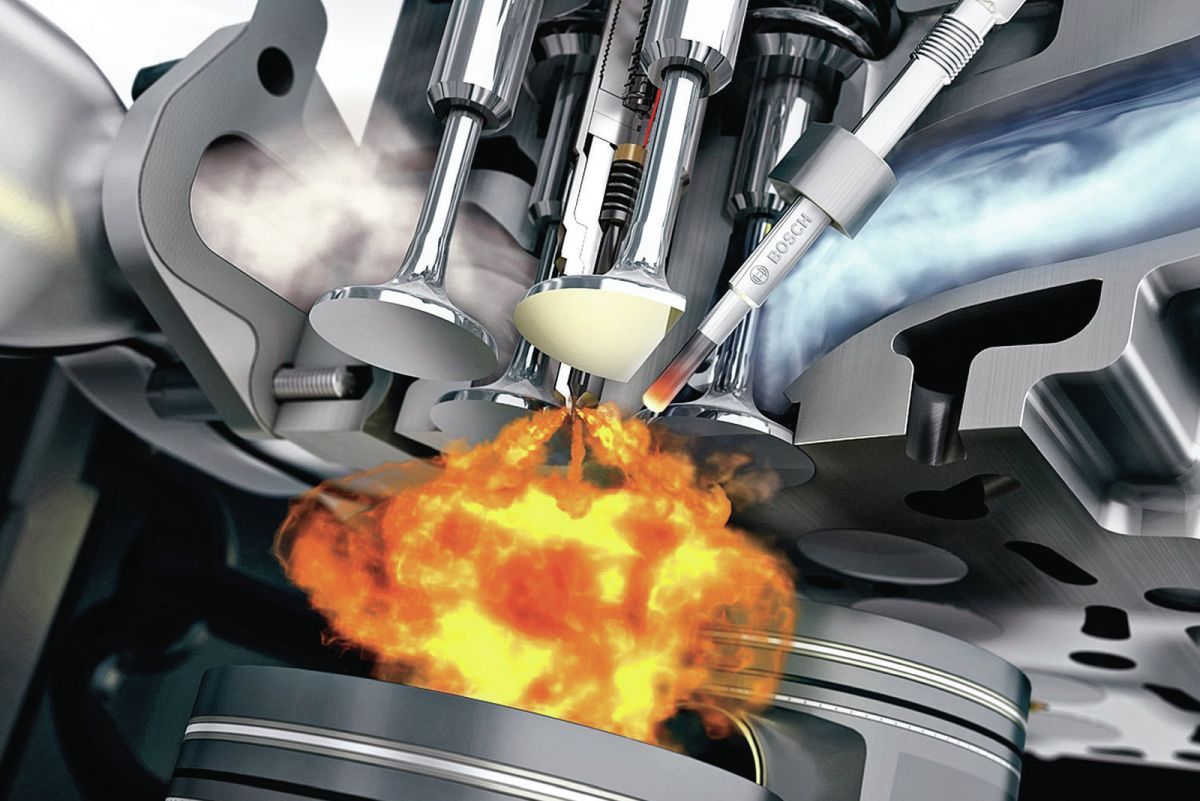
Glow plugs are heating elements used in diesel engines to help the engine start, particularly when the engine and surrounding components are cold.
Unlike gasoline engines, diesel engines do not normally use spark plugs to ignite the air-fuel mixture. Diesel combustion occurs when air is compressed to a high pressure and temperature, and fuel injected into this hot compressed air ignites.
When the engine is cold, however, the temperature inside the combustion chamber may not be high enough for reliable ignition. Glow plugs help overcome this problem by heating the area around the combustion chamber before and, depending on the engine design, during the initial stages of combustion.
A faulty glow plug can make a diesel engine difficult to start and can cause rough running, increased smoke, and longer cranking, especially in cold weather.
How Does a Glow Plug Work?

A glow plug contains an electrical heating element.
When the ignition is switched on, the engine control system activates the glow plug system. Electrical current flows through the heating element, causing its tip to become extremely hot.
This heat helps raise the temperature around the combustion chamber so that the injected diesel fuel can ignite more easily.
The glow plug system is controlled according to factors such as:
-
Engine coolant temperature
-
Outside temperature
-
Engine operating conditions
-
Battery voltage
-
Engine speed
-
Manufacturer-specific control strategies
Modern diesel engines can continue using the glow plugs for a period after the engine has started. This is sometimes called after-glow or post-start glow operation.
It can help improve combustion, reduce cold-start noise, and reduce emissions during the warm-up period.
Glow Plug vs. Spark Plug
Glow plugs and spark plugs perform completely different jobs.
A spark plug creates an electrical spark to ignite the air-fuel mixture in a gasoline engine.
A glow plug does not normally create a spark. Instead, it produces heat to assist combustion in a diesel engine.
This difference is important because a diesel engine can sometimes continue running even if a glow plug has failed, while a gasoline engine with a failed spark plug will generally experience a misfire in the affected cylinder.
What Are the Symptoms of a Bad Glow Plug?
A failed glow plug does not always produce an obvious problem when the engine is warm.
The symptoms are often most noticeable during cold starts.
Difficult Cold Starting
One of the most common symptoms is difficulty starting the engine when it is cold.
The starter motor may need to crank the engine for longer than normal before the engine starts.
In mild weather, the vehicle may still start relatively easily because the engine does not require as much additional heat.
As the temperature drops, however, the problem can become much more obvious.
Longer Cranking Before the Engine Starts
A diesel engine with one or more defective glow plugs may take several seconds longer to start.
You may notice that the starter motor turns the engine normally, but the engine takes longer to fire.
If several glow plugs have failed, starting can become considerably more difficult, particularly in very cold conditions.
Rough Running Immediately After Starting
A diesel engine may run unevenly for the first few seconds after starting if one or more cylinders do not reach the required combustion temperature quickly enough.
The engine may shake, idle roughly, or sound different.
As the engine warms up, the symptom may gradually disappear.
This is one reason why glow plug problems can sometimes go unnoticed during warm-weather driving.
White or Gray Smoke From the Exhaust
Incomplete combustion during a cold start can produce white or gray smoke from the exhaust.
Unburned or partially burned diesel fuel can leave the engine as visible exhaust smoke.
If the smoke disappears once the engine reaches operating temperature, a glow plug or other cold-start problem may be worth investigating.
However, white smoke is not exclusive to glow plug failure. Coolant entering the combustion chamber, injector problems, low compression, and other faults can produce similar symptoms.
Increased Exhaust Emissions
Glow plugs help diesel engines achieve more efficient combustion during cold starting and warm-up.
If they are not working correctly, combustion may be incomplete, resulting in increased emissions.
Modern diesel vehicles may detect this problem through the engine management system and store a diagnostic trouble code.
Increased Fuel Consumption
A glow plug fault can contribute to poor combustion during cold starts and warm-up.
If the problem is severe or accompanied by other engine faults, fuel consumption may increase.
However, glow plugs alone are not usually responsible for a large increase in fuel consumption during normal driving once the engine has warmed up.
A significant increase should therefore prompt a broader engine diagnosis.
Glow Plug Warning Light
Many diesel vehicles have a dedicated glow plug warning light on the instrument cluster.
It commonly appears as a symbol resembling a small heating coil.
Normally, the light illuminates when the ignition is switched on and then turns off after the preheating period.
If the light remains on, flashes, or behaves differently from normal, there may be a fault in the glow plug system.
Importantly, the warning light does not always mean that an individual glow plug has failed. The glow plug control module, wiring, relay, or another engine-management component can also trigger the warning.
Check Engine Light
A faulty glow plug or glow plug control circuit can also trigger the check engine light.
Depending on the vehicle, the ECU may store a code relating to:
-
Individual glow plug circuits
-
Glow plug control
-
Glow plug relay
-
Glow plug module
-
Electrical circuit faults
The exact diagnostic code depends on the engine and manufacturer.
Engine Starts Normally in Warm Weather but Struggles in Cold Weather
This is a particularly useful clue.
A diesel engine may start almost normally during summer but develop long cranking or rough starting when temperatures fall.
If the problem is strongly related to ambient temperature, the glow plug system should be considered along with battery condition, fuel quality, injector performance, and engine compression.
Battery and Starter Are Under More Stress
A diesel engine already requires substantial cranking power because of its higher compression ratio.
If glow plugs are not providing sufficient heat, the starter may need to crank the engine for longer.
Repeated long cranking can place additional load on the battery and starter motor.
Therefore, a glow plug problem can sometimes create secondary starting problems if it is left unresolved.
What Causes Glow Plugs to Fail?
Glow plugs operate under extreme temperatures and repeated thermal cycles. Several factors can cause them to fail.
Normal wear
Glow plugs gradually deteriorate after many heating cycles.
Electrical failure
The internal heating element can develop an open circuit or abnormal resistance.
Carbon deposits
Heavy deposits around the combustion chamber can affect heat transfer and glow plug operation.
Incorrect voltage
A problem with the glow plug control module or electrical system can expose the plugs to incorrect voltage.
Oil or combustion-related problems
An engine that burns excessive oil or has poor combustion can create deposits that may affect the glow plug area.
Incorrect installation
Over-tightening or improper removal and installation can damage the glow plug.
Can One Glow Plug Fail While the Others Continue Working?
Yes.
A diesel engine may have several glow plugs, usually one for each cylinder.
One plug can fail while the remaining plugs continue operating normally.
The engine may still start, particularly in warm weather, because the other cylinders can provide enough heat for combustion.
As a result, a single failed glow plug can sometimes go unnoticed until the weather becomes colder.
Can You Drive With a Failed Glow Plug?
In many cases, a vehicle can continue running after a single glow plug fails.
Once the engine is running and reaches operating temperature, the glow plugs may have little or no effect on normal combustion depending on the engine design.
However, that does not mean the problem should be ignored.
Repeated difficult starts can place additional stress on the battery and starter. Cold-start emissions can also increase, and multiple failed glow plugs can eventually make starting considerably more difficult.
If several glow plugs have failed, the problem becomes more urgent, especially in cold weather.
How Are Glow Plugs Tested?
A technician can test glow plugs in several ways.
One common method is measuring electrical resistance with a suitable meter.
A plug that has an open circuit or a resistance value significantly different from the manufacturer's specification may be defective.
However, resistance measurements should be interpreted according to the specific engine because glow plug designs and resistance values can differ.
The electrical supply to the glow plugs should also be checked.
If the plugs themselves are functioning correctly, the technician should inspect:
-
Glow plug control module
-
Relay
-
Wiring
-
Electrical connectors
-
Battery voltage
-
ECU control signals
A diagnostic scan can also help identify stored fault codes.
Glow Plug Control Module Problems
Not every glow plug problem is caused by the glow plugs themselves.
Modern diesel engines often use an electronic glow plug control module rather than a simple traditional relay.
The module controls current and heating time for the glow plugs.
If the module fails, several glow plugs may appear to malfunction simultaneously even though the plugs themselves are still good.
This is why replacing all glow plugs without testing the control circuit can result in unnecessary expense.
What Happens If All Glow Plugs Fail?
The result depends heavily on the engine and outside temperature.
In warm conditions, some diesel engines may still start with considerable difficulty or even relatively normally despite failed glow plugs.
In cold weather, however, starting can become extremely difficult.
You may experience long cranking, white smoke, rough combustion, or a complete failure to start.
The exact behavior depends on engine design, compression, fuel injection strategy, ambient temperature, and the condition of the battery and starter.
Should All Glow Plugs Be Replaced Together?
Not necessarily.
If testing confirms that only one glow plug has failed, replacing that individual plug may be sufficient.
However, if the remaining glow plugs are old and have similar service history, replacing the complete set may be considered, particularly when labor access is difficult.
The decision should be based on the condition of the plugs and the manufacturer's recommendations rather than an automatic rule.
Glow Plug Replacement Requires Care
Glow plugs are relatively small components, but replacing them can sometimes be more complicated than it appears.
A glow plug can become stuck because of carbon deposits and prolonged exposure to high temperatures.
Applying excessive force during removal can potentially break the glow plug.
If part of the plug remains inside the cylinder head, removal can become a much more complicated repair.
For this reason, glow plug replacement should be carried out using the correct procedure, tools, torque specifications, and precautions for the specific engine.
Glow Plug Problems Are Not Always the Real Cause of Hard Starting
A diesel engine that is difficult to start does not automatically have a glow plug problem.
Other possible causes include:
-
Weak battery
-
Slow or failing starter motor
-
Low engine compression
-
Faulty fuel injectors
-
Fuel pressure problems
-
Air entering the fuel system
-
Faulty coolant temperature sensor
-
Fuel system problems
-
Incorrect injection timing
-
Glow plug control module failure
The relationship between the problem and engine temperature is particularly useful when diagnosing a cold-start complaint.
If the engine struggles mainly when cold but starts normally when warm, the glow plug system deserves attention, but it should still be tested rather than replaced based only on the symptom.
Keeping the Glow Plug System Healthy
Glow plugs generally do not require a special maintenance procedure. Their condition is normally checked when cold-start problems, warning lights, or relevant fault codes appear.
Using the correct engine oil and maintaining the diesel fuel system can help prevent excessive deposits and related combustion problems.
It is also important to address battery problems promptly. A diesel engine with a weak battery may experience starting difficulties that can easily be mistaken for glow plug failure.
When a glow plug warning appears, testing the complete system is more useful than immediately replacing every component.
A properly functioning glow plug system helps a diesel engine start more easily, run more smoothly during the initial warm-up period, and control cold-start emissions more effectively.