TR
TR EN
EN

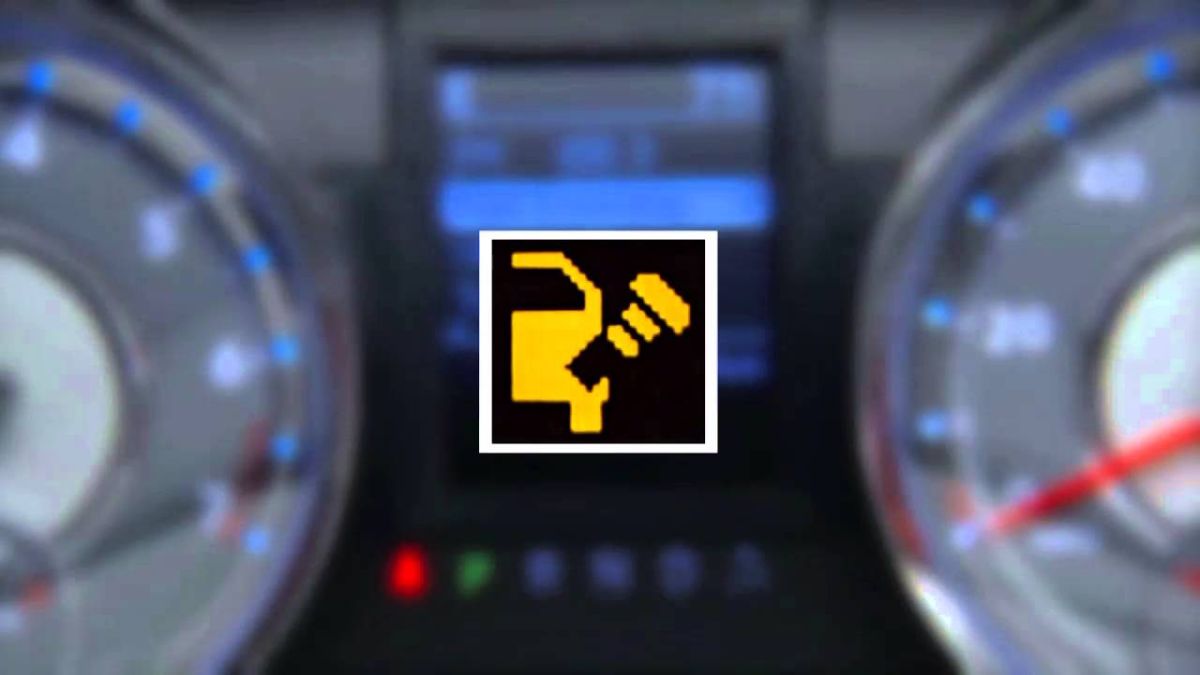
Why Does the Fuel Cap Warning Light Come On?
The fuel cap warning light or a message such as “Check Fuel Cap” can appear when the vehicle detects that the fuel tank is not properly sealed. In many cases, the first thing to check is the fuel filler cap itself, but the warning does not always mean that the cap is defective.
The vehicle’s Evaporative Emission Control System (EVAP) monitors fuel vapors and the pressure inside the fuel system. If the system detects an unexpected leak or pressure problem, it may trigger a fuel cap warning and, in some cases, the Check Engine Light.
What Does the Fuel Cap Warning Mean?
Depending on the vehicle, the dashboard may display messages such as:
-
Check Fuel Cap
-
Check Fuel Filler Cap
-
Tighten Fuel Cap
-
Fuel Cap Loose
-
Check Fuel System
-
Fuel Cap Warning
Some vehicles may simply illuminate a fuel-cap-shaped warning symbol.
The basic idea is the same: the fuel system may not be sealing correctly.
If the warning appeared immediately after refueling, the fuel cap should be the first component you inspect.
The Fuel Cap May Not Be Tightened Properly
One of the most common causes is simply that the fuel cap was not installed correctly after refueling.
If the cap is not fully tightened or locked, air and fuel vapors can escape from the tank. The EVAP system can detect this condition and store a fault code.
Remove the cap, reinstall it correctly, and make sure it is properly secured.
On some vehicles, the cap makes a clicking sound when it reaches the correct position. However, this varies by manufacturer and cap design.
A Damaged Fuel Cap Seal Can Cause the Warning
The rubber or elastomer seal around the fuel cap is extremely important because it creates an airtight connection between the cap and filler neck.
Over time, the seal can:
-
Become hard
-
Crack
-
Tear
-
Deform
-
Lose elasticity
-
Become contaminated with dirt or fuel residue
Even if the cap appears to be tightened correctly, a damaged seal can allow fuel vapors to escape.
This can be enough to trigger an EVAP leak warning.
The Fuel Cap Itself Can Be Damaged
The cap can also fail mechanically.
Possible problems include:
-
Cracked plastic housing
-
Damaged threads
-
Broken locking mechanism
-
Damaged pressure-relief components
-
Worn sealing surfaces
-
Internal valve problems
A fuel cap may look normal from the outside while still failing to seal properly.
For this reason, the cap should be inspected carefully rather than judged only by its appearance.
Dirt or Damage Around the Filler Neck
The problem may not actually be the fuel cap.
The fuel filler neck is the surface against which the cap seals. If this area is dirty, corroded, damaged or deformed, the cap may not create a proper seal.
Check the filler neck for:
-
Dirt
-
Rust
-
Fuel residue
-
Physical damage
-
Corrosion
-
Deformation
-
Damaged threads or sealing surfaces
A new fuel cap will not solve the problem if the filler neck itself is damaged.
An EVAP System Leak Can Trigger the Same Warning
The fuel cap is only one part of the EVAP system.
The system can include:
-
Fuel tank
-
Fuel filler neck
-
EVAP hoses
-
Vapor lines
-
Charcoal canister
-
EVAP purge valve
-
EVAP vent valve
-
Fuel tank pressure sensor
-
Leak detection components
-
Various seals and connections
A small leak anywhere in this system can sometimes be interpreted as a loose or missing fuel cap.
This is why replacing the fuel cap without diagnosis does not always solve the problem.
Cracked or Disconnected EVAP Hoses
EVAP hoses are exposed to heat, vibration and fuel vapors for many years. Eventually, they can become hard, brittle or cracked.
A hose can also become disconnected from its fitting.
Even a relatively small leak can cause the EVAP system to fail its self-test.
Depending on the vehicle, this may result in a fuel cap warning, Check Engine Light or an EVAP-related trouble code.
A Faulty EVAP Purge Valve Can Also Be Responsible
The EVAP purge valve controls when stored fuel vapors are released from the charcoal canister into the engine intake.
If the purge valve becomes stuck open, stuck closed or otherwise malfunctions, the vehicle can detect abnormal EVAP behavior.
Possible symptoms can include:
-
Rough idle
-
Difficult starting
-
Engine hesitation
-
Fuel smell
-
Check Engine Light
-
Increased fuel consumption
-
EVAP-related fault codes
A purge valve problem is different from a simple fuel cap problem, even though both can involve the same EVAP system.
The EVAP Vent Valve Can Cause Problems
The EVAP vent valve controls the ventilation side of the system.
If it becomes stuck, contaminated or electrically defective, the EVAP system may not be able to control pressure correctly.
Depending on the vehicle, the ECU may detect this during an EVAP self-test and illuminate a warning.
Fuel Tank Pressure Sensor Problems
Many modern vehicles use a Fuel Tank Pressure (FTP) Sensor to monitor pressure or vacuum inside the fuel tank.
If the sensor gives an incorrect signal, the ECU may believe that an EVAP leak exists even when the fuel cap and hoses are physically intact.
Therefore, an EVAP warning does not automatically prove that there is a physical leak.
The sensor and its wiring may also need to be checked.
Common OBD-II Fault Codes Related to the Problem
If the Check Engine Light is also illuminated, scanning the vehicle with an OBD-II diagnostic tool can provide useful information.
Common EVAP-related codes include:
-
P0440 – Evaporative Emission System Malfunction
-
P0441 – Evaporative Emission System Incorrect Purge Flow
-
P0442 – Evaporative Emission System Leak Detected, Small Leak
-
P0455 – Evaporative Emission System Leak Detected, Large Leak
-
P0456 – Evaporative Emission System Leak Detected, Very Small Leak
-
P0457 – Evaporative Emission System Leak Detected / Fuel Cap Loose
The exact code definitions can vary slightly between manufacturers.
Importantly, P0457 does not automatically mean that the fuel cap itself is defective. The vehicle has detected a condition consistent with a loose fuel cap or an EVAP leak, but the actual cause may be elsewhere in the system.
What Should You Do After Refueling?
If the warning appears shortly after filling the tank, start with the simplest checks.
Turn the engine off and inspect the fuel cap.
Check:
-
Whether the cap is properly installed
-
Whether the cap is fully tightened
-
Whether the seal is cracked or damaged
-
Whether the filler neck is dirty or damaged
-
Whether the cap looks physically broken
If the cap was simply loose, securing it correctly may resolve the problem.
However, some vehicles do not turn the warning off immediately. The ECU may need to complete another EVAP self-test before the warning disappears.
Does Replacing the Fuel Cap Always Fix the Problem?
No.
Replacing the cap can solve the problem if the cap is actually leaking, but it will not repair:
-
A cracked EVAP hose
-
A leaking charcoal canister
-
A defective purge valve
-
A faulty vent valve
-
A damaged filler neck
-
A defective fuel tank pressure sensor
-
A damaged EVAP line
-
Another leaking seal or connection
This is why replacing parts randomly can become expensive without solving the underlying problem.
How Is the Problem Properly Diagnosed?
A proper diagnosis usually begins with an OBD-II scan.
The technician can then inspect the EVAP system for:
-
Stored fault codes
-
Pending fault codes
-
Fuel tank pressure readings
-
Purge valve operation
-
Vent valve operation
-
Hose condition
-
Electrical connections
-
Fuel cap sealing
-
Filler neck condition
If the leak is difficult to locate, an EVAP smoke test can be particularly useful.
Smoke is introduced into the EVAP system, allowing the technician to identify where vapors are escaping.
This is often much more effective than simply replacing the fuel cap and hoping the warning disappears.
Can a Fuel Cap Problem Increase Fuel Consumption?
A loose or leaking fuel cap by itself usually does not cause a significant increase in fuel consumption.
The primary problem is the loss of control over fuel vapors and the resulting EVAP fault.
However, if the warning is caused by another EVAP component, particularly a malfunctioning purge valve, the engine's air-fuel mixture can sometimes be affected.
In that situation, symptoms such as rough running, hard starting or increased fuel consumption may occur.
Can a Bad Fuel Cap Cause the Engine to Run Poorly?
A simple loose fuel cap normally does not cause major drivability problems.
If the vehicle is running poorly at the same time, the problem may involve another component.
For example, a purge valve that is stuck open can allow excessive fuel vapor or unmetered air into the intake system, potentially causing:
-
Rough idle
-
Stalling
-
Hard starting
-
Hesitation
-
Misfires
Therefore, drivability symptoms should not automatically be blamed on the fuel cap.
What About Vehicles Without a Conventional Fuel Cap?
Some modern vehicles use capless fuel filler systems.
These vehicles do not have a traditional screw-on fuel cap. Instead, the filler neck uses an internal sealing mechanism.
If a capless system reports an EVAP leak, the inspection should focus on:
-
The filler mechanism
-
Sealing flaps
-
Filler neck
-
EVAP hoses
-
Ventilation system
-
Purge valve
-
Pressure sensor
-
Other EVAP components
A conventional fuel cap cannot be replaced because there may not be one.
Is It Safe to Drive With the Fuel Cap Warning On?
If the only problem is a loose fuel cap and the vehicle otherwise drives normally, it is generally not an immediate engine safety issue.
However, the warning should not be ignored indefinitely.
You should have the vehicle checked sooner if you notice:
-
Strong fuel smell
-
Visible fuel leakage
-
Difficult starting
-
Engine stalling
-
Rough idle
-
Significant loss of power
-
Check Engine Light
-
Multiple warning lights
-
Rapidly worsening symptoms
If you can see or smell a substantial fuel leak, avoid driving the vehicle until the source has been inspected.
Fuel Cap Warning Does Not Always Mean “Replace the Cap”
The most important point is that a fuel cap warning is an EVAP system warning, not necessarily a direct diagnosis of a defective fuel cap.
A loose cap is certainly one of the most common and simplest causes, especially when the warning appears immediately after refueling. But if tightening or replacing the cap does not solve the problem, the EVAP system should be diagnosed systematically.
Checking the fault codes, inspecting the filler neck and hoses, testing the purge and vent valves, and performing a smoke test when necessary can identify the actual source of the problem.