TR
TR EN
EN

What Is a Coil Spring? What Are the Symptoms of Coil Spring Failure?
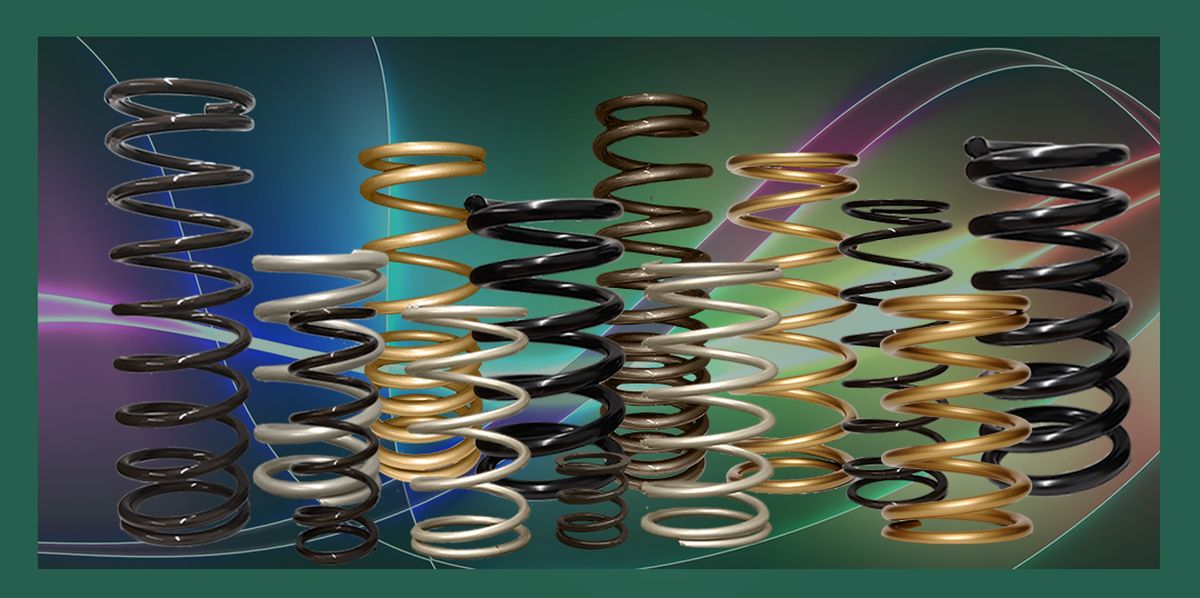
A coil spring is one of the main components of a vehicle’s suspension system. It is a specially shaped steel spring designed to support the vehicle’s weight, absorb road impacts, and help keep the vehicle at the correct ride height.
Coil springs are used on the front and/or rear suspension of most passenger cars, SUVs, light commercial vehicles, and many other types of vehicles.
Although a coil spring is a relatively simple mechanical component, its condition has a significant effect on ride height, handling, suspension travel, tire contact with the road, and overall driving safety.
What Does a Coil Spring Do?
The primary job of a coil spring is to support the vehicle body while allowing the suspension to move up and down.
When the vehicle encounters a bump or pothole, the wheel moves upward. The suspension compresses the coil spring, storing some of the energy created by the road impact.
The spring then expands again as the suspension returns toward its normal position.
The shock absorber works together with the spring but performs a different job. The spring supports the vehicle and stores/releases energy, while the shock absorber controls the speed of suspension movement and reduces bouncing.
This distinction is important because a vehicle with a worn shock absorber does not necessarily have a bad coil spring.
How Does a Coil Spring Work?
A coil spring is manufactured from specially treated spring steel and formed into a spiral shape.
When the vehicle is sitting normally, the spring carries a portion of the vehicle's weight.
When the suspension moves:
-
The spring compresses when the wheel moves upward.
-
The spring stores mechanical energy.
-
The spring expands when the suspension moves back.
-
The suspension returns toward its designed ride height.
-
The shock absorber controls excessive oscillation.
The spring rate and dimensions are engineered for the specific vehicle.
Factors such as wire diameter, coil diameter, number of active coils, free length, material properties, and spring design affect how the spring behaves.
Where Is the Coil Spring Located?
The location depends on the suspension design.

On many vehicles, the front coil spring is installed around or next to the shock absorber as part of a MacPherson strut assembly.
On other suspension designs, the spring may be mounted separately from the shock absorber.
At the rear, coil springs are often installed between the vehicle body and the rear suspension arm or axle assembly.
The exact position varies considerably between vehicle models.
What Are the Symptoms of a Bad Coil Spring?
A damaged or weakened coil spring can produce several noticeable symptoms.
Common symptoms include:
-
Vehicle sitting lower than normal
-
One side of the vehicle sitting lower than the other
-
Sagging suspension
-
Uneven ride height
-
Clunking or knocking noises
-
Broken spring visible during inspection
-
Cracks or corrosion on the spring
-
Rough or abnormal ride
-
Increased suspension movement
-
Reduced ground clearance
-
Tire wear caused by changed suspension geometry
-
Vehicle instability, especially over uneven roads
-
Suspension bottoming out
-
Spring movement or displacement
-
Unusual noise when driving over bumps
Not every one of these symptoms means the coil spring itself has failed. Other suspension components can create very similar symptoms.
Why Does a Vehicle Sit Lower When a Coil Spring Is Weak?
A coil spring supports the vehicle's weight. If the spring loses some of its designed strength or becomes damaged, it may no longer maintain the original ride height.
The vehicle can therefore sit lower than it should.
However, a lower ride height does not automatically mean the spring is broken.
Possible causes include:
-
Weak or damaged coil spring
-
Broken coil
-
Incorrect spring installed
-
Suspension component damage
-
Different spring specifications
-
Excessive vehicle load
-
Air suspension problems on vehicles equipped with air suspension
Ride height should be compared with the manufacturer's specifications whenever possible.
What Happens When a Coil Spring Breaks?
A coil spring can sometimes break, particularly near the end of the spring where corrosion and stress may be concentrated.
A broken spring may produce a sudden change in ride height.
You may notice:
-
One corner sitting significantly lower
-
A metallic clunking noise
-
Reduced suspension travel
-
The spring moving out of its correct position
-
Tire or suspension component interference
-
Changes in steering or handling
-
Unusual noise over bumps
In some cases, a broken section of spring can move within the suspension assembly.
This can create a serious safety problem if the broken spring interferes with the tire, brake components, suspension arm, or other nearby parts.
Can a Coil Spring Become Weak Without Breaking?
Yes.
A spring does not necessarily have to snap completely to become problematic.
Years of repeated loading, corrosion, excessive heat, overloading, and general fatigue can affect the spring.
A weakened spring may cause the vehicle to sit lower even though the spring still appears intact.
This is one reason why visual inspection alone may not always be enough.
Comparing left and right ride height and checking the spring against vehicle-specific specifications can provide additional information.
Why Do Coil Springs Break?
Several factors can contribute to coil spring failure.
Corrosion
Rust is one of the most common factors associated with spring deterioration.
Road salt, moisture, dirt, and water can cause corrosion. Once the protective coating is damaged, corrosion can progress deeper into the spring material.
Because coil springs repeatedly flex under load, corrosion can create stress concentration points.
Metal Fatigue
Coil springs experience thousands or millions of loading cycles throughout their service life.
Over time, metal fatigue can develop.
Overloading
Frequently carrying loads beyond the vehicle's intended capacity increases stress on the suspension.
Road Impacts
Severe potholes, impacts, and rough roads can place unusually high loads on the spring.
Incorrect Spring Installation
Installing the wrong spring or installing a spring incorrectly can affect suspension geometry and load distribution.
Modified Suspension
Lowering springs, lift kits, oversized wheels, and other suspension modifications can change the loads and operating conditions of the suspension.
Can a Coil Spring Cause a Clunking Noise?
Yes, but a clunking noise does not automatically mean the coil spring is defective.
A broken or displaced spring can make a metallic noise when the suspension moves.
However, similar noises can come from:
-
Shock absorber mounts
-
Strut mounts
-
Stabilizer bar links
-
Control arm bushings
-
Ball joints
-
Suspension arms
-
Loose suspension bolts
-
Spring seats
-
Shock absorbers
The location and operating conditions of the noise should therefore be investigated before replacing the spring.
What Does a Broken Coil Spring Look Like?
A broken coil spring may be visible during inspection.
Look for:
-
A missing section of the coil
-
A clean or irregular break
-
Heavy corrosion
-
Cracked coating
-
Deformed coils
-
Spring ends not sitting correctly
-
Unequal ride height
-
Contact marks around nearby suspension components
The spring should be inspected with the vehicle safely supported according to proper workshop procedures.
Never place yourself under a vehicle supported only by a jack.
Coil Spring vs. Shock Absorber
These two components are often confused because they work together.
The coil spring supports the vehicle and determines much of its ride height.
The shock absorber controls suspension movement.
A worn shock absorber can cause:
-
Excessive bouncing
-
Poor body control
-
Nose diving under braking
-
Increased bouncing after bumps
-
Uneven tire contact
A damaged coil spring can cause:
-
Low ride height
-
Sagging
-
Uneven vehicle height
-
Spring breakage
-
Reduced suspension travel
Both components should be inspected when suspension problems occur.
Should Coil Springs Be Replaced in Pairs?
In many cases, replacing coil springs on the same axle as a pair is recommended, especially when one spring has weakened or broken due to age.
If only one old spring is replaced, there may be a difference in spring characteristics between the two sides.
However, the correct repair depends on the vehicle, spring condition, manufacturer's recommendations, and the reason for failure.
If one spring has broken because of severe corrosion, the other spring should be carefully inspected as well.
Can a Coil Spring Affect Wheel Alignment?
Yes.
A coil spring affects the vehicle's ride height, and ride height can influence suspension geometry.
If a spring becomes significantly weak or breaks, suspension angles may change.
This can potentially affect:
-
Camber
-
Toe
-
Steering geometry
-
Tire contact
-
Vehicle handling
Therefore, wheel alignment may need to be checked after replacing a spring, particularly if ride height has changed significantly or other suspension components have been disturbed.
Can a Bad Coil Spring Cause Tire Wear?
It can contribute to abnormal tire wear, particularly if spring failure changes ride height or suspension geometry.
However, tire wear should not automatically be blamed on the spring.
Other common causes include:
-
Incorrect wheel alignment
-
Worn control arm bushings
-
Damaged suspension components
-
Incorrect tire pressure
-
Wheel imbalance
-
Worn wheel bearings
-
Steering component problems
The entire suspension and steering system should be inspected.
How Is a Coil Spring Diagnosed?
Diagnosis should begin with a visual inspection.
Check the vehicle on level ground and compare the ride height from side to side.
Then inspect the springs for:
-
Broken coils
-
Cracks
-
Heavy corrosion
-
Deformation
-
Incorrect seating
-
Damaged spring insulators
-
Contact marks
-
Signs of movement
The shock absorbers, mounts, control arms, bushings, stabilizer links, ball joints, and other suspension components should also be checked.
If necessary, ride height can be measured and compared with manufacturer specifications.
A spring can look acceptable but still have a problem, so a complete suspension inspection is preferable to diagnosing the spring based on appearance alone.
Does a Coil Spring Failure Trigger an OBD Fault Code?
A conventional coil spring is a mechanical component and normally has no electrical connection to the vehicle's electronic control system.
Therefore, a broken or weak coil spring normally does not generate a dedicated OBD fault code.
However, modern vehicles may have electronic ride-height sensors, adaptive suspension, electronic dampers, or other suspension control systems.
Those electronic components can generate diagnostic trouble codes if there is an electrical or control problem.
An OBD code related to suspension does not automatically mean the coil spring itself is defective.
Can You Drive With a Broken Coil Spring?
Driving with a broken coil spring is generally not recommended.
Depending on where and how the spring has broken, it can affect suspension travel, ride height, handling, and component clearance.
A broken spring may also move from its intended position and potentially contact the tire or another suspension component.
Driving should be avoided if:
-
The vehicle is significantly lower on one side
-
A spring is visibly broken
-
The tire is contacting a suspension component
-
There is severe knocking
-
Steering or handling has changed
-
Suspension travel is severely restricted
-
The vehicle becomes unstable
-
A broken spring is loose or displaced
In such situations, the safest option is to have the vehicle inspected and transported to a repair facility if necessary.
How Long Does a Coil Spring Last?
There is no universal replacement interval for coil springs.
Their service life depends on:
-
Vehicle weight
-
Road conditions
-
Climate
-
Corrosion exposure
-
Vehicle loading
-
Driving style
-
Spring quality
-
Suspension design
A coil spring may last for many years, but it should be replaced when it is broken, significantly weakened, heavily corroded, deformed, or otherwise outside the manufacturer's specifications.
Final Thoughts
A coil spring is a simple-looking component, but it plays a fundamental role in the vehicle's suspension system.
It supports the vehicle's weight, helps maintain the correct ride height, and allows the suspension to respond to road irregularities.
A broken coil spring, uneven ride height, sagging suspension, heavy corrosion, unusual clunking, or reduced suspension travel should not be ignored.
It is also important to distinguish a coil spring problem from a shock absorber or other suspension fault. Similar symptoms can come from several different components, so proper inspection is essential before replacing parts.
In particular, if one side of the vehicle suddenly becomes lower than the other, or a metallic noise appears together with a change in ride height, the coil spring and its surrounding suspension components should be inspected as soon as possible.