TR
TR EN
EN

What Is a Heater Control Valve? What Are the Symptoms of Heater Control Valve Failure?
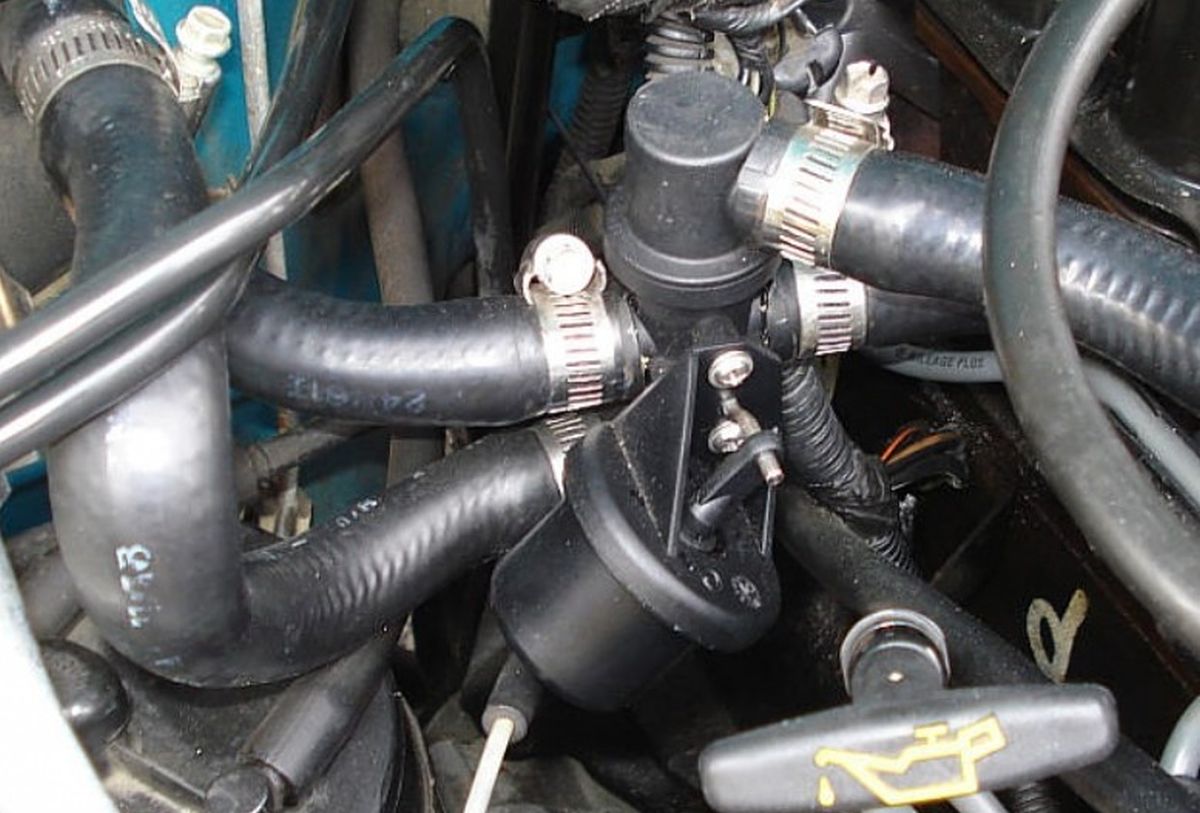
The heater control valve is a component in a vehicle's heating system that controls the flow of hot engine coolant through the heater core. By regulating how much hot coolant enters the heater core, the valve helps control the amount of heat transferred into the vehicle's cabin.
When the heating system is operating normally, engine coolant reaches operating temperature and carries heat away from the engine. The heater control valve determines whether this hot coolant is allowed to flow through the heater core.
If the valve becomes stuck, leaks, or fails to respond to the HVAC control system, the cabin heater may stop working correctly.
How Does a Heater Control Valve Work?
The heater control valve is generally installed in one of the coolant hoses leading to the heater core.
Depending on the vehicle, it may be:
-
Mechanically operated
-
Vacuum operated
-
Electrically operated
-
Controlled by a dedicated HVAC module
-
Integrated into a more complex coolant management system
In older vehicles, the valve may be connected directly to a heater control cable.
In newer vehicles, an electric actuator or electronically controlled valve may adjust coolant flow according to the temperature requested by the driver and the HVAC control system.
When the valve opens, hot coolant flows through the heater core.
When the valve closes, coolant flow through the heater core is reduced or stopped.
What Does the Heater Control Valve Do?
The main purpose of the valve is to regulate the amount of engine coolant flowing through the heater core.
This allows the HVAC system to control cabin heating more precisely.
The valve can also help:
-
Control cabin temperature
-
Prevent unnecessary heat entering the cabin
-
Improve HVAC temperature regulation
-
Support automatic climate-control operation
-
Separate engine cooling from cabin heating when necessary
It is important to understand that the heater control valve does not create heat.
The heat comes from the engine coolant. The valve simply controls coolant flow through the heater core.
What Are the Symptoms of a Bad Heater Control Valve?
A faulty heater control valve can cause several symptoms.
Common signs include:
-
Heater blows cold air
-
Heater is always hot
-
Cabin temperature cannot be adjusted correctly
-
Heat changes unpredictably
-
One temperature setting works while another does not
-
Heater works intermittently
-
Coolant leaks around the valve
-
Low coolant level
-
Coolant smell inside or around the vehicle
-
Engine temperature problems in certain systems
-
HVAC-related fault codes on electronically controlled vehicles
The exact symptoms depend on whether the valve is stuck open, stuck closed, leaking, or experiencing an electrical/control problem.
Heater Blows Cold Air Even When the Engine Is Hot
This is one of the most important symptoms.
If the engine reaches normal operating temperature but the cabin heater continues to blow cold air, the heater control valve may not be allowing hot coolant to reach the heater core.
However, the valve is only one possible cause.
Other possibilities include:
-
Low coolant level
-
Air trapped in the cooling system
-
Clogged heater core
-
Thermostat problem
-
Cooling-system circulation problem
-
Water pump problem
-
HVAC blend door problem
-
Faulty temperature sensor
Therefore, replacing the heater control valve without diagnosing the rest of the system can result in an unnecessary repair.
Heater Is Always Hot
A valve stuck in the open position can have the opposite effect.
Hot coolant continuously flows through the heater core even when the driver requests cooler air.
This can cause:
-
Excessive heat from the vents
-
Difficulty controlling cabin temperature
-
Air that remains warm even when the temperature is set low
-
Poor automatic climate-control performance
In some vehicles, the HVAC system can compensate for continuous coolant flow by using a blend door to control how much air passes through the heater core.
Because of this design, a failed heater control valve may not always produce exactly the same symptoms on every vehicle.
Heater Temperature Changes by Itself
If cabin temperature changes unexpectedly, the valve may be opening and closing incorrectly.
Possible causes include:
-
Intermittent valve operation
-
Faulty electric actuator
-
Vacuum leak
-
Wiring problem
-
Poor electrical connection
-
HVAC control module problem
-
Sticking valve
-
Incorrect temperature sensor information
This symptom is particularly relevant to vehicles with automatic climate control.
Heater Works Intermittently
A heater control valve can sometimes work normally when cold and become stuck after the cooling system reaches operating temperature.
Intermittent operation may also occur because of:
-
Internal corrosion
-
Contamination in the coolant
-
Electrical actuator failure
-
Loose connector
-
Damaged wiring
-
Vacuum-control problems
-
Mechanical binding
If tapping or moving the valve temporarily changes the heater's operation, that can be a useful diagnostic clue, but it should not be considered a permanent repair.
Coolant Is Leaking From the Heater Control Valve
A visibly leaking valve should be taken seriously.
Coolant may leak from:
-
Valve housing
-
Seals
-
Hose connections
-
Actuator area
-
Cracks in the valve body
A coolant leak can eventually cause the coolant level to fall.
Low coolant can result in:
-
Poor cabin heating
-
Engine overheating
-
Air entering the cooling system
-
Reduced cooling-system efficiency
-
Potential engine damage
If coolant is leaking, the source should be identified and repaired rather than simply topping up the coolant repeatedly.
Coolant Smell Inside the Cabin
A sweet or distinctive coolant smell inside the cabin does not automatically mean the heater control valve is leaking.
It can also indicate a leaking heater core or coolant connection.
If the windshield becomes unusually foggy or an oily film develops on the inside of the glass together with a coolant smell, the heater core should be investigated.
The heater control valve and its hoses should also be inspected for external leakage.
Can a Heater Control Valve Cause Engine Overheating?
Usually, the heater control valve itself is not the first component suspected when an engine overheats.
The engine's main cooling circuit normally has its own coolant flow path.
However, the exact cooling-system design varies between vehicles.
A valve problem can affect coolant circulation through the heater circuit, but an overheating engine should also be checked for:
-
Low coolant
-
Thermostat failure
-
Radiator restriction
-
Cooling fan problems
-
Water pump failure
-
Air trapped in the cooling system
-
Radiator cap problems
-
Coolant leaks
The cooling system should be diagnosed as a complete system rather than assuming the heater valve is responsible.
Heater Control Valve vs Blend Door
These two components are often confused because both can affect cabin temperature.
The heater control valve regulates hot engine coolant flowing through the heater core.
The blend door controls airflow inside the HVAC housing.
In simple terms:
Heater control valve → controls coolant flow
Blend door → controls air direction/mixing
A vehicle may use either system or both.
For example, if the heater control valve works correctly but the blend door is stuck, the cabin may still have incorrect temperature control.
How Is a Heater Control Valve Diagnosed?
Diagnosis should begin with the engine cooling system and the HVAC system together.
First, the engine should be allowed to reach its normal operating temperature.
Then the technician can check:
-
Engine coolant temperature
-
Coolant level
-
Heater hose temperatures
-
Heater control valve operation
-
Valve electrical supply
-
Valve ground
-
Control signal
-
Vacuum supply, if applicable
-
Heater core temperature
-
HVAC temperature settings
-
Temperature sensor readings
On an electronically controlled system, a diagnostic scanner may be able to show the commanded valve position or HVAC control information.
Checking the Heater Hoses
Comparing the temperatures of the heater hoses can provide useful information.
If one heater hose is hot and the other remains significantly cooler, possible causes include:
-
Restricted heater core
-
Closed heater control valve
-
Insufficient coolant flow
-
Air in the heater circuit
If both hoses are hot but the cabin remains cold, the problem may be inside the HVAC housing, such as a blend-door or airflow-control problem.
This test is not a standalone diagnosis because coolant temperature and system design must also be considered.
Electrical Problems With an Electronic Heater Valve
Modern heater control valves can contain electric motors, solenoids, or position sensors.
Electrical faults may include:
-
Open circuit
-
Short circuit
-
Corroded connector
-
Broken wire
-
Poor ground
-
Low supply voltage
-
Failed actuator
-
Faulty position sensor
Some vehicles can store HVAC-related diagnostic trouble codes when the valve cannot achieve the commanded position.
However, not every mechanical valve failure will generate a fault code.
Can an OBD Scanner Detect a Heater Control Valve Failure?
Sometimes.
If the valve is electronically controlled, the HVAC module may detect that the commanded position does not match the actual position.
Depending on the vehicle, diagnostic information may include:
-
Valve position
-
Actuator command
-
Temperature sensor values
-
HVAC control faults
-
Communication faults
But a basic OBD scanner may not communicate with the HVAC module at all.
Some vehicles require a manufacturer-specific diagnostic tool to access HVAC data.
Therefore, a lack of engine-related OBD codes does not prove that the heater control valve is functioning correctly.
What Causes Heater Control Valve Failure?
Several problems can cause the valve to fail.
Common causes include:
-
Age and normal wear
-
Internal corrosion
-
Contaminated coolant
-
Rust or debris in the cooling system
-
Electrical actuator failure
-
Vacuum-system problems
-
Damaged wiring
-
Connector corrosion
-
Excessive heat
-
Cracked valve housing
-
Damaged seals
-
Incorrect coolant
-
Poor previous repairs
Using the correct coolant specification is important because unsuitable coolant mixtures can contribute to corrosion and cooling-system contamination.
Can a Heater Control Valve Be Cleaned?
Sometimes contamination may cause a valve to stick, but cleaning is not always a reliable repair.
If the valve has internal mechanical damage, a failed actuator, damaged seals, or a cracked housing, replacement is normally the better solution.
The cooling system should also be inspected if significant contamination is found.
Simply replacing the valve without identifying why the coolant circuit became contaminated may allow the replacement component to fail again.
What Happens After Replacing the Heater Control Valve?
The procedure varies depending on the vehicle.
After replacement, the cooling system may need to be:
-
Refilling with the correct coolant
-
Properly bled
-
Checked for leaks
-
Brought to operating temperature
-
Checked for correct heater operation
Some electronically controlled systems may also require actuator initialization, calibration, or HVAC system procedures using a diagnostic tool.
The exact procedure should follow the vehicle manufacturer's service instructions.
Can You Drive With a Bad Heater Control Valve?
It depends on the type of failure.
If the valve is simply stuck open and there is no coolant leak, the vehicle may continue to operate normally from an engine-cooling perspective, although cabin temperature control may be poor.
However, if the valve is leaking coolant, continued driving can become dangerous.
A significant coolant loss can eventually cause engine overheating and serious engine damage.
Stop driving and investigate promptly if you notice:
-
Rapid coolant loss
-
Visible coolant leakage
-
Engine overheating
-
Steam from the engine compartment
-
Coolant temperature warning
-
Strong coolant smell accompanied by a falling coolant level
Never open a hot pressurized cooling system. Allow the engine to cool before inspecting the coolant system.
Conclusion
The heater control valve is an important part of the vehicle's heating system because it regulates the flow of hot engine coolant through the heater core.
A faulty valve can cause cold air from the heater, excessive heat, unstable cabin temperature, intermittent heating, coolant leaks, and poor temperature control.
However, these symptoms can also be caused by a clogged heater core, low coolant, trapped air, thermostat problems, blend-door faults, water pump issues, or electrical and HVAC control problems.
For this reason, the valve should not be replaced based on symptoms alone. Checking coolant temperature, heater hose temperatures, valve operation, electrical or vacuum control, and HVAC data can help identify the actual cause.
A properly functioning heater control valve, together with a healthy cooling system and HVAC system, is essential for reliable cabin heating and effective windshield defrosting.