TR
TR EN
EN

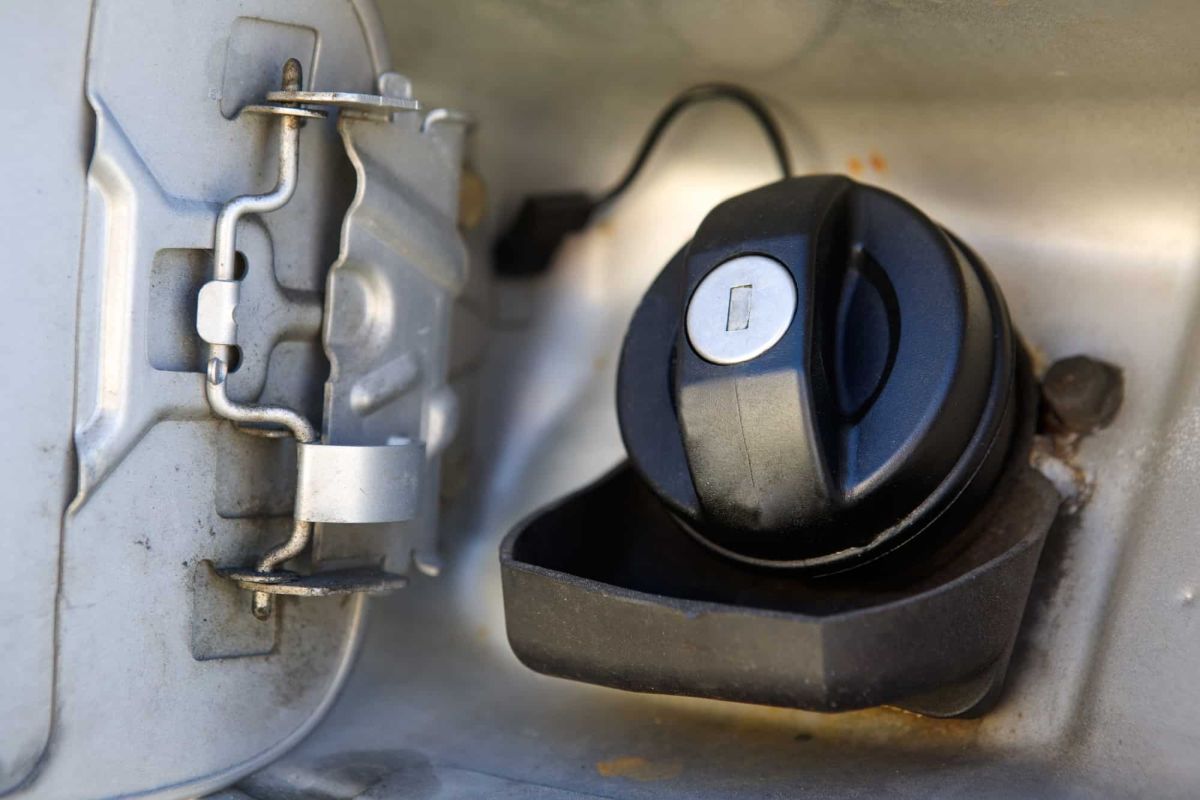
How Can You Tell If the Fuel Tank Cap Is Faulty?
The fuel tank cap may look like a simple plastic or metal component, but it plays an important role in the vehicle's fuel and evaporative emissions system. Depending on the vehicle, the cap helps maintain the correct pressure inside the fuel tank and prevents fuel vapors from escaping into the atmosphere.
A damaged, loose, incorrectly fitted, or leaking fuel tank cap can cause the vehicle to detect an EVAP leak. In some cases, the Check Engine Light may illuminate even though the engine itself is running normally.
A fuel cap problem is therefore one of the simplest things to check when an EVAP-related fault code appears.
What Is the Purpose of the Fuel Tank Cap?
The fuel tank cap seals the fuel filler opening and helps keep the fuel system closed.
Its main functions include:
-
Sealing the fuel tank
-
Preventing fuel vapors from escaping
-
Helping maintain the intended pressure or vacuum in the fuel tank
-
Preventing dirt and water from entering the filler neck
-
Supporting the operation of the EVAP system
-
Reducing fuel vapor emissions
On many modern vehicles, the fuel tank cap works together with components such as the charcoal canister, purge valve, vent valve, fuel tank pressure sensor, and EVAP hoses.
Some newer vehicles use a capless fuel filler system, so the diagnostic principles are slightly different.
What Are the Symptoms of a Faulty Fuel Tank Cap?
A defective fuel tank cap can produce several symptoms.
Common signs include:
-
Check Engine Light
-
EVAP-related fault codes
-
Fuel smell around the vehicle
-
A loose or abnormal cap
-
Difficulty tightening the cap
-
Cap that does not click when tightened
-
Damaged or cracked sealing gasket
-
Whistling or unusual vapor sounds
-
Repeated EVAP leak codes
-
The Check Engine Light returning after being cleared
-
Slightly increased fuel vapor emissions
-
Occasionally, difficulty refueling
However, a faulty fuel cap does not always cause noticeable drivability problems.
The engine may start, idle, accelerate, and drive completely normally while the vehicle continuously detects an EVAP leak.
The Check Engine Light Is One of the Most Common Signs
One of the most common indications of a fuel cap problem is the Check Engine Light.
The vehicle's engine control system can perform EVAP leak tests under specific operating conditions.
If the system detects that the fuel tank and vapor system cannot maintain the expected pressure or vacuum, it may store an EVAP-related diagnostic trouble code.
Depending on the vehicle, possible codes can include:
-
P0440
-
P0441
-
P0442
-
P0455
-
P0456
-
P0457
The exact code and its meaning vary by vehicle manufacturer.
Importantly, an EVAP code does not automatically mean that the fuel cap is defective.
A leaking hose, purge valve, vent valve, charcoal canister, fuel tank pressure sensor, or filler neck can produce similar symptoms.
What Does a Loose Fuel Cap Mean?
A loose fuel cap is one of the simplest causes of an EVAP leak.
If the cap is not tightened correctly, the fuel system may not remain properly sealed.
This can happen when:
-
The cap was not tightened completely
-
The cap was installed at an angle
-
The cap was replaced with an incorrect part
-
The cap's locking mechanism is worn
-
The sealing gasket is damaged
-
Dirt is preventing proper contact
Some vehicles have a ratcheting mechanism that produces clicks when the cap reaches the correct tightening position.
If the cap suddenly stops clicking or feels unusually loose, it deserves inspection.
Can a Damaged Fuel Cap Seal Cause an EVAP Leak?
Yes.
The rubber or elastomer seal around the fuel cap is critical to maintaining a proper seal.
Over time, the seal can become:
-
Hardened
-
Cracked
-
Flattened
-
Torn
-
Swollen
-
Contaminated with dirt or fuel residue
A cap can look perfectly normal while its seal no longer seals correctly.
This is particularly important on older vehicles.
Fuel Smell Around the Fuel Filler Area
A persistent fuel smell near the filler neck can indicate a sealing problem.
Possible causes include:
-
Damaged fuel cap
-
Damaged cap seal
-
Fuel spilled during refueling
-
Leaking filler-neck connection
-
Cracked filler hose
-
EVAP hose leak
-
Fuel tank leak
A fuel smell should not automatically be blamed on the cap.
If the smell is strong or continues after refueling, the vehicle should be inspected promptly because a fuel leak can create a fire hazard.
Can a Bad Fuel Cap Cause Poor Engine Performance?
Usually, a fuel cap problem by itself does not cause major engine-performance problems.
The fuel cap is primarily part of the fuel tank sealing and EVAP system rather than the fuel-delivery system.
Therefore, a faulty cap may cause:
-
Check Engine Light
-
EVAP codes
-
Fuel vapor smell
without causing:
-
Significant loss of engine power
-
Severe misfires
-
Major acceleration problems
-
Low fuel pressure
If an engine is running poorly at the same time as an EVAP code is present, the EVAP problem and the drivability problem may have separate causes.
Can a Fuel Cap Cause Difficulty Starting?
A fuel cap itself does not normally cause a hard-start condition.
However, an EVAP system problem can sometimes affect engine operation.
For example, a purge valve that is stuck open can allow excessive fuel vapors into the intake manifold, potentially causing:
-
Hard starting
-
Rough idle
-
Stalling
-
Rich or lean mixture symptoms
This is different from a simple fuel cap leak.
Therefore, if the vehicle has an EVAP code and a starting problem, the entire EVAP system should be considered rather than replacing the cap automatically.
Can a Fuel Cap Cause Fuel Pressure Problems?
Normally, no.
Fuel tank pressure and fuel rail pressure are not the same thing.
The fuel cap helps seal the tank and participates indirectly in tank pressure control and vapor management.
Fuel rail pressure is controlled by components such as:
-
Fuel pump
-
Fuel pressure regulator
-
Fuel pressure control valve
-
Fuel pressure sensor
-
Fuel injectors
-
Engine control system
A fuel cap should not normally be blamed for a fuel rail pressure fault.
How Can You Check Whether the Fuel Cap Is Faulty?
A basic visual inspection can provide useful information.
Check the cap
Look for:
-
Cracks
-
Broken locking tabs
-
Damaged threads
-
Deformed plastic
-
Missing components
-
A damaged seal
Inspect the sealing surface
The area where the cap contacts the filler neck should be clean and free from excessive dirt or damage.
Check the filler neck
Look for:
-
Corrosion
-
Damage
-
Deformation
-
Dirt
-
Physical cracks
Check the tightening mechanism
If the cap is designed to click when tightened, pay attention to whether it behaves normally.
A cap that turns indefinitely without engaging its locking mechanism may be defective.
Can You Test the Fuel Cap With a Smoke Machine?
Yes.
A professional EVAP smoke test is one of the better ways to locate a small leak.
Smoke is introduced into the EVAP system under controlled conditions, and the technician looks for smoke escaping from:
-
Fuel cap area
-
Filler neck
-
EVAP hoses
-
Charcoal canister
-
Purge valve
-
Vent valve
-
Fuel tank
-
Connections
This is particularly useful when a diagnostic code indicates a small leak.
For example, a code such as P0456 can be associated with a very small EVAP leak, and the fuel cap is one possible source.
Fuel Cap vs. EVAP System Leak
This distinction is extremely important.
The fuel cap is only one component of the EVAP system.
The complete system may include:
-
Fuel tank
-
Fuel cap
-
Filler neck
-
EVAP hoses
-
Charcoal canister
-
Purge valve
-
Vent valve
-
Fuel tank pressure sensor
-
EVAP leak detection components
-
Engine control module
Therefore, changing the fuel cap without confirming the source of the leak may not solve the problem.
Why Does the Check Engine Light Stay On After Replacing the Cap?
If the fuel cap was the actual cause, the Check Engine Light may not disappear immediately.
The vehicle's ECU generally needs to perform another EVAP self-test before it can determine whether the problem has been corrected.
Depending on the vehicle, this may require several normal driving cycles.
If the light remains on or the same code returns, there may be another problem.
Possible causes include:
-
EVAP hose leak
-
Purge valve problem
-
Vent valve problem
-
Fuel tank pressure sensor problem
-
Charcoal canister problem
-
Filler-neck damage
-
Wiring problem
-
Another sealing problem
Clearing the fault code does not repair the underlying fault.
Can You Drive With a Faulty Fuel Tank Cap?
If the only problem is a minor EVAP leak caused by the fuel cap, the vehicle may continue to drive normally.
However, the problem should still be corrected.
A faulty cap can allow fuel vapors to escape and can cause the vehicle to fail an emissions inspection in jurisdictions where EVAP monitoring is part of the inspection process.
If there is a strong fuel smell, visible fuel leakage, or evidence of a damaged fuel tank or filler system, driving should be avoided until the problem is properly inspected.
Fuel Cap Problems After Refueling
Some EVAP problems become noticeable immediately after refueling.
For example, the cap may not have been installed correctly after filling the tank.
A driver may then notice a Check Engine Light several hours or days later.
This happens because the EVAP leak detection test does not necessarily run immediately after refueling.
If an EVAP code appears shortly after refueling, checking the fuel cap is a logical first step.
What Causes Fuel Tank Cap Failure?
Fuel caps are exposed to weather, fuel vapors, temperature changes, dirt, and repeated handling.
Common causes of failure include:
-
Age
-
Heat
-
Cold temperatures
-
UV exposure
-
Damaged sealing material
-
Repeated tightening and removal
-
Physical impact
-
Dirt contamination
-
Incorrect replacement cap
-
Worn locking mechanism
A fuel cap can gradually lose its ability to seal even when there is no obvious physical damage.
Can an Incorrect Fuel Cap Cause Problems?
Yes.
The replacement cap must be compatible with the vehicle.
Using a generic or incorrect cap may result in:
-
Poor sealing
-
Incorrect pressure characteristics
-
EVAP leak codes
-
Check Engine Light
-
Difficulty locking the cap
-
Incorrect fitment
The safest approach is to use the correct part specified for the vehicle.
What About Capless Fuel Systems?
Some modern vehicles do not use a conventional screw-on fuel cap.
Instead, they use a capless filler system with internal sealing doors and valves.
If an EVAP leak occurs on such a vehicle, there is no removable fuel cap to replace.
Possible causes can include:
-
Damaged filler seals
-
Dirt preventing the flap from sealing
-
Damaged filler mechanism
-
EVAP hose leaks
-
Vent valve problems
-
Purge valve problems
-
Fuel tank pressure sensor problems
Therefore, the diagnostic process differs from a conventional fuel-cap system.
When Should the Fuel Tank Cap Be Replaced?
Replacement is reasonable when the cap has:
-
A cracked housing
-
Damaged sealing gasket
-
Broken locking mechanism
-
Incorrect fitment
-
Damaged threads
-
Persistent sealing problems
-
Visible physical damage
A fuel cap is generally inexpensive compared with many EVAP components, so replacing a clearly damaged cap can be a sensible first repair.
However, repeatedly replacing caps without diagnosing the system is not a good strategy.
Final Thoughts
The fuel tank cap is a small component, but it plays an important role in keeping the vehicle's fuel and evaporative emissions system properly sealed.
A faulty cap may cause a Check Engine Light, EVAP leak codes, fuel vapor smell, or an obviously loose or damaged cap. In many cases, the engine itself can continue to run normally.
The first things to check are the cap's condition, sealing gasket, locking mechanism, filler neck, and correct installation.
However, an EVAP fault code does not automatically mean that the fuel cap is defective. If replacing or correctly installing the cap does not solve the problem, the EVAP hoses, purge valve, vent valve, charcoal canister, fuel tank pressure sensor, and other components should be tested.
In short, a fuel tank cap should be considered one of the first and easiest components to inspect when an EVAP leak is detected, but it should not automatically be considered the cause of every EVAP-related fault.