TR
TR EN
EN

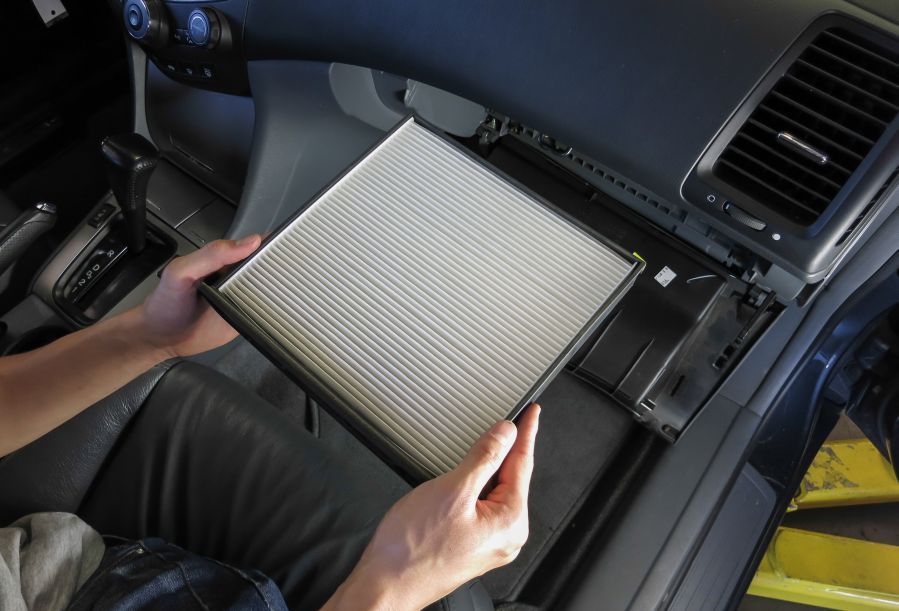
What Is a Cabin Air Filter? When Should It Be Replaced?
The cabin air filter, also known as the pollen filter, is a component in a vehicle's heating, ventilation, and air conditioning system. Its main purpose is to filter the air entering the passenger compartment before it reaches the occupants.
Depending on its design, the filter can capture dust, pollen, dirt, soot, and other airborne particles. Some filters also contain activated carbon, which can help reduce unpleasant odors and certain gaseous pollutants.
A clean cabin air filter contributes to better air quality inside the vehicle and allows the ventilation and air conditioning system to operate more efficiently.
What Does a Cabin Air Filter Do?
Outside air enters the vehicle through the ventilation system. Before this air reaches the cabin, it normally passes through the cabin air filter.
The filter can trap particles such as:
-
Pollen
-
Dust
-
Road dirt
-
Soot
-
Fine airborne particles
-
Leaves and other debris
-
Some allergens
A carbon cabin filter provides additional filtration compared with a standard particulate filter. The activated carbon layer can help reduce odors and certain pollutants entering the cabin.
What Happens When the Cabin Filter Gets Dirty?
As the filter collects dust and debris, the filter material gradually becomes clogged.
When airflow through the filter becomes restricted, the ventilation system has to work harder to move air through it. This can reduce the amount of air coming from the vents.
A severely clogged cabin filter may cause:
-
Weak airflow from the vents
-
Reduced air conditioning performance
-
Poor heating performance
-
Unpleasant odors
-
Increased window fogging
-
More dust inside the cabin
-
Increased blower fan noise
A dirty filter does not necessarily mean that the air conditioning system itself is faulty. Sometimes the problem is simply restricted airflow caused by an overdue cabin filter replacement.
When Should a Cabin Air Filter Be Replaced?
There is no single replacement interval that applies to every vehicle. The recommended interval depends on the vehicle manufacturer, filter type, driving conditions, and climate.
Many manufacturers recommend replacing the cabin air filter approximately every 15,000–30,000 km or around once a year. However, some vehicles have different maintenance schedules.
The owner's manual should always be considered the primary reference.
In dusty, polluted, or heavily congested areas, the filter may need to be replaced more frequently.
Signs That the Cabin Air Filter Needs Replacement
You do not always have to wait for the scheduled maintenance interval. Certain symptoms can indicate that the filter is already heavily contaminated.
Weak Airflow
If the blower is running at a high speed but only a small amount of air comes from the vents, a clogged cabin filter is one possible cause.
Bad Smell From the Vents
A dirty or damp filter can develop an unpleasant smell. Mold and bacteria can also accumulate when moisture remains inside the ventilation system.
Windows Fogging More Easily
Restricted airflow can make it harder for the ventilation system to remove moisture from the cabin, particularly when using the windshield defogging function.
Increased Blower Noise
A heavily restricted filter can cause the ventilation system to behave differently. In some cases, the blower may become noticeably louder while airflow remains weak.
Visible Dirt on the Filter
If the filter is removed during inspection and is heavily covered with dust, leaves, or other debris, replacement is generally appropriate.
How Does a Dirty Cabin Filter Affect Air Conditioning?
A cabin air filter does not directly cool the air. Instead, it controls how much air can pass through the HVAC system.
When the filter becomes clogged, airflow across the evaporator can decrease. As a result, the air conditioning system may appear to perform poorly even though the refrigerant level and compressor are functioning correctly.
This is why checking the cabin filter is a useful first step when ventilation airflow suddenly becomes weak.
Standard Cabin Filter vs. Carbon Filter
There are two common types of cabin air filters.
Standard Pollen Filter
A standard filter is primarily designed to capture airborne particles such as dust and pollen.
Activated Carbon Filter
A carbon filter contains an additional activated carbon layer. Besides filtering particles, it can help reduce odors and certain gases and pollutants entering the cabin.
Carbon filters are often preferred by drivers who frequently travel through heavy traffic or areas with poor air quality.
Can a Cabin Air Filter Be Cleaned?
A lightly dusty filter can sometimes appear usable after being shaken or blown out, but cleaning is generally not considered a proper replacement for installing a new filter.
The filter material gradually becomes contaminated, and simply removing visible dust does not necessarily restore its original filtration capability.
For this reason, a heavily contaminated cabin air filter should normally be replaced rather than repeatedly cleaned.
Why Is Regular Replacement Important?
The cabin air filter is directly related to the quality of the air inside the vehicle. Drivers and passengers can spend several hours inside a car, particularly during daily commuting.
A fresh filter helps maintain:
-
Better cabin air quality
-
Stronger ventilation airflow
-
More effective windshield defogging
-
Better HVAC performance
-
Reduced dust and pollen entering the cabin
-
A cleaner-smelling interior
Regular replacement is especially important for people who drive in dusty environments or use the vehicle frequently in urban traffic.
What Happens If You Do Not Replace It?
Driving with an old cabin air filter will not normally cause an immediate engine failure because the filter is not part of the engine's air intake system.
However, leaving a heavily clogged filter in place can reduce ventilation performance and place additional demand on the blower system.
In extreme cases, accumulated dirt and moisture can also contribute to unpleasant odors and contamination within the HVAC system.
How Often Should You Change the Pollen Filter?
As a general guideline, replacing the cabin air filter once a year or every 15,000–30,000 km is reasonable for many vehicles, but the correct interval should be based on the manufacturer's recommendation.
More frequent replacement may be appropriate when the vehicle is regularly driven:
-
On dusty roads
-
In heavily polluted cities
-
In heavy traffic
-
In areas with high pollen levels
-
Near construction sites
-
In dry and dusty climates
A relatively inexpensive cabin filter can have a noticeable effect on ventilation performance and the overall comfort of the vehicle.