TR
TR EN
EN

What Causes Metal Shavings or Metal Debris in Engine Oil?
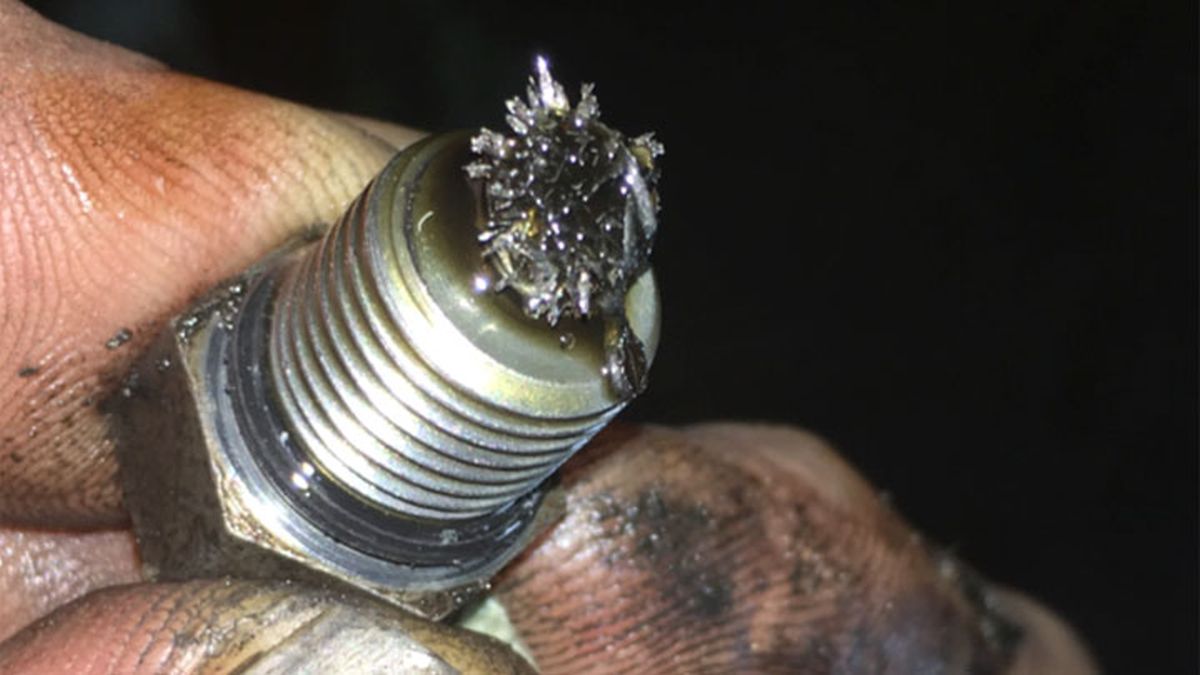
Finding metal shavings, flakes, or fine metallic particles in engine oil can be an important warning sign. In many cases, it indicates that one or more internal engine components are experiencing abnormal wear.
However, not every metallic particle means the engine is about to fail. A small amount of microscopic wear material can be produced during normal engine operation, while a significant amount of visible metal debris usually requires further investigation.
The amount, color, size, shape, and location of the metal particles can provide useful clues about where the wear is occurring.
How Does Metal Get Into Engine Oil?
Modern engines contain many moving components that depend on engine oil for lubrication. The crankshaft, connecting rods, camshafts, timing components, turbocharger bearings, and other parts operate at high speed and temperature.
Under normal conditions, the oil forms a protective film between moving surfaces. This film reduces direct metal-to-metal contact.
If lubrication becomes inadequate, oil pressure drops, the oil becomes contaminated, or a component becomes excessively worn, the protective oil film can break down. Direct contact between metal surfaces can then produce wear particles.
These particles circulate with the engine oil and may eventually become trapped in the oil filter.
Worn Engine Bearings
One of the more serious causes of visible metal debris in engine oil is excessive wear of the main or connecting rod bearings.
Engine bearings normally operate with a thin film of pressurized oil between the bearing surface and the crankshaft journal. If this lubrication film is lost, the bearing and crankshaft can begin to wear rapidly.
Possible causes include:
-
Low engine oil level
-
Low oil pressure
-
Incorrect engine oil
-
Severe oil contamination
-
Overheating
-
Excessive engine load
-
High mileage and normal wear
-
Blocked oil passages
-
Oil pump problems
Advanced bearing wear may produce copper-colored or bronze-colored particles, depending on the bearing construction.
Other symptoms can include:
-
Knocking from the lower part of the engine
-
Low oil pressure
-
Increased oil pressure warning frequency
-
Metallic noises under load
-
Excessive bearing clearance
-
Metal debris inside the oil filter
If a significant amount of metal is found in the oil filter, the bearings and crankshaft should be inspected before the vehicle is driven further.
Crankshaft Wear
The crankshaft works together with the main and connecting rod bearings. If lubrication is poor or bearing clearance becomes excessive, the crankshaft journals can become scratched or worn.
A damaged crankshaft surface can produce additional metallic particles and accelerate bearing wear.
Severe crankshaft damage may require machining or replacement, depending on the depth and location of the damage.
Simply replacing the engine oil will not correct a worn crankshaft.
Camshaft and Camshaft Bearing Wear
The camshaft also depends on proper lubrication. Insufficient oil supply to the upper part of the engine can cause accelerated wear of cam lobes, journals, bearing surfaces, or related components.
Possible symptoms include:
-
Ticking or tapping noises from the cylinder head
-
Poor engine performance
-
Valve-train noise
-
Abnormal camshaft wear
-
Reduced oil pressure in some cases
Engines equipped with variable valve timing can be particularly sensitive to oil quality and oil pressure because their control systems often rely on oil pressure.
Turbocharger Wear
A turbocharged engine can also produce metallic debris when the turbocharger develops severe internal wear.
The turbocharger shaft rotates at extremely high speed. Its bearings depend on a continuous supply of clean engine oil.
If lubrication fails, the shaft and bearing system can wear rapidly.
Possible symptoms of serious turbocharger problems include:
-
Unusual turbocharger whistling
-
Grinding or scraping noises
-
Excessive engine oil consumption
-
Blue or gray exhaust smoke
-
Loss of engine power
-
Excessive shaft play
-
Oil accumulation in the intake system
Depending on the failure, turbocharger damage can contaminate the oil system or introduce debris into the intake system.
A turbocharger should therefore be considered when a turbocharged engine develops unexplained oil contamination or excessive oil consumption.
Oil Pump Wear or Damage
The oil pump is responsible for circulating engine oil and maintaining oil pressure.
If the pump itself becomes worn or damaged, its internal components can generate metallic particles.
More importantly, a failing oil pump can cause low oil pressure throughout the engine. This can lead to secondary damage to bearings, camshafts, timing components, and other lubricated parts.
For this reason, low oil pressure should never be treated simply as an oil-change problem.
The oil pressure should be measured with an appropriate mechanical gauge or through the vehicle's specified diagnostic procedure.
Timing Chain and Sprocket Wear
Timing chains, guides, tensioners, and sprockets are constantly exposed to movement and friction.
Over time, the chain and related components can wear. In severe cases, the wear material can enter the engine oil.
A damaged timing chain system may produce:
-
Rattling during startup
-
Metallic noise from the timing area
-
Timing-related fault codes
-
Poor engine performance
-
Difficult starting
-
Camshaft/crankshaft synchronization problems
Some modern engines use sophisticated hydraulic or electronically controlled timing-chain tensioners, making correct oil specification particularly important.
Piston and Cylinder Wear
Pistons move continuously inside the cylinders, while piston rings maintain sealing between the piston and cylinder wall.
Excessive wear can occur when lubrication is inadequate, the engine overheats, or the cylinder and piston surfaces become damaged.
Severe piston or cylinder wear may contribute to metallic particles in the oil.
Other possible symptoms include:
-
Increased oil consumption
-
Blue exhaust smoke
-
Reduced compression
-
Increased crankcase pressure
-
Excessive blow-by
-
Poor engine performance
-
Misfires
A compression test and leak-down test can help determine whether piston rings, valves, or other components are contributing to the problem.
What Does the Color of Metal Debris Mean?
The appearance of the particles can provide useful information, although color alone cannot identify the failed component with certainty.
Silver or bright metallic particles
These may come from steel or iron-based components such as gears, shafts, camshafts, crankshafts, or other engine parts.
Copper or bronze-colored particles
These can be associated with bearing materials and should be taken seriously, especially when combined with low oil pressure or engine knocking.
Fine gray metallic material
This can indicate general wear or a large amount of very fine metal contamination circulating through the lubrication system.
Large shiny flakes
Large flakes are more concerning than microscopic wear particles because they may indicate that a bearing surface, coating, or other component is deteriorating.
Different engines use different alloys, coatings, and bearing materials, so laboratory analysis or physical inspection may be necessary for an accurate diagnosis.
Is a Small Amount of Metal in Engine Oil Normal?
A small quantity of microscopic wear particles can occur during normal engine operation.
Engine components are not completely wear-free, and the oil filter is designed to capture many of the particles generated during operation.
The important distinction is between microscopic wear material and visible metal particles or flakes.
Visible metallic debris should not simply be dismissed as normal, particularly when:
-
The particles are large
-
The particles are shiny
-
There are many particles
-
The oil filter contains significant metal
-
The same problem appears after every oil change
-
Engine noise has increased
-
Oil pressure has decreased
-
Oil consumption has increased
The trend is also important. Increasing metal contamination over successive oil changes is more concerning than a one-time small amount after a major repair.
Can a Magnet Detect Metal Shavings?
A magnet can sometimes provide a quick additional clue.
Ferrous particles containing iron or steel may be attracted to a magnet. However, many bearing materials and other engine components contain non-magnetic metals such as aluminum or copper.
Therefore, particles that do not stick to a magnet are not necessarily harmless.
A magnet test should only be considered a basic observation, not a definitive diagnostic method.
Why Should You Check the Oil Filter?
Looking only at the drained engine oil may not provide the complete picture.
The oil filter can trap a considerable amount of metallic material. If significant engine wear is suspected, the filter element can be inspected for metallic particles.
Finding a large amount of metal inside the filter can be more informative than seeing a few particles in the drain pan.
A mechanic may cut open the filter and inspect the filter media for:
-
Fine metallic dust
-
Shiny flakes
-
Copper-colored particles
-
Ferrous debris
-
Bearing material
-
Larger fragments
The condition of the filter should always be interpreted together with oil pressure, engine noise, mileage, maintenance history, and other diagnostic findings.
Can Metal Shavings Appear After an Engine Rebuild?
Yes, but this requires careful interpretation.
After an engine rebuild or major internal repair, a very small amount of fine wear material may be present during the initial running-in period. Residual contamination from the repair process can also be present if the engine and lubrication system were not cleaned thoroughly.
However, a rebuilt engine should not continuously produce large amounts of visible metal debris.
If significant metal appears repeatedly after an engine rebuild, possible causes include:
-
Incorrect bearing clearance
-
Crankshaft surface problems
-
Incorrect assembly
-
Poor lubrication
-
Oil passage contamination
-
Incorrect component installation
-
Improper machining
-
Defective parts
-
Excessive initial wear
The engine should be inspected rather than repeatedly replacing the oil and hoping the problem disappears.
Can an Oil Change Remove Metal Shavings?
An oil change can remove contaminated oil and some suspended particles, but it does not repair the component generating the metal.
For example, if a connecting rod bearing is wearing excessively, installing fresh oil will not stop the bearing from producing more metal.
The correct approach is to determine why the metal is being produced.
Depending on the findings, the repair process may involve:
-
Measuring oil pressure
-
Inspecting the oil filter
-
Checking bearing clearances
-
Inspecting the crankshaft
-
Checking the oil pump
-
Inspecting the timing system
-
Checking the camshaft
-
Inspecting the turbocharger
-
Checking piston and cylinder condition
-
Cleaning the lubrication system after repairs
Can You Drive a Car With Metal in the Engine Oil?
If a significant amount of visible metal debris is present, continuing to drive the vehicle can be risky.
If the underlying problem is active bearing, crankshaft, oil pump, turbocharger, or other internal wear, continued operation can turn a repairable problem into a major engine failure.
The situation is especially concerning when metal debris is accompanied by:
-
Oil pressure warning
-
Engine knocking
-
Severe metallic noises
-
Sudden oil pressure loss
-
Heavy oil consumption
-
Blue exhaust smoke
-
Significant loss of power
-
Engine vibration
-
Difficulty turning or starting the engine
In such cases, the engine should be inspected before further operation.
What Is the Best Way to Diagnose Metal in Engine Oil?
A proper diagnosis should focus on identifying the source of the metal, not simply confirming that metal exists.
The first steps can include inspecting the drained oil and oil filter, checking the oil level, and measuring actual engine oil pressure.
Depending on the findings, further inspection may include:
-
Main and connecting rod bearings
-
Crankshaft journals
-
Camshaft and camshaft bearings
-
Oil pump
-
Timing chain and sprockets
-
Timing guides and tensioner
-
Pistons and piston rings
-
Cylinder walls
-
Turbocharger
-
Valve-train components
Oil analysis can also be useful. A laboratory can identify elements such as iron, copper, aluminum, chromium, and other wear metals.
This can help establish whether the engine is experiencing increasing internal wear even when the particles are too small to identify visually.
Does Metal in the Oil Always Mean the Engine Is Bad?
Not necessarily.
The presence of a small amount of fine wear material does not automatically mean the engine needs to be rebuilt.
The diagnosis depends on:
-
The amount of metal
-
Particle size
-
Particle composition
-
Engine mileage
-
Engine type
-
Maintenance history
-
Oil pressure
-
Engine noise
-
Oil consumption
-
Recent repairs
-
Laboratory oil analysis
-
Physical inspection
For example, a small amount of fine material after a recent engine repair has a very different significance from large copper-colored flakes found in the oil filter of a high-mileage engine with low oil pressure.
How Can Metal Contamination Be Prevented?
Internal engine wear cannot be eliminated completely, but proper maintenance can significantly reduce the risk of abnormal wear.
Always use the engine oil specification recommended by the manufacturer. Viscosity is important, but so are the required performance standards and approvals.
Regular maintenance should include:
-
Checking the engine oil level
-
Using the correct engine oil
-
Replacing the oil at the appropriate interval
-
Installing a quality oil filter
-
Maintaining the cooling system
-
Investigating oil pressure warnings immediately
-
Repairing oil leaks
-
Avoiding prolonged operation with low oil
-
Addressing unusual engine noises early
-
Maintaining turbocharged engines correctly
Oil quality becomes particularly important in engines with turbochargers, variable valve timing, hydraulic timing-chain tensioners, or other oil-dependent systems.
Final Thoughts
Metal shavings or visible metallic debris in engine oil should never be ignored.
A tiny amount of microscopic wear material can be normal, but visible metal flakes, chips, or significant metallic particles usually deserve further investigation.
Common sources include worn engine bearings, crankshaft damage, camshaft wear, oil pump problems, timing-chain components, piston and cylinder wear, and turbocharger damage.
The most important point is that changing the oil does not solve the underlying problem. If a component is actively producing metal, the contamination will return.
Checking the oil filter, measuring oil pressure, examining the type of metal, and inspecting the relevant mechanical components can help identify the source before a relatively limited wear problem develops into catastrophic engine damage.