TR
TR EN
EN

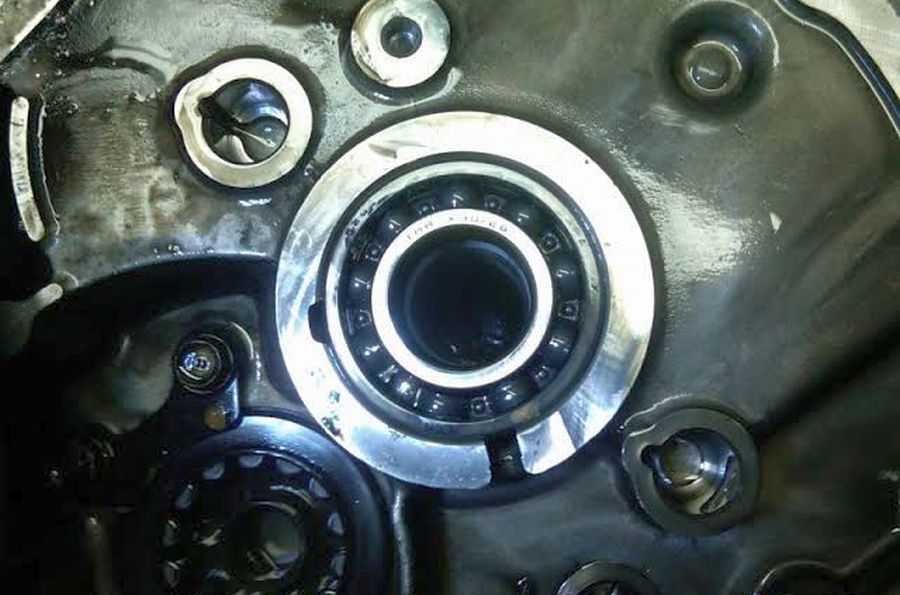
What Is a Transmission Input Shaft Bearing? What Are the Symptoms of Failure?
The transmission input shaft bearing, commonly referred to as the input shaft bearing, is an important bearing inside a manual transmission. It supports the transmission input shaft and allows it to rotate smoothly while keeping the shaft properly aligned.
The input shaft transfers engine torque from the clutch into the transmission. Because it rotates at high speed and carries significant loads, its bearing must operate correctly.
When this bearing begins to wear, the most noticeable symptom is often a whining, humming, or grinding noise that changes when the clutch pedal is pressed or released.
What Is the Transmission Input Shaft Bearing?
The input shaft bearing supports the shaft that receives rotational power from the engine through the clutch.
In a typical manual transmission, the power flow is:
Engine → Clutch → Transmission Input Shaft → Gears → Output Shaft → Differential → Wheels
The input shaft bearing helps keep the input shaft centered while it rotates.
Without proper bearing support, the shaft can develop excessive radial or axial movement. This can affect gear alignment and create additional stress on other transmission components.
Where Is the Input Shaft Bearing Located?
The bearing is located inside the transmission housing and supports the transmission input shaft.
Its exact position and design depend on the transmission.
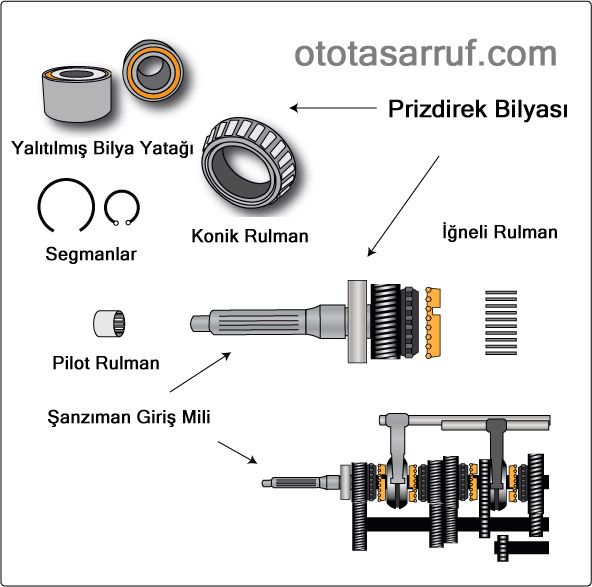
Some transmissions use:
-
Ball bearings
-
Roller bearings
-
Tapered roller bearings
-
Needle bearings
A transmission can also contain several bearings supporting different shafts, so identifying the correct bearing is important before any repair is performed.
What Does the Input Shaft Bearing Do?
The bearing performs several important functions.
It supports the input shaft
The shaft must remain correctly positioned inside the transmission.
It reduces friction
The bearing allows the shaft to rotate without excessive friction against the transmission housing.
It maintains shaft alignment
Correct alignment is essential for the gears and synchronizers to operate properly.
It absorbs loads
The bearing must handle the forces generated as engine torque is transferred through the transmission.
As the bearing wears, these functions gradually become compromised.
What Are the Symptoms of a Bad Input Shaft Bearing?
The symptoms can vary depending on the type and severity of the wear.
Common symptoms include:
-
Whining noise from the transmission
-
Humming or rumbling noise
-
Grinding or bearing noise
-
Noise that changes when the clutch pedal is pressed
-
Noise that is more noticeable in neutral
-
Transmission vibration
-
Difficulty selecting gears in severe cases
-
Excessive transmission shaft movement
-
Metal particles in transmission fluid
-
Noise that increases with engine speed
The most useful diagnostic clue is often when the noise appears and how it changes when the clutch is operated.
Why Does the Noise Change When the Clutch Pedal Is Pressed?
This is one of the most important points when diagnosing transmission noises.
When the clutch pedal is released, the clutch connects the engine to the transmission input shaft. The input shaft therefore rotates with the engine.
When the clutch pedal is pressed, the clutch disconnects the engine from the transmission.
Depending on the transmission design and operating conditions, this can cause the input shaft to slow down or stop.
If a worn bearing produces noise while the input shaft is rotating, the noise may decrease or disappear when the clutch is pressed.
This behavior can provide an important clue, but it is not enough by itself to prove that the input shaft bearing is defective.
Input Shaft Bearing vs Release Bearing
These two bearings are frequently confused because both can produce noise around the clutch area.
The input shaft bearing is located inside the transmission and supports the input shaft.
The clutch release bearing, also called the throwout bearing, operates the clutch pressure plate when the clutch pedal is pressed.
Their noise patterns can be different.
A release bearing commonly becomes noisy when the clutch pedal is pressed.
An input shaft bearing may produce noise when the clutch is released and the input shaft is rotating, with the noise changing or disappearing when the clutch is pressed.
However, actual diagnosis depends on the vehicle and transmission design.
What Does a Bad Input Shaft Bearing Sound Like?
A worn bearing may produce:
-
Whining
-
Humming
-
Rumbling
-
Growling
-
Grinding
-
A rotational bearing noise
The sound may increase as engine speed increases.
In some cases, the noise can also change according to the selected gear because different gears place different loads on the transmission shafts and bearings.
A bearing can therefore sound different under different driving conditions.
Does the Noise Change With Engine RPM?
It can.
Because the input shaft is connected to the engine through the clutch when the clutch is engaged, its rotational speed can correspond closely to engine speed under certain conditions.
As engine RPM increases, a worn bearing may become louder.
However, not every transmission bearing noise follows engine RPM in exactly the same way.
Road speed, selected gear, transmission load, and other rotating components can also influence the noise.
Can a Bad Input Shaft Bearing Make Noise in Neutral?
Yes.
This is one of the useful clues in some manual transmissions.
With the vehicle stationary and the transmission in neutral, releasing the clutch can cause the input shaft to rotate.
If the input shaft bearing is worn, a noise may therefore be heard in neutral with the clutch pedal released.
When the clutch pedal is pressed, the input shaft may stop rotating, causing the noise to decrease or disappear.
This is not a universal test because transmission designs differ, but it can be a useful diagnostic observation.
Can the Input Shaft Bearing Cause Gear-Shifting Problems?
A worn bearing does not necessarily cause immediate difficulty shifting gears.
Initially, the main symptom may simply be noise.
As wear becomes severe, excessive shaft movement can affect the alignment of transmission components.
This can contribute to:
-
Difficult gear engagement
-
Gear-selection problems
-
Abnormal synchronizer operation
-
Gear noise
-
Transmission vibration
If the bearing is severely damaged, other internal transmission components can also be affected.
What Causes Input Shaft Bearing Failure?
Several factors can cause premature bearing wear.
Insufficient transmission fluid
Low or incorrect fluid levels can reduce lubrication and increase bearing wear.
Old or contaminated fluid
Metal particles and other contaminants can accelerate internal wear.
Incorrect transmission fluid
Using an unsuitable lubricant can affect bearing and gear protection.
High transmission loads
Frequent heavy loads, towing, aggressive driving, or high torque can increase bearing stress.
Normal wear
Bearings eventually wear as mileage and operating time increase.
Transmission misalignment
Problems involving the clutch, bell housing, or related components can place abnormal loads on the input shaft.
Clutch-related problems
A damaged clutch or incorrect installation can contribute to abnormal loads and vibration.
Previous transmission repairs
Incorrect bearing installation, incorrect preload, or improper assembly can lead to premature failure.
Can Low Transmission Fluid Damage the Input Shaft Bearing?
Yes.
Transmission bearings depend on proper lubrication.
If the transmission fluid level is too low, the bearing may not receive adequate lubrication.
This can increase:
-
Friction
-
Heat
-
Wear
-
Noise
Severe lubrication problems can eventually cause bearing seizure or extensive transmission damage.
For this reason, transmission fluid level and condition should be checked when investigating unusual transmission noises.
Can a Bad Input Shaft Bearing Damage the Transmission?
Yes.
A severely worn bearing can allow the input shaft to move excessively.
This movement can affect the alignment of gears and shafts and increase stress on other components.
Continued operation with a badly damaged bearing can potentially lead to:
-
Gear damage
-
Shaft damage
-
Synchronizer problems
-
Metal contamination of the transmission fluid
-
Additional bearing damage
-
Transmission housing damage in extreme cases
A relatively small bearing problem can therefore develop into a much more expensive transmission repair if ignored.
Can an Input Shaft Bearing Cause Vibration?
Yes.
Excessive bearing clearance can allow the input shaft to move from its intended position.
This can produce vibration that may become more noticeable at certain engine speeds or under specific transmission loads.
However, vibration around the transmission does not automatically indicate a bad input shaft bearing.
Other possible causes include:
-
Clutch problems
-
Dual-mass flywheel failure
-
Engine or transmission mounts
-
Driveshaft problems
-
CV joints
-
Differential bearings
-
Other transmission bearings
A proper diagnosis is therefore necessary.
How Is an Input Shaft Bearing Diagnosed?
Diagnosis usually begins by identifying exactly when the noise occurs.
A technician may compare the sound under different conditions:
-
Engine running in neutral
-
Clutch pedal released
-
Clutch pedal pressed
-
Different engine speeds
-
Different gears
-
Acceleration
-
Deceleration
-
Light transmission load
-
Heavy transmission load
The transmission fluid may also be inspected for metallic particles.
If internal bearing wear is strongly suspected, further inspection may require transmission removal and disassembly.
Is It Possible to Diagnose the Bearing Without Removing the Transmission?
A preliminary diagnosis is often possible without removing the transmission.
The noise pattern, clutch operation, transmission fluid condition, and behavior under different loads can provide useful information.
However, confirming a specific internal bearing failure may require removing and opening the transmission.
This is especially important because several transmission components can produce very similar noises.
Replacing a transmission bearing based only on a general whining sound can result in unnecessary repairs.
Can the Clutch Cause Similar Symptoms?
Yes.
Clutch-related components can produce noises that are easily confused with transmission bearing problems.
For example:
-
Release bearing
-
Pilot bearing
-
Clutch disc
-
Pressure plate
-
Dual-mass flywheel
can all produce noises or vibrations around the clutch and transmission area.
The pilot bearing is particularly important because it supports the end of the transmission input shaft in some vehicle designs.
A pilot bearing problem can therefore sound similar to an input shaft bearing problem.
Input Shaft Bearing vs Pilot Bearing
These bearings are not the same component.
The input shaft bearing is inside the transmission and supports the input shaft.
The pilot bearing is typically located in the engine's crankshaft or flywheel area and supports the tip of the transmission input shaft.
Their locations are different, even though both support the input shaft assembly.
This distinction is important when diagnosing clutch-related noises.
Can You Drive With a Bad Input Shaft Bearing?
If the bearing is only beginning to make noise, the vehicle may continue to operate for some time.
However, there is no reliable way to predict how long it will last.
As the bearing deteriorates, the risk of secondary transmission damage increases.
If the noise becomes significantly louder, grinding develops, vibration increases, gear engagement becomes difficult, or metal particles are found in the transmission fluid, continued driving should be avoided.
How Is an Input Shaft Bearing Replaced?
Replacing the bearing is generally an internal transmission repair.
The typical process involves:
-
Removing the transmission from the vehicle.
-
Removing the transmission housing components.
-
Accessing the input shaft.
-
Removing the worn bearing.
-
Inspecting the shaft and related components.
-
Installing the new bearing correctly.
-
Checking bearing clearance or preload where required.
-
Reassembling the transmission.
-
Filling it with the correct transmission fluid.
-
Reinstalling the transmission and testing the vehicle.
The exact procedure varies considerably between transmissions.
Some transmissions require specialized tools for bearing removal and installation.
Should Other Bearings Be Replaced at the Same Time?
It depends on the condition of the transmission.
Once the transmission has been removed and opened, the technician may inspect all internal bearings, seals, synchronizers, gears, and shafts.
If several bearings show significant wear, replacing only one may not be the most economical solution.
The condition of the transmission should be evaluated as a complete assembly rather than replacing components blindly.
How Much Does Input Shaft Bearing Replacement Cost?
The cost can vary significantly.
The bearing itself may not be particularly expensive, but accessing it can require substantial labor.
The total repair cost can include:
-
Transmission removal
-
Transmission disassembly
-
Bearing replacement
-
Seals
-
Transmission fluid
-
Replacement of other worn components
-
Reassembly
-
Installation and testing
If additional gears, synchronizers, shafts, or bearings are damaged, the repair can become considerably more expensive.
How Can Input Shaft Bearing Problems Be Prevented?
Good transmission maintenance can help reduce unnecessary wear.
Important practices include:
-
Maintaining the correct transmission fluid level
-
Using the correct fluid specification
-
Changing the fluid when required
-
Repairing leaks promptly
-
Avoiding excessive transmission loads
-
Addressing clutch problems early
-
Checking unusual transmission noises promptly
-
Using proper shifting techniques
A transmission should not be allowed to operate with a significant fluid leak.
Final Thoughts
The transmission input shaft bearing is a critical internal component that supports the input shaft and allows it to rotate smoothly.
One of the most characteristic signs of wear can be a whining, humming, rumbling, or grinding noise that changes when the clutch pedal is pressed or released.
However, similar noises can also come from the clutch release bearing, pilot bearing, dual-mass flywheel, other transmission bearings, gears, or even the drivetrain.
For this reason, the noise pattern alone should not be used to condemn the input shaft bearing.
If the noise is accompanied by vibration, difficult gear engagement, metal particles in the transmission fluid, or rapidly increasing noise, the transmission should be inspected as soon as possible. Early diagnosis can prevent a worn bearing from causing much more extensive and expensive transmission damage.