TR
TR EN
EN

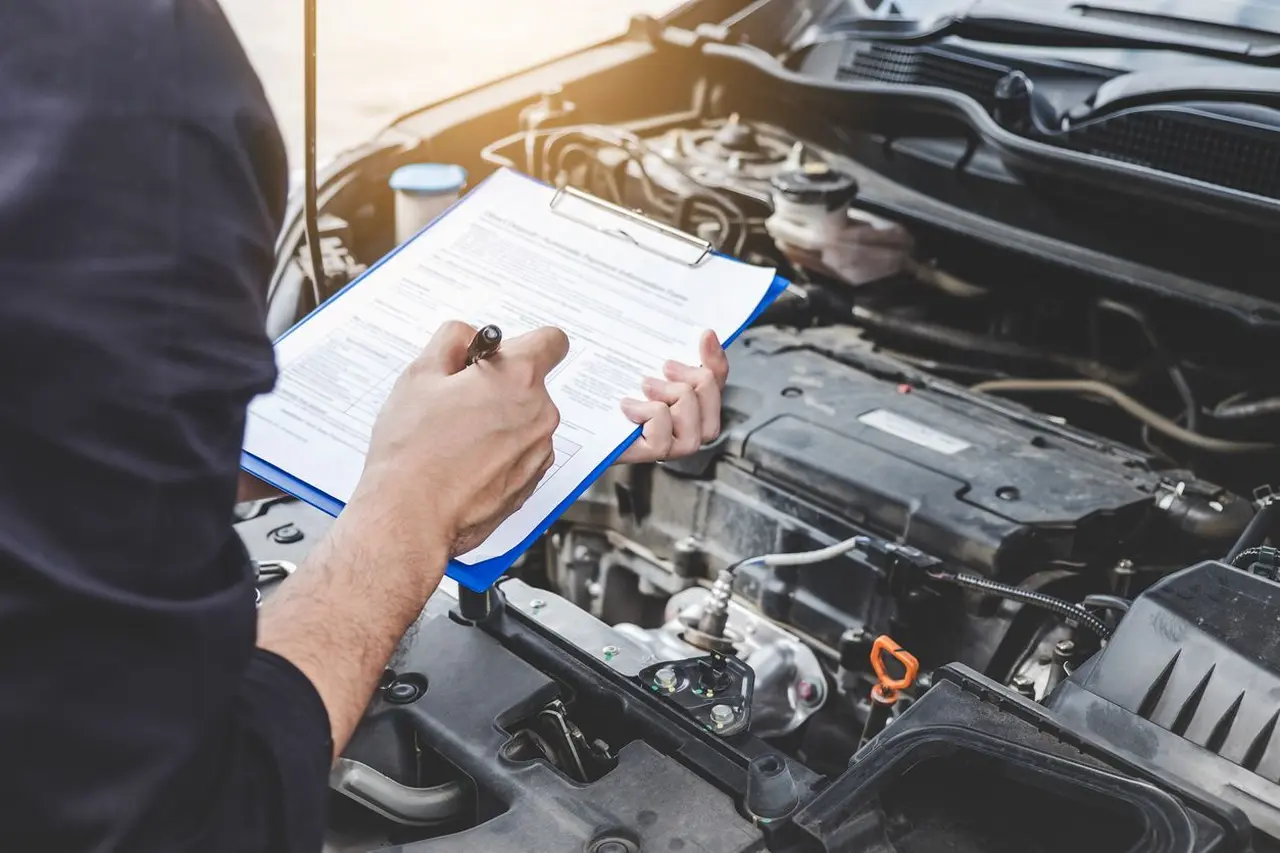
What Is a Vehicle Inspection?
A vehicle inspection is an official or regulated examination carried out to determine whether a vehicle is safe to operate on public roads and complies with applicable technical and environmental requirements.
The inspection is not simply a test of whether the engine starts and the vehicle moves. Depending on the country and vehicle type, inspectors may examine the braking system, steering, suspension, tires, lighting, safety equipment, body structure, emissions, and other components that can affect road safety.
The exact inspection procedure, frequency, and legal requirements vary from one country to another. However, the basic purpose is similar worldwide: to identify serious vehicle defects before they become a danger to the driver, passengers, or other road users.
Why Is Vehicle Inspection Important?
Vehicles are exposed to continuous wear during normal use. Brake components wear down, tires deteriorate, suspension parts develop play, lights become damaged or misaligned, and corrosion can affect structural components.
Some problems are easy for the driver to notice, while others may develop gradually without obvious symptoms.
A vehicle inspection provides an independent technical check of important safety-related systems.
The main objectives are generally to:
-
Identify dangerous mechanical defects
-
Check the effectiveness of the braking system
-
Examine steering and suspension components
-
Check tires and wheels
-
Verify the operation of lighting and signaling equipment
-
Inspect important structural and body components
-
Check required safety equipment
-
Identify excessive or unsafe emissions where applicable
-
Verify that certain vehicle modifications meet applicable requirements
The purpose is not to make every vehicle mechanically perfect. Instead, the inspection focuses on conditions that can have a significant effect on safety, environmental performance, or regulatory compliance.
What Is Checked During a Vehicle Inspection?
The inspection covers several major areas of the vehicle. The exact checklist depends on the country, vehicle category, age, fuel type, and applicable regulations.
Braking system
The brakes are among the most important components examined during an inspection.
Depending on the inspection system, braking performance, braking-force balance, brake components, hydraulic or pneumatic systems, and visible defects may be checked.
A vehicle with significantly reduced braking performance can represent a serious safety risk even if the driver does not notice the problem during normal driving.
Steering system
The steering mechanism and its associated components are examined for excessive play, damage, loose connections, or other defects that could affect directional control.
Problems involving steering joints, linkages, or other critical components can become dangerous at higher speeds.
Suspension and running gear
Suspension components, shock absorbers, springs, joints, axles, and other running-gear components may be inspected.
Excessive play, broken components, serious wear, or loose connections can affect handling, braking stability, and tire contact with the road.
Tires and wheels
Tires are checked for conditions that could make them unsafe for road use.
Depending on local regulations, inspection may consider tread depth, visible damage, deformation, excessive wear, tire condition, wheel condition, and compatibility.
A tire can look acceptable from a distance but still have problems such as sidewall damage, uneven wear, or severe aging.
Lighting and signaling
Headlights, brake lights, indicators, rear lights, license-plate illumination, and other required lighting equipment may be inspected.
It is not always enough for a light simply to turn on. Depending on the applicable rules, beam alignment, color, intensity, visibility, and correct operation may also matter.
Are the Engine and Transmission Fully Tested?
A routine vehicle inspection is not the same as a complete mechanical service or engine diagnostic.
The engine is generally not disassembled or subjected to a complete internal mechanical examination.
However, inspectors may identify visible or operational problems involving the engine compartment, fuel system, exhaust system, fluid leaks, or emissions equipment.
For example, a major fluid leak or an obvious defect that creates a safety or environmental concern may affect the inspection result.
Passing an inspection therefore does not mean that the engine or transmission is mechanically perfect.
A vehicle may pass inspection while still having problems such as:
-
Increased oil consumption
-
A developing transmission fault
-
A failing sensor
-
Internal engine wear
-
An intermittent electrical problem
-
Early turbocharger problems
-
A fault that does not affect the inspection criteria
Emissions and the Exhaust System
In many countries, vehicle inspections include some form of emissions or exhaust-system assessment.
Modern vehicles can have several emissions-control components, including:
-
Catalytic converters
-
Oxygen sensors
-
Diesel particulate filters
-
Exhaust gas recirculation systems
-
Selective catalytic reduction systems
-
NOx sensors
-
Evaporative-emission control systems
The exact requirements vary by vehicle and jurisdiction.
Removing or disabling an emissions-control component can create both environmental and legal problems. A vehicle may also fail inspection if its emissions exceed the applicable limits or if required equipment has been improperly modified.
How Are LPG Vehicles Inspected?
Vehicles equipped with LPG or another alternative fuel system may require additional checks because the fuel system contains pressurized fuel and safety-critical components.
Depending on local regulations, inspectors may consider:
-
LPG tank condition
-
Tank mounting
-
Fuel lines
-
Connections
-
Valves and safety equipment
-
Regulator installation
-
Signs of leakage
-
Electrical connections
-
Compliance of the conversion or installation
A gas leak, damaged component, poorly secured tank, or unsafe installation can create a serious safety problem.
The requirements for LPG vehicles differ considerably between countries, so owners should follow the regulations applicable to the vehicle's registration jurisdiction.
What About Modified Vehicles?
Vehicle modifications can affect inspection results if they change the vehicle's safety characteristics, technical specifications, or legally required equipment.
Examples include:
-
Suspension modifications
-
Wheel and tire changes
-
Lighting modifications
-
LPG conversions
-
Exhaust modifications
-
Tow bars
-
Structural modifications
-
Seat changes
-
Body modifications
-
Engine or powertrain modifications
Not every modification is automatically illegal or unsafe. The important issue is whether the modification complies with the technical and regulatory requirements that apply in the relevant jurisdiction.
For this reason, simply saying “the same modification passed inspection on another car” does not guarantee that it will be accepted on a different vehicle.
Can Window Tint Cause an Inspection Problem?
Window tint requirements vary significantly between countries and sometimes even between different vehicle categories.
The important factors can include:
-
Which windows are tinted
-
Visible light transmission
-
The driver's field of vision
-
Reflectivity
-
The type and certification of the film
-
Local road-traffic regulations
Front windshield and front-side-window requirements are often stricter than those for rear windows.
A tint that is acceptable in one country may not be acceptable in another. Therefore, vehicle owners should check the rules applicable to their own jurisdiction rather than relying on examples from another country.
Why Can Headlights Cause a Vehicle to Fail Inspection?
Headlights are an important part of road safety because incorrect lighting can reduce the driver's visibility or create glare for other road users.
Common inspection-related problems include:
-
Incorrect headlight alignment
-
Damaged lenses
-
Poor light output
-
Incorrect color
-
Non-functioning bulbs or LED modules
-
Improperly installed aftermarket lighting
-
Excessive glare
-
Differences between left and right lighting performance
Installing a brighter bulb or aftermarket LED does not automatically improve the vehicle's lighting system.
The complete lighting system must work correctly and provide an appropriate beam pattern.
What Are Minor and Major Defects?
Inspection systems generally classify defects according to their seriousness, although the terminology varies between countries.
A minor defect is usually a problem that does not immediately make the vehicle unsafe but should be corrected.
A major or serious defect can affect vehicle safety or regulatory compliance and may result in an inspection failure or restrictions on road use.
A critical defect represents an even more serious safety problem in systems that use such a classification.
For example, a minor lighting issue and a major brake-system failure should obviously not be treated as equivalent problems.
The exact classification depends on the inspection authority and local regulations.
What Should You Check Before a Vehicle Inspection?
A basic pre-inspection check can prevent many unnecessary failures.
Before taking the vehicle for inspection, it is worth checking:
Lights
Test headlights, high beams, indicators, brake lights, reverse lights, fog lights where applicable, and license-plate illumination.
Tires
Check tread condition, visible damage, unusual wear, tire pressure, and the general condition of the tires.
Brakes
Pay attention to unusual noises, vibration, pulling to one side, excessive pedal travel, or changes in braking performance.
Windshield and mirrors
Check for cracks or damage that could interfere with the driver's view and make sure the mirrors are secure and usable.
Seat belts
Make sure seat belts latch correctly, retract properly, and are not excessively damaged.
Fluid leaks
Look underneath the vehicle for signs of significant oil, coolant, fuel, brake-fluid, or other fluid leakage.
Horn and basic safety equipment
Check the horn and any safety equipment required by the applicable regulations.
License plates and identification
Make sure the plates are securely mounted, clearly visible, and meet the applicable requirements.
Does Passing Inspection Mean the Vehicle Is in Perfect Condition?
No.
This is one of the most important points to understand about vehicle inspections.
An inspection is based on a defined set of criteria. It is not a complete mechanical health assessment.
For example, an engine may have increased oil consumption while still passing inspection. A transmission may have an early-stage internal problem that does not affect the inspection criteria. An electronic fault may only occur intermittently and therefore not appear during the inspection.
Similarly, passing the inspection does not guarantee that the vehicle will not develop a mechanical failure shortly afterward.
A passed inspection means that the vehicle met the applicable inspection requirements at the time it was examined.
What Happens If a Vehicle Fails Inspection?
If a vehicle does not meet the required standards, the inspection report normally identifies the defects that need attention.
The owner should repair the relevant problems and, where required, return the vehicle for a reinspection.
The correct approach is to repair the underlying problem rather than temporarily hiding the symptom.
For example, if a headlight is incorrectly aligned, simply replacing the bulb may not solve the problem. If the vehicle has a braking imbalance, replacing one component without identifying the cause may not be sufficient.
A proper repair should address the actual reason for the defect.
Is Vehicle Inspection the Same as a Service?
No.
A vehicle service and a vehicle inspection have different purposes.
A service is intended to maintain the vehicle. It may include oil and filter replacement, scheduled maintenance, fluid checks, spark-plug replacement, brake servicing, or other manufacturer-recommended work.
An inspection is an independent examination based on specific safety and regulatory criteria.
A vehicle can have a recent service and still fail an inspection if it has a defect that was not corrected.
Likewise, a vehicle can pass inspection but still be due for routine maintenance.
How Often Does a Vehicle Need to Be Inspected?
There is no single worldwide inspection interval.
The required frequency depends on factors such as:
-
Country
-
Vehicle category
-
Vehicle age
-
Commercial or private use
-
Vehicle weight
-
Fuel type
-
Taxi or public-service use
-
Local legislation
Some jurisdictions require the first inspection several years after registration and then establish periodic inspections. Commercial and heavy vehicles often have more frequent inspection requirements than private passenger cars.
Therefore, vehicle owners should follow the schedule established by the authority responsible for vehicle inspections in their jurisdiction.
Why Regular Vehicle Inspection Matters
A vehicle is exposed to constant mechanical stress throughout its life. Even a well-maintained vehicle can develop problems as components age and wear.
Regular inspection helps identify defects that might otherwise remain unnoticed until they cause a breakdown or accident.
The most important systems are those directly related to road safety: brakes, steering, suspension, tires, lighting, structural components, and required safety equipment.
The real purpose of vehicle inspection should therefore not be viewed simply as “passing the test.”
A successful inspection means that the vehicle has met the defined safety and technical requirements at the time of testing. Keeping the vehicle safe afterward remains the responsibility of the owner and driver through proper maintenance, regular checks, and prompt repair of developing problems.