TR
TR EN
EN

Can I Install My LPG System in Another Vehicle or Sell It?
Removing an LPG system from one vehicle and installing it in another may seem straightforward from a technical point of view. However, in Türkiye, an LPG conversion is not simply a matter of removing a few components and installing them in another vehicle.
An LPG system is part of the vehicle’s fuel-system modification. The tank, multivalve, regulator, LPG ECU, injectors, gas lines, filters, filler connection, wiring, and other components must be considered together with the vehicle and the requirements applicable to the conversion.
For this reason, selling used LPG equipment and legally installing that equipment in another vehicle are two different matters.
Can a Used LPG System Be Installed in Another Vehicle?
Technically, many LPG components can be removed from one vehicle and physically installed in another. However, the fact that a component can be installed and made to work does not automatically mean that its use is legally acceptable.
In Türkiye, vehicle LPG conversions are treated as modifications to the vehicle. There are requirements concerning the materials and components used during such modifications, including restrictions on old, used, or non-standard materials.
Therefore, a complete LPG kit that has already been installed and registered on one vehicle should not be treated as a legal shortcut for converting another vehicle.
The situation is particularly important for safety-critical components such as the LPG tank and regulator.
Why Is an LPG System Considered Together With the Vehicle?
An LPG installation is not simply a collection of universal parts. The system must be compatible with the vehicle and installed according to the technical requirements applicable to that vehicle.
Tank installation
The tank must be suitable for the vehicle, correctly positioned, securely mounted, and installed in accordance with the applicable safety requirements.
Multivalve and connections
The multivalve is an important safety component mounted on the LPG tank. Its compatibility with the tank and the rest of the system is essential.
Regulator
The regulator must have sufficient capacity for the engine. Engine power, cylinder count, LPG system type, operating pressure, and fuel demand all affect regulator selection.
LPG injectors
Injector capacity and operating characteristics must match the engine's requirements. The fact that an injector physically fits or uses a compatible connector does not mean that it is suitable for another engine.
LPG ECU
The LPG ECU works together with the vehicle's engine management system. Injector timing, gas pressure, temperature, engine speed, and other parameters are taken into account during LPG operation.
Gas and electrical lines
Gas pipes, wiring, fuses, connectors, filters, and other components must also be correctly installed and routed.
This is why the statement “the kit works, so it will work in another vehicle” is not sufficient.
Can I Sell My LPG System?
This requires an important distinction.
Selling used LPG equipment is not the same as legally installing that equipment in another vehicle.
Some LPG components may be sold as used equipment after being removed from a vehicle. However, this does not automatically mean that the buyer can legally install those components in another road vehicle.
For example, a used LPG ECU, injector set, or other equipment can physically change ownership, but the buyer still needs to determine whether those components can legally be used during the LPG conversion of the new vehicle.
If used equipment is sold, its condition and history should be clearly stated. The buyer should verify the technical and regulatory eligibility of the equipment before attempting installation.
Can I Install the LPG Tank in Another Vehicle?
The LPG tank requires particular attention because it stores LPG under pressure and is directly related to vehicle safety.
The tank's:
-
manufacturer information,
-
serial number,
-
capacity,
-
approval information,
-
physical condition,
-
corrosion condition,
-
installation history,
-
and compatibility with the new vehicle
can all be important.
Simply saying “the tank is still in good condition, so I can use it again” is not an adequate basis for a legal installation.
The fact that a tank fits physically into another vehicle does not by itself establish that it is suitable or legally acceptable for that vehicle's LPG conversion.
Can I Reuse the Regulator in Another Vehicle?
The same principle applies to the LPG regulator.
A regulator removed from one vehicle may technically be capable of operating on another engine. However, its capacity, operating pressure, condition, and compatibility with the new LPG system must be considered.
More importantly, technical compatibility does not eliminate the requirements concerning the use of used components during a new vehicle conversion.
Therefore, a used regulator should not simply be transferred because it was previously working on an engine with a similar power output.
What About the LPG ECU and Injectors?
LPG ECUs, injectors, MAP sensors, switches, filters, and other components can generally be removed more easily than a tank.
However, there is a common misunderstanding here:
The absence of a registration record for a particular component does not automatically make its installation in another vehicle legal.
For example, a used LPG ECU may technically work with another LPG system. That does not necessarily mean it can legally be used as part of a new LPG conversion.
The same consideration applies to injectors and other components.
Technical operation and legal eligibility are separate questions.
What Happens If I Remove the LPG System?
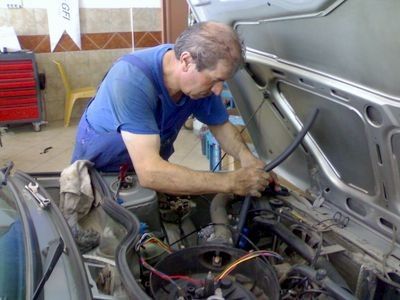
An LPG system can be removed from a vehicle, but the process should be carried out properly.
Even when the tank is considered “empty,” LPG equipment can still contain vapor. The tank, gas lines, regulator, injectors, LPG ECU, electrical wiring, filler connection, and other components therefore need to be handled safely.
The vehicle may also require its modification records to be updated according to the applicable administrative procedure after the LPG system has been removed.
For this reason, LPG removal should be performed by a qualified and experienced LPG conversion facility rather than as a simple DIY parts-removal job.
Is It Better to Sell the LPG System as Individual Parts?
There is an important difference between selling a complete used LPG kit as a “ready-to-install kit” and selling individual used components.
If a complete system is advertised as ready to be installed in another vehicle, the buyer may assume that the entire kit can simply be transferred legally.
A more accurate approach is to identify the equipment according to its actual condition, for example:
Used LPG ECU
Used LPG injectors
Used LPG regulator
Removed LPG tank
The buyer should then determine whether the particular component can legally and technically be used in the intended vehicle.
Selling a component does not automatically authorize its installation.
What Should You Check When Buying a Used LPG System?
If someone is considering purchasing an LPG system removed from another vehicle, the first question should not simply be whether the kit will physically fit.
The following points should be checked:
LPG system brand and model
Regulator capacity
Injector type and flow rate
LPG ECU compatibility
Tank capacity and approval information
Tank condition
Component history
Compatibility with the engine
Requirements for the new vehicle's LPG conversion
Most importantly, the legal and technical suitability of the components should be confirmed with an authorized LPG conversion facility before installation.
What Should Be Done When Installing LPG on Another Vehicle?
If another vehicle needs an LPG system, the safest approach is to have a system selected specifically for that vehicle rather than attempting to transfer an entire used kit from another car.
The LPG system should be compatible with the engine's:
-
cylinder count,
-
power output,
-
injection system,
-
engine type,
-
turbocharging or naturally aspirated configuration,
-
and, where applicable, direct-injection technology.
The installation should then be completed according to the applicable technical and administrative requirements.
The objective is not merely to make the engine run on LPG. The conversion must also be technically correct, safe, and compliant with the applicable vehicle regulations.
Can a Used LPG Kit Be Sold Legally?
The key point is that the sale of used equipment and its legal reuse are separate issues.
A person may be able to sell equipment removed from a vehicle as used LPG equipment. However, the buyer cannot assume that the same equipment can automatically be installed in another road vehicle.
In particular, the historical practice and regulatory framework surrounding LPG conversions in Türkiye have treated used, removed, or non-standard components as a significant issue. Therefore, a seller should not advertise a removed LPG system as though it were automatically approved for installation in another vehicle.
The buyer should check the current requirements before purchasing the equipment for reuse.
The Important Difference Between “Can Be Installed” and “Can Be Used Legally”
This is probably the most important point of the entire subject.
A used LPG component may be:
physically installable,
technically functional,
and still not be legally acceptable for use in another vehicle's LPG conversion.
These three questions should never be treated as the same thing.
The same principle applies to the tank, regulator, ECU, injectors, gas lines, and other components.
What Is the Safest Approach?
If an LPG system is being removed from one vehicle because the vehicle is being scrapped, sold, converted back to gasoline, or otherwise taken out of LPG service, the system should not simply be transferred to another vehicle as a complete used kit.
If the equipment is going to be sold, it should be accurately described as used and removed LPG equipment.
If another vehicle needs LPG, the appropriate system should be selected for that vehicle and installed according to the applicable requirements.
This avoids a situation where a component appears technically suitable but later creates problems during inspection, documentation, registration, or safety checks.
In Practical Terms
The simple answer is:
Can the LPG system physically be removed from one vehicle and installed in another?
Yes, many components can physically be transferred.
Does that mean the transfer is automatically legal?
No.
Can used LPG components be sold?
They may be sold as used equipment, but the sale does not automatically make them legally reusable in another vehicle.
Can a complete LPG kit simply be moved to another vehicle as a shortcut?
It should not be treated as a legally valid shortcut for a new LPG conversion.
Is the tank or regulator situation especially sensitive?
Yes. These are safety-critical components and should not be transferred to another vehicle simply because they appear to be in good condition.
The main rule is therefore simple: a used LPG system may have resale value, but resale should not be confused with legal reinstallation. For another vehicle, the LPG conversion should be evaluated as a new vehicle modification, with the appropriate technical, safety, inspection, and documentation requirements taken into account.