TR
TR EN
EN

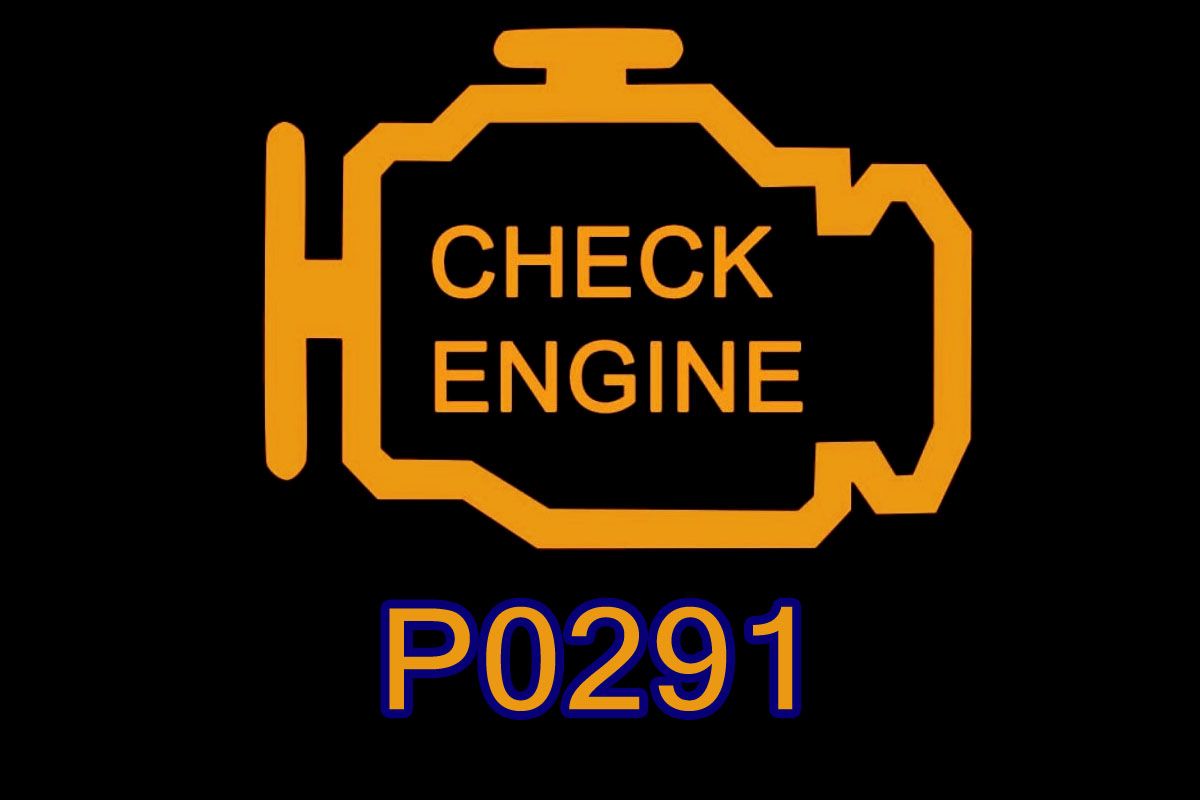
P0291 Cylinder 11 Injector Circuit Low
P0291 is an OBD-II diagnostic trouble code indicating that the engine control module (ECM/PCM) has detected an abnormally low electrical condition in the fuel injector circuit for cylinder 11.
The word “Low” is important here. This code primarily concerns the electrical control circuit of the cylinder 11 injector, not necessarily low fuel pressure, low injector flow, or a lean mixture.
The injector itself may be faulty, but the problem can also be caused by wiring, connectors, power supply, the injector control circuit, or the ECU's injector driver.
What Does P0291 Actually Mean?
Modern engine control units control each injector electrically.
Depending on the engine design, the injector circuit may include:
-
Fuel injector for cylinder 11
-
Injector power supply
-
Injector control wire
-
Wiring harness
-
Electrical connector
-
Fuse or relay where applicable
-
ECU/PCM injector driver
When the ECU detects that the electrical condition of this circuit is lower than the expected range, it can store P0291.
The exact electrical strategy varies between manufacturers. Therefore, “low” should not be interpreted as one universal voltage value.
The ECU may be monitoring voltage, current, driver behavior, or another electrical characteristic of the injector circuit.
Cylinder 11 Must Be Identified Correctly
The location of cylinder 11 depends on the engine's cylinder-numbering system.
This code is generally relevant to engines with enough cylinders to have a cylinder 11 designation, such as certain V12 engines.
Do not assume that cylinder 11 is physically the eleventh cylinder from a particular end of the engine.
Always check the manufacturer's cylinder-numbering diagram before testing the injector or its wiring.
What Causes P0291?
Several electrical and mechanical conditions can result in this code.
Faulty fuel injector
The injector itself can develop an internal electrical fault.
Possible problems include:
-
Internal coil failure
-
Shorted injector winding
-
Excessive electrical load
-
Internal open circuit
-
Damaged injector
-
Incorrect injector specification
An injector can therefore be the cause of P0291, but it should not be condemned without testing.
Damaged injector wiring
The wiring between the ECU and injector can develop an electrical problem.
Possible causes include:
-
Broken wire
-
Partially broken conductor
-
Chafed insulation
-
Short to ground
-
High resistance
-
Damaged harness
-
Heat damage
-
Previous repair with a poor connection
A wire that appears intact visually can still have an electrical problem under load.
Poor injector connector
The connector at cylinder 11's injector is another important inspection point.
Look for:
-
Corroded terminals
-
Loose terminals
-
Bent pins
-
Poor terminal tension
-
Water intrusion
-
Oil contamination
-
Damaged locking mechanism
An intermittent or high-resistance connection can alter the injector's electrical behavior.
Power supply problem
Some injector systems share a common power supply.
A fuse, relay, wiring connection, or power distribution problem can therefore affect injector operation.
If several injector-related codes appear at the same time, a shared power supply or common circuit should be investigated.
Short circuit
A short to ground or another circuit can cause the ECU to detect an abnormally low electrical condition.
The exact effect depends on how the injector circuit is designed.
This is one reason the manufacturer's wiring diagram is essential for accurate diagnosis.
ECU injector driver problem
The ECU contains electronic drivers that control the injectors.
A damaged injector driver can cause P0291, but this should generally be considered only after the injector, wiring, connectors, power supply, and control circuit have been properly tested.
Replacing an ECU simply because an injector circuit code is present can lead to an unnecessary and expensive repair.
Does P0291 Mean Low Fuel Pressure?
No.
P0291 specifically refers to a low electrical condition in the cylinder 11 injector circuit.
It does not directly mean:
-
Low fuel pressure
-
Low injector flow
-
Low fuel level
-
Low fuel pressure at the rail
-
A clogged fuel filter
-
A lean mixture
Fuel pressure can certainly affect injector operation and engine performance, but a fuel-pressure problem should be diagnosed separately.
If the vehicle also has a fuel-pressure DTC, both problems should be investigated.
Does P0291 Mean the Injector Is Clogged?
Not necessarily.
A clogged injector is primarily a mechanical fuel-flow problem.
P0291 is an electrical circuit diagnosis.
A severely restricted injector could cause poor cylinder performance or a misfire, but that does not automatically create a circuit-low code.
Conversely, an injector with an electrical problem may trigger P0291 even if its fuel passages are clean.
Symptoms of P0291
The symptoms depend on the engine and how severely cylinder 11's injector operation is affected.
Possible symptoms include:
-
Check Engine Light
-
Rough idle
-
Engine vibration
-
Misfire
-
Hesitation
-
Poor acceleration
-
Reduced engine power
-
Poor throttle response
-
Increased fuel consumption
-
Hard starting
-
Engine stalling
-
Uneven engine operation
-
Increased exhaust smoke on some diesel engines
If the injector is completely disabled, the symptoms can be considerably more severe.
On an engine with many cylinders, the driver may notice only a small change at first because the remaining cylinders can continue producing power.
Can P0291 Cause a Misfire?
Yes.
If the injector for cylinder 11 cannot operate correctly because of an electrical problem, cylinder 11 may receive insufficient fuel or no fuel at all.
That can cause a misfire.
The vehicle may also store additional codes, such as a cylinder-specific misfire code or a contribution/balance code.
For example, P0293 – Cylinder 11 Contribution / Balance Fault can be relevant if the electrical injector problem causes cylinder 11 to produce less power than expected.
However, the presence of a misfire code does not eliminate the need to diagnose the injector circuit itself.
How Is P0291 Diagnosed?
A proper diagnosis should begin with the electrical circuit rather than immediately replacing the injector.
1. Scan for all DTCs
First, check all current, pending, and stored codes.
Pay particular attention to:
-
Other injector circuit codes
-
Cylinder-specific misfire codes
-
Fuel-pressure codes
-
Battery/charging voltage codes
-
ECU communication or power-supply codes
Multiple injector circuit codes can point toward a common electrical problem rather than one defective injector.
2. Check freeze-frame data
Freeze-frame information can show the operating conditions when P0291 was detected.
Useful information includes:
-
Engine RPM
-
Engine temperature
-
Engine load
-
Battery voltage
-
Fuel pressure
-
Vehicle speed
-
Injector-related parameters
This can help determine whether the fault occurs during starting, idle, acceleration, or high engine load.
3. Inspect the cylinder 11 injector connector
Inspect the connector carefully before performing more invasive tests.
Look for:
-
Corrosion
-
Loose pins
-
Bent terminals
-
Broken locking tabs
-
Oil
-
Water
-
Damaged wiring near the connector
Terminal tension can be particularly important because a connector may look normal while failing to maintain a reliable electrical connection.
4. Inspect the wiring harness
Follow the injector wiring back toward the ECU.
Look for:
-
Chafing
-
Melted insulation
-
Broken conductors
-
Previous repairs
-
Pinched wiring
-
Contact with engine components
-
Corrosion
-
Harness damage caused by vibration
A wiggle test can sometimes reveal an intermittent wiring problem, although it should be performed carefully.
5. Verify the injector power and control circuit
Using the vehicle's wiring diagram, determine how the injector receives power and how the ECU controls it.
The circuit should be tested for:
-
Correct power supply
-
Correct control signal
-
Shorts to ground
-
Shorts to power
-
Unwanted resistance
-
Continuity where appropriate
-
Voltage drop
There is no single voltage or resistance value that applies to every injector system.
6. Test the injector
The injector should be tested according to the manufacturer's procedure.
Depending on the system, this can involve:
-
Resistance measurement
-
Current draw testing
-
Injector activation testing
-
Oscilloscope waveform analysis
-
Injector balance testing
-
Flow testing
A resistance test alone does not always prove that an injector is good.
An injector can have acceptable resistance while behaving incorrectly under actual operating conditions.
7. Compare with another cylinder
If the engine design allows it, comparison with another injector circuit can be extremely useful.
On systems with interchangeable injectors, swapping components may help determine whether the fault follows the injector.
However, some modern injectors require calibration or coding after replacement, so the manufacturer's procedure must be followed.
8. Check ECU driver operation
Only after the injector and external wiring have been verified should the ECU's injector driver become a major suspect.
Oscilloscope or current-waveform testing can provide much stronger evidence than simply assuming that the ECU is defective.
Why Wiring Should Not Be Overlooked
Injector wiring operates in a harsh environment.
The harness is exposed to:
-
Engine vibration
-
High temperatures
-
Oil
-
Fuel
-
Moisture
-
Mechanical movement
A conductor can break internally while its insulation remains intact.
Similarly, a connector terminal can develop enough resistance to interfere with injector operation without looking obviously damaged.
This is why a visual inspection alone is not enough to diagnose P0291.
P0291 vs. P0293
These codes can be closely related but describe different observations.
P0291 – Cylinder 11 Injector Circuit Low
The ECU has detected an abnormal electrical condition in the cylinder 11 injector circuit.
P0293 – Cylinder 11 Contribution / Balance Fault
The ECU has detected that cylinder 11 is not contributing the expected amount of power compared with the other cylinders.
For example, an injector electrical fault could trigger P0291 and subsequently cause cylinder 11 to contribute less power, resulting in P0293.
P0291 vs. P0296
These codes concern different cylinders.
P0291 refers to a low electrical condition in the cylinder 11 injector circuit.
P0296 refers to a cylinder 12 contribution/balance fault.
They should not be confused simply because both involve fuel delivery and cylinder operation.
P0291 vs. a Misfire Code
P0291 identifies an injector circuit electrical problem.
A misfire code identifies a combustion problem.
The electrical injector fault can cause the misfire, but other faults can also produce a misfire.
This distinction is important because repairing the misfire symptom without correcting the injector circuit can leave P0291 active.
Can You Drive With P0291?
It depends on how the engine is operating.
If the engine runs relatively smoothly and the Check Engine Light is steady, a short trip to a repair facility may be possible.
However, continued driving is not recommended if the engine has:
-
Severe shaking
-
Significant power loss
-
Stalling
-
A flashing Check Engine Light
-
Heavy exhaust smoke
-
Strong fuel smell
-
Severe misfire
-
Abnormal engine operation
A severe misfire can damage the catalytic converter on gasoline engines.
On diesel engines, prolonged combustion problems can also increase emissions and potentially create additional stress for the exhaust aftertreatment system.
The Right Way to Fix P0291
P0291 is an injector circuit code, not an automatic injector replacement code.
The correct repair depends on what testing reveals.
If the injector is electrically defective, it may need to be replaced. If the problem is caused by a damaged connector or wiring harness, repairing the circuit may solve the problem. If the external circuit is correct but the ECU is not controlling the injector properly, the ECU driver may require further investigation.
The most reliable approach is to follow the circuit from the injector back to the ECU, verify power and control signals, check the wiring under realistic conditions, and test the injector itself before replacing expensive components.