TR
TR EN
EN

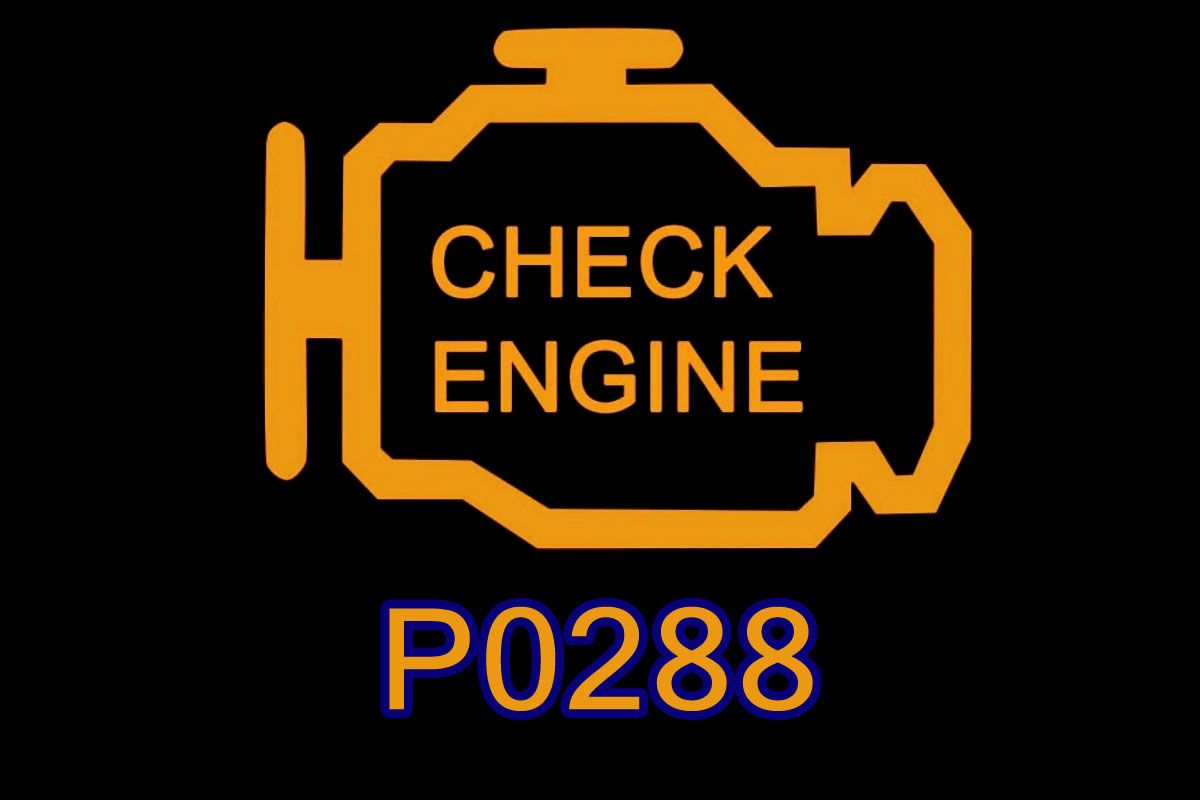
P0288 Cylinder 10 Injector Circuit Low
The P0288 trouble code means that the engine control module (ECM/PCM) has detected an abnormally low electrical condition in the fuel injector circuit for cylinder #10.
This is primarily an electrical injector-circuit fault. It does not automatically mean that the injector is clogged or that cylinder #10 has a mechanical engine problem.
The important distinction is:
P0288 indicates that the electrical signal or voltage in the cylinder #10 injector circuit is lower than expected. It does not, by itself, identify the failed component.
What Does “Circuit Low” Mean?
The word “Low” refers to the electrical condition of the injector circuit.
It does not mean:
-
Low fuel pressure
-
Low engine RPM
-
Low fuel quantity
-
Low compression
-
Low injector flow
On many engines, the injector receives a power supply and the ECM controls the injector through a separate circuit.
If the ECM detects an electrical condition below its expected threshold, it can store P0288.
The exact injector-control strategy differs between gasoline and diesel engines, so testing should always follow the manufacturer's wiring diagram and specifications.
Cylinder #10 Must Be Identified Correctly
P0288 refers to cylinder #10, but its physical position depends on the engine manufacturer's cylinder-numbering system.
This is particularly important on large V-type engines.
Do not assume that cylinder #10 is simply the tenth cylinder from the front.
Before beginning diagnosis, confirm the exact location of cylinder #10 using the manufacturer's service information.
Common Causes of P0288
Possible causes include:
-
Faulty cylinder #10 injector
-
Open injector circuit
-
Short to ground
-
Damaged injector wiring
-
Corroded connector
-
Loose injector terminal
-
Poor electrical connection
-
Internal injector failure
-
Low injector supply voltage
-
Damaged engine harness
-
Shared injector power-supply problem
-
ECM injector-driver fault
-
Incorrect previous wiring repair
The correct diagnosis requires determining whether the problem is inside the injector or somewhere in the circuit controlling it.
P0288 Does Not Automatically Mean the Injector Is Bad
Replacing the injector immediately is one of the easiest ways to spend money without solving P0288.
For example, suppose the injector wiring has an internal break.
The ECM may see an abnormal low electrical condition and store P0288.
Replacing the injector will accomplish nothing because the actual problem is the wiring.
Similarly, a poor terminal connection inside the injector connector can create enough resistance or instability to trigger the code.
Inspect the Injector Connector
Start with a careful inspection of the cylinder #10 injector connector.
Look for:
-
Corrosion
-
Bent terminals
-
Loose terminals
-
Terminals pushed backward
-
Broken locking tabs
-
Water intrusion
-
Oil contamination
-
Damaged wires near the connector
-
Evidence of previous repairs
A connector can appear visually normal while a terminal inside has lost its proper tension.
This can create an intermittent P0288 that appears only when the engine vibrates or reaches a certain temperature.
Inspect the Wiring Harness
Follow the injector wiring from cylinder #10 toward the ECM.
Pay particular attention to areas where the harness can rub against:
-
Engine brackets
-
Metal components
-
Exhaust components
-
Other wiring
-
Moving parts
Look for:
-
Broken insulation
-
Chafed wires
-
Melted wiring
-
Pinched harness sections
-
Broken conductors
-
Incorrect repairs
-
Corrosion
A short to ground or excessive resistance in the control circuit can produce a circuit-low condition.
Check the Injector Power Supply
Many engines use a common power supply for several injectors.
If P0288 is accompanied by other injector circuit codes, determine whether the affected injectors share a common:
-
Fuse
-
Relay
-
Power feed
-
Harness
-
Ground
-
Electrical connection
If several injectors suddenly report circuit faults, it is less likely that all of the injectors independently failed at exactly the same time.
A shared electrical problem may be responsible.
Check for a Short to Ground
Because P0288 is a circuit-low code, a short to ground is one of the possibilities that should be investigated.
If the injector control wire is unintentionally connected to ground, the ECM can detect an electrical condition lower than expected.
Possible causes include:
-
Damaged insulation
-
Harness chafing
-
Incorrect wiring repair
-
Connector damage
-
Internal harness failure
The exact test procedure depends on the injector-control architecture.
Electrical Testing Should Follow the Wiring Diagram
Before measuring voltage or resistance, determine exactly how the injector is controlled.
The wiring diagram can identify:
-
Injector power terminal
-
Injector control terminal
-
ECM connector and pin
-
Shared power circuits
-
Ground paths
-
Fuse/relay locations
The expected electrical values are not universal.
A conventional gasoline injector and a modern common-rail diesel injector can use very different electrical control strategies.
Therefore, there is no single voltage or resistance value that applies to every vehicle with P0288.
Check for Excessive Resistance
An injector circuit can have an electrical problem even when there is no obvious open circuit.
For example, corrosion inside a connector may introduce excessive resistance.
That resistance can cause:
-
Voltage drop
-
Reduced injector control
-
Intermittent operation
-
Incorrect current flow
-
P0288
Voltage-drop testing under the appropriate operating conditions can be more informative than simply checking continuity with the circuit inactive.
Test the Injector
Once the wiring and connector have been checked, the injector itself should be tested.
Possible injector electrical faults include:
-
Open internal winding
-
Internal short
-
Abnormal resistance
-
Intermittent internal connection
-
Heat-related electrical failure
A resistance test can provide useful information, but it should not be considered a complete injector diagnosis.
An injector may have acceptable electrical resistance while still suffering from a mechanical fuel-delivery problem.
Gasoline and Diesel Injectors Are Different
P0288 can occur on different types of engines, but the diagnostic approach can differ considerably.
On a gasoline engine, the injector may be a conventional port or direct injector with one type of electrical control.
On a modern diesel engine, common-rail injectors can use sophisticated high-speed driver strategies.
The technician should therefore avoid applying gasoline-injector testing procedures to a diesel common-rail system without confirming that they are appropriate.
Use an Oscilloscope When Necessary
If the problem is intermittent or the basic electrical tests are inconclusive, an oscilloscope can provide valuable information.
Comparing the cylinder #10 injector waveform with another known-good injector can reveal:
-
Missing control events
-
Abnormal voltage
-
Incorrect switching
-
Electrical noise
-
Driver abnormalities
-
Wiring interruptions
-
Differences in injector behavior
The exact waveform depends on the engine and injector system.
Can P0288 Cause a Misfire?
Yes.
If cylinder #10's injector is not being controlled correctly, the cylinder may receive insufficient fuel or may not receive fuel at all.
This can cause:
-
Rough idle
-
Engine vibration
-
Hesitation
-
Poor acceleration
-
Reduced power
-
Increased fuel consumption
-
Cylinder-specific misfire
A separate misfire code such as P0311 – Cylinder #10 Misfire Detected may appear on systems that use that particular code structure.
The two codes describe different problems:
P0288: Electrical problem in the cylinder #10 injector circuit.
P0311: Combustion misfire detected in cylinder #10.
P0288 vs P0287
These codes describe opposite electrical conditions for the same injector.
P0287 – Cylinder 10 Injector Circuit High
The ECM detects a higher-than-expected electrical condition.
P0288 – Cylinder 10 Injector Circuit Low
The ECM detects a lower-than-expected electrical condition.
“High” and “Low” refer to the electrical signal, not fuel pressure or injector flow.
P0288 vs P0290
The distinction between these two codes is particularly useful.
P0288 – Cylinder 10 Injector Circuit Low
The ECM has detected an electrical problem in the cylinder #10 injector circuit.
P0290 – Cylinder 10 Contribution / Balance Fault
The ECM has determined that cylinder #10 is not contributing the expected amount of power compared with the other cylinders.
P0288 is therefore primarily an electrical circuit diagnosis, while P0290 is primarily a cylinder performance/contribution diagnosis.
A circuit problem represented by P0288 can potentially lead to P0290 if the injector is unable to deliver the required fuel.
What If P0288 Appears With P0290?
If both codes are present, the relationship between them becomes important.
For example:
P0288 → injector circuit electrical problem → incorrect injector operation → reduced cylinder #10 contribution → P0290
This is only one possible chain, but it makes the injector circuit a high-priority area for investigation.
Repairing the electrical fault and then clearing the codes can determine whether the contribution problem disappears as well.
What If Other Injector Codes Are Present?
Several injector circuit codes appearing together should immediately raise suspicion of a common electrical problem.
Investigate:
-
Injector power supply
-
Fuse
-
Relay
-
Engine harness
-
ECM power and ground
-
Common connectors
If only P0288 is present, a cylinder-specific fault becomes more likely.
P0288 After Engine Repairs
If the code appeared immediately after engine work, don't overlook the wiring harness.
Engine repairs can result in:
-
Pinched wiring
-
Incorrect harness routing
-
Unconnected injector connectors
-
Partially locked connectors
-
Damaged terminals
-
Wiring touching hot components
A connector that was not fully seated can cause an intermittent injector fault that may initially look like an injector failure.
Intermittent P0288
An intermittent code can be especially difficult to diagnose.
If the engine runs normally most of the time but P0288 appears occasionally, inspect for:
-
Harness movement
-
Connector terminal tension
-
Heat-related wiring faults
-
Vibration-related connections
-
Internal wire breaks
A wiggle test, performed carefully and according to appropriate diagnostic procedures, can sometimes reveal a wiring problem.
The circuit should ideally be monitored with scan data or electrical test equipment while the fault is being reproduced.
Could the ECM Be Faulty?
Yes, but the ECM should normally be considered only after the external circuit and injector have been proven good.
The ECM contains the electronic driver responsible for controlling the injector.
If the following have all been verified:
-
Injector is good
-
Power supply is correct
-
Wiring is intact
-
Connector terminals are correct
-
No short to ground exists
-
No excessive resistance exists
-
Control signal is abnormal
then the ECM injector driver may require further testing.
Replacing the ECM simply because P0288 remains is not a proper first-line repair.
A Practical Diagnostic Order for P0288
A systematic diagnostic process is:
-
Scan all stored and pending DTCs.
-
Confirm the physical location of cylinder #10.
-
Check freeze-frame data.
-
Check for other injector and misfire codes.
-
Inspect the cylinder #10 injector connector.
-
Inspect the entire injector wiring harness.
-
Identify the injector power and control circuits using the wiring diagram.
-
Verify the injector's power supply.
-
Check the control circuit for shorts to ground.
-
Check for excessive resistance and voltage drop.
-
Test the injector's electrical characteristics.
-
Compare its circuit behavior with a known-good injector where appropriate.
-
Use an oscilloscope if the fault is intermittent or difficult to isolate.
-
Perform injector flow or balance testing if the electrical circuit is proven good but fuel delivery remains questionable.
-
Investigate the ECM injector driver only after the injector and external wiring have been confirmed good.
-
Repair the confirmed fault and verify the code does not return.
Is P0288 Serious?
P0288 should not be ignored.
If the injector is not operating correctly, cylinder #10 may experience poor or incomplete combustion.
Possible consequences include:
-
Rough engine operation
-
Reduced power
-
Increased emissions
-
Increased fuel consumption
-
Additional misfire codes
-
Catalytic-converter damage on gasoline engines
-
Potential engine damage in severe cases
If the engine is running very roughly or the Check Engine Light is flashing, continued driving should be minimized until the fault is diagnosed.
Final Diagnostic Summary
P0288 – Cylinder 10 Injector Circuit Low means that the ECM has detected an abnormally low electrical condition in the fuel injector circuit for cylinder #10.
The most likely areas to investigate are:
-
Injector connector
-
Injector wiring
-
Short to ground
-
Excessive circuit resistance
-
Injector electrical condition
-
Shared injector power supply
-
ECM injector driver
The code does not automatically mean that the injector itself must be replaced.
The correct approach is to determine whether the low electrical condition originates from the injector, connector, wiring, power supply, or ECM control circuit.
Once the exact electrical fault is identified and repaired, the engine should be tested again to confirm that P0288—and any resulting cylinder-performance or misfire codes—remain cleared.