TR
TR EN
EN

What Is a Valve Guide? What Are the Symptoms of Valve Guide Failure?
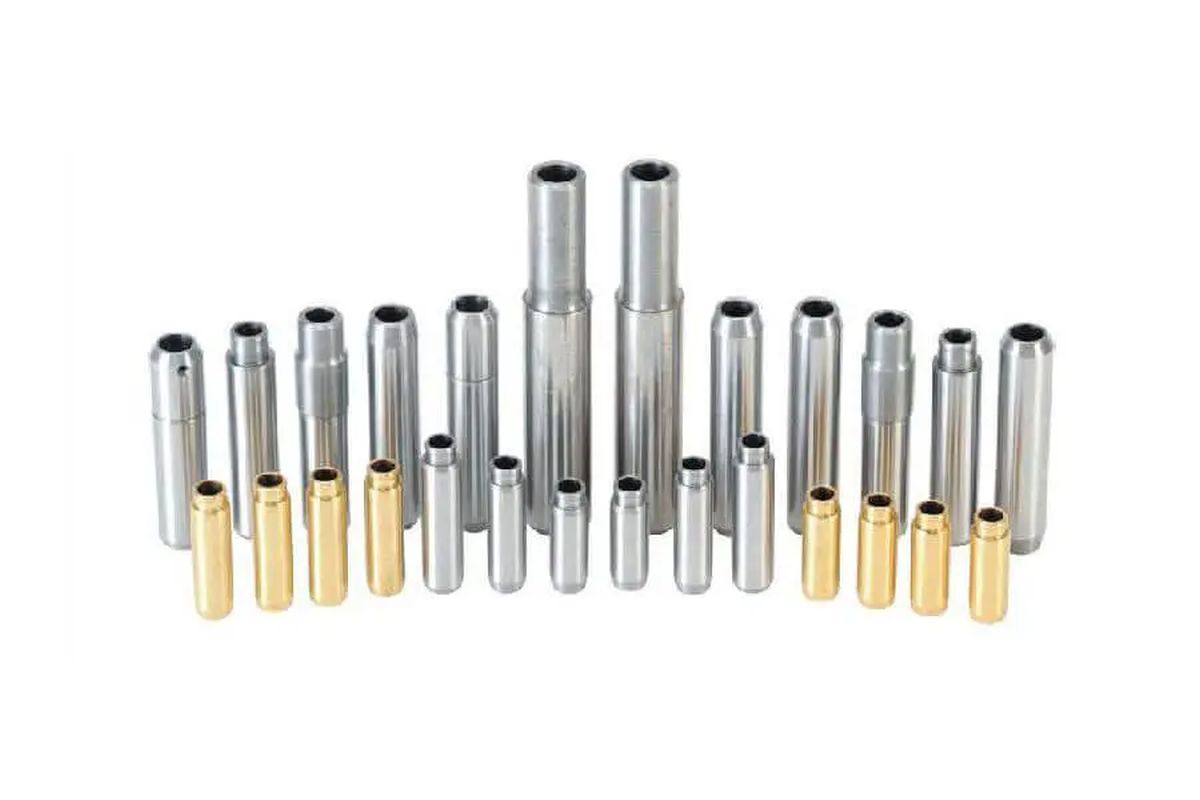
The valve guide is a small but critical component located inside the cylinder head of an internal combustion engine. Its main job is to guide the valve stem as the intake and exhaust valves move up and down.
Although the valve guide is not a component that most drivers see or think about, its condition has a direct effect on valve movement, oil control, combustion quality, compression, and engine durability.
A worn or damaged valve guide can allow excessive movement between the valve stem and guide. This can lead to oil entering the combustion chamber, increased oil consumption, blue exhaust smoke, poor compression, misfires, and accelerated wear of other valve-train components.
What Is a Valve Guide?
A valve guide is a cylindrical sleeve installed in the cylinder head. The valve stem passes through the guide, which keeps the valve aligned correctly as it opens and closes.
The valve itself must move along a very precise path. The guide prevents excessive lateral movement while allowing the valve to move freely along its axis.
A typical valve guide works together with several other components:
-
Intake or exhaust valve
-
Valve stem
-
Valve stem seal
-
Valve seat
-
Valve spring
-
Retainer
-
Rocker arm or camshaft mechanism
-
Cylinder head
The valve guide and valve stem have a carefully controlled clearance. This clearance must be large enough to allow lubrication and thermal expansion but small enough to prevent excessive valve movement.
Where Is the Valve Guide Located?
Valve guides are installed in the cylinder head.
The valve stem passes through the guide from the valve-train side toward the combustion chamber. The valve head then seals against the valve seat when the valve is closed.
Because the guide is located inside the cylinder head, it is not normally visible without removing the relevant valve-train components.
Accessing and replacing valve guides generally requires significant cylinder-head disassembly.
What Does a Valve Guide Do?
The valve guide performs several important functions.
It keeps the valve aligned
The guide prevents the valve stem from moving excessively from side to side.
It supports accurate valve operation
The valve must contact its seat correctly every time it closes. Excessive guide clearance can cause the valve to move away from its intended path.
It helps control lubrication
A small amount of lubrication is necessary around the valve stem. The valve guide and valve stem seal work together to control how much oil reaches the stem.
It helps transfer heat
The valve guide also contributes to transferring heat from the valve stem into the cylinder head.
This is particularly important for exhaust valves, which operate at very high temperatures.
What Happens Inside a Valve Guide?
During engine operation, the valve repeatedly moves through the guide.
For example, an intake valve may open and close thousands of times during normal engine operation.
The valve stem slides inside the guide while receiving lubrication.
The guide must therefore withstand:
-
High temperature
-
Continuous movement
-
Friction
-
Lubrication conditions
-
Thermal expansion
-
Vibration
-
Repeated mechanical loading
Over time, the guide and valve stem can wear.
The resulting clearance may gradually increase until the valve is no longer adequately supported.
What Causes Valve Guide Wear?
Valve guide wear can occur for several reasons.
Normal Wear and High Mileage
One of the most common causes is simply long-term engine operation.
Every opening and closing cycle creates movement between the valve stem and guide. After many years and hundreds of thousands of cycles, wear can increase the clearance.
High-mileage engines are therefore more likely to experience valve guide problems.
Poor Lubrication
Insufficient lubrication can accelerate wear.
Possible causes include:
-
Low engine oil level
-
Incorrect oil viscosity
-
Poor-quality or degraded oil
-
Extended oil-change intervals
-
Restricted oil passages
-
Sludge contamination
-
Excessive engine temperature
A valve guide operates in a demanding environment, so proper lubrication is important for long service life.
Excessive Engine Temperature
Repeated overheating can accelerate wear and damage in the cylinder head.
Extreme temperatures can affect the dimensions and hardness of valve-train components and may contribute to abnormal valve guide clearance.
An engine that has experienced serious overheating should therefore be inspected carefully if valve-train problems develop afterward.
Incorrect Valve Guide Clearance
Valve guides are designed with specific dimensional tolerances.
If the clearance between the valve stem and guide is too large, the valve can move excessively.
If the clearance is too tight, the valve stem may not move freely when the engine reaches operating temperature.
Both conditions can cause problems.
Poor-Quality Replacement Components
If an engine has previously been rebuilt, improperly manufactured or incorrectly specified valve guides can cause premature wear.
The replacement guide must match the engine's design and dimensions.
Correct installation and final machining are also important.
Valve Guide Installation Problems
Valve guides must be installed correctly and, depending on the engine design, may require specific machining after installation.
If the guide is not installed to the correct position or the internal diameter is not within specification, valve operation can be affected.
What Are the Symptoms of Valve Guide Failure?
Valve guide problems can produce several symptoms.
However, these symptoms can overlap with worn valve stem seals, piston rings, cylinder wear, turbocharger problems, or other engine faults.
A proper diagnosis is therefore necessary.
Blue Smoke From the Exhaust
Blue or blue-gray exhaust smoke is one of the most recognizable symptoms of oil entering the combustion chamber.
A worn valve guide can allow excessive oil movement along the valve stem.
If engine oil reaches the combustion chamber, it can burn with the air-fuel mixture and produce blue smoke.
The amount and timing of the smoke can provide diagnostic clues.
Increased Engine Oil Consumption
A worn valve guide can contribute to increased oil consumption.
The engine may gradually use more oil without an obvious external oil leak.
If the oil level repeatedly drops and there is no visible leak underneath the vehicle, internal oil consumption should be investigated.
However, valve guide wear is only one possible cause.
Other possibilities include:
-
Piston ring wear
-
Cylinder wear
-
Turbocharger oil leakage
-
Crankcase ventilation problems
-
Valve stem seal failure
-
External oil leaks
Smoke After the Engine Has Been Idling
If the engine produces blue smoke after sitting at idle for a while and then accelerating, valve-stem-related oil leakage can be one possible cause.
During certain operating conditions, oil can accumulate around the valve stem area and enter the combustion chamber.
However, this symptom alone cannot distinguish valve guide wear from valve stem seal problems.
Smoke During Deceleration and Acceleration
Oil-control problems around the valve train can sometimes produce blue smoke during specific changes in engine load.
For example, smoke may become noticeable after a period of engine braking followed by acceleration.
This occurs because intake vacuum and pressure conditions can change oil movement through the valve stem area.
Again, piston rings and other internal engine problems can produce similar symptoms.
Rough Engine Idle
Severe valve guide wear can affect valve movement and sealing.
If the valve cannot consistently seat correctly, combustion quality may be affected.
The result can include:
-
Rough idle
-
Engine vibration
-
Misfires
-
Uneven engine operation
However, rough idle has many possible causes, including ignition faults, injector problems, vacuum leaks, compression problems, and sensor faults.
Engine Misfires
A valve that does not seat correctly can cause combustion problems.
If excessive guide clearance contributes to poor valve alignment or valve-seat contact, cylinder sealing may deteriorate.
The engine may then develop misfires.
Depending on the vehicle, diagnostic trouble codes such as P0300 or cylinder-specific misfire codes may be stored.
A misfire code does not prove valve guide failure. Ignition, fuel delivery, compression, and other causes must also be investigated.
Reduced Engine Compression
The valve must seal properly against its valve seat when closed.
Severe valve guide wear can contribute to poor valve seating and therefore reduced compression.
Low compression can cause:
-
Hard starting
-
Rough running
-
Misfires
-
Reduced power
-
Poor fuel economy
A compression test and leak-down test can help determine whether the cylinder has a sealing problem.
Reduced Engine Performance
If valve operation and sealing are affected, the engine may lose power.
The driver may notice:
-
Poor acceleration
-
Reduced throttle response
-
Weak performance under load
-
Reduced high-RPM performance
-
Increased fuel consumption
However, these symptoms are not specific to valve guides.
Excessive Valve Movement
During cylinder-head inspection, excessive lateral movement of the valve stem can be an important clue.
With the valve and guide properly inspected, a technician can measure the clearance between the valve stem and guide.
The measurement should be compared with the engine manufacturer's specification.
Visual inspection alone is not always sufficient.
Unusual Valve-Train Noise
A severely worn valve guide can contribute to abnormal valve-train noise.
Possible sounds include:
-
Ticking
-
Clicking
-
Light tapping
-
Metallic valve-train noise
However, similar noises can come from:
-
Hydraulic lifters
-
Rocker arms
-
Camshaft components
-
Valve lash problems
-
Timing components
-
Low oil pressure
Therefore, noise should be investigated rather than automatically attributed to the valve guide.
How Is Valve Guide Wear Diagnosed?
Correct diagnosis generally requires cylinder-head inspection and measurement.
Initial Engine Inspection
The technician should first evaluate:
-
Oil consumption
-
Exhaust smoke
-
Engine compression
-
Misfire history
-
Engine oil condition
-
Crankcase ventilation
-
Previous overheating
-
Maintenance history
This helps determine whether the symptoms are consistent with a valve-train problem.
Compression Test
A compression test measures the pressure produced by each cylinder during cranking.
If one or more cylinders show significantly lower compression, further investigation is required.
Compression loss can be caused by:
-
Valves
-
Valve seats
-
Head gasket
-
Piston rings
-
Cylinder wear
-
Other mechanical problems
The test cannot identify valve guide wear by itself.
Leak-Down Test
A cylinder leak-down test is often more informative for mechanical sealing problems.
Compressed air is introduced into the cylinder while the piston is positioned correctly.
The technician listens for escaping air.
Air escaping through the intake system can indicate an intake valve sealing problem.
Air escaping through the exhaust system can indicate an exhaust valve sealing problem.
Air escaping through the crankcase can point toward piston ring or cylinder-related leakage.
Inspecting Valve Stem Clearance
The most direct method of evaluating valve guide condition is to measure the clearance between the valve stem and guide.
The valve stem diameter and guide internal diameter can be measured with appropriate precision tools.
The resulting clearance should be compared with the manufacturer's specification.
This is much more reliable than judging wear by feel alone.
Inspecting the Valve Guide Bore
During cylinder-head rebuilding, the guide should be checked for:
-
Excessive wear
-
Scoring
-
Cracks
-
Incorrect dimensions
-
Improper installation
-
Abnormal discoloration
-
Damage around the guide
The valve stem itself should also be inspected because a worn valve can produce excessive clearance even when the guide is acceptable.
Valve Stem Seals vs. Valve Guide Wear
Valve stem seals and valve guides are closely related but they are not the same component.
The valve guide supports and aligns the valve stem.
The valve stem seal controls oil movement along the valve stem.
A worn valve stem seal can cause oil consumption and blue smoke without the valve guide being significantly worn.
Likewise, excessive guide clearance can allow abnormal valve movement and contribute to oil-control problems.
This distinction is important because replacing valve stem seals alone may not solve the problem if the guide is severely worn.
Can a Valve Guide Be Repaired?
Yes, depending on the engine and the extent of the damage.
Common repair methods include:
-
Replacing the valve guide
-
Reaming or sizing the replacement guide
-
Installing an appropriate guide insert in some designs
-
Replacing worn valves
-
Reconditioning valve seats when necessary
-
Replacing valve stem seals
The exact repair procedure depends on the cylinder-head design.
A professional machine shop may be required because valve guide installation involves precise dimensions and alignment.
When Should Valve Guides Be Replaced?
There is generally no routine replacement interval for valve guides.
They are normally replaced when inspection shows that the clearance or condition is outside the manufacturer's specification.
Replacement may become necessary when there is:
-
Excessive valve stem clearance
-
Severe guide wear
-
Cracking
-
Guide damage
-
Poor valve alignment
-
Persistent oil-control problems related to guide wear
-
Valve-seat sealing problems associated with excessive guide movement
Can a Bad Valve Guide Damage the Engine?
Yes, severe valve guide problems can contribute to additional engine damage.
Excessive valve movement can place abnormal loads on the valve seat and valve-train components.
In severe cases, continued operation can contribute to:
-
Valve-seat damage
-
Abnormal valve wear
-
Valve stem wear
-
Increased oil consumption
-
Carbon deposits
-
Misfires
-
Poor compression
-
Increased catalytic converter stress from oil entering the exhaust
If the guide becomes severely damaged, valve control can become unreliable.
Can a Bad Valve Guide Cause Oil Burning?
Yes.
Excessive clearance between the valve stem and guide can allow abnormal oil movement into the combustion chamber.
However, oil burning does not automatically mean the valve guides are worn.
Other common causes include:
-
Worn piston rings
-
Cylinder wear
-
Damaged valve stem seals
-
Turbocharger oil leakage
-
Excessive crankcase pressure
A proper mechanical diagnosis is necessary before replacing cylinder-head components.
Can a Bad Valve Guide Cause a Check Engine Light?
It can, indirectly.
Valve guide wear itself is a mechanical condition rather than a specific electronic fault.
However, if it causes:
-
Misfires
-
Poor combustion
-
Excessive oil burning
-
Oxygen sensor contamination
-
Catalytic converter efficiency problems
the engine control system may detect abnormal operation and illuminate the check engine light.
The stored diagnostic trouble code can help identify the resulting symptom, but it generally will not simply state that the valve guide is worn.
Valve Guide Problems in Turbocharged Engines
Valve guide condition can be particularly important in turbocharged engines because these engines can experience high combustion temperatures and demanding operating conditions.
If a valve guide problem contributes to oil entering the combustion chamber, the resulting oil consumption and exhaust emissions can become more noticeable.
However, blue smoke from a turbocharged engine can also originate from the turbocharger itself.
Therefore, the turbocharger should be inspected before concluding that the cylinder head is responsible.
Why Exhaust Valves Can Be Especially Demanding
Exhaust valves operate under extremely high thermal conditions because they are exposed to hot combustion gases.
The valve, guide, and seat must maintain correct dimensions and alignment despite significant temperature changes.
This makes correct material selection, lubrication, clearance, and cooling particularly important.
Can Valve Guide Wear Be Prevented?
Valve guides eventually wear as part of normal engine operation, but proper maintenance can reduce unnecessary wear.
Important practices include:
-
Change engine oil at the correct interval
-
Use the manufacturer's specified oil
-
Maintain the correct oil level
-
Avoid prolonged overheating
-
Keep the cooling system in good condition
-
Repair excessive oil consumption promptly
-
Maintain the crankcase ventilation system
-
Use quality replacement components during engine rebuilding
-
Follow correct cylinder-head machining procedures
Regular maintenance cannot eliminate normal wear, but it can help prevent premature damage.
Is Valve Guide Failure Common?
Valve guide wear is more commonly encountered in older or high-mileage engines and engines that have experienced poor lubrication, overheating, or extensive cylinder-head wear.
However, it is not accurate to say that every high-mileage engine automatically needs new valve guides.
The actual condition should be determined through measurement.
An engine may have high mileage and still have valve guides within specification, while another engine with fewer miles may have significant wear because of operating conditions or previous repairs.
Valve Guide Failure vs. Piston Ring Failure
Both problems can cause oil consumption and blue exhaust smoke, which makes them easy to confuse.
Valve guide-related oil consumption is associated with the cylinder-head and valve-stem area.
Piston ring problems involve the piston and cylinder.
A combination of compression testing, leak-down testing, smoke behavior, crankcase pressure testing, and cylinder-head inspection can help distinguish between them.
Final Thoughts
The valve guide is a small component with a major role in engine operation. It keeps the valve stem correctly aligned, supports smooth valve movement, contributes to valve sealing, assists heat transfer, and works with the valve stem seal to control lubrication.
When a valve guide becomes excessively worn, the increased clearance between the guide and valve stem can lead to oil consumption, blue exhaust smoke, rough running, misfires, reduced compression, unusual valve-train noise, and loss of engine performance.
However, many of these symptoms can also be caused by valve stem seals, piston rings, cylinder wear, turbocharger problems, valve seats, or other mechanical faults.
The most reliable way to confirm valve guide wear is to inspect the cylinder head and measure valve stem-to-guide clearance against the manufacturer's specifications.
If the clearance is excessive, replacing or properly reconditioning the valve guide and inspecting the valve, valve seat, and valve stem seal can restore correct valve operation and help prevent further engine damage.