TR
TR EN
EN

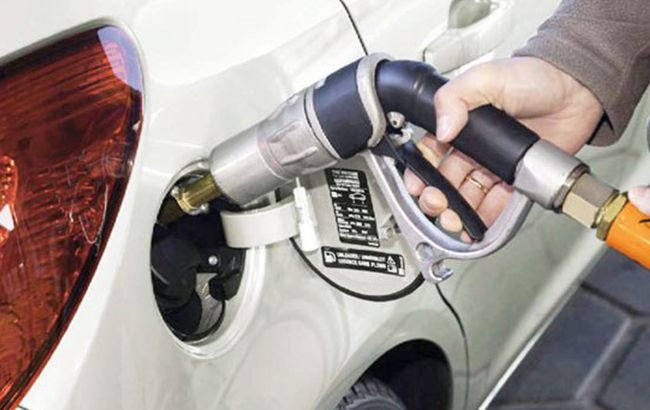
LPG Use Around the World
LPG (Liquefied Petroleum Gas) is an important energy source used in many countries for transportation, household energy, commercial applications, agriculture, and industry. In the automotive sector, LPG has been used for decades as an alternative to gasoline and diesel, particularly in countries where fuel prices and tax policies make LPG economically attractive.
LPG consumption varies considerably from one country to another. In some markets, millions of vehicles use LPG, while in others it is primarily used for cooking, heating, industrial processes, or commercial applications.
Where Is LPG Used?
Global LPG consumption can generally be divided into several major areas.
Automotive use:
LPG is used as an alternative fuel for passenger cars, taxis, light commercial vehicles, and some fleet vehicles. In many cases, gasoline-powered vehicles are converted to LPG using an aftermarket conversion system.
Household use:
LPG is widely used for cooking and heating, especially in areas where natural gas infrastructure is limited or unavailable. LPG cylinders are one of the most common forms of household LPG use.
Industrial use:
Factories and industrial facilities use LPG for heating, drying, metal processing, glass production, ceramics, food processing, and other manufacturing processes.
Commercial use:
Restaurants, hotels, bakeries, catering businesses, and other commercial facilities may use LPG for cooking, heating, and other energy requirements.
Agricultural use:
LPG can also be used for greenhouse heating, crop drying, agricultural equipment, and other specialized applications.
LPG in the Automotive Industry
Automotive LPG is an important part of the global LPG market, but its popularity is not evenly distributed around the world.
In some countries, LPG has become an established alternative fuel for passenger cars. The main reasons include its potential fuel-cost advantage, compatibility with many gasoline engines, and the availability of an established LPG refueling network.
LPG can be particularly attractive for taxis, delivery vehicles, and other high-mileage vehicles. When the price difference between LPG and gasoline is significant, the savings can allow the conversion cost to be recovered relatively quickly.
Modern sequential LPG systems are considerably more sophisticated than older mixer-type systems. They use electronically controlled LPG injectors and an LPG control unit to determine the appropriate amount of fuel under different engine operating conditions.
Countries Where Automotive LPG Is Popular
Countries such as Türkiye, Italy, Poland, South Korea, India, and several other countries in Europe and Asia have historically had significant LPG use in the automotive sector.
However, LPG does not have exactly the same role in each market.
In Türkiye, LPG has become a well-established alternative for gasoline-powered passenger cars. Sequential LPG conversion systems have been widely used, particularly among drivers seeking lower fuel costs.
In Italy, LPG has been available as an alternative automotive fuel for many years, with both factory-equipped and converted vehicles present in the market.
Poland has also developed a strong LPG automotive market, particularly for gasoline-powered passenger vehicles converted to LPG.
In South Korea, LPG has traditionally been important for taxis and fleet vehicles, making it a significant part of the country's automotive fuel market.
India uses LPG extensively for household energy, while automotive LPG also has a presence in certain regions and vehicle categories.
Why Is LPG More Popular in Some Countries?
The popularity of LPG depends on much more than the fuel itself. Economic conditions, infrastructure, government policies, and vehicle technology all influence LPG adoption.
Fuel prices are one of the most important factors. If LPG provides a significant price advantage compared with gasoline or diesel, consumers have a stronger incentive to use it.
Tax policies can also have a major impact. Some governments have historically taxed LPG differently from gasoline and diesel, making LPG more attractive to consumers.
Conversion costs are another consideration. If a gasoline vehicle can be converted to LPG at a reasonable cost and the vehicle travels enough kilometers each year, the investment may become economically worthwhile.
The availability of LPG refueling stations is equally important. Drivers are much more likely to choose LPG when they can easily refuel both in cities and on long-distance journeys.
The Importance of LPG Infrastructure
A fuel cannot become widely used simply because vehicles are technically capable of running on it. Drivers also need convenient access to the fuel.
Countries with strong LPG markets generally have extensive refueling networks covering major cities, highways, and populated areas.
A well-developed LPG infrastructure gives consumers greater confidence when purchasing an LPG-powered vehicle or converting an existing gasoline vehicle.
In countries where LPG stations are scarce, however, LPG adoption may remain limited even when the technology itself is readily available.
Why Do Drivers Choose LPG?
One of LPG's biggest advantages is its compatibility with many gasoline engines.
A properly selected and calibrated LPG system can provide a practical alternative to gasoline while allowing the vehicle to retain its original gasoline system.
Potential advantages include:
-
Lower fuel costs in markets where LPG is significantly cheaper than gasoline.
-
Compatibility with many gasoline-powered engines.
-
Potential economic benefits for high-mileage drivers.
-
An alternative fuel source without replacing the entire vehicle.
-
A well-established conversion technology in many countries.
However, LPG conversion is not equally suitable for every gasoline engine.
Engine design, injection technology, turbocharging, direct injection, valve-seat construction, engine power, cooling-system condition, and LPG system quality can all influence the results.
LPG and Engine Compatibility
Older LPG systems were relatively simple and often used mixer or venturi technology. Modern sequential systems are much more advanced and control fuel delivery electronically.
For a successful conversion, the LPG system must be properly matched to the engine.
The regulator must have sufficient capacity, the LPG injectors must be correctly sized, and the control unit must be calibrated according to the engine's operating characteristics.
The engine should also operate correctly on gasoline before conversion. Existing ignition, fueling, vacuum, compression, cooling, or emissions problems should not be treated as LPG problems simply because they become more noticeable after conversion.
This is one reason professional diagnosis is important when installing an LPG system.
Does LPG Have Environmental Advantages?
LPG can provide certain emissions advantages compared with some conventional fuels, but it should not be described as a completely clean or zero-emission fuel.
LPG is a fossil-derived fuel and produces carbon dioxide when burned. Nevertheless, an appropriately operating LPG engine can produce relatively low particulate emissions and may have advantages for certain pollutants compared with gasoline or diesel under specific operating conditions.
Actual emissions depend on many factors, including:
-
Engine design
-
Fuel-injection technology
-
LPG calibration
-
Catalytic converter condition
-
Engine temperature
-
Maintenance condition
-
Emission-control systems
-
Driving conditions
Therefore, simply saying that LPG is “clean” does not provide a complete picture. Real-world emissions should be evaluated based on the complete vehicle and its operating condition.
LPG Compared With Electric Vehicles
The future of automotive LPG must also be considered alongside the rapid growth of electric vehicles.
Electric vehicles are becoming increasingly common in many developed markets, particularly where charging infrastructure and government incentives support electrification.
This transition could reduce the long-term demand for gasoline and diesel and, consequently, reduce the potential growth of automotive LPG.
However, the global automotive market is not changing at the same speed everywhere.
Many countries still have large fleets of gasoline and diesel vehicles. In markets where electric vehicles remain expensive, charging infrastructure is limited, or existing vehicles are kept for many years, LPG can continue to offer an economical alternative.
This means the future of LPG will probably differ significantly from one region to another.
LPG in Developing and Emerging Markets
LPG can be particularly important in countries where energy infrastructure is still developing.
Natural gas networks may not reach every household, while electricity infrastructure may not always provide an economical solution for cooking or heating.
LPG cylinders can be transported and distributed without requiring a permanent pipeline network. This makes LPG a flexible energy source for households and businesses.
The same flexibility can also make LPG useful in remote areas and for temporary or mobile applications.
LPG Safety Around the World
Because LPG is stored as a pressurized liquid, safety is an important consideration regardless of where it is used.
Automotive LPG systems require properly certified components, correctly installed fuel lines, suitable tank mounting, appropriate ventilation and protection, and correctly functioning shut-off and safety systems.
Household and commercial LPG installations also require suitable cylinders or tanks, regulators, hoses, valves, ventilation, and storage conditions.
Regulations vary between countries, so installation and inspection requirements should always follow the applicable local standards.
A persistent LPG odor should never be considered normal. It can indicate a leak or another problem that requires professional inspection.
LPG's Role in the Global Energy Market
LPG is not simply an automotive fuel. Its global importance comes from its ability to serve many different applications.
The same basic fuel can be used in:
-
Passenger vehicles
-
Taxis
-
Commercial fleets
-
Homes
-
Restaurants
-
Hotels
-
Factories
-
Agricultural facilities
-
Heating systems
-
Industrial equipment
This diversity gives LPG a broader role than its automotive applications alone would suggest.
What Determines LPG Consumption in a Country?
To understand why LPG consumption is high in one country and relatively low in another, several factors need to be considered together.
Fuel prices, taxation, LPG station availability, vehicle ownership patterns, average vehicle age, conversion costs, government regulations, emission standards, natural gas infrastructure, electricity availability, and consumer preferences can all influence LPG demand.
For example, a country with millions of older gasoline vehicles and an extensive LPG station network may have a large automotive LPG market. Another country may consume large quantities of LPG despite having very few LPG-powered vehicles because household and industrial consumption is high.
The Future of LPG
LPG is likely to remain an important energy source in many parts of the world, although its role will continue to change.
In the automotive sector, the growth of battery-electric and hybrid vehicles will put increasing pressure on conventional fuel markets. At the same time, millions of existing internal-combustion vehicles will remain in service for many years.
For high-mileage gasoline vehicles, taxis, commercial fleets, and markets where LPG infrastructure is already well established, LPG can continue to provide an economical alternative.
Outside transportation, LPG is likely to remain relevant for household cooking, commercial operations, heating, agriculture, and industrial applications.
The global LPG market therefore cannot be evaluated solely by looking at the number of LPG-powered cars. LPG has a much broader energy role, and its importance will continue to depend on regional economics, infrastructure, energy policies, vehicle technology, and the pace of the transition toward alternative energy sources.