TR
TR EN
EN

What Should Be Done to a Vehicle Before LPG Installation?
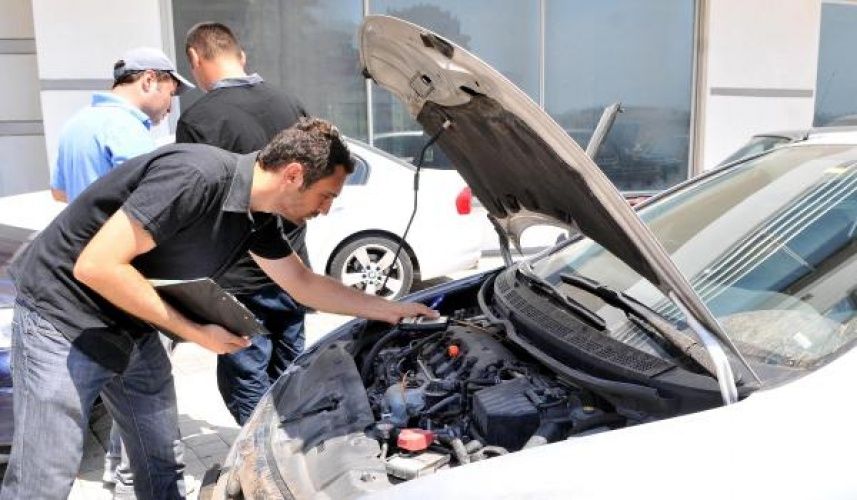
One of the most important stages of an LPG conversion is checking the vehicle before the LPG system is installed. Because an LPG system directly affects the engine's fueling and ignition characteristics, installing LPG on a vehicle that already has mechanical, electrical, or fueling problems can lead to more complicated issues later.
For this reason, the first step of a proper LPG conversion should not be choosing components. It should be determining whether the vehicle is healthy and suitable for LPG conversion.
Check the Existing Engine Condition First
Before installing the LPG system, the engine's basic operating condition should be evaluated.
Particular attention should be paid to:
-
Idle quality
-
Cold starting
-
Hot starting
-
Throttle response
-
Acceleration
-
Misfires
-
Engine performance
-
Operating temperature
-
Fuel consumption
-
Check engine light
-
Exhaust smoke
-
Unusual engine noises
If the engine does not run properly on gasoline, there is no reason to expect the LPG system to eliminate the problem.
Installing LPG over an existing engine fault can also make diagnosis more difficult because it becomes harder to determine whether a problem comes from the original engine system or the new LPG system.
Check the Check Engine Light Before LPG Installation
If the check engine light is already illuminated, the cause should be investigated before LPG installation.
The vehicle should be scanned with an OBD-II diagnostic tool and any existing fault codes should be evaluated.
These may include:
-
Misfire codes
-
Lean mixture codes
-
Rich mixture codes
-
MAF/MAP sensor codes
-
Oxygen sensor codes
-
Throttle body codes
-
Fuel pressure codes
-
Engine temperature sensor codes
The important point is not simply to erase the codes and proceed with the LPG installation.
Clearing a fault code does not repair the problem. The reason the code was stored should be identified first.
The Vehicle Should Run Properly on Gasoline First
A basic principle of LPG conversion is simple:
The engine should be healthy and run correctly on gasoline before LPG is installed.
An LPG system is not a repair system designed to correct existing engine problems.
For example, if the vehicle already has:
-
Misfires
-
Rough idle
-
Poor throttle response
-
Stalling
-
Low power
-
Excessive fuel consumption
-
A check engine light
these problems should be diagnosed and repaired before the conversion.
Starting the LPG installation with a known healthy gasoline operating condition makes later LPG calibration much easier.
Inspect the Ignition System
The ignition system deserves particular attention before an LPG conversion.
The following components should be checked:
-
Spark plugs
-
Ignition coils
-
Spark plug wires, where applicable
-
Coil connectors
-
Electrical connections
Spark plugs must be the correct type and have the correct electrode gap for the engine.
Worn spark plugs can cause ignition problems that become more noticeable when the engine operates on LPG.
Therefore, existing ignition problems should not be ignored with the assumption that they will be solved by installing different spark plugs for LPG.
Check Engine Compression When Necessary
A compression test is not necessarily required for every LPG conversion.
However, if there are doubts about the mechanical condition of the engine, a compression test or, when appropriate, a leak-down test can provide valuable information.
Particular attention is warranted if the engine has:
-
Uneven idle
-
Persistent misfires
-
Noticeable loss of power in one cylinder
-
Difficult starting
-
Excessive oil consumption
-
Abnormal mechanical noises
Installing LPG on an engine with an unresolved mechanical problem can make the source of the problem more difficult to identify later.
Inspect the Cooling System
The LPG regulator in many systems uses engine coolant to provide the heat required to vaporize LPG.
Therefore, the cooling system should be in good condition before installation.
The following should be checked:
-
Coolant level
-
Coolant condition
-
Thermostat
-
Water pump
-
Radiator
-
Coolant hoses
-
Expansion tank
-
Cooling system leaks
-
Normal engine operating temperature
If the engine does not reach its normal operating temperature or the cooling system has a problem, the issue should be repaired before installing LPG.
Repair Any Coolant Leaks First
Because the LPG regulator is connected to the engine cooling system on many vehicles, an existing coolant leak can become an additional problem after LPG installation.
Possible issues include:
-
Coolant loss
-
Leaking regulator connections
-
Cracked hoses
-
Thermostat housing leaks
-
Radiator leaks
-
Water pump leaks
These problems should be corrected before the LPG system is installed.
Check for Vacuum and Air Leaks
Air leaks in the intake system can have a major effect on LPG calibration.
Areas that may need inspection include:
-
Intake manifold
-
Vacuum hoses
-
PCV system
-
Brake booster connections
-
Throttle body area
-
Intake pipes
-
Gasket areas
On vehicles equipped with a MAF sensor, unmetered air entering the engine after the MAF sensor can significantly affect fuel calculations.
MAP-based systems can also be affected by intake leaks because engine load and air-flow calculations can change.
For this reason, intake leaks should be repaired before LPG calibration begins.
Inspect the Throttle Body
The throttle body should also be evaluated before the LPG conversion.
Potential problems include:
-
Excessive carbon buildup
-
Sticking
-
Electrical faults
-
Throttle position problems
-
Connector problems
-
Adaptation issues
Particularly on vehicles with electronic throttle control, an existing throttle-related fault should be diagnosed before installing an LPG system.
Check the MAF and MAP Sensors
The LPG system relies on the vehicle's existing engine management strategy, so the original sensors need to provide reliable information.
Important sensors may include:
-
MAF sensor
-
MAP sensor
-
Engine coolant temperature sensor
-
Throttle position information
-
Oxygen sensors
If a sensor reading appears abnormal, the sensor should not automatically be replaced. Live data should be compared with appropriate specifications and the rest of the system should be checked.
Inspect the Gasoline Fuel System
The gasoline system should also be healthy before LPG installation.
Depending on the vehicle, inspection may include:
-
Fuel pump
-
Fuel pressure
-
Gasoline injectors
-
Fuel filter, where separately serviceable
-
Fuel pressure regulation
-
Fuel lines
-
Fuel quality
A problem in the gasoline fuel system can affect the engine's baseline operation and make LPG calibration more difficult.
Check the Gasoline Injectors
This is particularly important with sequential LPG systems.
The LPG ECU often uses the gasoline injection strategy as an important reference when calculating LPG fuel delivery.
If one gasoline injector is not operating correctly, it can cause:
-
Incorrect LPG calibration
-
Cylinder-to-cylinder fueling differences
-
Misfires
-
Abnormal fuel trims
The gasoline system should therefore be checked before the LPG system is calibrated.
Check Engine Oil and Oil Leaks
Before the LPG conversion, the engine oil level and general lubrication condition should also be checked.
Pay attention to:
-
Low oil level
-
Excessive oil consumption
-
External oil leaks
-
Turbocharger oil leaks, where applicable
-
PCV system problems
An LPG conversion does not repair an existing oil consumption problem.
If the engine already burns or leaks excessive oil, that issue should be diagnosed separately.
Inspect the Exhaust System
The exhaust system can also affect LPG calibration.
Particular attention should be given to:
-
Exhaust leaks
-
Leaks before the oxygen sensor
-
Catalytic converter condition
-
Oxygen sensor operation
-
Other emissions-related components
An exhaust leak before an oxygen sensor can allow outside air to enter the exhaust stream and cause the sensor to report an incorrect air-fuel condition.
Check the Catalytic Converter
The catalytic converter should be considered when the engine has a history of running with severe mixture or ignition problems.
If the engine has previously operated for a long period with:
-
A very rich mixture
-
A very lean mixture
-
Repeated misfires
the catalytic converter may already be damaged or partially restricted.
A restricted catalytic converter can later be mistaken for an LPG-related performance problem.
Make Sure the Engine Does Not Have an Overheating Problem
The engine should operate within its normal temperature range before LPG installation.
If the vehicle already has overheating problems or unstable coolant temperature, the cooling system should be repaired first.
Since the LPG regulator is often connected to the cooling system, unresolved overheating or coolant circulation problems can affect LPG operation as well.
Evaluate the Timing and Mechanical Condition of the Engine
If the engine has a timing-related problem, it should be resolved before the LPG conversion.
Depending on the engine, this may involve checking:
-
Timing belt
-
Timing chain
-
Camshaft timing
-
Variable valve timing system
-
Crankshaft sensor
-
Camshaft sensor
Incorrect valve timing cannot be corrected simply by adjusting the LPG system.
Consider Valve and Valve Seat Condition
Some engines may be more sensitive to valve and valve-seat wear during long-term LPG operation than others.
This does not mean that every LPG-powered engine will develop valve problems.
Engine design, valve materials, operating conditions, fuel calibration, maintenance, and driving style all influence the situation.
If a particular engine is known to require special consideration for valve-seat durability, this should be taken into account before conversion.
Check the Battery and Charging System
The LPG ECU, injectors, solenoid valves, and other electronic components depend on the vehicle's electrical system.
Before installation, it is useful to check:
-
Battery condition
-
Alternator operation
-
Charging voltage
-
Ground connections
-
Engine and body grounds
-
Fuses
-
Electrical terminals
Low or unstable voltage can cause electronic systems to behave incorrectly and may create faults that are mistakenly attributed to the LPG system.
Repair Existing Electrical Problems
An LPG installation introduces additional electrical connections into the vehicle.
Therefore, existing electrical problems should be repaired first.
These may include:
-
Broken wires
-
Corroded connectors
-
Weak grounds
-
Loose terminals
-
Fuse problems
-
Electrical shorts
Otherwise, if an electrical problem appears after the LPG installation, it may be difficult to determine whether the problem comes from the vehicle's original wiring or the newly installed LPG equipment.
Check the Vehicle's OBD Data
Checking the vehicle's operating data before LPG installation can be extremely useful.
Depending on the vehicle and diagnostic equipment, technicians may review:
-
Engine speed
-
Coolant temperature
-
MAF/MAP readings
-
Oxygen sensor data
-
Short-term fuel trim
-
Long-term fuel trim
-
Throttle position
-
Engine load
-
Stored fault codes
These values provide a baseline that can be compared with the vehicle's behavior after LPG calibration.
Check Fuel Trims Before Conversion
Modern engine control units continuously adjust fueling according to information from oxygen sensors and other inputs.
Short-term and long-term fuel trims can provide useful information about the engine's existing air-fuel condition.
If gasoline operation already produces unusually high or low fuel trims, the cause should be investigated before LPG installation.
Otherwise, the LPG calibration may be built on top of an already incorrect engine operating condition.
Check Tires and Brakes Too
LPG installation is primarily an engine and fuel-system modification, but the vehicle's overall mechanical condition should also be considered.
The additional weight of the LPG tank and fuel makes it sensible to inspect:
-
Tire condition
-
Tire pressures
-
Brake system
-
Suspension
-
Shock absorbers
-
Vehicle load capacity
These components do not directly determine LPG operation, but they are important for safe driving after the conversion.
Determine the Correct Tank Installation Area
Before the LPG system is installed, the tank location should be determined carefully.
If a toroidal tank is planned, the spare-wheel well should be measured to confirm the tank's:
-
Diameter
-
Height
-
Multivalve position
-
Mounting points
-
Relationship with the trunk floor
For a cylindrical tank, the available length, diameter, mounting points, and surrounding components must be evaluated.
A tank that physically fits inside a vehicle is not necessarily the correct tank for that vehicle.
Check the Tank Mounting Points
The points where the LPG tank will be secured should be determined before installation.
The vehicle body should not be drilled or modified randomly simply to accommodate the tank.
The mounting system must be:
-
Strong
-
Suitable for the vehicle
-
Compatible with the tank
-
Resistant to vibration and movement
The tank should remain securely fixed during normal driving, braking, cornering, and other vehicle movements.
Check Clearance From the Exhaust and Hot Components
Before installation, the position of the LPG tank, fuel lines, regulator, and other components should be evaluated in relation to hot parts.
Particular attention should be paid to:
-
Exhaust system
-
Turbocharger
-
Catalytic converter
-
Heat shields
-
Other high-temperature components
Adequate clearance and appropriate protection are essential to prevent excessive heat exposure.
Check the Vehicle for Existing Leaks
Before LPG installation, the vehicle should be checked for existing fluid and air leaks.
Depending on the vehicle, this can include:
-
Engine oil leaks
-
Coolant leaks
-
Vacuum leaks
-
Fuel leaks
-
Exhaust leaks
Intake and exhaust leaks are particularly important because they can interfere with fuel calculations and LPG calibration.
Tell the Installer About Existing Problems
The vehicle owner can provide valuable information before the conversion.
The installer should be informed about:
-
Existing faults
-
Previous check engine light problems
-
Fuel consumption
-
Misfires
-
Idle problems
-
Oil consumption
-
Coolant loss
-
Previous engine repairs
-
Previous LPG installations
-
Recent maintenance
This information can help establish a more accurate baseline before the LPG system is installed.
Start the LPG Installation With a Healthy Vehicle
A good LPG conversion is not simply the process of installing an LPG kit.
The vehicle should first be confirmed to operate correctly on gasoline, existing problems should be repaired, and the engine, cooling system, ignition system, intake system, fuel system, electrical system, and basic OBD data should be evaluated.
A sensible conversion process is:
Verify healthy gasoline operation → diagnose and repair existing faults → inspect the engine and electrical system → select the appropriate LPG system → determine the tank and mounting locations → install the LPG components → perform leak and electrical checks → calibrate the LPG system → perform a road test and final inspection.
The better the vehicle is prepared before the conversion, the easier it will be to achieve stable LPG operation and avoid unnecessary adjustments, misdiagnosis, and premature component replacement.