TR
TR EN
EN

What Is Active Cylinder Technology (ACT)? What Are the Symptoms of ACT Failure?
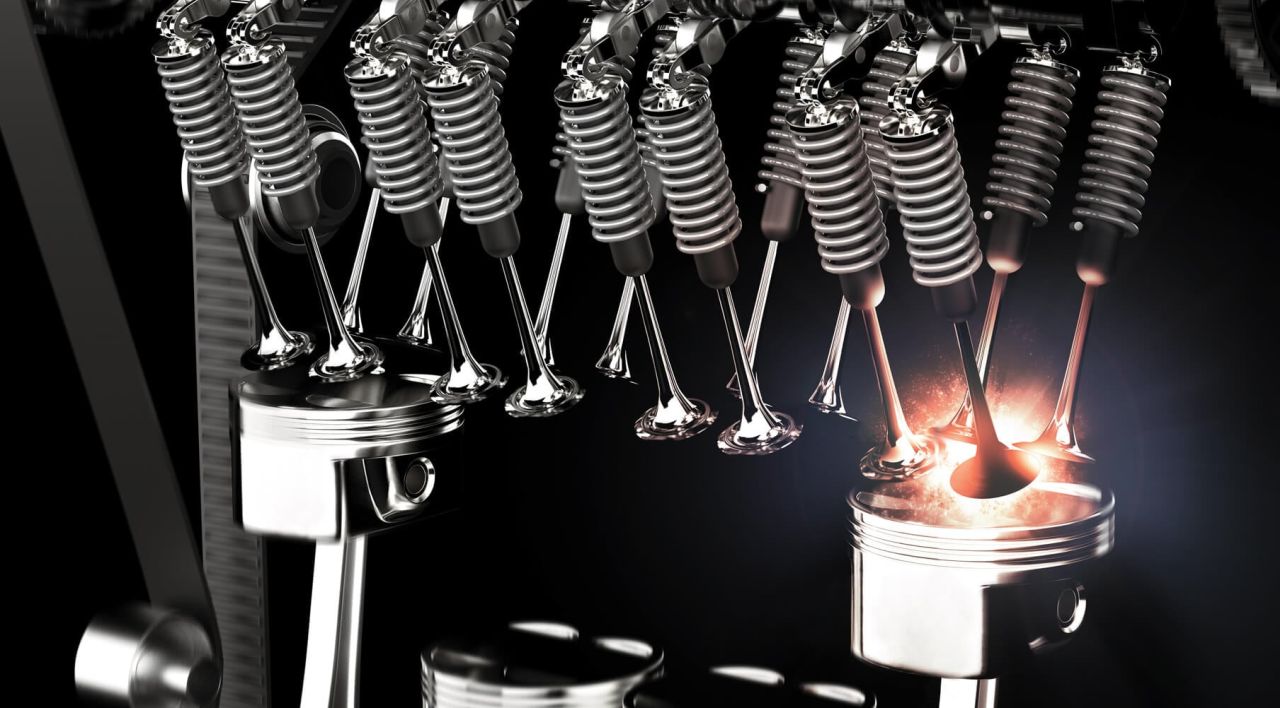
Active Cylinder Technology (ACT) is a cylinder deactivation system used in modern internal combustion engines to improve fuel efficiency and reduce CO₂ emissions.
The basic idea is simple: when the engine does not need its full power, the engine control system can temporarily deactivate one or more cylinders. When the driver demands more power, the deactivated cylinders are activated again.
Instead of continuously operating all cylinders under light engine loads, ACT allows the engine to operate with fewer active cylinders when conditions are suitable.
This technology is particularly useful during steady-speed driving, light acceleration, downhill driving, and other situations where the engine requires relatively little torque.
How Does Active Cylinder Technology Work?
ACT is controlled electronically by the engine control unit (ECU). The ECU continuously evaluates engine operating conditions and determines whether cylinder deactivation is appropriate.
Depending on the engine design, the ECU may monitor information such as:
-
Engine speed
-
Engine load
-
Throttle position
-
Accelerator pedal position
-
Vehicle speed
-
Engine coolant temperature
-
Intake air conditions
-
Requested engine torque
-
Transmission operating conditions
-
Crankshaft position
-
Camshaft position
When the operating conditions are suitable, the ECU activates the cylinder deactivation mechanism.
The affected cylinders stop contributing to combustion, while the remaining cylinders continue producing the required power.
When more torque is needed, the ECU commands the system to reactivate the cylinders.
This transition can happen very quickly, allowing the driver to use the additional fuel-saving capability without manually changing anything.
What Happens Inside a Deactivated Cylinder?
Cylinder deactivation involves more than simply turning off the fuel injector.
In a conventional four-stroke engine, each cylinder normally goes through intake, compression, combustion, and exhaust cycles.
When ACT deactivates a cylinder, fuel injection is generally stopped and the valve operation is modified according to the particular engine design.
Some systems prevent the intake and exhaust valves from operating normally. This reduces pumping losses and prevents the inactive cylinder from continuing to behave like a normal combustion chamber.
The exact mechanism depends on the engine manufacturer and engine family.
Some systems use specialized camshaft mechanisms, while others use hydraulically or electronically controlled components to alter valve operation.
Therefore, not every ACT system operates in exactly the same way.
Why Does an Engine Need Cylinder Deactivation?
An engine does not always need all of its cylinders to produce power.
For example, imagine a four-cylinder engine cruising on a level highway at a constant speed. The engine may only need a relatively small amount of torque to maintain the vehicle's speed.
Operating all four cylinders under these conditions can be less efficient than operating fewer cylinders at a more favorable load.
ACT attempts to improve this situation.
By temporarily deactivating some cylinders, the remaining active cylinders can operate at a higher effective load. This can reduce certain pumping losses and improve overall efficiency.
When the driver presses the accelerator more deeply, the system can immediately return to full-cylinder operation.
When Does ACT Activate?
ACT does not necessarily activate whenever the engine is running at low RPM.
The system works according to a combination of operating conditions.
Cylinder deactivation may occur when:
-
The engine has reached operating temperature.
-
Engine load is relatively low.
-
The vehicle is cruising at a steady speed.
-
Accelerator demand is light.
-
Road conditions are relatively stable.
-
The engine speed is within the system's permitted range.
-
The transmission is operating in a suitable gear.
The exact activation range varies significantly between engines.
For this reason, there is no universal RPM or vehicle speed at which ACT always activates.
When Does ACT Deactivate the Cylinders?
ACT normally stops cylinder deactivation when the engine needs additional power.
For example, the system may reactivate all cylinders during:
-
Hard acceleration
-
Steep hill climbing
-
Rapid overtaking
-
High engine load
-
Heavy vehicle loading
-
Strong accelerator input
-
Certain high-speed conditions
The ECU determines when full engine output is required and restores normal cylinder operation.
This is one of the main advantages of ACT: the driver does not have to decide when to use two, three, four, or more cylinders.
Does the Driver Feel ACT Activating?
In a properly functioning system, the transition should generally be smooth.
Modern engines use sophisticated engine management strategies to minimize changes in vibration, sound, and torque when cylinders are switched off or back on.
However, some drivers may notice a subtle change in:
-
Engine sound
-
Engine vibration
-
Instantaneous fuel consumption
-
Engine response
These changes do not necessarily indicate a fault.
A noticeable or harsh transition, however, can indicate a problem if it is accompanied by misfire, vibration, warning lights, or loss of power.
What Are the Symptoms of Active Cylinder Technology Failure?
ACT failure can produce different symptoms depending on which component has failed and whether the system is unable to deactivate or reactivate the cylinders correctly.
Common symptoms may include:
Check Engine Light
The engine control unit monitors the ACT system. If it detects an electrical, mechanical, timing, or performance problem, it can store a diagnostic trouble code and illuminate the Check Engine Light.
The exact fault codes depend on the engine manufacturer and system design.
Increased Fuel Consumption
One of the first possible signs of an ACT problem is increased fuel consumption.
If cylinder deactivation is no longer functioning, the engine may continue operating all cylinders during conditions where reduced-cylinder operation would normally be available.
The difference may be particularly noticeable during highway cruising.
However, increased fuel consumption alone does not prove that ACT is faulty. Tire pressure, driving style, engine temperature, fuel system condition, ignition problems, and many other factors can also increase fuel consumption.
Engine Vibration
An ACT problem can sometimes cause abnormal vibration.
If the engine does not transition correctly between cylinder configurations, the balance of engine torque can change.
The driver may notice:
-
Increased vibration
-
Rough running
-
Shaking during cruising
-
Vibration during acceleration
-
Uneven engine operation
Misfire
A malfunction involving cylinder activation or valve control can cause a cylinder to operate incorrectly.
This may result in misfire symptoms, especially during the transition between deactivated and active operation.
A persistent misfire should be diagnosed promptly because continued misfire can potentially damage the catalytic converter.
Poor Acceleration
If the system has difficulty reactivating the deactivated cylinders when additional power is required, engine performance may suffer.
The vehicle may feel sluggish when the accelerator is pressed, particularly during sudden acceleration.
Rough Running
An ACT-related mechanical or control problem can cause the engine to run less smoothly than normal.
Rough running may occur at idle, during light-load cruising, or when the system is switching between operating modes.
Unusual Engine Noise
Mechanical problems involving the camshaft, valve control mechanism, actuator, or related components can produce unusual noises.
A ticking, tapping, clicking, or metallic noise should not automatically be blamed on ACT, but it deserves investigation if it appeared at the same time as an ACT-related fault.
What Causes ACT Failure?
There are several possible causes of ACT problems.
The problem may be electrical, electronic, hydraulic, or mechanical.
ACT Solenoid Failure
Some cylinder deactivation systems use oil-controlled solenoids to operate the mechanism responsible for changing valve operation.
A solenoid can become:
-
Electrically open
-
Short-circuited
-
Contaminated
-
Stuck
-
Mechanically damaged
If the solenoid cannot respond correctly to ECU commands, cylinder deactivation may not occur as intended.
Engine Oil Problems
Engine oil is particularly important in systems that use hydraulic pressure to control cylinder deactivation components.
Problems such as:
-
Low engine oil level
-
Incorrect oil specification
-
Incorrect oil viscosity
-
Old or contaminated oil
-
Sludge
-
Restricted oil passages
-
Low oil pressure
can interfere with the operation of the ACT mechanism.
This is why engine oil should always be considered when diagnosing certain ACT-related problems.
Wiring and Connector Problems
The ACT system depends on electrical signals between the ECU, solenoids, sensors, and actuators.
A damaged wire or poor electrical connection can prevent the system from operating correctly.
Possible problems include:
-
Broken wires
-
Corroded connectors
-
Loose terminals
-
Short circuits
-
Open circuits
-
Damaged wiring near hot engine components
A visual inspection and electrical testing can help identify these problems.
Camshaft or Valve Train Problems
Because cylinder deactivation is closely related to valve operation, mechanical problems in the valve train can affect ACT operation.
Possible causes include:
-
Camshaft wear
-
Damaged camshaft components
-
Sticking mechanisms
-
Excessive mechanical clearance
-
Valve train damage
-
Incorrect valve timing
In these cases, replacing an electrical component alone will not solve the underlying problem.
Crankshaft and Camshaft Sensor Problems
The ECU needs accurate information about engine position and timing.
If the crankshaft position sensor or camshaft position sensor provides an incorrect or unstable signal, the ECU may not be able to control cylinder deactivation correctly.
A sensor fault can therefore sometimes appear to be an ACT problem even though the actual cause is related to engine position information.
ECU or Software Problems
The ECU is responsible for deciding when ACT should activate and deactivate.
A software problem, incorrect calibration, corrupted data, or communication problem can interfere with the system.
In some cases, an ECU software update provided by the manufacturer may address a known control issue.
However, software should not be assumed to be the cause without proper diagnosis.
How Is ACT Failure Diagnosed?
Proper diagnosis should begin with a diagnostic scan.
An OBD diagnostic tool can be used to check for stored or pending fault codes.
However, simply reading the code is not always enough.
The technician should determine:
-
When the fault occurs
-
Whether the fault is permanent or intermittent
-
Whether the engine is hot or cold
-
Engine speed when the fault appears
-
Engine load when the fault appears
-
Whether the fault occurs during ACT activation
-
Whether the fault occurs during cylinder reactivation
-
Whether misfire codes are also present
Live data can be particularly useful.
Depending on the vehicle, a diagnostic tool may allow the technician to observe commanded and actual operating states, sensor signals, engine load, engine speed, camshaft timing, and other relevant parameters.
Why Is Engine Oil So Important for ACT?
Oil-related problems deserve special attention on engines where hydraulic pressure is used to control cylinder deactivation.
A system may require precise oil pressure to move an internal actuator or control valve.
If the oil is too dirty, the oil passages are restricted, or the pressure is insufficient, the mechanism may respond slowly or fail to move into the required position.
This is why using the correct engine oil specification is important.
Oil changes should also be performed at the manufacturer's recommended intervals.
Can ACT Failure Damage the Engine?
It depends on the type of failure.
If the system simply stops deactivating cylinders, the engine may continue operating with all cylinders active. In such a case, the main consequence may be reduced fuel economy and increased emissions.
A more serious mechanical problem is different.
If an ACT component becomes stuck, damages the valve train, causes incorrect valve operation, or creates an engine timing problem, continued driving could potentially lead to further damage.
The situation should be treated more seriously if ACT-related problems are accompanied by:
-
Severe misfire
-
Major power loss
-
Loud mechanical noise
-
Oil pressure warning
-
Heavy vibration
-
Abnormal exhaust smoke
Can You Drive With an ACT Fault?
Sometimes a vehicle with an ACT fault can still be driven, particularly if the system has simply been disabled and the engine is operating normally on all cylinders.
However, this should not be assumed.
If the vehicle has a Check Engine Light together with severe misfire, power loss, abnormal engine noise, or an oil pressure warning, continued driving may be unsafe or may increase the risk of engine or emissions-system damage.
The fault should be diagnosed before assuming that the vehicle is safe to continue driving.
Does ACT Really Save Fuel?
Yes. Reducing the number of active cylinders can improve efficiency under suitable operating conditions.
The amount of fuel saved depends on many factors, including:
-
Engine design
-
Vehicle weight
-
Driving style
-
Road conditions
-
Vehicle speed
-
Engine load
-
Transmission type
-
Aerodynamics
-
Frequency of cylinder deactivation
ACT tends to provide the greatest benefit when the vehicle spends significant time operating under light or moderate engine loads.
The technology is therefore particularly useful during steady-speed driving rather than during constant hard acceleration.
Is ACT the Same as Start-Stop?
No.
ACT and start-stop technology work in completely different ways.
A start-stop system can shut the entire engine off when the vehicle is stopped, such as at a traffic light, and restart it when the driver needs to move.
ACT does not normally shut the engine down.
Instead, the engine continues running while selected cylinders are temporarily deactivated.
Therefore:
Start-stop = the entire engine can stop.
ACT = the engine keeps running while selected cylinders stop contributing to combustion.
Is ACT the Same as Variable Valve Timing?
No.
Variable valve timing changes the timing of valve operation to optimize engine performance, efficiency, emissions, or torque.
ACT, on the other hand, temporarily changes the operating status of selected cylinders.
A modern engine can use both technologies at the same time.
For example, an engine may use:
-
Cylinder deactivation
-
Variable valve timing
-
Variable valve lift
-
Turbocharging
-
Direct fuel injection
-
Start-stop
as part of one integrated engine management strategy.
Advantages of Active Cylinder Technology
ACT provides several potential advantages.
Lower fuel consumption
The system can improve efficiency during low-load operation.
Lower CO₂ emissions
Using less fuel generally results in lower CO₂ emissions.
Better part-load efficiency
The remaining active cylinders can operate under more favorable load conditions.
Automatic operation
The driver does not need to manually activate or deactivate cylinders.
Compatibility with other technologies
ACT can be combined with turbocharging, variable valve timing, start-stop systems, and other efficiency technologies.
Disadvantages of Active Cylinder Technology
The biggest disadvantage is increased system complexity.
A conventional engine may not require the additional mechanisms, actuators, solenoids, and control strategies used for cylinder deactivation.
ACT can therefore introduce additional components that may eventually require diagnosis or repair.
The repair cost can also be higher if specialized camshaft or valve-control components fail.
Another important consideration is maintenance.
On systems that rely on engine oil pressure, poor oil quality or incorrect oil can contribute to problems with the cylinder deactivation mechanism.
How Can ACT Problems Be Prevented?
There is no maintenance procedure that can guarantee an ACT system will never fail, but proper engine maintenance can reduce the risk of problems.
Use the correct engine oil
Always use oil that meets the manufacturer's required specification and viscosity.
Maintain the correct oil level
Low oil levels can cause lubrication and hydraulic control problems.
Change the oil on time
Long oil-change intervals can contribute to contamination and deposits.
Do not ignore warning lights
If the Check Engine Light appears, scan the vehicle rather than simply clearing the fault code.
Pay attention to unusual engine behavior
New vibration, misfire, power loss, or mechanical noise should be investigated.
Inspect electrical connections
Damaged wiring or corroded connectors can create intermittent ACT faults.
Final Thoughts
Active Cylinder Technology is an important efficiency technology used in modern internal combustion engines.
Its purpose is to reduce fuel consumption and emissions by temporarily deactivating selected cylinders when the engine does not need its full power.
The ECU constantly evaluates engine speed, load, accelerator demand, temperature, and other operating parameters before deciding whether cylinder deactivation is appropriate.
When additional power is required, the system reactivates the cylinders so the engine can return to full operation.
ACT failure can produce symptoms such as increased fuel consumption, rough running, vibration, misfire, poor acceleration, unusual engine noise, and a Check Engine Light. However, these symptoms can also be caused by many other engine problems.
For this reason, an ACT fault should not be diagnosed simply by replacing the cylinder deactivation solenoid or another expensive component. Proper diagnosis should include fault-code analysis, live-data evaluation, electrical testing, engine oil inspection, and, when necessary, mechanical inspection of the camshaft and valve train.
With correct maintenance and timely diagnosis, the Active Cylinder Technology system can provide a useful balance between engine performance, fuel economy, and emissions.