TR
TR EN
EN

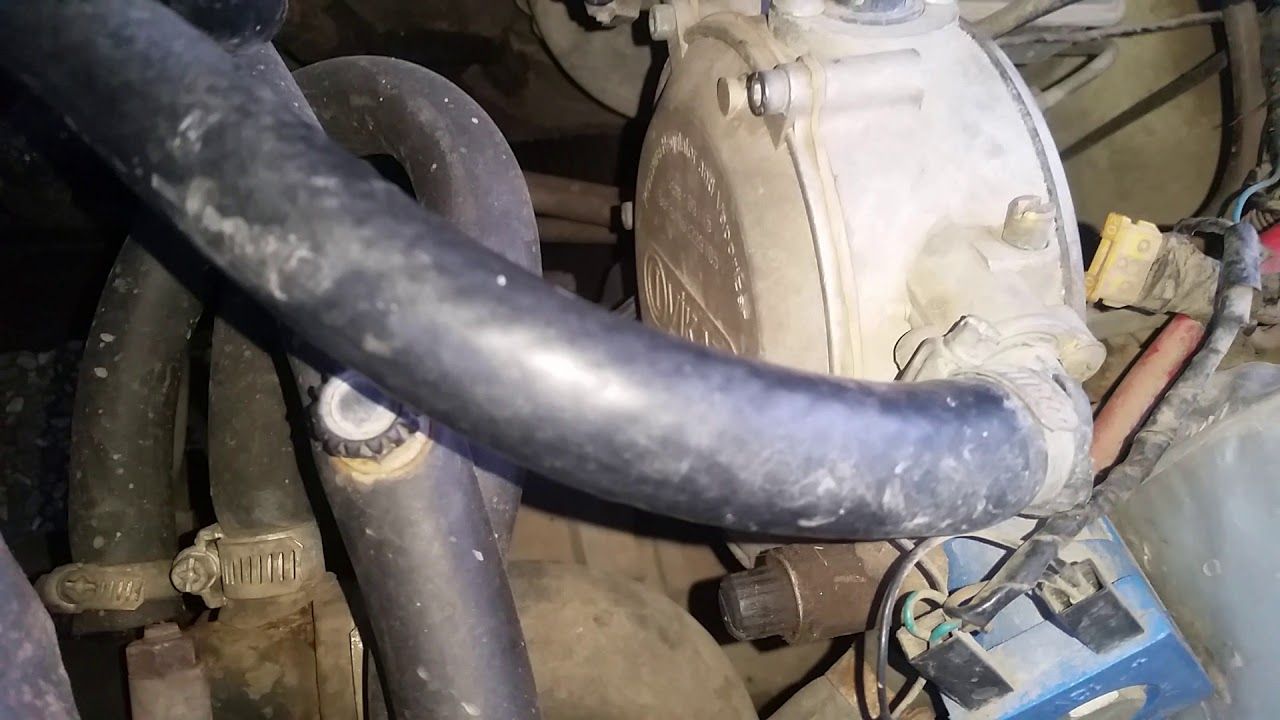
What Is an LPG Regulator? What Are the Symptoms of LPG Regulator Failure?
The LPG regulator is one of the most important components in an automotive LPG system. It is responsible for reducing the high pressure of LPG coming from the tank and converting the fuel into a pressure suitable for the engine and LPG injectors.
The component is also commonly called an LPG reducer, LPG vaporizer, or LPG pressure regulator. Depending on the LPG system and manufacturer, different names may be used for essentially the same component.
Although its construction varies between systems, its basic purpose remains the same: control LPG pressure and provide a stable supply of vaporized LPG to the injectors.
A properly functioning regulator must maintain relatively stable gas pressure despite changes in engine load, engine speed, LPG consumption, and temperature.
If the regulator cannot maintain the required pressure, the LPG system may experience symptoms ranging from rough idle and hesitation to stalling and severe power loss.
How Does an LPG Regulator Work?
LPG stored in the vehicle's tank is normally kept in liquid form under pressure. The pressure inside the tank is considerably higher than the pressure required by the LPG injectors.
The regulator therefore performs several important functions.
1. Reducing LPG pressure
The regulator receives high-pressure liquid LPG from the tank and reduces it to a much lower pressure that the LPG system can use.
This pressure reduction is essential because the injectors cannot normally meter fuel directly at tank pressure.
2. Converting liquid LPG into vapor
When LPG changes from a high-pressure liquid to a lower-pressure gas, it requires heat.
The regulator is therefore usually connected to the engine's coolant circuit. Hot engine coolant circulates through the regulator and supplies the heat required to vaporize the LPG.
This is why the LPG regulator is sometimes called an LPG vaporizer.
3. Stabilizing gas pressure
The regulator must compensate for changes in LPG demand.
For example, the engine may require very little fuel at idle but significantly more fuel during acceleration or high-load operation.
A good regulator keeps the gas pressure within the expected operating range as demand changes.
4. Supplying the LPG injectors
After LPG has been vaporized and pressure has been regulated, the gas travels toward the LPG injector rail.
The LPG ECU then controls injector opening times according to engine operating conditions.
Where Is the LPG Regulator Located?
The regulator is generally installed in the engine compartment and connected to several parts of the vehicle's LPG system.
Depending on the system, you will normally find connections for:
-
High-pressure LPG coming from the tank
-
Vaporized LPG leaving the regulator
-
Engine coolant
-
Pressure or vacuum/reference connection
-
Electrical connections in some regulator designs
Its exact location differs from vehicle to vehicle.
Because the regulator must receive sufficient engine coolant flow, installation and hose routing are important. Incorrect coolant connections can cause poor vaporization and unstable LPG operation.
Why Is Engine Coolant Important?
Engine coolant is not simply used to cool the engine in an LPG vehicle. In a conventional vapor-phase LPG system, it also provides the heat needed by the regulator.
When liquid LPG changes into gas, it absorbs heat. If the regulator cannot receive enough heat, its temperature can fall significantly.
This can result in:
-
Poor LPG vaporization
-
Unstable gas pressure
-
Regulator icing or freezing in severe conditions
-
Difficult LPG switching
-
Engine stalling after switching to LPG
-
Poor performance during warm-up
This is one reason an LPG system normally waits until the engine and regulator reach a suitable temperature before switching from gasoline to LPG.
What Happens Inside the LPG Regulator?
The exact internal construction depends on the manufacturer and regulator design, but a typical regulator contains pressure-control components, diaphragms, springs, valves, and coolant passages.
The high-pressure LPG enters the regulator and passes through a pressure-reduction mechanism.
As pressure is reduced, the LPG vaporizes with the assistance of engine coolant heat.
The regulator then maintains the outlet pressure within the operating range expected by the LPG ECU and injectors.
Modern regulators are designed to respond to changing engine demand. At idle, fuel demand is low. During acceleration, the amount of LPG required can increase rapidly.
A worn or contaminated regulator may respond too slowly or fail to maintain the required pressure under these changing conditions.
What Are the Symptoms of LPG Regulator Failure?
Regulator problems can produce symptoms that look very similar to injector, filter, sensor, or calibration problems.
For this reason, replacing the regulator based only on symptoms is not always correct.
The most common symptoms include:
-
Engine stalling on LPG
-
Difficult switching from gasoline to LPG
-
Rough idle
-
Hesitation during acceleration
-
Loss of power
-
LPG pressure dropping under load
-
Increased LPG consumption
-
Lean or rich mixture faults
-
Engine misfires
-
Unstable LPG operation
-
Switching back from LPG to gasoline
-
LPG system warning messages
-
Poor operation when the engine is cold
-
Regulator icing or abnormal temperature
-
LPG odor caused by a leak or connection problem
The exact symptoms depend on how the regulator has failed.
LPG Pressure Drops Under Acceleration
One of the most important regulator-related symptoms is a pressure drop when the engine requires a large amount of fuel.
Imagine the vehicle operating normally at idle. The LPG pressure appears acceptable and the engine runs smoothly.
Then the driver accelerates hard.
Engine fuel demand increases substantially. If the regulator is worn, undersized, contaminated, or unable to supply sufficient vaporized LPG, its outlet pressure may fall.
The LPG ECU may then increase injector opening times in an attempt to compensate.
If pressure continues to fall, the injectors may eventually be unable to deliver the required amount of fuel.
The result can be:
-
Hesitation
-
Power loss
-
Misfire
-
Lean mixture
-
Engine warning light
-
LPG ECU fault
-
Automatic switching back to gasoline
This is why checking LPG pressure during an actual load condition can be much more informative than checking pressure only while the engine is idling.
Rough Idle on LPG
A faulty regulator can cause an unstable LPG idle.
At idle, the engine requires a relatively small amount of fuel. Because the fuel quantity is small, even relatively minor pressure fluctuations can affect the air-fuel mixture.
If regulator pressure continuously fluctuates, the LPG ECU may struggle to maintain the correct mixture.
The engine may then:
-
Vibrate
-
Idle unevenly
-
Surge
-
Almost stall
-
Stall completely
However, rough LPG idle does not automatically mean that the regulator is defective.
LPG injectors, ignition components, vacuum leaks, MAP sensors, filters, and calibration must also be considered.
Engine Stalls When Switching to LPG
An engine that runs normally on gasoline but stalls shortly after switching to LPG deserves careful diagnosis.
The regulator is one possible cause.
If the regulator is not warm enough, LPG may not vaporize correctly. If gas pressure is too low or unstable, the injectors may also fail to deliver the required amount of fuel.
Other possible causes include:
-
Incorrect switching temperature
-
Low coolant circulation
-
Air trapped in the coolant system
-
Weak coolant flow through the regulator
-
LPG filter restriction
-
Low LPG tank pressure
-
Faulty pressure sensor
-
Incorrect LPG calibration
-
Injector problems
-
Solenoid valve problems
Therefore, the switching symptom should be investigated as a system problem rather than automatically blamed on the regulator.
LPG Regulator Freezing or Icing
Regulator icing is an important warning sign.
Because LPG absorbs heat during vaporization, the regulator requires adequate heat from engine coolant.
If coolant circulation is insufficient, the regulator can become excessively cold.
Possible causes include:
-
Low coolant level
-
Air in the cooling system
-
Incorrect coolant hose connection
-
Restricted coolant hose
-
Thermostat problems
-
Poor coolant circulation
-
Regulator installation problems
-
Extremely high fuel demand
In cold conditions, the problem can become more obvious.
A regulator that repeatedly freezes should not simply be replaced without finding out why it is losing heat.
Increased LPG Consumption
A failing regulator can contribute to increased fuel consumption, but high LPG consumption has many possible causes.
Possible causes include:
-
Incorrect LPG pressure
-
Incorrect LPG calibration
-
Leaking LPG injectors
-
Dirty air filter
-
Faulty oxygen sensor
-
Incorrect fuel trims
-
Ignition problems
-
Engine mechanical problems
-
Vacuum leaks
-
Incorrect injector settings
-
Temperature sensor problems
If regulator pressure is too high, the LPG injectors may deliver more fuel than expected for a given injection time.
The engine may consequently operate with a richer mixture.
Therefore, fuel consumption should be evaluated together with LPG pressure, injector times, fuel trims, and gasoline operation.
Loss of Engine Power on LPG
A vehicle that has normal power on gasoline but feels weak on LPG may have a fuel-delivery problem.
The regulator is one of the components that should be checked.
A regulator may work reasonably well at low engine speed but fail to supply enough vaporized LPG during high demand.
The driver may notice:
-
Weak acceleration
-
Poor hill-climbing ability
-
Reduced top-end performance
-
Hesitation at high RPM
-
Misfire during heavy acceleration
A restricted LPG filter can produce very similar symptoms.
Therefore, the pressure before and after the regulator, fuel flow, and system behavior under load should be checked before replacing parts.
Difficult Cold Operation
A properly configured LPG vehicle normally starts on gasoline and switches to LPG after the engine reaches a suitable temperature.
If the vehicle experiences problems shortly after switching, the regulator may not be receiving sufficient heat.
A regulator that cannot maintain proper vaporization during warm-up may cause:
-
Rough running
-
Hesitation
-
Stalling
-
Automatic return to gasoline
The cooling system should therefore be inspected whenever regulator temperature appears abnormal.
LPG Regulator Leakage
LPG leakage is a much more serious issue than a simple performance problem.
If LPG can be smelled around the regulator, its connections, hoses, or nearby components, the vehicle should be inspected without delay.
Possible leakage points include:
-
High-pressure connection
-
Regulator housing
-
Gas outlet connection
-
Hose connections
-
Seals
-
Valves
-
Regulator body
LPG is highly flammable. A suspected leak should not be ignored or diagnosed by repeatedly exposing the area to an open flame.
Professional leak-testing equipment and appropriate procedures should be used.
Can a Bad Regulator Cause the Check Engine Light?
Yes.
The regulator itself may not always generate a dedicated engine fault code. However, a regulator problem can cause the engine to operate with an incorrect air-fuel mixture.
The resulting mixture problem can cause the engine ECU to detect:
-
Lean mixture
-
Rich mixture
-
Misfire
-
Fuel-trim abnormalities
For example, a regulator that cannot maintain sufficient pressure under load can indirectly contribute to a lean condition.
The important point is that a lean or rich fault code does not prove that the regulator is defective.
The code identifies a problem in engine operation, not necessarily the exact failed component.
How Is an LPG Regulator Diagnosed?
A proper regulator diagnosis should begin with measurements rather than immediate replacement.
Check LPG pressure
The LPG technician should observe regulator outlet pressure under different operating conditions.
Pressure should be evaluated at:
-
Idle
-
Light acceleration
-
Higher RPM
-
Heavy engine load
-
Different operating temperatures
A regulator that maintains stable pressure at idle but experiences a significant pressure drop under load may have a capacity, restriction, or mechanical problem.
Check regulator temperature
The regulator should reach an appropriate operating temperature.
The coolant hoses connected to the regulator should also be checked to make sure coolant is circulating correctly.
Inspect the coolant circuit
Low coolant level, trapped air, restricted hoses, or incorrect hose routing can prevent the regulator from receiving enough heat.
Check the LPG filter
A restricted filter can reduce fuel flow and create symptoms that closely resemble regulator failure.
Check injector operation
LPG injector opening times and cylinder balance should be evaluated.
A faulty injector can create rough running even when the regulator is working correctly.
Check fuel trims
Short-term and long-term fuel trims can provide valuable information about mixture control.
It is particularly useful to compare gasoline operation with LPG operation.
Check the pressure sensor
Many modern LPG systems use a pressure/MAP sensor to monitor system conditions.
An inaccurate pressure sensor can make the LPG ECU behave as though the regulator has a problem.
Can the LPG Regulator Be Repaired?
Some LPG regulators can be rebuilt using manufacturer-specific service kits.
Depending on the design, replacement components may include:
-
Diaphragms
-
Seals
-
Valves
-
Springs
-
O-rings
However, rebuilding is not automatically the best option.
A regulator that has suffered significant internal wear, corrosion, contamination, or mechanical damage may be better replaced.
The availability of repair kits also varies between manufacturers and models.
A professional LPG technician should determine whether rebuilding is appropriate.
When Should an LPG Regulator Be Replaced?
There is no single replacement interval that applies to every LPG regulator.
Its service life depends on:
-
Regulator quality
-
LPG fuel quality
-
Filter maintenance
-
Vehicle mileage
-
Operating temperature
-
LPG pressure
-
Engine load
-
Installation quality
-
Maintenance history
Instead of replacing the regulator simply because the vehicle has reached a certain mileage, its condition should be evaluated.
If the regulator cannot maintain the required pressure, has internal leakage, is severely worn, or cannot be economically rebuilt, replacement becomes appropriate.
LPG Filter and Regulator Maintenance
The LPG filter plays an important role in protecting the regulator and injectors.
Contaminants and oily residues in LPG can accumulate in the system.
A neglected filter can become restricted and may also allow contaminants to reach downstream components, depending on the system design.
Regular LPG filter maintenance therefore helps protect:
-
Regulator
-
LPG injectors
-
Pressure-control components
-
Fuel-delivery system
The correct filter type and replacement interval should be based on the LPG system manufacturer's specifications.
Is the LPG Regulator the Same as an LPG Injector?
No.
The regulator and injector perform completely different functions.
The regulator prepares LPG by reducing pressure and, in vapor-phase systems, vaporizing the fuel.
The injector meters the vaporized LPG into the engine according to commands from the LPG ECU.
A regulator problem affects the fuel supply conditions for the injectors.
An injector problem affects the amount of LPG delivered to an individual cylinder.
This distinction is important when diagnosing an LPG vehicle.
LPG Regulator vs. LPG Injector: How Can You Tell the Difference?
A problem affecting all cylinders and becoming significantly worse as engine load increases can point toward a fuel-supply or pressure problem.
A problem isolated to one cylinder is more suspicious for an individual injector, ignition component, or cylinder-specific mechanical problem.
For example, if LPG pressure drops dramatically during acceleration while all cylinders begin running lean, the regulator or LPG supply system deserves close attention.
If LPG pressure remains stable but one cylinder consistently misfires only on LPG, the injector for that cylinder becomes a stronger suspect.
This is not an absolute rule, but it is a useful diagnostic direction.
Can a Regulator Problem Damage the Engine?
Indirectly, yes.
If the regulator repeatedly causes the engine to operate with an excessively lean or rich mixture, the engine can experience poor combustion.
A persistent lean condition can increase combustion temperature and may contribute to engine or exhaust-component damage under certain conditions.
Repeated misfires can also send unburned fuel into the catalytic converter, potentially causing excessive catalyst temperature.
For this reason, persistent LPG misfires, severe power loss, or unstable fuel pressure should not be ignored.
Why Does the LPG System Switch Back to Gasoline?
Many modern LPG systems are designed to return automatically to gasoline when operating conditions become unsafe or unsuitable for LPG operation.
Possible triggers include:
-
LPG pressure falling below a programmed threshold
-
Excessive pressure fluctuation
-
Insufficient regulator temperature
-
Empty or nearly empty LPG tank
-
Pressure sensor fault
-
Excessive fuel demand
-
LPG ECU protection strategy
Therefore, automatic switching back to gasoline does not necessarily mean the LPG regulator itself has failed.
The system's stored fault information and live data should be examined.
What Should Be Checked Before Replacing the Regulator?
Replacing an LPG regulator without diagnosis can waste money because several other components can produce almost identical symptoms.
Before replacement, it is sensible to check:
-
LPG pressure
-
Pressure stability under load
-
Regulator temperature
-
Coolant circulation
-
LPG filter condition
-
LPG injector operation
-
Injector opening times
-
LPG pressure sensor
-
Vacuum/reference connections
-
LPG ECU calibration
-
Fuel trims
-
Ignition system
-
Spark plugs
-
Ignition coils
-
Intake leaks
-
Gas leaks
The gasoline system should also be considered.
If the engine has a mechanical or ignition problem on gasoline, LPG operation may simply make the existing problem more noticeable.
Choosing the Correct LPG Regulator
Not every regulator is suitable for every engine.
The regulator must have sufficient capacity for the engine's maximum fuel demand.
An undersized regulator may maintain acceptable pressure during idle and normal driving but experience pressure loss during high-load operation.
The correct regulator selection should consider:
-
Engine power
-
LPG system type
-
Required operating pressure
-
Injector characteristics
-
Fuel demand
-
Manufacturer specifications
-
Installation configuration
Installing a regulator simply because it physically fits the vehicle is not enough.
Final Thoughts
The LPG regulator is a critical part of a modern LPG fuel system. It reduces the pressure of LPG coming from the tank, vaporizes the fuel in systems that use vapor-phase LPG, and supplies the injectors with a controlled and stable gas pressure.
When the regulator begins to fail, the symptoms can range from minor idle instability to severe hesitation, power loss, stalling, pressure fluctuations, and automatic switching back to gasoline.
However, many of these symptoms can also be caused by LPG injectors, filters, pressure sensors, coolant circulation problems, ignition faults, vacuum leaks, or incorrect calibration.
For that reason, LPG pressure should be measured under real operating conditions before the regulator is condemned.
A regulator that maintains stable pressure across the engine's operating range is generally doing its primary job. A regulator that cannot maintain the required pressure, suffers internal leakage, or fails to vaporize LPG correctly requires further inspection, rebuilding, or replacement.
The most reliable approach is therefore not to diagnose the regulator from one symptom alone, but to evaluate the complete LPG system using pressure measurements, temperature checks, live data, fuel trims, injector behavior, and proper leak testing.