TR
TR EN
EN

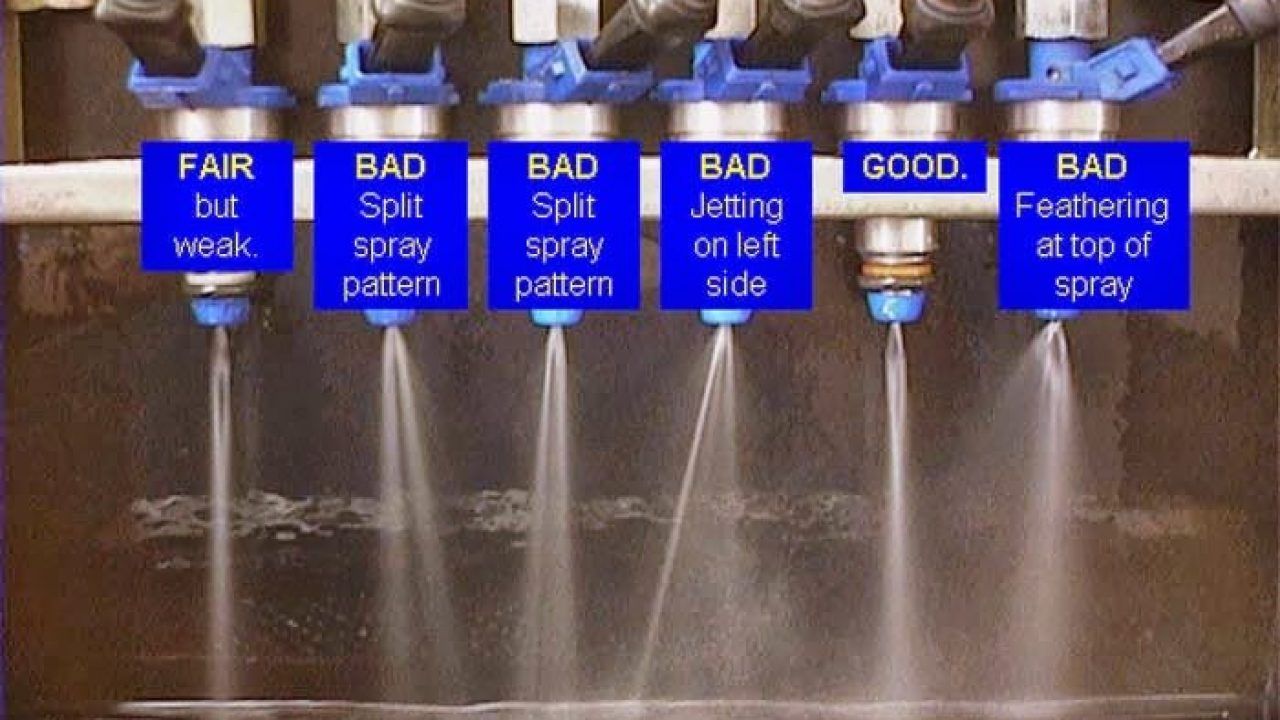
What Is an LPG Injector? What Are the Symptoms of LPG Injector Failure?
The LPG injector is one of the most important components in a modern sequential LPG conversion system. Its job is to deliver the correct amount of vaporized LPG into the engine's intake system at precisely controlled moments.
Although an LPG injector is often mistaken for a simple valve, it is actually a precision fuel-metering component. The LPG control unit determines when the injector should open and how long it should remain open. The injector then converts this electrical command into a controlled amount of LPG flow.
When an LPG injector becomes dirty, slow, electrically faulty or mechanically worn, the amount of fuel delivered to one or more cylinders may no longer match the ECU's requirements.
The result can be rough running, hesitation, misfires, increased fuel consumption, poor acceleration, difficult switching to LPG and, in severe cases, an engine that cannot run properly on LPG.
What Does an LPG Injector Do?
An LPG injector controls the amount of gaseous LPG entering the engine.
In a typical sequential LPG system, liquid LPG first enters the reducer/regulator. The regulator lowers the LPG pressure and converts the fuel into the vapor phase.
The vaporized LPG then reaches the injector rail.
The LPG control unit activates each injector individually according to the engine's operating conditions.
The basic sequence is:
LPG tank → LPG filter → reducer/regulator → vapor-phase LPG → injector rail → LPG injectors → intake manifold → engine cylinders
The injector therefore sits between the LPG pressure-regulation system and the engine's intake system.
How Does an LPG Injector Work?
An LPG injector is generally an electronically controlled solenoid-type device.
When the LPG control unit sends an electrical command, the injector's internal electromagnetic mechanism moves the valve or plunger.
This opens the gas passage and allows LPG to flow.
When the electrical command stops, the injector closes.
The duration of the opening is extremely important.
A short opening time delivers a small amount of fuel.
A longer opening time allows more LPG to enter the engine.
This is why injector response speed and consistency are important.
The LPG ECU continuously changes injector opening times according to engine load, RPM, intake conditions and feedback from the gasoline ECU and other sensors.
Why Is LPG Injector Timing Important?
The engine requires different amounts of fuel depending on operating conditions.
At idle, the required amount is relatively small.
During acceleration and high engine load, the required fuel quantity increases substantially.
The LPG ECU therefore changes injector opening duration continuously.
If one injector opens slightly slower than the others, the corresponding cylinder may receive less fuel.
If an injector does not close properly, that cylinder may receive excessive fuel.
Even relatively small differences between injectors can become noticeable during idle and low-load operation.
What Is an LPG Injector Rail?
Many sequential LPG systems use multiple injectors mounted together on an injector rail.
For a four-cylinder engine, the rail commonly contains four injectors, although the exact arrangement depends on the system.
The rail distributes vaporized LPG to the individual injectors.
The injector outlets are then connected to the intake manifold through short hoses or appropriate fittings.
The quality and length of these connections can affect fuel distribution and system calibration.
What Are the Main Types of LPG Injectors?
LPG injectors differ according to their construction, flow capacity and operating characteristics.
Common designs include:
Solenoid LPG injectors
These use an electromagnetic coil to control a valve. They are widely used in sequential LPG systems.
Rail-type LPG injectors
Several individual injectors are mounted together on a common rail.
Individual LPG injectors
Some systems use separate injectors rather than a single integrated rail assembly.
Different manufacturers also offer injectors with different flow rates and response characteristics.
The injector must be compatible with the LPG ECU and the engine's fuel requirements.
Why Does an LPG Injector Get Dirty?
LPG is generally a clean-burning fuel, but the fuel system can still contain contaminants.
Depending on fuel quality and system condition, deposits or oily residues can accumulate in the injector or injector rail.
The LPG filter is designed to prevent contaminants from reaching sensitive components.
If the filter is neglected or contaminated, particles and residues may reach the injectors.
This can interfere with injector movement or reduce the effective flow area.
What Are the Symptoms of LPG Injector Failure?
An LPG injector problem can produce symptoms that occur only when the engine is running on LPG.
Common symptoms include:
-
Rough idle on LPG
-
Engine vibration
-
Misfires
-
Hesitation during acceleration
-
Loss of power
-
Increased LPG consumption
-
Difficulty switching to LPG
-
Engine stalling
-
Poor cold operation
-
Uneven engine operation
-
Check Engine Light
-
LPG ECU fault codes
-
One-cylinder imbalance
-
Long or unstable injector times
One of the most useful diagnostic clues is whether the problem occurs on LPG only or on both LPG and gasoline.
Rough Idle on LPG
A rough idle is one of the most common symptoms of an LPG injector problem.
At idle, the engine requires a relatively small and precisely controlled amount of fuel.
If one injector delivers slightly more or less LPG than the others, the difference can become significant relative to the total fuel quantity.
The engine may then vibrate or run unevenly.
Possible causes include:
-
Dirty injector
-
Slow injector
-
Injector flow imbalance
-
Incorrect injector calibration
-
Low LPG pressure
-
Vacuum leak
-
Incorrect injector nozzle sizing
-
Ignition problem
Therefore, rough LPG idle should not automatically be diagnosed as an injector failure.
Engine Misfire on LPG
A faulty LPG injector can cause a cylinder to receive an incorrect amount of fuel.
If the mixture becomes too lean or too rich, combustion can become unstable.
The engine may then produce a misfire.
The Check Engine Light may also illuminate, and diagnostic codes such as P0300, P0301, P0302, P0303 or P0304 may appear depending on the engine and affected cylinder.
However, ignition components deserve particular attention when an engine misfires on LPG.
LPG systems can be more sensitive to ignition-system weaknesses because LPG requires suitable ignition conditions.
A worn spark plug, weak ignition coil or incorrect plug gap can therefore produce symptoms that resemble an injector problem.
One Cylinder Runs Poorly on LPG
If one cylinder behaves differently from the others, an individual LPG injector becomes a stronger suspect.
For example, if the engine runs smoothly on gasoline but develops a cylinder-specific misfire only on LPG, the LPG injector serving that cylinder should be investigated.
A useful diagnostic method is to compare injector operation between cylinders or, where appropriate and safe, swap components to see whether the fault follows the injector.
This should be done according to the LPG system manufacturer's diagnostic procedure.
LPG Injector Stuck Open
An injector that remains open longer than commanded or fails to close correctly can deliver excessive LPG.
This can create a rich mixture in the affected cylinder.
Possible symptoms include:
-
Rough idle
-
Rich running
-
Misfire
-
Increased LPG consumption
-
Difficult starting
-
Strong LPG-related exhaust odor
-
Poor acceleration
-
Abnormal fuel trims
A leaking injector can also cause problems after the engine is switched off if LPG continues entering the intake system.
LPG Injector Stuck Closed
A stuck or non-operating injector prevents the affected cylinder from receiving its normal LPG supply.
The result may be a lean condition and cylinder-specific misfire.
The engine may run noticeably worse on LPG while continuing to operate normally on gasoline.
Possible causes include:
-
Internal mechanical seizure
-
Burned or open injector coil
-
Wiring failure
-
Connector problem
-
LPG ECU output problem
-
Contamination
-
Excessive friction inside the injector
LPG Injector Is Slow
An injector does not necessarily have to be completely dead to cause a problem.
A slow injector can still open and close, but its response may no longer match the commanded timing accurately.
This can become especially noticeable at:
-
Idle
-
Low RPM
-
Rapid acceleration
-
High RPM
-
Transient load changes
Injector response time is an important part of LPG calibration.
Two injectors with the same nominal flow rate can still behave differently if their response characteristics have changed.
LPG Injector Flow Imbalance
A set of injectors should deliver reasonably consistent fuel quantities when operating under comparable conditions.
If one injector flows less LPG than the others, the corresponding cylinder may run lean.
If another flows more, that cylinder may run rich.
This can produce uneven cylinder combustion even when the overall engine mixture appears acceptable.
Flow imbalance is one reason injector testing can be more useful than simply checking whether the injectors click.
Increased LPG Consumption
A faulty LPG injector can increase fuel consumption if it delivers excessive fuel.
However, high LPG consumption has many possible causes.
These include:
-
Incorrect LPG calibration
-
Low tyre pressure
-
Engine thermostat problems
-
Dirty air filter
-
Faulty oxygen sensor
-
MAP or MAF sensor problems
-
Low compression
-
Ignition problems
-
LPG pressure problems
-
Injector leakage
-
Driving style
-
Cold-weather operation
The injector should therefore be tested rather than blamed solely because fuel consumption has increased.
Loss of Power on LPG
A restricted or underperforming injector may not deliver enough fuel during high-load operation.
The engine may then feel weaker on LPG than on gasoline.
This can be particularly noticeable during:
-
Overtaking
-
Uphill driving
-
High-speed acceleration
-
Full-throttle operation
However, insufficient LPG pressure can produce almost identical symptoms.
The regulator, filter, pressure sensor and injector should therefore be evaluated together.
Hesitation During Acceleration
Acceleration requires the fuel system to respond rapidly to changing engine demand.
If an LPG injector is slow or the injector opening time is incorrectly calibrated, the engine may hesitate when the throttle is opened.
A hesitation problem can also be caused by:
-
Incorrect LPG pressure
-
Incorrect calibration
-
Vacuum leaks
-
Weak ignition
-
Dirty throttle body
-
MAP sensor problems
-
LPG filter restriction
-
Reducer problems
Live data can help determine whether injector timing and pressure are responding correctly.
Engine Stalls When Switching to LPG
If the engine stalls immediately after switching from gasoline to LPG, the injector system is one possible area of investigation.
However, switching problems can also occur because of:
-
Incorrect reducer temperature
-
Low LPG pressure
-
Incorrect switching temperature
-
Pressure sensor problems
-
Incorrect calibration
-
Solenoid valve problems
-
Injector problems
-
Air leaks
The LPG system normally switches to gas operation only after certain conditions are met.
If those conditions are incorrect, the injector may not be the real cause.
LPG Injector Makes an Abnormal Noise
Many solenoid LPG injectors produce a clicking sound during operation.
The sound itself is not automatically a sign of failure.
However, a noticeably different sound from one injector compared with the others can provide a useful diagnostic clue.
A very loud, irregular or inconsistent clicking noise may indicate mechanical wear, contamination or abnormal movement.
Sound should be treated as a clue rather than definitive proof.
Can a Faulty LPG Injector Cause a Check Engine Light?
Yes.
If an LPG injector causes the engine to run excessively rich or lean, the gasoline ECU may detect abnormal combustion or fuel-trim conditions.
Misfire codes may also appear.
Depending on the vehicle and LPG system, possible codes can include:
-
P0300 – Random/Multiple Cylinder Misfire
-
P0301 – Cylinder 1 Misfire
-
P0302 – Cylinder 2 Misfire
-
P0303 – Cylinder 3 Misfire
-
P0304 – Cylinder 4 Misfire
-
Fuel-trim-related codes
-
Oxygen-sensor-related codes
The exact code depends on the resulting engine condition.
An LPG injector itself may also generate a fault code within the LPG ECU without the gasoline ECU necessarily identifying the injector directly.
Can LPG Injectors Cause Lean Mixture Codes?
Yes.
If an injector is restricted or delivers less LPG than commanded, the engine may operate lean.
The oxygen sensor can detect the resulting combustion condition.
The ECU may then increase fuel correction.
If the correction becomes excessive, a lean-mixture diagnostic code may be stored.
But a lean code can also be caused by:
-
Vacuum leaks
-
Low LPG pressure
-
Intake leaks
-
Incorrect calibration
-
Low fuel delivery
-
Exhaust leaks
-
Sensor problems
The injector should therefore be confirmed through testing.
Can LPG Injectors Cause Rich Mixture Codes?
Yes.
A leaking or over-delivering injector can cause excessive fuel delivery.
This can result in a rich mixture and negative fuel trims.
Possible causes include:
-
Injector stuck open
-
Injector flow imbalance
-
Incorrect injector size
-
Incorrect calibration
-
Excessive LPG pressure
-
Reducer pressure problems
Again, the entire LPG fuel system must be considered.
How Do You Test an LPG Injector?
A proper diagnosis should combine electrical, mechanical and live-data checks.
The first step is often to determine whether the problem occurs only on LPG.
If the engine operates normally on gasoline but develops a cylinder-specific problem on LPG, the LPG system becomes a stronger suspect.
The technician can then check:
-
LPG injector opening times
-
Injector correction values
-
LPG pressure
-
LPG temperature
-
Electrical resistance
-
Injector wiring
-
Injector activation
-
Fuel trims
-
Misfire counters
-
Cylinder contribution
Measuring LPG Injector Resistance
A multimeter can be used to measure injector coil resistance when the injector manufacturer's specifications are available.
A completely open circuit can indicate a broken coil.
An unusually low resistance can indicate an internal electrical problem.
However, resistance alone cannot determine whether an injector is mechanically flowing correctly.
An injector can have normal coil resistance while being dirty, slow or mechanically worn.
Listening to LPG Injectors
A mechanic can sometimes use an electronic stethoscope or similar diagnostic tool to listen to injector operation.
A consistent clicking pattern can indicate that the solenoid is being activated.
However, hearing an injector click does not prove that it is delivering the correct amount of LPG.
An injector can click normally while having restricted flow or an internal mechanical problem.
Injector Flow Testing
Flow testing provides much more useful information about injector condition.
The injectors can be evaluated for:
-
Flow quantity
-
Response consistency
-
Leakage
-
Opening characteristics
-
Closing characteristics
If one injector delivers substantially more or less fuel than the others, the flow imbalance can explain a cylinder-specific problem.
Testing should be performed using equipment and procedures appropriate for the particular LPG injector.
Can LPG Injectors Be Cleaned?
Some LPG injectors can be cleaned, depending on their design and the manufacturer's recommendations.
Professional injector cleaning equipment may be used to remove deposits and evaluate flow afterward.
However, cleaning is not a guaranteed repair.
If the injector has significant mechanical wear, a damaged valve, weak spring or electrical failure, cleaning may not restore proper operation.
In such cases, replacement is usually the more reliable solution.
When Should LPG Injectors Be Replaced?
There is no universal replacement interval for every LPG injector.
Service life depends on:
-
Injector quality
-
LPG fuel quality
-
Filter maintenance
-
Operating temperature
-
LPG pressure
-
Driving conditions
-
Calibration
-
Injector design
Some injectors can operate reliably for a long time, while others may develop flow or response problems earlier.
Instead of replacing injectors purely according to mileage, their actual operating condition should be evaluated.
Why Is LPG Filter Maintenance Important for Injectors?
The LPG filter is one of the injector's most important protective components.
If the filter becomes heavily contaminated or is neglected for too long, contaminants can reach the injectors.
This can increase the risk of:
-
Restricted flow
-
Injector sticking
-
Uneven injector performance
-
Pressure-related problems
Regular filter replacement according to the LPG system manufacturer's service recommendations can therefore help protect the injectors.
Can an LPG Injector Leak When the Engine Is Off?
A mechanically faulty injector may fail to seal properly.
If LPG continues passing through an injector after the control system has stopped commanding it, the intake system can receive unwanted fuel.
This may cause:
-
Difficult starting
-
Rich startup
-
Rough running
-
LPG odor
-
Excessive fuel consumption
Any suspected LPG leak should be treated seriously because LPG is a flammable fuel.
Leak diagnosis should be performed using appropriate safety procedures and equipment.
LPG Injector vs. Gasoline Injector
LPG injectors and gasoline injectors perform a similar basic function—metering fuel—but they operate with different fuels and system conditions.
Gasoline injectors generally meter liquid fuel.
Modern LPG systems usually inject vaporized LPG into the intake.
Their electrical characteristics, flow rates, pressure requirements and control strategies are different.
A gasoline injector cannot simply be substituted for an LPG injector unless the entire system has been specifically designed for that application.
Can LPG Injectors Be Replaced Individually?
In some systems, an individual injector can be replaced.
However, whether individual replacement is recommended depends on the injector design and manufacturer.
If one injector has significantly different wear or flow characteristics from the others, replacing only one may sometimes create a mismatch.
In other situations, replacing the complete set may provide more consistent flow.
The best approach depends on flow-test results, injector age and manufacturer recommendations.
Why Is LPG Injector Calibration Important After Replacement?
Installing a different injector can change the relationship between injector opening time and delivered fuel quantity.
The LPG ECU may therefore require recalibration.
Depending on the system, calibration may involve:
-
Injector type selection
-
Flow-rate configuration
-
Pressure verification
-
Gasoline injection-time comparison
-
Fuel-map adjustment
-
Road calibration
-
Fuel-trim verification
Simply installing an injector without verifying calibration can lead to rich or lean operation.
What Happens If LPG Injectors Are Too Large?
Injectors with excessive flow capacity can make low-load fuel control more difficult.
At idle, the required fuel quantity may be very small.
If the injector is too large, the ECU may need extremely short opening times.
Very short injection times can make precise fuel metering more difficult depending on the injector and control strategy.
The injector size should therefore be matched to engine power and LPG system requirements.
What Happens If LPG Injectors Are Too Small?
If the injectors cannot provide enough LPG at high engine load, the system may reach very long opening times.
Eventually, there may not be enough available injector capacity to supply the required fuel.
This can cause:
-
Lean operation
-
Power loss
-
Hesitation
-
High exhaust temperatures
-
Misfires
-
Poor high-RPM performance
Correct injector sizing is therefore important for both low-load control and high-load fuel delivery.
Can LPG Injector Problems Damage the Engine?
A faulty injector does not automatically damage the engine, but prolonged incorrect fueling can create serious consequences.
A lean mixture under heavy load can increase combustion temperatures and contribute to abnormal combustion.
A rich mixture can increase emissions and place additional thermal and chemical load on the catalytic converter.
Repeated misfires can also send unburned fuel into the exhaust system.
For this reason, persistent LPG injector problems should not be ignored.
How Can You Tell Whether the Problem Is the LPG Injector or the Reducer?
This can be difficult because both components influence fuel delivery.
A reducer problem may cause LPG pressure to fluctuate or become insufficient under load.
An injector problem may affect one cylinder or produce inconsistent flow between cylinders.
Useful diagnostic information includes:
-
LPG pressure at idle
-
LPG pressure under load
-
Pressure stability
-
Injector opening times
-
Cylinder-specific misfire data
-
Fuel trims
-
Injector flow balance
-
Reducer temperature
If the pressure remains stable but one cylinder consistently shows a fueling problem, the injector becomes a stronger suspect.
If pressure drops significantly when the engine demands more fuel, the reducer, filter or supply system should be investigated.
What Should You Check Before Replacing an LPG Injector?
Before replacing an injector, check the complete system.
Important checks include:
-
LPG pressure
-
LPG filter condition
-
Injector wiring
-
Injector connector
-
Injector resistance
-
Injector activation
-
Injector opening time
-
Injector flow balance
-
Reducer condition
-
Vacuum hoses
-
Intake leaks
-
Spark plugs
-
Ignition coils
-
Fuel trims
-
Misfire counters
-
LPG calibration
This prevents a good injector from being replaced because of a problem elsewhere.
Final Thoughts
LPG injectors are precision fuel-metering components that have a direct influence on how smoothly and efficiently an LPG-converted engine operates.
They control the quantity of vaporized LPG entering the engine and must respond accurately to commands from the LPG control unit.
When an injector becomes dirty, restricted, slow, electrically damaged or mechanically worn, symptoms can include rough idle, misfires, hesitation, power loss, increased LPG consumption and difficult switching to LPG.
However, these symptoms do not automatically prove that the injector is defective.
Low LPG pressure, a clogged filter, reducer problems, incorrect calibration, vacuum leaks and ignition faults can produce very similar symptoms.
One of the strongest diagnostic clues is the difference between gasoline and LPG operation. If the engine runs normally on gasoline but develops a cylinder-specific problem only on LPG, the LPG injector and its associated fuel circuit deserve close attention.
The most reliable diagnosis combines LPG pressure measurements, injector timing, electrical tests, fuel trims, misfire data and, when necessary, injector flow testing.
A good LPG injector is not simply one that clicks when energized. It must open and close at the correct speed, deliver a consistent amount of fuel and maintain that performance across the engine's operating range.
Correct injector selection, clean LPG filters, stable gas pressure and accurate calibration are therefore essential for reliable LPG engine operation.