TR
TR EN
EN

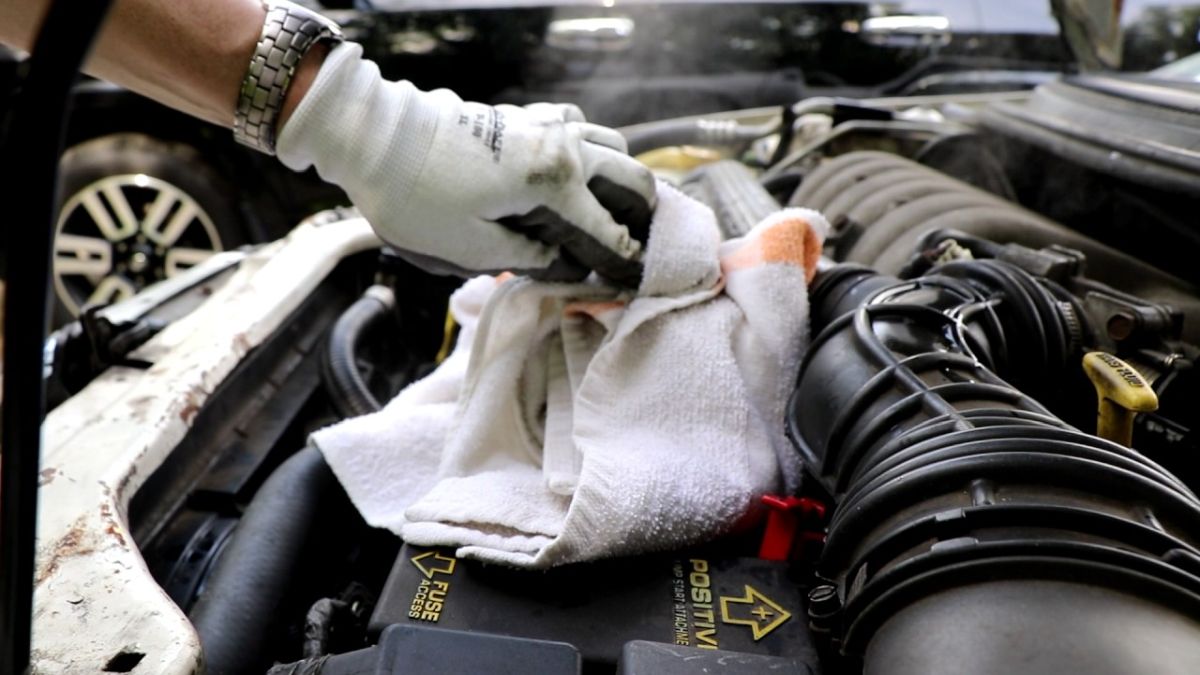
What Are Radiator Failures and Maintenance Recommendations?
The radiator is one of the most important components of a vehicle's cooling system. Its main job is to remove excess heat from the engine coolant and transfer that heat to the surrounding air.
The engine produces a tremendous amount of heat while running. Without an effective cooling system, engine temperature can rise rapidly, leading to overheating and potentially expensive damage to components such as the cylinder head, head gasket, pistons and other internal engine parts.
A radiator problem does not always begin with an obvious coolant leak. A partially blocked radiator, damaged fins, a faulty radiator cap, poor airflow or internal corrosion can gradually reduce cooling performance.
Understanding the common radiator failures and carrying out appropriate maintenance can therefore prevent much more serious engine problems.
How Does a Car Radiator Work?
The radiator is part of a closed cooling system.
When the engine reaches operating temperature, the coolant circulates through passages inside the engine and absorbs heat. The heated coolant then travels to the radiator.
Inside the radiator, the coolant passes through narrow tubes surrounded by metal fins. Air flowing through the radiator removes heat from the coolant.
The cooled coolant then returns to the engine and the cycle continues.
The process can be summarized as:
Engine → Hot coolant → Radiator → Heat released to air → Cooled coolant → Engine
The thermostat controls when coolant is allowed to flow through the radiator, while the cooling fan helps maintain sufficient airflow when natural airflow is inadequate.
The water pump provides coolant circulation.
Because the radiator depends on several other components, an overheating problem does not automatically mean the radiator itself is defective.
Common Radiator Failures
Radiators can fail in several different ways. Some problems are visible from outside, while others require testing.
Coolant leakage
A leaking radiator is one of the most common radiator problems.
Leaks can develop from:
-
Cracked plastic tanks
-
Damaged radiator core
-
Corroded tubes
-
Failed seals
-
Damaged drain plug
-
Loose or damaged connections
-
Cracked hose fittings
A small leak may only appear when the cooling system is hot and pressurized, making it difficult to detect during a simple visual inspection.
Cracked plastic radiator tank
Many modern radiators use plastic side tanks connected to an aluminum core.
Repeated heating and cooling cycles can eventually cause the plastic to become brittle and crack.
A crack may initially cause only a small coolant loss, but it can become significantly worse as pressure and temperature increase.
Blocked radiator passages
Deposits, corrosion products, degraded coolant and contamination can restrict the internal passages of a radiator.
When coolant cannot flow through the radiator efficiently, heat transfer decreases.
The engine may then run hotter, particularly under heavy load or in hot weather.
Damaged radiator fins
The thin fins between the radiator tubes are responsible for transferring heat to the passing air.
They can become:
-
Bent
-
Crushed
-
Corroded
-
Blocked by dirt
-
Damaged by stones or road debris
A radiator can therefore appear to contain plenty of coolant while still having poor cooling performance because airflow through the core is restricted.
External dirt and debris
Leaves, insects, mud and road debris can accumulate between the radiator and condenser.
This reduces airflow through the cooling stack.
The problem can become especially noticeable during slow traffic because the vehicle no longer receives strong natural airflow.
Internal corrosion
Using incorrect coolant, old coolant or contaminated coolant can contribute to corrosion inside the cooling system.
Corrosion can damage radiator passages and create particles that circulate through the system.
Eventually, this can reduce coolant flow or cause leaks.
Symptoms of a Bad Radiator
A radiator problem can produce several different symptoms.
Engine overheating
The most important symptom is an engine temperature that rises above its normal operating range.
Overheating may occur:
-
In traffic
-
During long uphill drives
-
At high engine load
-
At high ambient temperatures
-
At highway speeds
-
After extended driving
The operating conditions can provide clues about the cause.
For example, overheating primarily at low speeds may point toward an airflow or cooling-fan problem, while overheating under sustained load can have several possible causes, including restricted coolant flow.
Coolant level keeps dropping
If the coolant reservoir repeatedly needs to be refilled, there is a problem that needs to be investigated.
The radiator is one possible source, but coolant can also escape through:
-
Hoses
-
Water pump
-
Thermostat housing
-
Heater core
-
Expansion tank
-
Head gasket
-
EGR cooler on some engines
Do not assume that low coolant automatically means the radiator is leaking.
Visible coolant underneath the vehicle
A puddle under the front of the vehicle can indicate a radiator or hose leak.
The color of coolant varies depending on the coolant type, so appearance alone should not be used to identify the source.
Coolant can also spread across other components before reaching the ground.
Sweet coolant smell
A noticeable sweet smell around the engine compartment can indicate coolant escaping from the cooling system.
The leak may be external or, depending on the circumstances, coolant may be entering another part of the vehicle.
Steam from the engine compartment
Steam or vapor from the front of the vehicle can occur when coolant reaches a hot engine or radiator component.
This should not be treated as normal.
If the engine is overheating, continuing to drive can cause serious damage.
Temperature fluctuates abnormally
An engine temperature that repeatedly rises and falls can have several causes.
A radiator restriction can contribute, but the thermostat, coolant level, trapped air, water pump and temperature sensor should also be considered.
Radiator fan runs excessively
A cooling fan that operates much more frequently than normal may indicate that the cooling system is struggling to remove heat.
However, the fan itself, fan control module, temperature sensor or air-conditioning system can also cause this behavior.
Why Does a Radiator Become Blocked?
There are two different types of blockage.
Internal blockage
This occurs inside the coolant passages.
Possible causes include:
-
Rust
-
Corrosion
-
Scale deposits
-
Contaminated coolant
-
Incorrect coolant mixture
-
Cooling-system sealant or stop-leak products
-
Mixing incompatible coolant types
Internal restriction reduces coolant flow and heat transfer.
External blockage
This occurs on the air side of the radiator.
Dust, insects, mud, leaves and other debris can cover the fins.
External blockage is particularly important because the radiator needs a continuous supply of air to remove heat.
Radiator Maintenance Recommendations
Proper maintenance is largely about maintaining the entire cooling system rather than simply cleaning the radiator.
Check the coolant level regularly
Check the coolant level according to the vehicle manufacturer's procedure.
Many vehicles have a coolant expansion reservoir with minimum and maximum markings.
The level should generally be checked when the engine is cold because coolant expands as it heats.
Never open a pressurized cooling-system cap when the engine is hot unless the manufacturer's procedure specifically allows it.
Hot coolant can cause severe burns.
Use the correct coolant
Not every coolant is suitable for every engine.
Coolant specifications vary by manufacturer and engine design.
Using a coolant simply because it has a particular color is not a reliable selection method. Different manufacturers can use similar colors for different formulations.
Always follow the vehicle manufacturer's required coolant specification.
Do not mix incompatible coolants
Mixing different coolant technologies or specifications can sometimes cause chemical incompatibility, deposits or reduced corrosion protection.
If the coolant type is unknown, the correct service procedure may involve draining and flushing the system before filling it with the specified coolant.
Inspect the radiator externally
During routine maintenance, inspect the radiator for:
-
Damaged fins
-
Corrosion
-
Cracks
-
Coolant residue
-
Wet areas
-
Physical damage
-
Blocked airflow
The radiator does not need to look perfectly clean, but significant blockage should be addressed.
Keep the radiator and condenser clean
External dirt can restrict airflow.
Cleaning should be done carefully because radiator fins are thin and easily bent.
High-pressure water directed too closely at the fins can cause damage.
A gentle cleaning method is generally safer.
Inspect radiator hoses
The radiator itself may be perfectly healthy while an old hose causes a coolant leak.
Look for:
-
Cracks
-
Swelling
-
Soft spots
-
Hardening
-
Abrasion
-
Coolant residue
A hose that looks damaged should be replaced rather than repaired temporarily.
What Is the Correct Coolant Mixture?
The correct mixture depends on the coolant product and vehicle.
Many cooling systems use a mixture of antifreeze concentrate and suitable water, but the exact concentration should follow the manufacturer's specifications.
Too much water can reduce freeze and corrosion protection.
Too much antifreeze concentrate can also reduce heat-transfer performance and may not provide the intended protection.
Therefore, "more antifreeze is better" is not a reliable rule.
The cooling system should be filled according to the vehicle and coolant manufacturer's requirements.
Radiator Cap Problems Can Cause Overheating
The radiator cap or expansion-system pressure cap is easy to overlook.
Its job is not simply to close the cooling system. It helps maintain the specified system pressure.
If the cap cannot maintain the correct pressure, coolant may boil at a lower temperature or escape from the system.
A faulty cap can therefore contribute to:
-
Coolant loss
-
Overflow
-
Overheating
-
Pressure problems
-
Air entering the cooling system
A radiator should not automatically be replaced before the pressure cap and the rest of the cooling system have been checked.
Can a Radiator Be Repaired?
Sometimes.
The answer depends on the type and location of the damage and the radiator's construction.
Minor problems may be repairable on some radiator designs, while a cracked plastic tank or severely corroded core may make replacement the more reliable solution.
Temporary leak-sealing products should not be considered a universal repair.
They may reduce leakage temporarily in some situations, but they can also circulate through the cooling system and potentially restrict small passages.
The appropriate repair depends on the vehicle and the exact failure.
Radiator Flush: Is It Necessary?
A cooling-system flush can be useful when coolant is contaminated, severely degraded or when deposits are suspected.
However, flushing should be performed according to the vehicle manufacturer's procedure.
Simply connecting a hose and forcing large amounts of water through the system is not always appropriate.
Some modern cooling systems have complicated passages, different materials and specific bleeding requirements.
After coolant replacement, the system must also be properly filled and air-bled according to the manufacturer's procedure.
Trapped air can cause poor heater performance, temperature fluctuations and overheating.
Radiator vs. Thermostat: Which One Is Causing Overheating?
These two problems are frequently confused.
The radiator removes heat from the coolant.
The thermostat regulates coolant flow according to engine temperature.
A thermostat stuck closed can restrict coolant circulation through the radiator and cause overheating even if the radiator is in perfect condition.
A radiator with blocked passages can also cause overheating even when the thermostat works correctly.
Other possibilities include:
-
Water pump failure
-
Cooling fan failure
-
Low coolant
-
Air trapped in the cooling system
-
Head-gasket problems
-
Radiator cap failure
-
Faulty temperature sensor
-
Restricted coolant passages
This is why replacing the radiator without diagnosis can result in unnecessary expense.
When Should a Radiator Be Replaced?
A radiator may need replacement when it has:
-
A significant coolant leak
-
Severe corrosion
-
Damaged internal passages
-
Extensive fin damage
-
A cracked tank that cannot be reliably repaired
-
Persistent restriction
-
Structural damage
-
Poor cooling performance confirmed by testing
There is not necessarily a universal replacement interval for radiators.
Unlike engine oil or some filters, a radiator is generally replaced based on condition rather than simply reaching a particular mileage.
Important Warning About Overheating
If the temperature warning light comes on, the gauge enters the red zone, or the vehicle displays an overheating warning, continuing to drive can cause serious engine damage.
Potential consequences include:
-
Cylinder-head distortion
-
Head-gasket failure
-
Cracked components
-
Lubrication problems
-
Severe internal engine damage
If the engine is overheating, stop safely and allow it to cool according to the vehicle manufacturer's safety instructions.
Never remove a hot radiator or expansion-tank cap simply to check the coolant.
The cooling system can remain under significant pressure even after the engine has been switched off.
A Healthy Radiator Depends on the Whole Cooling System
A radiator cannot work effectively by itself.
Good cooling performance depends on the cooperation of the:
-
Radiator
-
Coolant
-
Water pump
-
Thermostat
-
Cooling fan
-
Radiator cap or expansion-system cap
-
Hoses
-
Temperature sensors
-
Engine control system
-
Heater circuit
For this reason, radiator maintenance should always be approached as cooling-system maintenance.
Regularly checking coolant level and condition, using the correct coolant specification, keeping the radiator core free from excessive debris, inspecting hoses and responding quickly to overheating or unexplained coolant loss can prevent a relatively simple cooling-system problem from becoming a major engine repair.