TR
TR EN
EN

What Are Injector Failures and Their Symptoms?
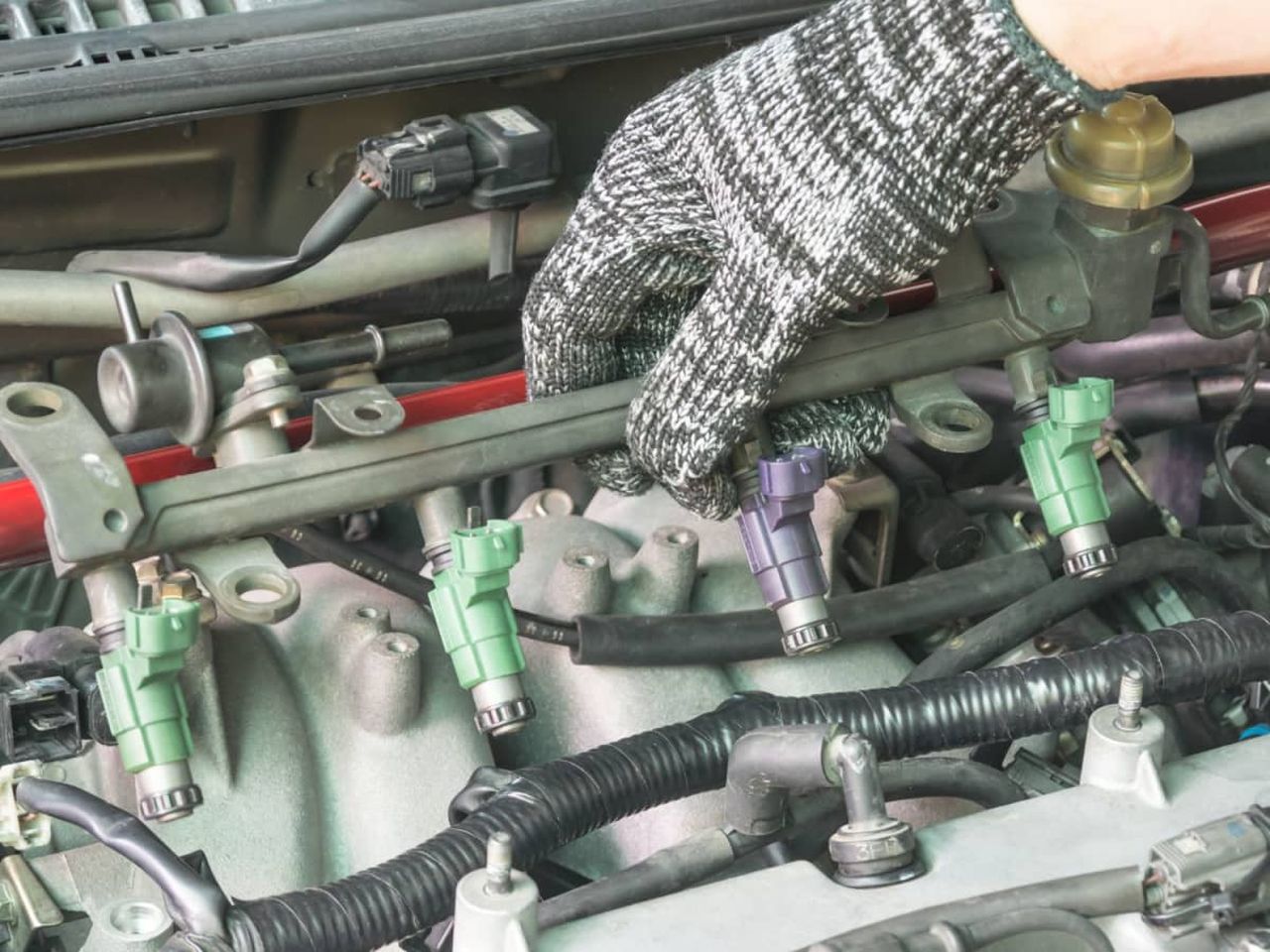
Fuel injectors are among the most important components in a modern engine's fuel system. They control how much fuel is delivered to the engine and, depending on the injection system, where and when that fuel is injected.
When an injector works correctly, it delivers a precisely controlled amount of fuel according to engine speed, load, temperature, and other operating conditions.
When an injector starts to fail, however, the engine may no longer receive the correct amount of fuel. The result can be anything from a slightly rough idle to severe misfires, difficult starting, loss of power, increased fuel consumption, or even damage to the catalytic converter and engine if the problem is ignored.
Injector failures do not all occur in the same way. An injector can become clogged, leak, stick open, stick closed, respond slowly, or develop an electrical fault.
For this reason, understanding the symptoms of different injector failures is important before replacing any parts.
What Does a Fuel Injector Do?
The injector is essentially a controlled fuel valve.
The engine control unit (ECU) determines how much fuel the engine needs and sends an electrical command to the injector. The injector then opens for a specific period of time and allows pressurized fuel to pass through its nozzle.
The amount of fuel delivered depends on several factors, including:
-
Fuel pressure
-
Injector flow capacity
-
Injector opening time
-
Injector closing characteristics
-
Fuel temperature
-
Electrical voltage
-
Engine operating conditions
The ECU constantly adjusts fuel delivery as conditions change.
At idle, the required fuel quantity is relatively small. During acceleration or high engine load, considerably more fuel may be required.
This means an injector must be capable of operating accurately over a wide range of conditions.
What Causes Injector Failure?
Fuel injectors operate in a demanding environment. They are exposed to fuel, heat, pressure, vibration, and contaminants throughout their service life.
Common causes of injector problems include:
-
Contaminated fuel
-
Dirt and deposits
-
Internal varnish formation
-
Restricted fuel filters
-
Poor fuel quality
-
Excessive heat
-
Internal mechanical wear
-
Electrical coil failure
-
Damaged wiring
-
Corroded connectors
-
Incorrect fuel pressure
-
Long periods without proper maintenance
-
Internal leakage
-
Injector nozzle deposits
In direct-injection gasoline and modern diesel engines, injector operating conditions can be particularly demanding because injection pressures are much higher than those used by older systems.
What Are the Most Common Symptoms of Injector Failure?
Injector problems can produce many different symptoms.
The most common include:
-
Rough idle
-
Engine vibration
-
Misfire
-
Difficult starting
-
Long cranking
-
Poor acceleration
-
Hesitation
-
Loss of engine power
-
Increased fuel consumption
-
Poor fuel economy
-
Uneven engine operation
-
Engine stalling
-
Check engine light
-
Lean or rich mixture faults
-
Cylinder-specific misfire codes
-
Fuel odor
-
Black exhaust smoke on some engines
-
Poor cold-start performance
-
Surging
-
Reduced throttle response
The exact symptoms depend on whether the injector is delivering too much fuel, too little fuel, or no fuel at all.
Rough Idle Caused by a Bad Injector
A rough idle is one of the most common symptoms associated with injector problems.
At idle, the engine operates with relatively small quantities of fuel. Because the injected quantity is small, even a modest difference between cylinders can affect engine smoothness.
If one injector delivers less fuel than the others, the affected cylinder may produce less combustion power.
The driver may notice:
-
Uneven engine speed
-
Engine shaking
-
Vibration through the steering wheel
-
A noticeable stumble
-
RPM fluctuations
-
Occasional near-stalling
However, rough idle does not automatically mean that an injector is defective.
Spark plugs, ignition coils, vacuum leaks, compression problems, throttle-body contamination, engine mounts, and sensor faults can create very similar symptoms.
Engine Misfire and Injector Problems
A defective injector can cause a cylinder to misfire.
If an injector does not deliver enough fuel, the mixture can become too lean for reliable combustion.
If it delivers too much fuel, the mixture can become excessively rich and combustion can also become unstable.
The ECU may detect the resulting crankshaft-speed fluctuations and store misfire-related diagnostic trouble codes.
Common examples include:
-
P0300 – Random/Multiple Cylinder Misfire
-
P0301 – Cylinder 1 Misfire
-
P0302 – Cylinder 2 Misfire
-
P0303 – Cylinder 3 Misfire
-
P0304 – Cylinder 4 Misfire
The exact codes available depend on the engine.
A cylinder-specific misfire can provide a valuable diagnostic clue, but a P0301 code, for example, does not prove that the injector for cylinder 1 is faulty.
The same code can result from an ignition problem, low compression, a valve problem, an intake leak, wiring, or another cylinder-specific issue.
What Happens When an Injector Is Clogged?
A clogged injector cannot deliver its designed fuel quantity.
The restriction may be partial or complete.
A partially clogged injector can be particularly difficult to diagnose because the engine may continue running relatively normally under light operating conditions.
The symptoms may become more obvious when the engine requires more fuel.
Possible symptoms include:
-
Hesitation during acceleration
-
Rough idle
-
Reduced power
-
Lean mixture
-
Cylinder-specific misfire
-
Poor high-RPM performance
-
Increased fuel consumption due to ECU compensation
A completely blocked injector can cause a severe misfire or make the affected cylinder effectively stop contributing to engine power.
Why Does a Partially Clogged Injector Cause Problems?
The important point is that injectors do not simply turn fuel flow on and off.
They are precision metering devices.
The ECU may command a specific injection duration, but the actual quantity delivered depends on the injector's physical condition.
If deposits restrict the nozzle, the injector may deliver less fuel than expected during the same command.
For example, two injectors may receive identical electrical commands, but one may deliver significantly less fuel because of internal restriction.
This creates an imbalance between cylinders.
Injector Stuck Closed
An injector that remains closed or fails to open cannot deliver the required fuel.
Possible causes include:
-
Internal mechanical seizure
-
Contamination
-
Failed injector coil
-
Open circuit
-
Short circuit
-
Damaged connector
-
Broken wiring
-
ECU driver problem
The symptoms can include:
-
Severe misfire
-
Rough engine operation
-
Loss of power
-
Engine vibration
-
Lean condition
-
Difficult acceleration
-
Check engine light
If the injector is electrically inactive, testing the electrical circuit becomes especially important.
Injector Stuck Open
An injector that remains open can be more dangerous because it may continuously deliver fuel when it should not.
This creates an excessively rich condition in the affected cylinder.
Possible symptoms include:
-
Strong fuel odor
-
Rough running
-
Misfire
-
Difficult starting
-
Increased fuel consumption
-
Black smoke on applicable engines
-
Rich mixture fault codes
-
Poor throttle response
On gasoline engines, a leaking injector can also allow fuel to enter the cylinder after the engine has been switched off.
In severe cases, fuel can pass the piston rings and enter the engine oil.
This is known as fuel dilution.
Fuel dilution reduces the lubricating properties of engine oil and can increase wear of internal engine components.
Can a Leaking Injector Cause Hard Starting?
Yes.
A leaking injector can cause difficult starting, particularly after the engine has been switched off for a short period.
If fuel continues entering the cylinder after shutdown, the mixture may become excessively rich.
The engine may then require longer cranking before it starts.
Depending on the severity of the leak, the driver may also notice:
-
Fuel smell
-
Uneven starting
-
Rough running immediately after startup
-
Increased oil level
-
Oil that smells strongly of fuel
A rising engine-oil level on some engines can be a serious warning sign and should not be ignored.
Slow Injector Operation
An injector can fail without becoming completely blocked or electrically dead.
It may simply become slower than it should be.
The injector may open and close, but its mechanical response may no longer match the ECU's command accurately.
This can cause:
-
Rough idle
-
Hesitation
-
Poor transient response
-
Uneven acceleration
-
Misfire under certain conditions
-
Poor high-RPM performance
Slow injector operation can be difficult to identify with a simple electrical test.
The injector's actual response and flow characteristics need to be evaluated.
Increased Fuel Consumption
A faulty injector can cause fuel consumption to increase.
This is especially likely if an injector leaks or delivers excessive fuel.
However, increased fuel consumption by itself is not enough to diagnose an injector.
Other possible causes include:
-
Faulty oxygen sensor
-
MAF sensor problems
-
MAP sensor problems
-
Incorrect fuel pressure
-
Thermostat problems
-
Vacuum leaks
-
Poor ignition
-
Dirty air filter
-
Incorrect ECU calibration
-
Low tire pressure
-
Engine mechanical problems
Fuel trims, injector operation, fuel pressure, and combustion quality should be considered together.
Loss of Engine Power
A restricted or malfunctioning injector may prevent the engine from receiving enough fuel during high-load operation.
The vehicle may feel normal during gentle driving but become noticeably weaker when accelerating hard.
Possible symptoms include:
-
Poor acceleration
-
Weak hill-climbing performance
-
Reduced high-RPM power
-
Hesitation under load
-
Misfire during hard acceleration
-
Poor overtaking performance
An injector is only one possible cause.
A restricted fuel filter, weak fuel pump, insufficient fuel pressure, turbocharger problem, air-metering fault, or ignition problem can produce similar symptoms.
Engine Hesitation During Acceleration
Injector problems can become particularly noticeable during rapid changes in engine load.
When the throttle is opened quickly, the engine suddenly requires more fuel.
If an injector is dirty, slow, restricted, or electrically unstable, it may not provide the required quantity quickly enough.
The driver may feel:
-
A hesitation
-
A brief stumble
-
Delayed acceleration
-
Jerking
-
Misfire
-
Uneven power delivery
If the problem occurs only during acceleration, fuel pressure and injector response should both be evaluated.
Fuel Odor From the Engine or Exhaust
A strong fuel smell can indicate that fuel is not being burned correctly or that fuel is leaking.
Possible injector-related causes include:
-
External injector leakage
-
Injector stuck open
-
Excessive fuel delivery
-
Misfire
-
Poor combustion
Fuel odor should never be treated as a normal injector symptom.
A fuel leak can create a fire hazard and should be inspected promptly.
Black Smoke and Injector Failure
Black exhaust smoke generally indicates that the engine is receiving more fuel than it can burn efficiently, although the exact interpretation depends on the engine type.
A leaking or over-fueling injector can contribute to this condition.
Black smoke may be accompanied by:
-
High fuel consumption
-
Rough running
-
Poor acceleration
-
Rich mixture codes
-
Strong exhaust odor
On diesel engines, injector problems can be particularly important because poor injection can significantly affect combustion and emissions.
Injector Problems on Diesel Engines
Diesel injectors operate under extremely demanding conditions.
Modern common-rail diesel systems use very high fuel pressures and extremely precise injection strategies.
A diesel injector problem can produce:
-
Hard starting
-
Rough idle
-
Excessive smoke
-
Engine knock or abnormal combustion noise
-
Poor acceleration
-
Increased fuel consumption
-
Loss of power
-
Misfire-like symptoms
-
Uneven engine operation
-
Difficult cold starting
A leaking diesel injector can also affect fuel pressure and return flow.
For this reason, a diesel injector diagnosis may include a return-flow or leak-off test.
Injector Problems on Gasoline Engines
Gasoline injectors can be used in port-injection or direct-injection systems.
Port fuel injectors spray fuel into the intake port, while gasoline direct injectors deliver fuel directly into the combustion chamber.
A gasoline injector problem may cause:
-
Rough idle
-
Misfire
-
Difficult starting
-
Hesitation
-
Poor acceleration
-
Increased fuel consumption
-
Rich or lean mixture
-
Check engine light
Direct-injection systems require particularly careful diagnosis because their operating pressure and injector design are different from conventional port-injection systems.
LPG Injector Problems
LPG vehicles use a different type of fuel-delivery arrangement.
In a typical sequential vapor-phase LPG system, the regulator first reduces and vaporizes LPG. The LPG ECU then controls the LPG injectors.
A faulty LPG injector can cause:
-
Rough LPG idle
-
LPG-specific misfire
-
Hesitation
-
Poor acceleration
-
Increased LPG consumption
-
Loss of power
-
Engine stalling
-
Cylinder imbalance
-
LPG ECU fault codes
One useful diagnostic clue is whether the engine runs correctly on gasoline but develops a problem only when operating on LPG.
If the issue is limited to one cylinder and LPG pressure remains stable, the corresponding LPG injector becomes a stronger suspect.
Can an Injector Cause a Check Engine Light?
Yes.
An injector can cause the check engine light either directly or indirectly.
The ECU may detect:
-
Cylinder misfire
-
Lean mixture
-
Rich mixture
-
Fuel-trim abnormalities
-
Injector circuit faults
Possible diagnostic trouble codes can therefore include misfire, mixture, or injector-circuit codes.
However, a diagnostic code should be interpreted as evidence of a system problem rather than automatic proof that the injector itself needs replacement.
For example, a lean condition can be caused by an injector, but it can also result from a vacuum leak, low fuel pressure, unmetered air, or an air-metering problem.
Injector Electrical Failure
Not every injector problem is mechanical.
The injector's internal electrical coil or piezoelectric actuator, depending on design, can fail.
Electrical problems may include:
-
Open circuit
-
Short circuit
-
Incorrect resistance
-
Internal coil failure
-
Connector corrosion
-
Broken wiring
-
Poor electrical contact
-
ECU driver failure
An electrical problem can cause an injector to stop operating completely.
However, measuring resistance alone does not provide a complete injector diagnosis.
An injector can have acceptable resistance while still being mechanically restricted or leaking.
How Do You Test a Fuel Injector?
A proper injector diagnosis usually involves several different tests.
Visual inspection
Check for damaged connectors, wiring problems, fuel leakage, corrosion, and other obvious problems.
Electrical testing
The injector's resistance or electrical characteristics can be compared with manufacturer specifications.
This can identify certain electrical failures.
However, electrical resistance does not prove that the injector is mechanically healthy.
Injector activation test
A diagnostic tool or suitable test equipment may be used to determine whether the injector responds to a command.
Hearing a clicking sound can confirm that some mechanical movement is occurring, but it does not prove that the injector is delivering the correct quantity of fuel.
Fuel-pressure testing
Fuel pressure should be checked because insufficient pressure can make multiple injectors appear faulty.
A weak fuel pump or restricted filter can produce symptoms similar to clogged injectors.
Flow testing
A professional injector test can measure actual fuel delivery.
This can reveal:
-
Low flow
-
Uneven flow
-
Poor spray pattern
-
Slow response
-
Leakage
-
Incorrect closing behavior
Flow testing is much more useful than simply listening for an injector click.
What Is an Injector Balance Test?
An injector balance test compares the contribution of individual injectors.
The objective is to determine whether one injector is delivering significantly more or less fuel than the others.
If one cylinder consistently behaves differently, that information can help isolate the problem.
Depending on the vehicle, technicians may use scan-tool data, fuel-pressure changes, cylinder contribution information, or specialized injector testing equipment.
The exact test procedure varies by fuel system.
Can Cleaning Fix a Bad Injector?
Sometimes.
Cleaning can be effective when the problem is caused by deposits or contamination.
However, cleaning cannot repair every type of injector failure.
Cleaning is unlikely to solve problems caused by:
-
Broken electrical coils
-
Severe internal wear
-
Damaged injector bodies
-
Mechanical deformation
-
Serious leakage
-
Damaged electrical connections
The correct cleaning method also depends on the injector design.
A professional ultrasonic cleaning and flow test can provide much more useful information than simply adding a fuel-system cleaner to the tank.
Should All Injectors Be Replaced Together?
Not necessarily.
If one injector fails, replacing only the defective injector may be appropriate in some systems.
However, whether individual replacement is suitable depends on the engine and injector design.
In some applications, injectors may require flow matching or coding after replacement.
Diesel common-rail systems, for example, may require injector calibration codes to be entered into the ECU after installation.
Some LPG systems may also require injector type, flow characteristics, or calibration parameters to be configured.
The manufacturer's procedure should always be followed.
What Happens After Replacing an Injector?
Replacing the injector is not always the final step.
Depending on the vehicle, the following may be required:
-
Injector coding
-
Injector calibration
-
Fuel-trim adaptation
-
ECU relearning
-
LPG calibration
-
Road testing
-
Checking fuel pressure
-
Checking misfire counters
-
Clearing diagnostic codes
A replacement injector with different flow characteristics can affect mixture control if it is not correctly matched to the system.
Can a Bad Injector Damage the Engine?
Yes, prolonged injector problems can potentially cause secondary damage.
An injector that delivers too little fuel may create a lean condition and misfire.
An injector that delivers too much fuel may create an excessively rich condition.
A leaking gasoline injector can dilute engine oil with fuel.
Repeated misfires can also send unburned fuel into the catalytic converter, causing excessive temperature and potentially damaging the catalyst.
On diesel engines, severe injector problems can contribute to abnormal combustion, excessive smoke, oil dilution, and other mechanical problems.
This is why persistent injector symptoms should not be ignored.
Injector Failure or Ignition Failure?
Injector problems are frequently confused with ignition problems.
Both can cause:
-
Rough running
-
Misfire
-
Hesitation
-
Loss of power
-
Check engine light
A useful diagnostic approach is to compare the behavior of the affected cylinder.
For example, if an ignition coil is moved to another cylinder and the misfire follows the coil, the ignition system becomes the stronger suspect.
If the misfire remains on the original cylinder, the technician can continue investigating the injector, wiring, compression, fuel delivery, or other cylinder-specific causes.
This type of controlled testing is much more reliable than replacing several components at random.
Injector Failure or Low Fuel Pressure?
Low fuel pressure can create injector-like symptoms.
If the fuel pump is weak or the fuel filter is restricted, all injectors may receive insufficient fuel pressure.
The result can be:
-
Hesitation
-
Loss of power
-
Lean mixture
-
Difficult starting
-
Misfire under load
Therefore, fuel pressure should be measured before condemning multiple injectors.
If several cylinders show similar symptoms at the same time, a common fuel-supply problem may be more likely than several injectors failing simultaneously.
What Should Be Checked Before Replacing an Injector?
Before replacing an injector, a systematic diagnosis is recommended.
Check:
-
Diagnostic trouble codes
-
Misfire counters
-
Fuel pressure
-
Fuel trims
-
Injector electrical resistance
-
Injector wiring
-
Injector connectors
-
Injector activation
-
Injector flow
-
Injector leakage
-
Spark plugs
-
Ignition coils
-
Compression
-
Vacuum leaks
-
MAF or MAP data
-
Oxygen sensor information
-
Fuel filter condition
-
Fuel pump operation
For LPG vehicles, also check:
-
LPG pressure
-
Regulator operation
-
LPG filter
-
LPG injector opening times
-
LPG pressure sensor
-
LPG calibration
-
Gas-line connections
-
Coolant circulation through the regulator
This approach prevents an expensive injector replacement when the real problem is somewhere else.
Final Thoughts
Injector failures can take many forms, and their symptoms are not always obvious.
A clogged injector may cause a lean cylinder and misfire. A leaking injector may create an excessively rich mixture, fuel odor, hard starting, or even fuel contamination of engine oil. An electrically failed injector can stop a cylinder from receiving fuel altogether, while a slow or partially restricted injector may create subtle hesitation and poor performance.
The most important point is that an injector should not be diagnosed solely from one symptom or one fault code.
A proper diagnosis should combine fuel pressure measurements, electrical testing, injector activation, fuel-trim information, misfire data, and, when necessary, professional injector flow and leakage testing.
If the engine runs normally on one fuel but develops a cylinder-specific problem on another fuel, that comparison can also provide a valuable diagnostic clue.
Because injectors directly affect combustion, ignoring a persistent injector problem can eventually lead to more expensive issues involving the catalytic converter, engine oil, emissions system, or internal engine components.
The best solution is therefore to identify exactly how the injector is failing before deciding whether it needs cleaning, repair, or replacement.