TR
TR EN
EN

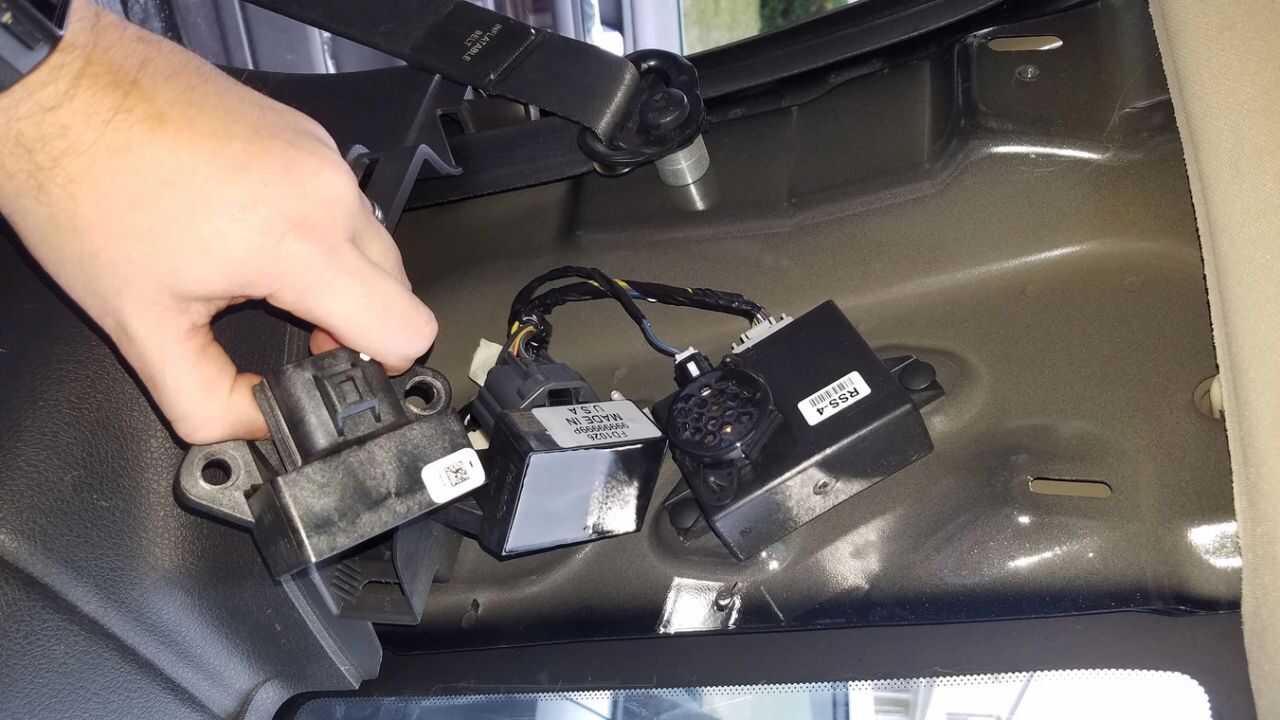
What Is a Fuel Pump Control Module (FPCM)? What Are the Symptoms of FPCM Failure?
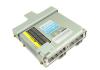
The Fuel Pump Control Module (FPCM) is an electronic control unit responsible for controlling and monitoring the operation of the fuel pump in many modern vehicles.
It is sometimes referred to as the Fuel Pump Driver Module (FPDM) or by another manufacturer-specific name. Although the terminology varies, its basic purpose is to regulate fuel pump operation and help ensure that the engine receives the appropriate amount of fuel under different operating conditions.
Older fuel systems often operated the fuel pump in a relatively simple way. The pump was commonly switched on through a relay and supplied with a fixed electrical voltage.
Modern fuel systems can be much more sophisticated.
The FPCM can adjust fuel pump operation according to engine demand, fuel pressure requirements, vehicle operating conditions, and information received from other control modules.
This allows the fuel system to operate more efficiently while maintaining the fuel pressure required by the engine.
What Does the Fuel Pump Control Module Do?
The primary function of the FPCM is to control the electrical operation of the fuel pump.
Depending on the vehicle, it may:
-
Control fuel pump speed
-
Regulate voltage or current supplied to the fuel pump
-
Monitor fuel pump operation
-
Receive fuel pressure information
-
Communicate with the engine control module
-
Detect electrical faults
-
Detect abnormal fuel pump operation
-
Set diagnostic trouble codes
-
Shut down the fuel pump when required
The exact functions depend on the vehicle's fuel system.
Some vehicles use the FPCM to control a traditional in-tank fuel pump, while others use it as part of a more complex fuel delivery system.
Why Do Modern Vehicles Need a Fuel Pump Control Module?
The engine does not always require the same amount of fuel.
At idle, fuel demand is relatively low.
During heavy acceleration, high engine load, or high engine speed, fuel demand can increase substantially.
Running the fuel pump at maximum output all the time is not always necessary.
An FPCM allows the vehicle to control pump operation according to demand.
This can provide several advantages, including:
-
More precise fuel delivery
-
Reduced electrical load
-
Improved fuel-pump efficiency
-
Reduced fuel heating in some systems
-
Better fuel pressure management
-
Improved emissions control
-
More efficient operation
The control strategy differs from one vehicle to another.
How Does an FPCM Work?
The FPCM receives commands or information from the vehicle's electronic systems.
The engine control module may request a particular fuel delivery level based on operating conditions.
The FPCM then controls the fuel pump accordingly.
Depending on the system, the module may regulate the voltage, current, or duty cycle supplied to the pump.
A simplified operating sequence can be described as:
Engine operating conditions → Engine control module → FPCM → Fuel pump → Fuel delivery
The actual architecture may be more complex.
Some vehicles also use a fuel pressure sensor to provide feedback about actual fuel pressure.
The FPCM can use this information to determine whether the fuel system is operating as expected.
Does Every Vehicle Have an FPCM?
No.
Not every vehicle uses a dedicated Fuel Pump Control Module.
Some vehicles use a conventional fuel pump relay or another type of control circuit instead.
Others integrate fuel pump control functions into another control module.
Therefore, the absence of an FPCM on a particular vehicle is not necessarily a problem.
The vehicle's specific electrical and fuel-system architecture must be considered.
Where Is the Fuel Pump Control Module Located?
The location varies significantly between vehicles.
The FPCM may be installed:
-
Near the fuel tank
-
Above or near the fuel tank
-
Under the vehicle
-
Near the rear seat
-
Inside the passenger compartment
-
In the trunk area
-
Near other electronic control modules
In some vehicles, the module is located relatively close to the fuel tank because this simplifies the electrical connection between the control module and fuel pump.
The exact location should be confirmed using the vehicle's service information.
What Are the Symptoms of FPCM Failure?
A faulty fuel pump control module can cause a variety of fuel-system symptoms.
Common symptoms include:
-
Engine cranks but does not start
-
Hard starting
-
Engine stalling
-
Loss of engine power
-
Poor acceleration
-
Intermittent starting problems
-
Fuel pressure problems
-
Reduced fuel delivery
-
Check Engine Light
-
Fuel pump not operating correctly
-
Fuel pump running at an incorrect speed
-
FPCM-related diagnostic trouble codes
The symptoms can vary depending on whether the module has completely failed or is experiencing an intermittent electrical problem.
Engine Cranks but Does Not Start
One of the most serious symptoms of an FPCM problem is a crank-no-start condition.
The starter may turn the engine normally, but the engine may not start because the fuel pump is not receiving the correct electrical command.
However, an engine that cranks but does not start does not automatically indicate an FPCM failure.
Other possible causes include:
-
Failed fuel pump
-
Fuel pump fuse
-
Fuel pump relay
-
Wiring problem
-
Poor ground
-
Fuel pressure sensor problem
-
Engine control module fault
-
Crankshaft position sensor problem
-
Immobilizer-related issue
-
Fuel system blockage
Proper diagnosis is therefore essential.
Hard Starting
A failing FPCM can sometimes cause the fuel pump to operate incorrectly.
If fuel pressure does not reach the required level before or during engine starting, the engine may take longer to start.
The driver may notice that:
-
The engine cranks longer than normal
-
The engine starts after several attempts
-
Starting is worse when the vehicle is hot
-
Starting is intermittent
Again, these symptoms can have several causes, so fuel pressure and pump operation should be tested before replacing the FPCM.
Engine Stalling
An FPCM problem can potentially cause the engine to stall if fuel pump operation is interrupted while the engine is running.
The engine may suddenly lose fuel pressure and stop.
In some cases, the problem may be intermittent.
For example, the vehicle may start and drive normally for several minutes before the fuel pump stops receiving the correct control signal.
An intermittent electrical connection, overheating module, damaged wiring, or internal module fault can all produce this type of behavior.
Loss of Engine Power
If the FPCM cannot provide the required electrical control to the fuel pump, the pump may not deliver enough fuel under high-load conditions.
The engine may then experience:
-
Weak acceleration
-
Reduced high-speed performance
-
Hesitation
-
Misfire under load
-
Reduced boost on some turbocharged engines
-
Poor throttle response
Low fuel pressure can cause similar symptoms even when the FPCM is functioning correctly.
A fuel pressure test can therefore be an important part of diagnosis.
Fuel Pressure Problems
One of the main consequences of an FPCM problem is incorrect fuel pump operation.
Depending on the system, the result can be:
-
Low fuel pressure
-
Unstable fuel pressure
-
Insufficient pressure under load
-
Delayed pressure build-up
-
Pressure that does not follow the commanded value
However, fuel pressure is affected by many components.
Possible causes include:
-
Fuel pump wear
-
Restricted fuel filter
-
Fuel pressure regulator problem
-
Fuel pressure sensor fault
-
Fuel line restriction
-
Electrical supply problem
-
FPCM fault
A low-pressure reading alone does not prove that the FPCM is defective.
Check Engine Light
An FPCM-related problem can cause the Check Engine Light to illuminate.
The engine control system may detect problems involving:
-
Fuel pump control
-
Fuel pressure
-
Pump circuit voltage
-
Pump circuit current
-
Communication with the FPCM
-
Fuel pressure feedback
The exact diagnostic trouble code depends on the vehicle manufacturer and system design.
Reading the stored codes can provide a useful starting point for diagnosis.
Can a Bad FPCM Cause a Fuel Pump Not to Run?
Yes.
If the FPCM has completely failed or is not receiving the necessary power, ground, or command signal, the fuel pump may not operate.
However, a fuel pump that does not run does not automatically mean the FPCM is bad.
The technician should also check:
-
Fuel pump fuse
-
Relay, if equipped
-
Module power supply
-
Module ground
-
Pump wiring
-
Pump connector
-
Engine control module communication
-
Fuel pump condition
This distinction is important because replacing the control module when the actual problem is a failed fuel pump can waste money without solving the problem.
Can a Bad FPCM Damage the Fuel Pump?
A malfunctioning control module can potentially cause abnormal pump operation depending on the type of internal failure.
For example, an electrical control problem could cause the pump to receive an incorrect command.
However, it would be incorrect to assume that every failed FPCM damages the fuel pump.
The condition of both components should be evaluated when a fuel pump control problem is diagnosed.
Can a Bad Fuel Pump Cause an FPCM Fault Code?
Yes.
This is another important diagnostic point.
The FPCM may monitor the electrical behavior of the fuel pump.
If the pump draws excessive current, draws insufficient current, becomes mechanically restricted, or develops an electrical fault, the control module may detect an abnormal condition.
As a result, a diagnostic code may point toward the fuel pump control circuit even though the root cause is the pump itself.
The code should therefore be interpreted together with electrical and fuel-pressure testing.
What Causes a Fuel Pump Control Module to Fail?
Several conditions can cause FPCM problems.
Electrical overload
A fuel pump that develops excessive electrical resistance or mechanical wear may draw abnormal current.
This can place additional stress on the control circuit.
Water intrusion
Some FPCM units are mounted underneath the vehicle or close to the fuel tank.
Water, road salt, and moisture can eventually damage connectors or the module.
Corrosion
Corroded terminals can increase electrical resistance and cause intermittent faults.
Poor ground connection
An inadequate ground can cause unstable module operation.
Damaged wiring
Open circuits, short circuits, or damaged wires can interrupt communication or power delivery.
Heat
Electronic components can be affected by prolonged exposure to high temperatures.
Internal electronic failure
Components inside the module can fail because of age, thermal stress, electrical problems, or manufacturing defects.
Can Water Damage an FPCM?
Yes.
Water intrusion is a common concern for electronic modules located near the underside or rear of a vehicle.
If water enters the module or its connectors, corrosion can develop.
The vehicle may initially operate normally and then develop intermittent problems later.
Signs of possible water-related damage include:
-
Green or white corrosion on terminals
-
Rust around connectors
-
Intermittent fuel pump operation
-
Communication faults
-
Multiple electrical problems
-
Module-related diagnostic trouble codes
Water damage should be addressed rather than simply clearing the stored fault codes.
Can Wiring Problems Look Like an FPCM Failure?
Absolutely.
A wiring problem can create almost the same symptoms as a failed FPCM.
For example, a broken power wire can make a perfectly functional module appear to be dead.
Possible wiring-related problems include:
-
Open circuit
-
Short to ground
-
Short to power
-
High resistance
-
Poor ground
-
Corroded connector
-
Loose terminal
-
Damaged harness
This is why power, ground, communication, and pump circuits should be checked before replacing the module.
How Is an FPCM Diagnosed?
A systematic diagnostic process is the best way to identify the actual cause.
The first step is usually to scan the vehicle for diagnostic trouble codes.
The technician can then determine whether the problem relates to:
-
Fuel pump control
-
Fuel pressure
-
Electrical supply
-
Communication
-
Sensor feedback
Next, the FPCM's power supply and ground should be checked according to the manufacturer's specifications.
The wiring and connectors should also be inspected.
The fuel pump itself should be evaluated.
Finally, fuel pressure and, where available, commanded versus actual fuel pump operation can be compared.
What Data Can Be Checked With a Diagnostic Scanner?
Advanced diagnostic equipment may provide useful information from the FPCM and engine control system.
Depending on the vehicle, available data may include:
-
Fuel pump command
-
Fuel pump duty cycle
-
Fuel pressure
-
Desired fuel pressure
-
Actual fuel pressure
-
Fuel pump current
-
Module voltage
-
Pump speed
-
Communication status
Comparing commanded and actual values can help identify whether the problem is electrical, mechanical, or related to fuel pressure.
Not every vehicle provides the same live data.
Does an FPCM Need Programming?
Sometimes.
When an FPCM is replaced, certain vehicles may require:
-
Programming
-
Coding
-
Configuration
-
Module initialization
-
Software update
Other vehicles may not require any special programming after installation.
The requirement depends on the vehicle and module.
This is why the replacement procedure should be checked before installing a new FPCM.
Can a Used FPCM Be Installed?
A used FPCM may be usable on some vehicles, but compatibility must be verified.
Important factors can include:
-
Part number
-
Hardware version
-
Software version
-
Vehicle configuration
-
Communication protocol
-
Programming requirements
A module that looks physically identical may not necessarily be compatible with every vehicle using a similar fuel system.
Can an FPCM Be Repaired?
In some cases, an FPCM can be professionally repaired.
Repair may be possible when the problem involves certain electronic components, solder joints, power circuits, or other repairable internal faults.
However, not every module is suitable for repair.
A severely corroded, physically damaged, or extensively water-damaged module may require replacement.
The decision should be based on the module's condition and the manufacturer's recommended repair procedure.
Is an FPCM the Same as a Fuel Pump?
No.
The fuel pump is the component that physically moves fuel through the fuel system.
The Fuel Pump Control Module is the electronic component that controls or regulates the operation of the fuel pump in vehicles equipped with this type of system.
They are separate components, although their functions are closely connected.
A problem with one can affect the operation of the other.
Is an FPCM the Same as a Fuel Pump Relay?
No.
A traditional fuel pump relay is essentially an electrically controlled switch.
An FPCM can perform much more sophisticated control.
Depending on the vehicle, an FPCM may regulate pump speed, monitor electrical current, communicate with other modules, and respond to fuel pressure feedback.
Some modern systems may use both a relay and a fuel pump control module, while others use a different architecture.
Can a Bad FPCM Cause Poor Fuel Economy?
It can, but this is not one of the most specific symptoms.
If the FPCM is not controlling the pump correctly, fuel pressure may not match the engine's requirements.
This can affect engine operation and potentially fuel consumption.
However, poor fuel economy has many possible causes, including:
-
Faulty oxygen sensors
-
Dirty or defective injectors
-
Incorrect fuel pressure
-
Air intake problems
-
Thermostat problems
-
Ignition faults
-
Tire pressure
-
Driving conditions
Therefore, poor fuel economy alone should not be used to diagnose an FPCM failure.
Can a Bad FPCM Cause Misfires?
Potentially.
If a malfunctioning FPCM results in insufficient fuel delivery, the engine can develop a lean condition under certain operating conditions.
This can contribute to hesitation or misfire.
However, misfires can also be caused by:
-
Spark plugs
-
Ignition coils
-
Fuel injectors
-
Vacuum leaks
-
Compression problems
-
Airflow problems
-
Sensor faults
Fuel pressure and fuel delivery should be checked before concluding that the FPCM caused the misfire.
What Happens If the FPCM Loses Communication?
In vehicles where the FPCM communicates with the engine control module over the vehicle network, a communication failure can affect fuel pump operation.
Possible causes include:
-
FPCM failure
-
CAN wiring problems
-
Low battery voltage
-
Poor ground
-
Connector corrosion
-
Another module interfering with communication
The vehicle may experience a no-start condition or other fuel-system symptoms.
A communication code should therefore be investigated as a network problem rather than automatically interpreted as an internal FPCM failure.
How Long Does a Fuel Pump Control Module Last?
There is generally no universal replacement interval for an FPCM.
It is not normally considered a routine maintenance item.
A properly functioning module can remain in service for many years.
Its lifespan depends on factors such as:
-
Vehicle design
-
Electrical system condition
-
Heat exposure
-
Moisture exposure
-
Fuel pump condition
-
Wiring condition
-
Environmental conditions
If the module continues to function correctly, there is normally no reason to replace it simply because the vehicle has reached a particular mileage.
Should You Replace the FPCM When the Fuel Pump Fails?
Not automatically.
A failed fuel pump does not prove that the FPCM is faulty.
Likewise, an FPCM fault code does not prove that the fuel pump itself is good.
Both components should be tested.
If the pump has excessive current draw, internal electrical damage, mechanical wear, or another fault, replacing only the FPCM may cause the replacement module to experience the same problem.
A complete diagnosis is therefore much more important than replacing parts based on symptoms alone.
Final Thoughts
The Fuel Pump Control Module (FPCM) is an important part of the fuel system in many modern vehicles.
Its main purpose is to control and monitor the operation of the fuel pump. Depending on the vehicle, it can regulate pump speed, monitor electrical operation, communicate with the engine control module, and use fuel pressure information to help maintain the required fuel delivery.
The most common symptoms associated with FPCM problems can include hard starting, crank-no-start conditions, engine stalling, loss of power, fuel pressure problems, Check Engine Light, and intermittent fuel pump operation.
However, these symptoms are not exclusive to FPCM failure.
A defective fuel pump, damaged wiring, poor ground, blown fuse, failed relay, fuel pressure sensor problem, communication fault, or low battery voltage can produce similar symptoms.
For this reason, the FPCM should not be replaced simply because the fuel pump is not working or a fuel-pressure problem has been detected.
A proper diagnosis should check the module's power and ground, wiring, communication, fuel pump operation, and fuel pressure.
If the FPCM itself is confirmed to be defective, replacement or professional repair may be possible depending on the vehicle and the condition of the module.
Some vehicles may also require coding, programming, or initialization after installing a replacement FPCM.
Because fuel delivery is essential for engine operation, an FPCM-related fault should be diagnosed carefully rather than treated as a simple fuel pump replacement problem.