TR
TR EN
EN

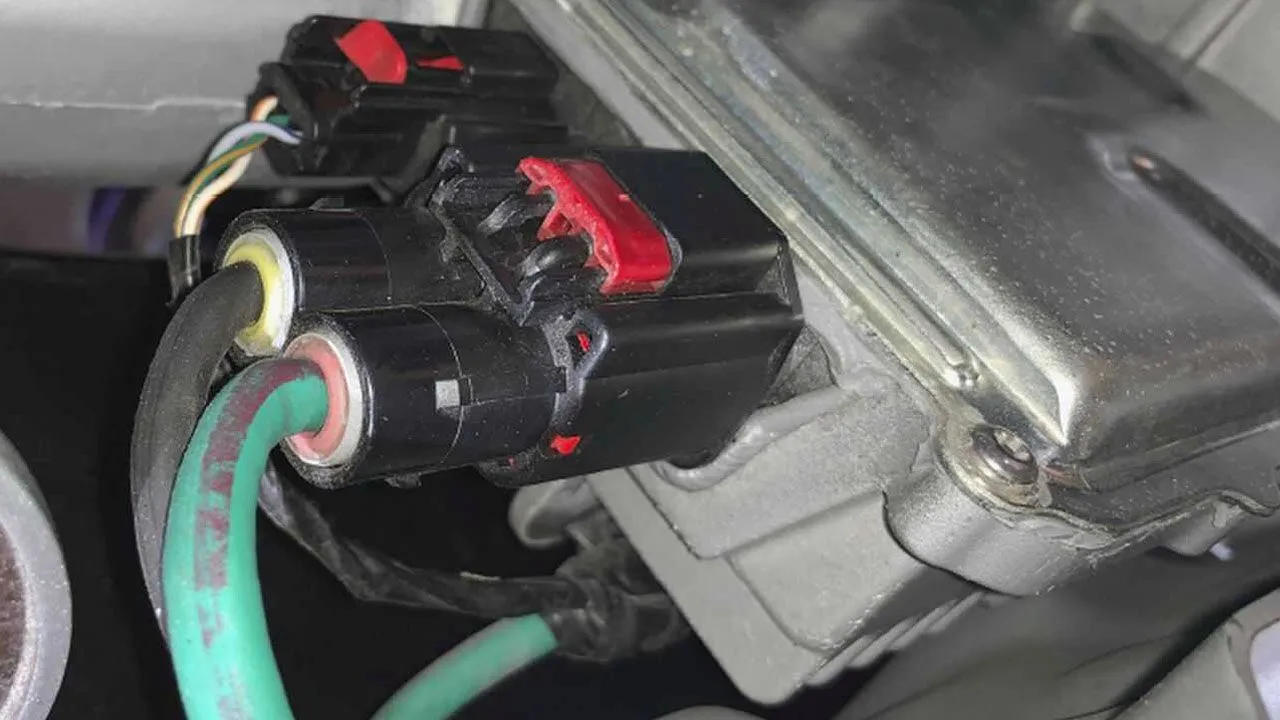
What Is a Steering Control Module? What Does It Do?
The steering control module is an electronic control unit used in modern vehicles to monitor and manage various functions related to the steering system.
Depending on the vehicle, it may be responsible for controlling or communicating with the electric power steering (EPS) system, steering wheel controls, steering angle information, and other steering-related functions.
The exact name and function of the module can vary between manufacturers. Some vehicles have a dedicated steering control module, while others integrate steering functions into an EPS control unit, steering column control module, body control module, or another electronic control system.
As vehicles have become increasingly electronic, the steering system has also evolved.
Older vehicles could operate their steering systems almost entirely through mechanical and hydraulic components. Modern vehicles may use electric motors, sensors, control modules, communication networks, and software to assist the driver and provide information to other safety systems.
What Does a Steering Control Module Do?
The main job of a steering control module is to process information related to steering and control the functions assigned to it.
Depending on the vehicle, it may handle or exchange information concerning:
-
Electric power steering assistance
-
Steering wheel angle
-
Steering wheel controls
-
Steering torque
-
Steering position
-
Steering column functions
-
Steering-related warning systems
-
Communication with the ABS/ESC system
-
Driver assistance systems
-
Vehicle network communication
Not every steering control module performs all of these functions.
The exact responsibilities depend on the vehicle's architecture and the equipment installed.
How Does a Steering Control Module Work?
A steering control module receives information from various sensors and switches.
It processes this information using programmed software and then communicates with other vehicle systems or controls an actuator when required.
In an electric power steering system, for example, the system can use information such as:
-
Steering torque
-
Steering angle
-
Vehicle speed
-
Motor position
-
Motor current
-
Electrical system voltage
The control unit uses this information to determine how much steering assistance should be provided.
At low vehicle speeds, more assistance may be desirable because turning the steering wheel requires greater effort.
At higher speeds, the system can reduce assistance to provide a more natural and stable steering feel.
What Is the Difference Between a Steering Control Module and an EPS Module?
These terms can sometimes be confusing because manufacturers use different system architectures.
An EPS module specifically refers to the electronic control unit associated with electric power steering.
A steering control module can have a broader meaning and may control or communicate with several steering-related functions.
In some vehicles, the steering control module and EPS control unit may be separate.
In others, they may be integrated into the same assembly.
Therefore, the exact function should always be determined according to the specific vehicle and module part number.
What Is Electric Power Steering?
Electric power steering, commonly called EPS, uses an electric motor to assist the driver when turning the steering wheel.
Unlike traditional hydraulic power steering, EPS does not require a continuously driven hydraulic pump to provide steering assistance.
The electronic system determines how much assistance is required and commands the electric motor accordingly.
This design can improve efficiency because the motor generally provides assistance when needed rather than requiring an engine-driven hydraulic pump to operate continuously.
What Sensors Does the Steering System Use?
Modern steering systems can use several sensors.
Depending on the vehicle, these may include:
Steering angle sensor
This sensor determines the steering wheel or steering system's angular position.
The information can be used by the steering system itself and by systems such as ABS and electronic stability control.
Steering torque sensor
This sensor detects how much torque the driver is applying to the steering wheel.
The EPS system uses this information to determine the required level of electric assistance.
Motor position sensor
In electric steering systems, information about the electric motor's position can be required for accurate motor control.
Vehicle speed information
Steering assistance can also depend on vehicle speed.
This information may come from another control module through the vehicle communication network rather than from a dedicated steering sensor.
Why Is the Steering Angle Sensor Important?
The steering angle sensor provides information about the driver's steering input.
This information is particularly important for electronic stability control and other driver assistance systems.
For example, the vehicle can compare the driver's intended direction, represented partly by steering angle, with the vehicle's actual movement.
This allows systems such as ESC to determine whether the vehicle is following the intended path.
A steering angle sensor problem can therefore affect more than the steering system itself.
What Happens When the Steering Control Module Fails?
A steering control module failure can produce different symptoms depending on which function has been affected.
Possible symptoms include:
-
Steering warning light
-
Increased steering effort
-
Loss of electric power steering assistance
-
Intermittent power steering assistance
-
Steering-related fault messages
-
Steering angle-related fault codes
-
Communication errors
-
Driver assistance warnings
-
ABS or ESC warning lights
-
Steering wheel control problems
A failed module does not necessarily cause all of these symptoms.
The exact behavior depends on the type of failure and the vehicle's system architecture.
Can a Steering Control Module Cause Heavy Steering?
Yes, it can.
If an electric power steering control system stops functioning correctly, the electric motor may stop providing the expected level of assistance.
The steering wheel can then become significantly heavier, particularly at low speeds.
However, heavy steering does not automatically mean that the steering control module has failed.
Other possible causes include:
-
EPS motor problems
-
Low battery voltage
-
Charging-system problems
-
Steering torque sensor faults
-
Steering angle sensor problems
-
Wiring faults
-
Connector problems
-
Mechanical steering problems
-
Steering rack problems
A complete diagnosis is therefore necessary.
Can a Weak Battery Affect the Steering System?
Yes.
Electric power steering systems can be sensitive to the vehicle's electrical supply because the steering motor can require substantial electrical current.
A weak battery, poor charging system, damaged ground connection, or low system voltage can cause steering-related warning lights or temporary faults.
Some vehicles may reduce or disable electric steering assistance when the electrical system voltage becomes abnormal.
For this reason, battery and charging-system condition should be checked when an EPS warning appears.
However, replacing the battery without reading the fault codes is not always the correct solution.
What Causes Steering Control Module Failure?
Several factors can affect a steering control module.
Electrical problems
Voltage spikes, low voltage, charging-system faults, and poor electrical connections can affect electronic modules.
Water intrusion
Water entering the steering column, cabin, or module area can cause corrosion and electronic failure.
Wiring damage
Open circuits, short circuits, damaged wires, and poor grounds can interrupt communication or power supply.
Connector problems
Loose, damaged, contaminated, or corroded connectors can cause intermittent faults.
Internal electronic failure
Electronic components inside the module can fail due to age, heat, electrical stress, or physical damage.
Mechanical problems
In some integrated steering systems, mechanical problems within the steering rack or motor assembly can also cause electronic steering faults.
Can a Steering Control Module Be Repaired?
In some cases, yes.
Whether repair is possible depends on the module design and the nature of the fault.
Some modules can be professionally repaired when the problem is related to certain electronic components, power circuits, communication circuits, or other repairable internal faults.
However, not every module is economically or technically suitable for repair.
A severely damaged module, water-damaged unit, or module with extensive internal failure may require replacement.
The manufacturer's service procedure should be considered before choosing repair or replacement.
Does a Steering Control Module Need Programming?
It can.
When a steering control module is replaced, it may need to be configured for the vehicle.
Depending on the manufacturer and system, this can involve:
-
Coding
-
Programming
-
Calibration
-
Variant configuration
-
Steering angle calibration
-
Vehicle configuration
-
Software initialization
A replacement module that physically fits the vehicle may not work correctly until it has been properly configured.
Why Does Steering Angle Calibration Matter?
A steering angle sensor may need calibration after certain repairs.
For example, calibration can be required after:
-
Steering rack replacement
-
Steering wheel removal
-
Steering column work
-
Wheel alignment
-
Suspension repairs
-
Steering angle sensor replacement
-
Certain battery or module-related procedures
The exact requirements depend on the vehicle.
If the steering angle information is incorrect, systems such as ABS and ESC may record faults.
Can Wheel Alignment Cause a Steering Control Module Fault?
Wheel alignment itself does not normally damage the steering control module.
However, steering-related repairs and alignment procedures can sometimes result in a steering angle that is no longer correctly centered relative to the vehicle.
If the steering wheel or steering system position does not match the sensor's expected reference position, calibration may be required.
This is why steering angle calibration is sometimes performed after alignment or steering repairs.
Can a Steering Control Module Cause ABS or ESP Warning Lights?
Yes, in some situations.
Modern vehicles share information between different control modules.
The steering system can communicate steering angle or other information to the ABS/ESC system.
If this information is missing, invalid, or outside the expected range, the ABS or ESC system may store a fault.
As a result, a steering-related problem can sometimes produce multiple warning lights.
However, multiple warning lights do not prove that the steering control module is defective.
The stored fault codes from the relevant modules should be diagnosed together.
Can a Steering Control Module Cause a Communication Error?
Yes.
Modern vehicles use communication networks such as CAN to allow control modules to exchange information.
If the steering control module loses communication with another module, diagnostic equipment may record a communication-related fault.
Possible causes include:
-
Module failure
-
Wiring problems
-
Poor electrical connections
-
CAN network problems
-
Low voltage
-
Ground faults
-
Connector corrosion
-
Another module interfering with network communication
Therefore, a communication code should not automatically be interpreted as proof of an internal module failure.
What Are the Symptoms of a Steering Angle Sensor Problem?
A steering angle sensor fault can produce symptoms such as:
-
Steering warning light
-
ABS warning light
-
ESC warning light
-
Lane-assistance warnings
-
Incorrect steering angle information
-
Steering-related fault codes
-
Stability control system becoming unavailable
-
Need for steering angle calibration
The sensor itself may be faulty, but calibration, wiring, steering alignment, or a related control module can produce similar symptoms.
How Is a Steering Control Module Diagnosed?
A proper diagnosis should begin with a scan of the vehicle's electronic systems.
The technician should determine:
-
Which module recorded the fault
-
What diagnostic trouble codes are stored
-
Whether the fault is active or intermittent
-
Whether communication is available
-
Whether battery voltage is normal
-
Whether the steering angle is plausible
-
Whether steering torque information is available
-
Whether EPS motor data is normal
The wiring and connectors should then be inspected when indicated by the diagnostic results.
If the module itself is suspected, its power supply, ground, communication lines, and internal operation should be evaluated according to the manufacturer's diagnostic procedure.
Can a Steering Control Module Fault Be Caused by Wiring?
Yes.
This is an important point because replacing an expensive electronic module without checking its wiring can lead to unnecessary costs.
A steering control system can experience problems because of:
-
Broken wires
-
Short circuits
-
Loose connectors
-
Corrosion
-
Poor grounds
-
Damaged CAN wiring
-
Water intrusion
An intermittent wiring problem can be particularly difficult to diagnose because the steering system may work normally for a period of time before the fault returns.
Is a Steering Control Module the Same as a Steering Rack?
No.
The steering rack is a mechanical steering component that transfers steering input to the wheels.
The steering control module is an electronic control component.
However, modern electric steering racks can contain an electric motor, sensors, and electronic control hardware.
Because these components can be integrated, the exact distinction depends on the vehicle.
Some vehicles have an EPS control module integrated into the steering rack assembly, while others use a separate control unit.
Can You Drive With a Steering Control Module Fault?
This depends on the fault.
If power steering assistance is reduced or completely lost, the vehicle may still be mechanically steerable in some systems, but steering effort can increase substantially.
A steering warning light accompanied by heavy steering should be taken seriously.
If steering becomes unusually heavy, inconsistent, jerky, or difficult to control, the vehicle should not be driven unnecessarily until the problem has been diagnosed.
Steering is a critical safety system, and electronic faults should not be ignored simply because the engine continues to run normally.
Should the Steering Control Module Be Replaced Immediately?
No.
A steering-related fault code does not automatically mean that the module needs to be replaced.
A proper diagnostic process should first determine whether the problem originates from:
-
The control module
-
Steering angle sensor
-
Torque sensor
-
EPS motor
-
Wiring
-
Connectors
-
Battery
-
Alternator
-
CAN communication
-
Mechanical steering components
-
Calibration or programming
Replacing the module without identifying the actual cause can result in unnecessary expense and may not solve the problem.
Final Thoughts
The steering control module is an important part of the electronic steering system found in many modern vehicles.
Depending on the vehicle, it may control electric power steering assistance, process steering sensor information, communicate with ABS and ESC systems, and manage other steering-related functions.
When it develops a fault, the driver may notice a steering warning light, increased steering effort, intermittent power assistance, communication errors, or additional ABS and stability-control warnings.
However, these symptoms do not automatically prove that the steering control module itself has failed.
Low battery voltage, wiring problems, damaged connectors, steering sensors, EPS motors, calibration problems, and mechanical steering faults can produce similar symptoms.
For this reason, the correct approach is to diagnose the entire steering system before replacing the module.
If the module does need to be replaced, coding, programming, or calibration may be required depending on the vehicle.
Because the steering system directly affects vehicle control, any significant change in steering effort or behavior should be investigated rather than ignored.