TR
TR EN
EN

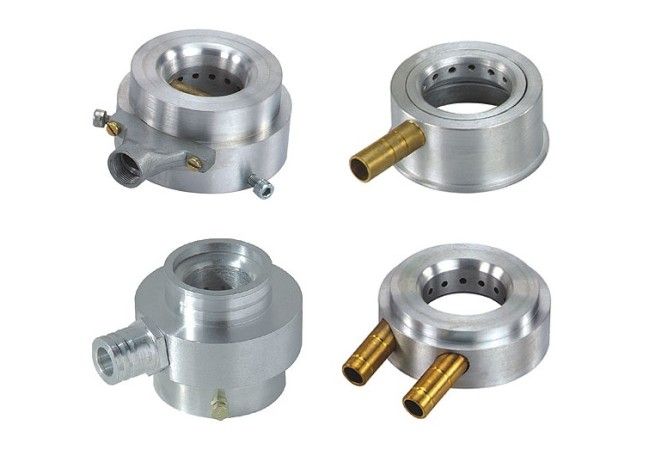
What Is an LPG Mixer (Venturi Mixer)?
An LPG mixer, also called a Venturi mixer, is a component used mainly in older LPG conversion systems to mix LPG vapor with the air entering the engine.
These systems were widely used on carbureted engines and some older gasoline-injection vehicles converted to LPG.
Unlike modern sequential LPG systems, which use electronically controlled LPG injectors, a mixer-type LPG system introduces LPG into the engine's incoming air stream through a mechanical mixing arrangement.
The basic principle is simple:
LPG tank → Vaporizer/regulator → LPG mixer → Intake system → Engine
The mixer therefore plays an important role in creating the air-fuel mixture required for combustion.
How Does an LPG Mixer Work?
LPG is stored in the tank as a liquid under pressure. When the engine is running, LPG travels from the tank to the vaporizer/regulator.
The regulator reduces LPG pressure and converts the fuel into a gaseous form suitable for engine operation.
The engine creates airflow through the intake system as it operates. The mixer uses this airflow to introduce LPG into the incoming air.
The resulting LPG-air mixture then travels through the intake system and enters the engine cylinders.
The amount of LPG delivered depends on the design of the mixer, regulator, adjustment system, engine vacuum, and airflow.
This is fundamentally different from a modern sequential LPG system, where individual injectors meter LPG electronically.
Where Is the LPG Mixer Located?
The mixer is generally installed somewhere in the engine's air intake system.
Depending on the vehicle, it can be positioned:
-
Between the air filter and carburetor
-
Near the carburetor
-
Around the throttle/intake entrance
-
Between the air filter housing and intake manifold
-
At another suitable point in the intake system
Its exact position depends on the engine design and the LPG conversion kit.
On a carbureted vehicle, the mixer is usually positioned so that LPG can be introduced into the airflow before the air-fuel mixture reaches the engine.
What Is the Purpose of an LPG Mixer?
The main purpose of the mixer is to introduce LPG vapor into the engine's incoming air and help create a suitable combustible mixture.
A properly selected mixer helps:
-
Introduce LPG into the intake airflow
-
Create an appropriate LPG-air mixture
-
Supply the engine with gaseous LPG
-
Maintain engine operation on LPG
-
Work together with the vaporizer/regulator and adjustment system
However, the mixer does not independently control the air-fuel mixture under every operating condition. On older systems, the regulator, adjustment screws, mixer design, engine vacuum, and sometimes electronic control components all influence the final mixture.
Which Vehicles Use LPG Mixers?
Mixer-type LPG systems are most commonly associated with older carbureted vehicles.
They were also used on some older fuel-injected engines before sequential LPG injection became widespread.
Modern sequential LPG systems work differently. Instead of relying on a common mixer, they use LPG injectors controlled electronically according to engine operating conditions.
For this reason, a conventional Venturi mixer is generally not the preferred solution for modern engines.
LPG Mixer vs. Sequential LPG System
The biggest difference is how fuel is delivered to the engine.
Mixer-type LPG system
LPG is introduced into the common intake airflow through a mixer. The system is relatively simple and relies heavily on mechanical and vacuum-based control.
Sequential LPG system
LPG injectors deliver fuel according to electronically controlled injection timing and quantity. The LPG ECU can use information such as engine speed, gasoline injection time, manifold pressure, throttle position, and oxygen-sensor feedback.
This provides much more precise fuel metering.
Sequential systems are therefore generally better suited to modern electronically controlled engines.
Can the Wrong LPG Mixer Reduce Engine Power?
Yes.
The design and size of the mixer are important because the mixer is installed directly in the engine's intake airflow.
If the mixer creates excessive restriction, the engine may not be able to draw as much air as it needs, particularly at high RPM and full throttle.
Possible symptoms include:
-
Reduced high-RPM power
-
Slow throttle response
-
Poor acceleration
-
Increased fuel consumption
-
Difficulty achieving proper air-fuel mixture
-
Rough running under load
However, it would be incorrect to say that every mixer system causes significant power loss.
A properly designed and correctly sized mixer can provide acceptable performance for the type of engine and LPG system for which it was designed.
What Happens If an LPG Mixer Is Incorrectly Sized?
Mixer sizing is important because the component has to accommodate the engine's airflow requirements while still allowing proper LPG introduction.
An incorrectly sized mixer may cause either excessive restriction or poor fuel distribution.
A poorly matched mixer can result in:
-
Lean operation
-
Rich operation
-
Poor throttle response
-
High fuel consumption
-
Loss of power
-
Rough idle
-
Hesitation
-
Backfire under certain conditions
The correct choice depends on the engine's displacement, airflow requirements, intake design, carburetor or injection system, LPG regulator, and overall conversion design.
Can an LPG Mixer Cause Backfire?
A mixer-type LPG system can be more susceptible to intake backfire than a properly designed modern sequential injection system.
An intake backfire can occur when an ignitable air-fuel mixture exists in the intake system and combustion travels back through the intake.
Potential contributing factors include:
-
Weak or faulty ignition components
-
Incorrect ignition timing
-
Incorrect LPG mixture
-
Vacuum or intake problems
-
Lean operation
-
Faulty spark plugs
-
Ignition timing problems
-
Poorly adjusted LPG system
-
Intake valve problems
Because a mixer system can contain a combustible mixture throughout part of the intake system, an intake backfire can damage components such as the air filter housing or intake ducting on some vehicles.
LPG Mixer and the Vaporizer/Regulator Are Not the Same
These two components perform different jobs.
The vaporizer/regulator reduces LPG pressure and converts liquid LPG into a gaseous state suitable for the engine.
The mixer introduces that LPG vapor into the engine's incoming air.
In simple terms:
Regulator = prepares and regulates the LPG
Mixer = introduces LPG into the intake airflow
Both components must be correctly matched and adjusted for the system to operate properly.
Can an LPG Mixer Fail?
The mixer itself is generally a simple mechanical component, so it does not fail in the same way as an electronic LPG injector or pressure sensor.
However, it can still develop problems through:
-
Physical damage
-
Incorrect installation
-
Loose connections
-
Intake leaks
-
Distortion or damage to the mixer
-
Incorrect positioning
-
Incorrect sizing
-
Contamination or deposits
A problem around the mixer can also affect engine operation even when the mixer itself is not physically damaged.
For example, an air leak near the mixer can change the amount of air entering the engine and disturb the intended LPG-air ratio.
Symptoms of an LPG Mixer or Mixer-System Problem
A vehicle with a problem in the mixer or its surrounding system may experience:
-
Rough LPG idle
-
Hesitation during acceleration
-
Poor throttle response
-
Loss of power at high RPM
-
Misfires
-
Increased fuel consumption
-
Difficulty switching to LPG
-
Lean or rich operation
-
Intake backfire
-
Unstable engine operation
However, these symptoms do not automatically prove that the mixer is defective.
The vaporizer/regulator, LPG adjustment, ignition system, air filter, vacuum hoses, intake leaks, and the gasoline system can produce very similar symptoms.
How Is an LPG Mixer Adjusted?
Older mixer systems typically use mechanical adjustment to control LPG flow and establish an appropriate air-fuel mixture.
However, randomly turning adjustment screws is not a reliable method.
An LPG system should be adjusted using appropriate measurements and engine operating data.
An overly lean mixture can cause poor performance and may increase combustion temperatures under certain operating conditions. An excessively rich mixture can increase fuel consumption and emissions.
On vehicles equipped with a catalytic converter, prolonged incorrect mixture control can also contribute to catalyst damage.
Can an LPG Mixer Be Cleaned?
Yes, depending on its condition and design.
If dirt, oil vapor, or other deposits accumulate around the mixer, cleaning may be necessary.
However, the mixer should not be modified during cleaning. Its internal dimensions and airflow characteristics are part of its design.
Aggressive cleaning methods that can deform the component or damage sealing surfaces should be avoided.
After significant work on the mixer or intake system, the LPG adjustment may need to be checked again.
Can an LPG Mixer Be Replaced?
Yes.
A mixer may need to be replaced if it is physically damaged, incorrectly sized, or unsuitable for the engine and LPG system.
The replacement should not be selected simply because it physically fits.
The following should be considered:
-
Engine displacement
-
Engine airflow
-
Intake design
-
Carburetor or injection system
-
LPG regulator capacity
-
Existing LPG kit
-
Mixer design
-
Required fuel flow
Using an unsuitable mixer can create new performance and mixture problems instead of solving the original issue.
Advantages of Mixer-Type LPG Systems
Older mixer systems have some advantages, particularly on older vehicles.
Simple construction
There are fewer electronic components compared with a modern sequential LPG system.
Straightforward operating principle
The system is relatively easy to understand and troubleshoot for technicians experienced with older LPG installations.
Compatibility with older engines
Mixer systems made LPG conversion possible on many carbureted vehicles and older engine designs.
Lower electronic complexity
The system relies less on sophisticated software and injector control.
Disadvantages of Mixer-Type LPG Systems
The simplicity of the system also creates some disadvantages.
Fuel metering is generally less precise than with a modern sequential LPG system.
The mixer can also restrict airflow, especially if its design is poorly matched to the engine.
Other potential disadvantages include:
-
Higher fuel consumption
-
Reduced maximum power
-
Less precise mixture control
-
Greater sensitivity to adjustment
-
Possible intake backfire
-
Less accurate fuel delivery during changing engine conditions
-
Greater dependence on regulator and vacuum behavior
Is an LPG Mixer Still Used Today?
Yes, but traditional mixer systems are much less common than they once were.
They can still be found on older carbureted vehicles and some older LPG conversions.
Modern multi-point gasoline engines generally use sequential LPG systems, while modern direct-injection gasoline engines require even more specialized LPG technology.
Direct-injection engines may require dedicated LPG electronics, specialized injectors, pressure management, and in some applications continued gasoline injection under certain operating conditions.
Therefore, a traditional Venturi mixer is generally not a universal solution for modern engines.
LPG Mixer Maintenance
There is no single universal replacement interval for an LPG mixer.
Instead, it should be inspected when the LPG system develops symptoms or when related components are serviced.
Important checks include:
-
Mixer condition
-
Intake connections
-
Vacuum hoses
-
Air filter
-
LPG regulator pressure
-
LPG hoses
-
Ignition system
-
Spark plugs
-
Ignition timing where applicable
-
LPG mixture adjustment
-
Intake leaks
A healthy gasoline engine is also important. An engine that already has ignition, compression, valve, or intake problems may not run correctly on LPG even when the LPG mixer is working properly.
LPG Mixer and Engine Performance
The LPG mixer is a relatively simple component, but its position in the intake system makes its design important.
A mixer that is too restrictive can reduce airflow and high-RPM performance. A poorly matched mixer can also make it difficult to maintain the correct air-fuel mixture.
This is why LPG conversion should not be approached as simply installing a mixer and adjusting a screw.
The regulator, mixer, intake system, ignition system, and engine itself need to work together.
What Should Be Checked Before Replacing an LPG Mixer?
Replacing the mixer should generally not be the first step when an LPG vehicle develops a performance problem.
A proper diagnosis should consider:
Air intake
Check for cracked hoses, loose connections, vacuum leaks, and air-filter restrictions.
Ignition system
Spark plugs, ignition wires where applicable, distributor components on older systems, and ignition coils should be checked.
Regulator
LPG pressure and vaporization performance should be evaluated.
Mixture
The engine should be checked for excessively rich or lean operation.
Gasoline operation
If the engine also runs poorly on gasoline, the problem may not be related to the LPG system at all.
Engine condition
Compression, valve condition, ignition timing, and other mechanical factors may need to be evaluated.
This diagnostic approach helps prevent unnecessary replacement of the mixer.
The Role of the LPG Mixer in Older LPG Systems
The LPG mixer is one of the fundamental components of older gas-fuel systems. Its job is relatively simple: introduce LPG vapor into the engine's intake airflow and help create the combustible mixture required for the engine to operate.
Its simplicity does not mean that its design is unimportant. Mixer size, airflow restriction, regulator performance, adjustment, ignition condition, and intake sealing all influence how well the system works.
For older LPG vehicles, a correctly selected and properly adjusted mixer can provide reliable operation. However, when problems such as power loss, high fuel consumption, rough idle, or backfire occur, the mixer should not automatically be blamed. The entire LPG and engine system should be evaluated before replacing components.