TR
TR EN
EN

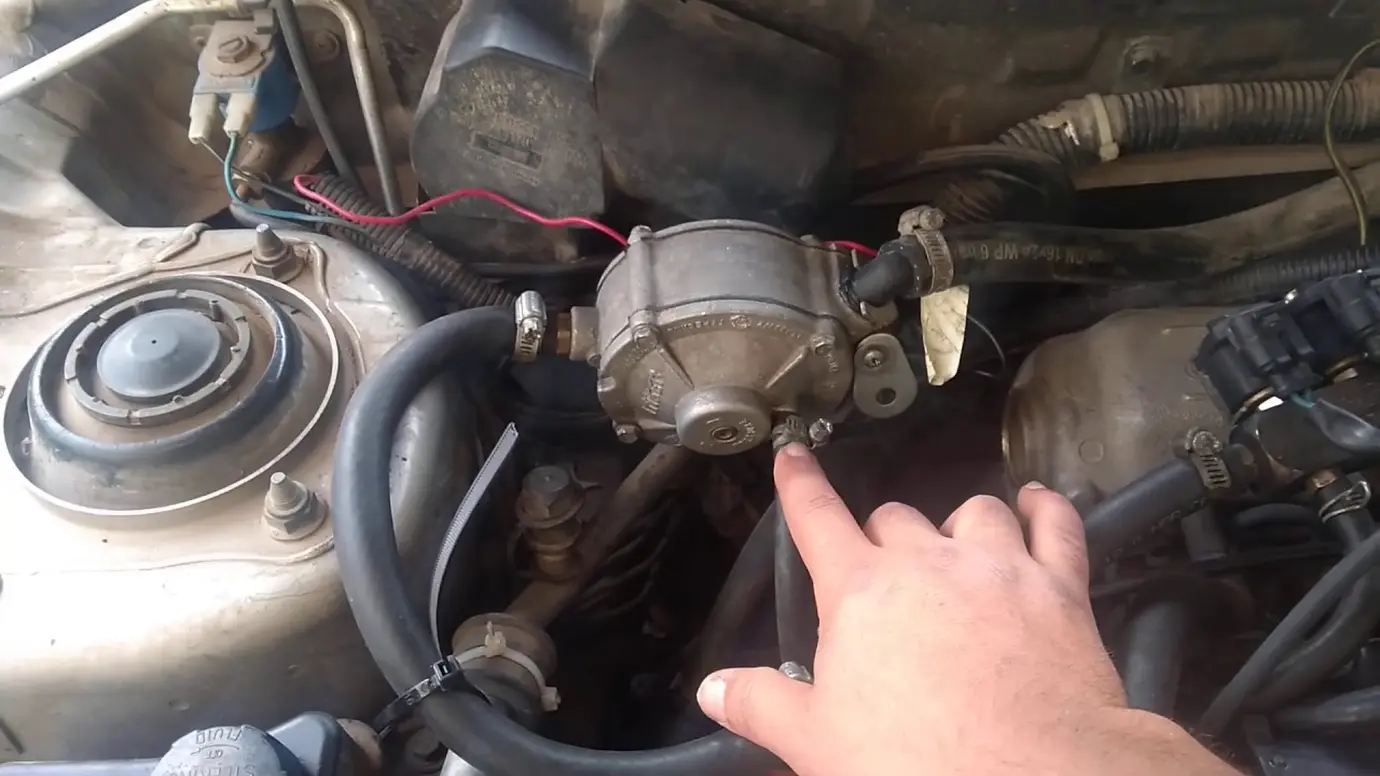
LPG Regulator Problems: Symptoms, Causes, and Solutions
The LPG regulator is one of the most critical components in an automotive LPG system. Also commonly called a vaporizer, the regulator reduces the high pressure of liquid LPG coming from the tank and prepares the fuel for delivery to the LPG injectors.
A regulator that is working correctly must do more than simply reduce pressure. It must maintain a stable and appropriate LPG gas pressure under different engine loads while also vaporizing the fuel efficiently.
When the regulator begins to fail, the symptoms can range from difficult LPG changeover and unstable idle to hesitation, power loss, increased fuel consumption, engine stalling, or automatic switching back to gasoline.
Regulator problems can be particularly difficult to diagnose because they often become more noticeable under load. A vehicle may appear to run perfectly at idle while experiencing a significant pressure problem during acceleration.
What Does an LPG Regulator Do?
Liquid LPG is stored in the tank under relatively high pressure.
The engine, however, cannot simply receive LPG directly from the tank at that pressure. The fuel must first be regulated and, in conventional vapor-phase injection systems, vaporized.
The LPG regulator performs several important functions:
-
Reduces LPG pressure
-
Converts liquid LPG into gas
-
Maintains a controlled outlet pressure
-
Uses engine coolant to provide heat for vaporization
-
Supplies LPG to the injector rail at a suitable pressure
The exact internal design varies between LPG systems, but the basic principle remains similar.
The regulator acts as the transition point between the high-pressure liquid side of the LPG system and the controlled low-pressure gas side feeding the injectors.
Why Is Engine Coolant Important to the LPG Regulator?
One of the most important characteristics of an LPG regulator is that it usually uses engine coolant to provide the heat needed to vaporize LPG.
When liquid LPG changes into gas, it absorbs a significant amount of heat.
If the regulator does not receive enough heat, LPG may not vaporize properly.
This is why coolant circulation through the regulator is critical.
Problems can occur if:
-
Coolant level is too low
-
Air is trapped in the cooling system
-
Coolant hoses are incorrectly connected
-
A coolant hose is restricted
-
The thermostat is malfunctioning
-
The engine does not reach normal operating temperature
-
The regulator is internally contaminated
A regulator can therefore appear to have a fuel problem when the real issue is inadequate coolant circulation.
One of the First Signs: LPG Pressure Instability
A healthy regulator should maintain a relatively stable gas pressure appropriate for the LPG system.
If the pressure fluctuates excessively, the LPG ECU may have difficulty controlling the fuel mixture accurately.
The driver may notice that the vehicle:
-
Hesitates
-
Loses power
-
Runs roughly
-
Misfires
-
Stalls
-
Switches back to gasoline
Pressure instability may become especially obvious during acceleration.
At idle, the regulator may appear to work normally because fuel demand is relatively low. When the accelerator is pressed and fuel demand increases, the regulator may fail to maintain the required pressure.
Common Symptoms of a Faulty LPG Regulator
Difficulty switching from gasoline to LPG
The vehicle may take longer than usual to switch to LPG.
It may attempt to change over but immediately return to gasoline.
This can happen if the regulator does not reach the required temperature or if the LPG pressure does not reach the expected level.
Rough idle on LPG
A regulator that cannot maintain stable pressure may cause unstable engine operation.
The engine may shake or the RPM may fluctuate after switching to LPG.
Hesitation during acceleration
The vehicle may hesitate when the driver suddenly presses the accelerator.
This is one of the more important regulator symptoms because fuel demand rises rapidly during acceleration.
If the regulator cannot supply enough gas at the required pressure, the mixture may become too lean.
Power loss under load
The vehicle may feel normal during gentle driving but lose power when:
-
Climbing a hill
-
Accelerating hard
-
Carrying heavy loads
-
Driving at high RPM
-
Using high engine load
This pattern can be an important clue toward a pressure or fuel-delivery problem.
Engine stalling
A serious regulator problem can cause the engine to stall.
Stalling may occur:
-
Immediately after switching to LPG
-
At idle
-
During deceleration
-
When coming to a stop
-
During sudden acceleration
The exact behavior depends on the type of regulator fault and LPG system.
Increased LPG consumption
A regulator that produces incorrect pressure can cause the LPG ECU to compensate by changing injector operation.
Depending on the fault, this may result in excessive fuel consumption.
However, high consumption is not enough to diagnose a regulator problem by itself.
LPG calibration, injector condition, lambda feedback, tire pressure, driving style, engine condition, and other factors can also affect fuel consumption.
Automatic return to gasoline
Modern LPG systems include protective strategies.
If the LPG ECU detects insufficient gas pressure or another critical condition, it may shut down LPG operation and return the vehicle to gasoline.
If the vehicle repeatedly switches back to gasoline during acceleration, the LPG pressure should be investigated.
Why Does an LPG Regulator Fail?
Regulators operate under heat, pressure, vibration, and constant fuel flow.
Over time, their internal components can deteriorate.
Diaphragm wear
Many LPG regulators use flexible diaphragms to control pressure.
These diaphragms can become hard, cracked, distorted, or otherwise degraded over time.
When the diaphragm can no longer respond correctly, gas pressure regulation may become unstable.
Internal seal deterioration
Seals and other internal components can deteriorate due to age and operating conditions.
A damaged seal can affect pressure control or cause internal leakage.
Contamination
Dirt, oil residue, deposits, or contaminants in the LPG system can affect internal regulator components.
Contamination may interfere with valves or pressure-control mechanisms.
This is one reason why proper LPG filter maintenance is important.
Coolant circulation problems
A regulator cannot vaporize LPG efficiently without adequate heat.
Poor coolant circulation can therefore create symptoms that resemble a regulator failure.
Incorrect regulator adjustment
Some LPG regulators allow pressure adjustment.
If the pressure has been incorrectly adjusted, the LPG system may operate outside its intended range.
Changing regulator pressure without checking the LPG ECU calibration can create additional problems.
How Does a Regulator Cause LPG Pressure Problems?
The regulator has to respond to changing fuel demand.
At idle, the amount of LPG required by the engine is relatively low.
During acceleration, fuel demand can increase rapidly.
A worn regulator may maintain acceptable pressure at low demand but fail when demand rises.
This creates an important diagnostic pattern:
The vehicle may run normally during gentle driving but lose power or switch to gasoline during hard acceleration.
In such cases, checking LPG pressure under load is much more useful than checking pressure only at idle.
Can a Faulty Regulator Cause Lean or Rich Mixture Problems?
Yes.
If the regulator does not provide the expected gas pressure, the LPG injectors may not deliver the intended amount of fuel even when their electrical commands are correct.
If gas pressure is too low, the engine may receive less fuel than expected.
This can contribute to a lean condition.
If pressure is excessively high or unstable, the engine may receive more fuel than intended, potentially contributing to a rich condition.
The exact result depends on the LPG system design, ECU strategy, injector characteristics, and calibration.
LPG Regulator and LPG Injector Relationship
The regulator and injectors work together.
The regulator establishes the gas pressure available to the injector rail.
The LPG ECU controls how long the injectors remain open.
If regulator pressure changes significantly, the amount of fuel delivered during a given injector opening time can also change.
This is why replacing an LPG injector without checking regulator pressure may fail to solve the actual problem.
Similarly, adjusting the regulator without checking injector operation and ECU calibration can create new mixture problems.
How to Diagnose an LPG Regulator
A good diagnosis should begin with basic observations.
First, determine whether the problem occurs:
-
Only on LPG
-
Only during acceleration
-
Only when the engine is cold
-
Only when the engine is hot
-
Only at idle
-
Under heavy engine load
-
During LPG changeover
The pattern can provide valuable information.
The next step is to inspect the regulator and surrounding components.
Check:
-
LPG gas connections
-
Coolant hoses
-
Vacuum connections where applicable
-
Electrical connections where applicable
-
LPG filter condition
-
Regulator temperature
-
Signs of leakage
-
Physical damage
After that, the LPG system should be evaluated using appropriate diagnostic equipment.
Measuring LPG Pressure
Pressure measurement is one of the most useful diagnostic procedures for regulator problems.
The important question is not simply:
“What is the LPG pressure at idle?”
A better question is:
“Can the regulator maintain the required pressure under different operating conditions?”
Pressure should therefore be observed during:
-
Idle
-
Moderate acceleration
-
Hard acceleration
-
Different engine RPM
-
Different engine loads
The expected pressure depends on the LPG system and manufacturer specifications.
There is no single universal LPG regulator pressure that applies to every vehicle or LPG kit.
LPG Regulator Temperature
Regulator temperature is another valuable diagnostic clue.
If the regulator does not become sufficiently warm after the engine reaches operating temperature, coolant circulation should be investigated.
Possible causes include:
-
Low coolant level
-
Air in the cooling system
-
Restricted coolant hose
-
Incorrect hose routing
-
Thermostat problems
-
Poor circulation
-
Incorrect regulator installation
A cold regulator can have difficulty vaporizing LPG correctly.
Can a Regulator Freeze?
Under abnormal operating conditions, icing or excessive cooling around the regulator can occur.
This can happen when LPG vaporization removes heat faster than the regulator can obtain heat from the coolant.
Insufficient coolant circulation is an important possible cause.
A regulator that becomes excessively cold or develops frost should not simply be adjusted without identifying why adequate heat transfer is not occurring.
The cooling system and regulator installation should be inspected by a qualified technician.
LPG Regulator Vacuum and Pressure Reference
Some LPG regulators use vacuum or pressure reference connections as part of their control strategy.
A disconnected, cracked, blocked, or incorrectly connected hose can therefore cause incorrect regulator behavior.
The hose should be inspected for:
-
Cracks
-
Loose connections
-
Blockages
-
Incorrect routing
-
Oil contamination
-
Vacuum leaks
A hose problem can easily be mistaken for a regulator failure.
Can an LPG Regulator Cause Difficult Cold Starts?
It can contribute to starting problems in certain circumstances.
If the LPG system changes over too early or the regulator does not operate correctly during warm-up, the engine may run poorly immediately after switching to LPG.
However, a vehicle that is difficult to start while using gasoline should not automatically be diagnosed as having an LPG regulator problem.
Cold-start problems can also involve:
-
Engine coolant temperature sensors
-
Fuel pressure
-
Ignition
-
Injectors
-
Battery voltage
-
Engine mechanical condition
The exact circumstances should be established before blaming the regulator.
LPG Regulator Maintenance
Regulator maintenance depends on the LPG system and manufacturer.
Some regulators are designed to be serviced using replacement diaphragm and seal kits.
Others are more commonly replaced as a complete assembly.
Maintenance may include:
-
Regulator inspection
-
Filter replacement
-
Pressure verification
-
Coolant circulation inspection
-
Internal service where applicable
-
Leak testing
-
LPG ECU calibration verification
A regulator should not be disassembled casually because it is part of a pressurized fuel system.
When Should an LPG Regulator Be Replaced?
Replacement should be considered when the regulator cannot maintain the required pressure, has significant internal wear, leaks, or cannot be restored through an appropriate service procedure.
Typical signs that may justify replacement include:
-
Persistent pressure instability
-
Severe power loss under load
-
Repeated LPG-to-gasoline switching
-
Internal regulator leakage
-
Severe diaphragm deterioration
-
Inability to maintain specified pressure
-
Repeated regulator-related problems after proper servicing
The regulator should be tested before replacement whenever possible.
What Happens After Replacing the LPG Regulator?
Replacing the regulator changes the pressure characteristics of the LPG system.
Therefore, installation should be followed by a complete system check.
Depending on the LPG kit, the technician may need to:
-
Verify coolant circulation
-
Check for LPG leaks
-
Set or verify gas pressure
-
Check injector operation
-
Review LPG ECU parameters
-
Perform calibration if necessary
-
Check fuel trims
-
Road-test the vehicle under different loads
A new regulator should not simply be installed and the vehicle returned to the customer without checking the resulting system pressure.
Regulator Problem or LPG Injector Problem?
The symptoms can be very similar.
An injector may be restricted and cause poor acceleration.
A regulator may also cause poor acceleration by failing to maintain sufficient gas pressure.
One useful distinction is the relationship between the problem and engine load.
If the vehicle performs normally at idle and during light driving but consistently loses power when fuel demand increases, regulator pressure should be investigated.
If one cylinder consistently behaves differently from the others, an individual injector, its wiring, or the corresponding intake path may deserve more attention.
In many cases, both systems should be tested before a final conclusion is reached.
Regulator Problem or LPG MAP/Pressure Sensor Problem?
A faulty pressure sensor can report incorrect gas pressure even when the regulator is functioning correctly.
Conversely, a healthy sensor can accurately report pressure that is actually too low because of a regulator problem.
This distinction is extremely important.
The diagnosis should compare the sensor reading with the actual pressure measured using appropriate equipment.
Replacing a pressure sensor without confirming the real pressure can therefore result in an incorrect repair.
Is It Safe to Drive With a Faulty LPG Regulator?
A vehicle with a suspected LPG regulator problem should not be driven indefinitely without diagnosis.
If the engine is merely experiencing a mild drivability issue, the vehicle may continue to operate temporarily, but the underlying fault should be investigated.
If there is:
-
A strong LPG smell
-
A suspected gas leak
-
Severe engine misfire
-
Repeated stalling
-
Abnormal regulator behavior
-
Severe pressure instability
the vehicle should be inspected by a qualified LPG technician.
LPG fuel-system safety components should never be bypassed in an attempt to keep the vehicle running.
How to Prevent LPG Regulator Problems
Regular maintenance can significantly reduce the risk of regulator-related problems.
Important practices include:
-
Replace LPG filters at the recommended intervals.
-
Maintain the engine cooling system correctly.
-
Keep the coolant at the correct level.
-
Check regulator coolant hoses for proper circulation.
-
Avoid unnecessary pressure adjustments.
-
Check LPG pressure periodically.
-
Inspect the regulator for leakage.
-
Have LPG calibration checked when major fuel-system components are replaced.
-
Investigate repeated LPG-to-gasoline switching instead of ignoring it.
A healthy cooling system is particularly important because the regulator depends on engine coolant to vaporize LPG efficiently.
Final Thoughts
The LPG regulator is much more than a simple pressure-reduction device. It is responsible for creating the controlled gas supply required by the LPG injectors and, in vapor-phase systems, providing the heat transfer necessary to vaporize liquid LPG.
When the regulator begins to fail, the symptoms may include difficult LPG changeover, unstable idle, hesitation, poor acceleration, power loss, increased fuel consumption, engine stalling, and automatic return to gasoline.
One of the most important clues is whether the problem becomes worse as engine load increases. A regulator may maintain acceptable pressure at idle while failing to maintain the required pressure during hard acceleration.
For this reason, diagnosing an LPG regulator by checking only its idle pressure is not enough. Pressure, regulator temperature, coolant circulation, injector operation, sensor readings, and LPG ECU data should be evaluated together.
Most importantly, a regulator should not be replaced simply because the vehicle exhibits an LPG-related drivability problem. Injector faults, pressure-sensor problems, clogged filters, coolant circulation issues, wiring faults, and incorrect calibration can all produce similar symptoms.
A systematic diagnosis can prevent unnecessary parts replacement and ensure that the LPG system operates safely, efficiently, and consistently.