TR
TR EN
EN

What Is a Transmission Fluid Pressure Sensor? What Are the Symptoms of Failure?
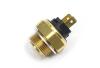
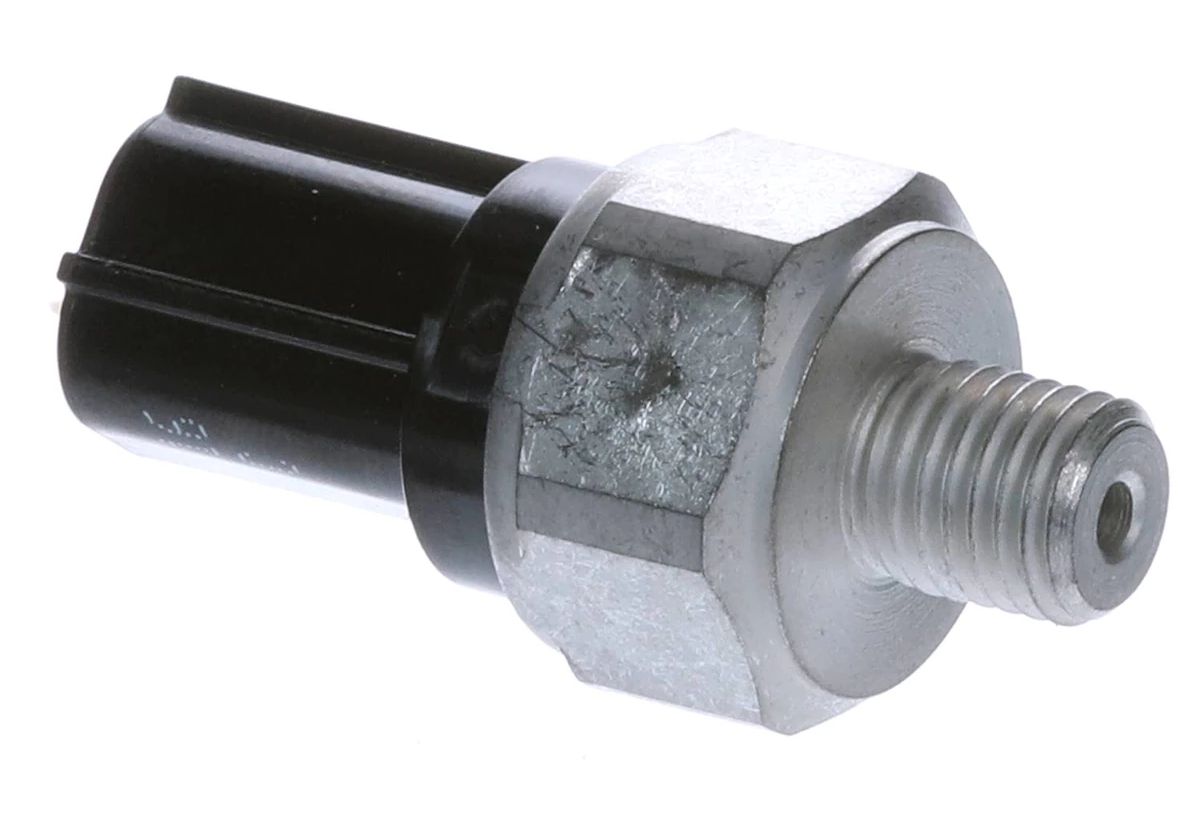
A transmission fluid pressure sensor is an electronic component that measures hydraulic pressure inside an automatic transmission and sends this information to the Transmission Control Module (TCM).
Automatic transmissions depend on hydraulic pressure to apply clutches, operate brakes, control gear changes, and regulate different hydraulic circuits. The transmission fluid pressure sensor allows the control system to monitor this pressure and determine whether the hydraulic system is operating as expected.
Depending on the transmission design, the component may also be called a Transmission Fluid Pressure Sensor/Switch, Transmission Pressure Sensor, or Transmission Line Pressure Sensor.
A vehicle may have one pressure sensor or several sensors monitoring different hydraulic circuits.
What Does a Transmission Fluid Pressure Sensor Do?
The main function of the sensor is to provide the TCM with information about actual hydraulic pressure.
The transmission pump generates hydraulic pressure, while valves and solenoids distribute and regulate that pressure throughout the transmission.
The TCM uses pressure information to help control:
-
Gear changes
-
Clutch application
-
Hydraulic pressure
-
Shift quality
-
Solenoid operation
-
Transmission protection strategies
-
Pressure adaptation
The exact function depends on the transmission design.
Some pressure sensors monitor general line pressure, while others monitor specific circuits associated with particular clutches, solenoids, or gear ranges.
How Does a Transmission Fluid Pressure Sensor Work?
The sensor converts hydraulic pressure into an electrical signal.
As transmission fluid pressure changes, the sensor's output signal changes accordingly. The TCM interprets this signal and compares it with the expected pressure under the current operating conditions.
The basic control process can be described as:
Hydraulic pressure → Pressure sensor → Electrical signal → TCM → Solenoid control
The TCM may compare actual pressure with the pressure it expects to see based on factors such as:
-
Engine load
-
Vehicle speed
-
Throttle position
-
Transmission temperature
-
Selected gear
-
Solenoid command
-
Driving conditions
This feedback helps the transmission make smooth and controlled gear changes.
Where Is the Transmission Fluid Pressure Sensor Located?
The exact location depends on the transmission.
A pressure sensor may be located:
-
Inside the transmission fluid pan
-
On or near the valve body
-
Inside the mechatronic unit
-
Directly in a hydraulic passage
-
Mounted on the transmission housing
-
Integrated into a transmission control assembly
On some modern automatic transmissions, the pressure sensors are integrated into the mechatronic unit.
Accessing them may therefore require removing the transmission pan or other components.
What Are the Symptoms of a Bad Transmission Fluid Pressure Sensor?
A faulty pressure sensor can provide incorrect information to the TCM.
As a result, the transmission may not regulate hydraulic pressure correctly.
Common symptoms include:
-
Harsh gear changes
-
Transmission shifting problems
-
Delayed gear engagement
-
Gear changes occurring too early or too late
-
Transmission slipping
-
Gear getting stuck
-
Loss of certain gears
-
Reverse gear problems
-
Transmission entering limp mode
-
Check Engine Light
-
Transmission warning message
-
Intermittent transmission problems
-
Poor acceleration
-
Increased engine RPM without corresponding vehicle acceleration
The exact symptoms depend on which pressure sensor has failed and which hydraulic circuit it monitors.
Can a Faulty Pressure Sensor Cause Harsh Shifting?
Yes.
The TCM may use pressure sensor feedback to regulate the amount of hydraulic pressure applied during a gear change.
If the sensor incorrectly reports low pressure, the TCM may command more pressure than necessary.
If it incorrectly reports high pressure, the TCM may reduce pressure when more pressure is actually required.
Either situation can affect shift quality.
The driver may notice:
-
A hard shift
-
A noticeable bump during gear changes
-
Transmission hesitation
-
Delayed engagement followed by a sudden shift
-
Shuddering during shifting
However, harsh shifting does not automatically mean that the pressure sensor is defective.
Low transmission fluid, worn solenoids, valve-body problems, contaminated fluid, clutch wear, and mechanical transmission problems can produce similar symptoms.
Can a Transmission Pressure Sensor Cause Transmission Slipping?
It can contribute to slipping in some transmissions.
Transmission clutches require sufficient hydraulic pressure to apply correctly.
If pressure information is incorrect and the TCM responds incorrectly, clutch application may be affected.
However, actual transmission slipping is often caused by a hydraulic or mechanical problem rather than the sensor itself.
Possible causes include:
-
Low transmission fluid
-
Incorrect fluid
-
Low hydraulic pressure
-
Worn clutch packs
-
Valve-body wear
-
Faulty pressure-control solenoid
-
Transmission pump problems
-
Internal leakage
Therefore, pressure should be measured and compared with the sensor's reported data before blaming the sensor.
Can a Bad Pressure Sensor Cause Reverse Gear Problems?
Yes, depending on the transmission.
Reverse gear often requires specific hydraulic pressure to apply the appropriate clutch or brake elements.
If the pressure sensor is monitoring that circuit or influencing the transmission's pressure strategy, a faulty signal can contribute to reverse engagement problems.
Possible symptoms include:
-
Delayed reverse engagement
-
Harsh reverse engagement
-
No reverse
-
Weak reverse movement
-
Reverse working intermittently
However, a reverse-gear problem can also be caused by a worn reverse clutch, valve-body problem, solenoid failure, low fluid level, internal hydraulic leakage, or mechanical damage.
Can a Pressure Sensor Cause Limp Mode?
Yes.
If the TCM detects an implausible or unreliable pressure signal, it may enter a protective operating strategy.
Depending on the transmission, this may result in:
-
One fixed gear
-
Limited gear selection
-
Delayed shifting
-
Higher shift pressure
-
Disabled automatic shifting
-
Transmission warning message
The purpose of limp mode is to reduce the possibility of further transmission damage while allowing the vehicle to reach a safe location or repair facility.
Does a Transmission Fluid Pressure Sensor Trigger an OBD Code?
Yes.
Modern transmissions can monitor pressure sensor signals and store diagnostic trouble codes when the signal is outside the expected range.
Fault descriptions can include:
-
Pressure Sensor/Switch Circuit
-
Circuit Low
-
Circuit High
-
Range/Performance
-
Intermittent
-
Open Circuit
-
Short Circuit
For example, some vehicles use codes such as P0987, P0988, P0989, P0990, P0991, P0992, and P0993 for specific transmission fluid pressure sensor/switch circuits.
The exact meaning depends on the vehicle manufacturer and transmission.
A pressure sensor code should therefore always be interpreted using the manufacturer's diagnostic information.
Does a Pressure Sensor Fault Code Mean the Sensor Is Bad?
Not necessarily.
This is one of the most important points when diagnosing transmission problems.
A pressure sensor-related code can be caused by:
-
Failed pressure sensor
-
Damaged wiring
-
Corroded connector
-
Loose electrical terminal
-
Poor ground
-
Incorrect reference voltage
-
Short circuit
-
Open circuit
-
TCM problem
-
Incorrect transmission fluid level
-
Hydraulic pressure problem
-
Valve-body malfunction
The code identifies an abnormal condition in the monitored circuit or signal. It does not automatically prove that the sensor itself needs to be replaced.
Sensor Problem vs. Real Low Transmission Pressure
These two conditions must be separated during diagnosis.
If the sensor is faulty, the actual hydraulic pressure may be normal while the TCM receives incorrect pressure information.
If there is genuine low hydraulic pressure, the sensor may be working perfectly and correctly reporting a real problem.
Low hydraulic pressure can result from:
-
Low fluid level
-
Restricted transmission filter
-
Worn transmission pump
-
Internal hydraulic leakage
-
Valve-body wear
-
Faulty pressure-control solenoid
-
Excessive internal clearance
-
Clutch or seal problems
This is why comparing sensor data with actual measured pressure can be extremely useful.
How Is a Transmission Fluid Pressure Sensor Diagnosed?
Diagnosis should begin by reading all relevant transmission fault codes.
The technician should then inspect:
-
Transmission fluid level
-
Fluid condition
-
Sensor connector
-
Wiring
-
Reference voltage
-
Ground circuit
-
Sensor signal
-
TCM data
-
Transmission temperature
-
Pressure sensor live data
If the diagnostic scanner provides pressure data, the reported value can be compared with the expected pressure.
In more advanced diagnosis, a mechanical pressure gauge can be connected to the appropriate transmission hydraulic test port.
The actual hydraulic pressure can then be compared with the pressure reported by the sensor.
Why Is Comparing Actual and Reported Pressure Important?
This comparison can help distinguish an electrical sensor problem from a mechanical hydraulic problem.
For example:
Normal mechanical pressure + incorrect sensor reading
This makes the sensor, wiring, connector, or signal circuit more suspicious.
Low mechanical pressure + low sensor reading
The sensor may actually be reporting a real hydraulic pressure problem.
In this situation, the technician should investigate the pump, fluid level, filter, valve body, solenoids, internal leakage, and other hydraulic components.
This approach prevents unnecessary sensor replacement.
Can a Transmission Pressure Sensor Be Tested With a Multimeter?
In many cases, some electrical checks can be performed with a multimeter.
Depending on the sensor and transmission, a technician may check:
-
Reference voltage
-
Ground
-
Signal voltage
-
Wiring continuity
-
Short circuits
-
Connector condition
However, a multimeter cannot directly prove that the sensor is accurately measuring hydraulic pressure.
A sensor may produce a plausible electrical signal while still reporting an incorrect pressure.
For this reason, electrical testing should be combined with scan-tool data and, when necessary, mechanical pressure testing.
Can a Transmission Pressure Sensor Be Cleaned?
Usually, cleaning is not a reliable repair for an internally failed pressure sensor.
If contamination is present around the sensor or connector, cleaning may help in some situations.
However, an internal electronic failure cannot normally be repaired by spraying cleaner onto the sensor.
The electrical connector should be inspected for:
-
Transmission fluid contamination
-
Corrosion
-
Moisture
-
Bent terminals
-
Loose terminals
-
Damaged wiring
If the sensor itself has failed, replacement is normally required.
Does Transmission Fluid Affect the Pressure Sensor?
Yes.
Transmission fluid is essential to the hydraulic operation of an automatic transmission.
Low, contaminated, degraded, or incorrect fluid can affect hydraulic pressure and shift behavior.
In some cases, fluid contamination can also affect components inside the transmission.
However, a transmission pressure sensor problem should not automatically be blamed on old fluid.
The fluid level and condition should be evaluated according to the manufacturer's procedure.
Does Changing the Transmission Fluid Fix a Bad Pressure Sensor?
Usually, no.
If the sensor's internal electronics have failed, changing the fluid will not repair it.
However, if the underlying problem is caused by:
-
Incorrect fluid level
-
Contaminated fluid
-
Restricted filter
-
Hydraulic pressure problems
then servicing the transmission may improve the symptoms.
The correct diagnosis should therefore come before deciding whether the transmission needs a fluid service or the sensor needs replacement.
Does Replacing the Sensor Require Transmission Fluid Replacement?
It depends on the sensor's location.
If the sensor is inside the transmission fluid area, some fluid may be lost during removal.
If access requires removing the transmission pan, a fluid service may be appropriate depending on the transmission and service procedure.
If the sensor is located externally, fluid loss may be limited.
After replacement, the transmission fluid level must be checked using the manufacturer's specified procedure.
Some transmissions require fluid-level adjustment at a particular temperature.
Why Does a Transmission Pressure Sensor Fail?
Several factors can contribute to pressure sensor failure.
Heat
Automatic transmissions operate at elevated temperatures, and repeated thermal cycling can eventually damage electronic components.
Electrical Problems
Voltage problems, damaged wiring, short circuits, and poor grounds can affect the sensor signal.
Connector Corrosion
Transmission-area connectors are exposed to heat, vibration, moisture, and contamination.
Internal Sensor Failure
The sensor's internal electronic components can deteriorate with age.
Fluid Contamination
Metal particles, debris, or severely degraded fluid can contribute to problems within the transmission hydraulic system.
Mechanical Damage
The sensor or its wiring can be damaged during transmission repairs or other service work.
Transmission Pressure Sensor vs. Pressure Control Solenoid
These components are related but perform different functions.
The pressure sensor measures pressure.
The pressure-control solenoid regulates hydraulic pressure.
The TCM can use sensor feedback to determine whether the pressure-control solenoid is producing the expected result.
In simplified terms:
TCM → Pressure-control solenoid → Hydraulic pressure → Pressure sensor → TCM
A faulty solenoid can therefore create pressure-related symptoms even when the pressure sensor is working correctly.
Likewise, a faulty sensor can make the TCM believe that the solenoid is not producing the expected pressure.
Transmission Pressure Sensor vs. Transmission Fluid Temperature Sensor
These sensors also perform different functions.
The transmission fluid pressure sensor measures hydraulic pressure.
The transmission fluid temperature sensor (TFT sensor) measures transmission fluid temperature.
The TCM can use both signals to control transmission operation.
Temperature is particularly important because fluid characteristics and hydraulic behavior change as the transmission warms up.
Some modern transmissions integrate several sensors into a mechatronic unit, which can make these components appear physically connected even though they perform different functions.
Can You Drive With a Faulty Transmission Pressure Sensor?
It depends on the severity of the problem.
If the vehicle has only an intermittent electrical fault and the transmission is operating normally, it may still be possible to drive it to a repair facility.
However, continued driving is not recommended when there are:
-
Severe shift shocks
-
Transmission slipping
-
Delayed engagement
-
Loss of gears
-
Reverse failure
-
Limp mode
-
Burning transmission fluid smell
-
Significant fluid leakage
-
Rapidly worsening symptoms
A hydraulic or pressure-control problem can potentially cause additional transmission damage if the vehicle continues to operate under abnormal conditions.
Final Thoughts
The transmission fluid pressure sensor is an important part of modern automatic transmission control. It measures hydraulic pressure and provides feedback to the TCM, allowing the transmission to regulate gear changes, clutch application, and hydraulic pressure.
A faulty sensor can cause harsh shifting, delayed engagement, slipping, loss of gears, reverse problems, limp mode, warning lights, and transmission-related OBD-II codes.
However, replacing the sensor based solely on a fault code is not always the correct solution.
The same symptoms can be produced by low transmission fluid, contaminated fluid, pressure-control solenoids, valve-body problems, a worn transmission pump, internal hydraulic leakage, wiring faults, or mechanical transmission wear.
The most reliable diagnostic approach is to check the electrical circuit, inspect transmission fluid and connectors, examine live sensor data, and, when necessary, measure actual hydraulic pressure with a suitable pressure gauge. Comparing actual pressure with the value reported by the sensor can help determine whether the problem is electrical, hydraulic, or mechanical.