TR
TR EN
EN

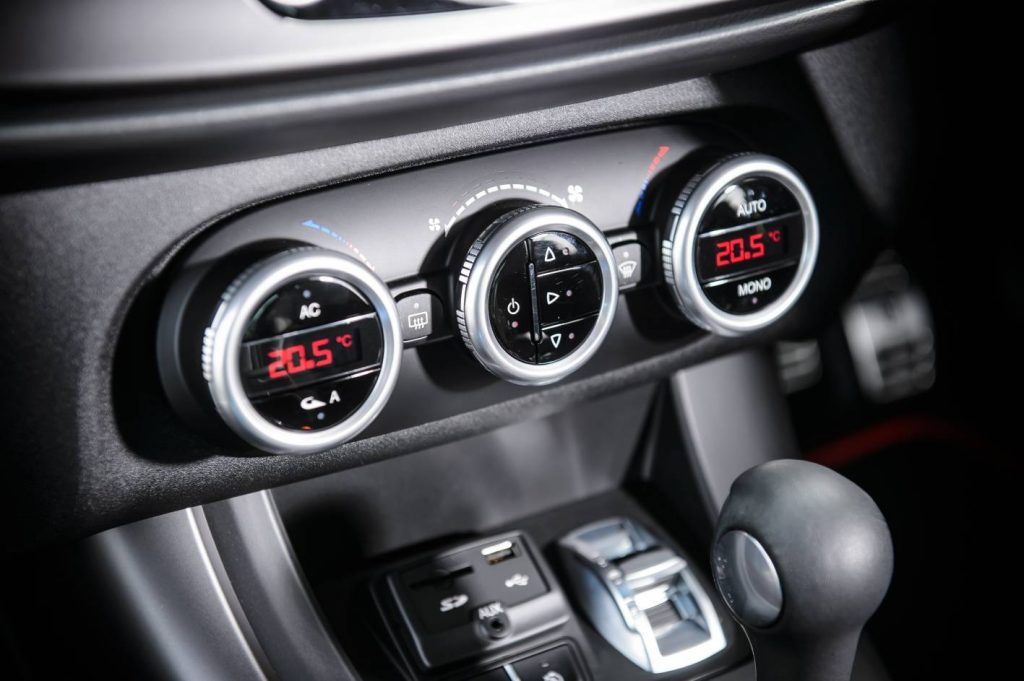
Car Air Conditioning Problems: Common Faults and Solutions
The air conditioning system is one of the most important comfort features in a vehicle, especially during hot weather. However, an A/C problem does not always mean that the system simply needs more refrigerant.
The air conditioning system consists of several components that work together, including the compressor, condenser, evaporator, expansion valve, refrigerant, pressure sensors, cooling fans, electrical circuits, and climate control system. A fault in any of these components can produce similar symptoms.
For this reason, if the air conditioner is not cooling properly, it is not always correct to assume that the refrigerant is low. A refrigerant leak, compressor problem, cooling fan failure, pressure sensor fault, blocked filter, or air-mixing problem can produce similar symptoms.
How Does a Car Air Conditioning System Work?
A vehicle A/C system works by circulating refrigerant through a closed circuit.
The compressor compresses low-pressure refrigerant and turns it into a high-pressure, high-temperature gas. The refrigerant then passes through the condenser, where it releases heat and changes state.
After passing through the expansion valve or orifice tube, the refrigerant pressure drops. It then enters the evaporator, where it absorbs heat from the air inside the vehicle.
The blower fan pushes air across the cold evaporator surface and sends the cooled air into the cabin.
The main components of an automotive air conditioning system include:
-
A/C compressor
-
Condenser
-
Evaporator
-
Expansion valve or orifice tube
-
Receiver-drier or accumulator
-
Refrigerant
-
Pressure sensors
-
Cooling fans
-
Climate control panel
-
Electrical wiring and connectors
-
Cabin air filter
A failure in any of these components can affect cooling performance.
The Air Conditioner Is Not Cooling at All
If the blower is working but the air coming from the vents is almost the same temperature as the outside air, several possible causes should be considered.
Common possibilities include:
Low refrigerant: If the system does not contain enough refrigerant, cooling capacity can drop significantly.
Compressor not engaging: If the compressor does not operate, the refrigerant cannot circulate properly.
Compressor clutch or control valve failure: Traditional systems may use an electromagnetic clutch, while many modern vehicles use variable-displacement compressors controlled by an electronic valve.
Pressure sensor problem: If the system pressure is outside the permitted range, the vehicle may prevent the compressor from operating.
Fuse or relay failure: A problem with the electrical supply can completely disable the A/C system.
Climate control fault: In modern vehicles, the climate control module or related electronics can also prevent normal operation.
Simply adding refrigerant without determining why the system is not cooling is not a proper diagnosis.
The Air Conditioner Is Cooling but Not Enough
Sometimes the A/C still works, but it does not cool the cabin as effectively as it used to.
Possible causes include:
-
Low refrigerant level
-
Refrigerant leakage
-
Dirty condenser
-
Clogged cabin air filter
-
Poor condenser airflow
-
Cooling fan failure
-
Reduced compressor efficiency
-
Expansion valve malfunction
-
Dirty evaporator
-
Air-mixing door or actuator problems
If the A/C performs reasonably well while driving but becomes noticeably weaker when the vehicle is stationary, the cooling fan and condenser airflow deserve particular attention.
The A/C Does Not Cool at Idle but Works While Driving
This is an important symptom.
When a vehicle is moving, air naturally passes through the condenser. When the vehicle stops, the cooling fan must provide sufficient airflow.
If the A/C cools well at speed but becomes weak in traffic or at idle, possible causes include:
-
A/C cooling fan failure
-
Radiator/condenser fan control problem
-
Fan relay or control module failure
-
Dirty condenser
-
Abnormally high refrigerant pressure
-
Incorrect refrigerant charge
The cooling fan is particularly important because insufficient condenser airflow can cause refrigerant pressure to rise and can reduce A/C performance.
Low Refrigerant Level
A modern automotive A/C system is designed as a closed system. If the refrigerant level becomes significantly low, a leak should be considered.
Low refrigerant can cause:
-
Reduced cooling
-
Frequent compressor cycling on systems that use cycling control
-
Compressor protection shutdown
-
Poor cooling at higher temperatures
-
A/C system failure to engage
Adding refrigerant may temporarily restore cooling, but if the refrigerant level drops again, the underlying leak must be found and repaired.
Repeatedly adding refrigerant without repairing the leak is not a proper long-term solution.
Where Can an A/C Refrigerant Leak Occur?
Refrigerant leaks can occur at many points in the system.
Common leak locations include:
-
A/C hoses
-
Pipe connections
-
O-ring seals
-
Condenser
-
Evaporator
-
Compressor shaft seal
-
Service ports
-
Receiver-drier connections
-
Expansion valve connections
The condenser is particularly exposed because it is located at the front of the vehicle, where it can be damaged by road debris, corrosion, and stones.
An evaporator leak can be more difficult to diagnose because the evaporator is usually located inside the HVAC housing behind the dashboard.
The A/C Compressor Does Not Engage
A compressor that does not engage does not automatically mean that the compressor itself is defective.
Before replacing it, the following should be checked:
-
Refrigerant pressure
-
Fuses
-
Relays
-
Compressor power supply
-
Compressor ground
-
Electrical connectors
-
Pressure sensor
-
Compressor control valve
-
A/C request signal
-
ECU or climate-control commands
If the refrigerant pressure is too low or too high, the vehicle may intentionally prevent the compressor from operating to protect the system.
For this reason, replacing the compressor without proper testing can result in an expensive and unnecessary repair.
The A/C Compressor Is Making Noise
If the A/C produces a grinding, humming, rattling, or metallic noise when switched on, the compressor and its drive system should be inspected.
Possible causes include:
-
Compressor bearing wear
-
Internal compressor damage
-
Pulley bearing failure
-
Electromagnetic clutch problems
-
Drive belt problems
-
Tensioner or idler pulley failure
-
Internal compressor seizure
-
Lubrication problems
If the noise is becoming progressively louder, continued operation may cause additional damage to the belt drive or other components.
The Belt Makes Noise When the A/C Is Turned On
When the A/C compressor engages, it places an additional load on the engine.
If the drive belt begins to squeal, chirp, or make a rubbing noise at this moment, the problem may involve:
-
Drive belt wear
-
Incorrect belt tension
-
Belt contamination
-
Tensioner failure
-
Idler pulley bearing
-
Compressor pulley
-
Compressor mechanical resistance
The problem is therefore not necessarily inside the compressor itself.
Engine RPM Drops Too Much When the A/C Is Turned On
A small change in engine load when the A/C compressor engages is normal. The engine management system usually compensates for this additional load.
However, if the engine:
-
Vibrates heavily
-
Loses a large amount of RPM
-
Stalls
-
Develops severe idle fluctuation
when the A/C is switched on, further diagnosis is necessary.
Possible causes can include a compressor creating excessive mechanical load, throttle or idle-control problems, weak engine performance, ignition problems, or other engine-management issues.
The A/C Cooling Fan Does Not Work
The cooling fan helps remove heat from the condenser.
If the fan does not operate when required, condenser pressure can rise and A/C performance may deteriorate.
Depending on the vehicle, the same fan assembly may also be used for engine cooling and may operate at different speeds depending on coolant temperature and A/C pressure.
Possible causes include:
-
Fan motor failure
-
Fan resistor or control module
-
Relay
-
Fuse
-
Wiring problem
-
ECU command problem
-
Pressure sensor fault
A fan problem may therefore affect both the A/C system and engine cooling.
A Dirty or Blocked Condenser
Because the condenser is located near the front of the vehicle, it is exposed to:
-
Dust
-
Mud
-
Leaves
-
Insects
-
Road debris
-
Corrosion
A heavily contaminated condenser cannot release heat efficiently.
This can reduce A/C performance, especially in hot weather and at low vehicle speeds.
The condenser should be cleaned carefully because its thin fins can easily be bent or damaged.
A Clogged Cabin Air Filter
The cabin air filter does not directly control refrigerant pressure or compressor operation, but it can significantly affect the amount of air entering the cabin.
A severely clogged filter can cause:
-
Weak airflow from the vents
-
Slower cabin cooling
-
Poor windshield defogging performance
-
Increased blower noise
-
Reduced ventilation
The cabin filter should therefore be considered when diagnosing weak A/C airflow.
The A/C Works but Blows Warm Air
Sometimes the evaporator is actually cold, but warm air still enters the cabin.
In such cases, the problem may be related to the air-mixing system rather than the refrigeration circuit.
Modern vehicles use electrically controlled or, on some older designs, vacuum-operated doors to control the mixture of hot and cold air.
A faulty blend door or actuator can cause:
-
Warm air despite a functioning A/C system
-
Incorrect temperature control
-
Different temperatures from different vents
-
Temperature that does not respond correctly to climate-control settings
One Side Is Cold and the Other Side Is Warm
Dual-zone climate control systems can independently regulate the temperature on the driver and passenger sides.
If one side blows cold air while the other side remains warm, possible causes include:
-
Low refrigerant charge
-
Blend door problem
-
Actuator failure
-
Temperature sensor fault
-
Climate control module problem
-
Air distribution problem
The correct diagnosis depends on the vehicle's HVAC design.
The A/C Produces a Bad Smell
Bad odors from the A/C system are commonly associated with moisture and biological growth around the evaporator.
When the evaporator becomes cold, moisture from the cabin air condenses on its surface. This water normally drains outside the vehicle.
However, a constantly damp evaporator surface can accumulate:
-
Bacteria
-
Mold
-
Organic debris
-
Dust
This can produce a musty, sour, or unpleasant smell, particularly when the A/C is first switched on.
Replacing the cabin filter and properly cleaning the evaporator and HVAC housing can help, depending on the source of the odor.
Is Water Dripping Under the Car After Using the A/C Normal?
In most cases, yes.
The water is usually condensation created when humid cabin air contacts the cold evaporator surface.
In hot and humid weather, a noticeable amount of clean water may drip under the vehicle after the A/C has been operating.
This is normally not a refrigerant leak.
However, the fluid should be inspected if it has an unusual color, smell, or oily texture. Engine coolant, engine oil, transmission fluid, and other fluids should not be confused with normal A/C condensation.
A/C Water Is Leaking Into the Cabin
Water entering the cabin is not normal.
The evaporator's condensation water must be drained through a dedicated drain tube.
If this drain becomes blocked, water can accumulate inside the HVAC housing and eventually enter the passenger compartment.
Possible consequences include:
-
Wet carpets
-
Musty odors
-
Mold growth
-
Electrical problems
-
Corrosion
-
Damage to interior components
A blocked evaporator drain should therefore be addressed promptly.
The A/C Fuse Keeps Blowing
If the A/C fuse blows whenever the system is activated, the system should not simply be fitted with another fuse repeatedly.
Possible causes include:
-
Short circuit
-
Compressor clutch coil failure
-
Cooling fan motor fault
-
Fan control module problem
-
Damaged wiring
-
Seized compressor
-
Incorrect electrical component
-
Wiring or connector short
Installing a higher-amperage fuse is not a solution. The fuse is there to protect the wiring and components from excessive current.
A/C Pressure Sensor Failure
Modern vehicles often use pressure sensors to monitor refrigerant pressure and control the compressor and cooling fans.
A faulty pressure sensor can cause:
-
Compressor not to engage
-
Cooling fan to operate incorrectly
-
Intermittent A/C operation
-
Poor cooling performance
-
Protective shutdown of the system
A pressure sensor should not automatically be replaced simply because the A/C is not working.
The sensor's reported value should be compared with actual system pressure using appropriate diagnostic equipment.
Expansion Valve Failure
The expansion valve controls the flow of refrigerant into the evaporator and plays an important role in regulating system pressure.
If the valve becomes restricted or stuck, the A/C may:
-
Cool poorly
-
Cool inconsistently
-
Cause abnormal pressure readings
-
Cause evaporator icing
-
Create abnormal temperature differences
-
Affect compressor operation
Expansion valve diagnosis should be based on system pressures, temperatures, refrigerant flow, and operating conditions rather than cabin temperature alone.
Evaporator Problems
The evaporator is responsible for absorbing heat from the cabin air.
Possible evaporator problems include:
-
Refrigerant leakage
-
Dirt accumulation
-
Excessive icing
-
Drainage problems
-
Corrosion
An evaporator leak can be particularly difficult and expensive to repair because the component is often located inside the HVAC housing behind the dashboard.
A/C Electrical Problems
Modern A/C systems are highly dependent on electrical and electronic controls.
A problem with:
-
Fuse
-
Relay
-
Wiring
-
Ground
-
Connector
-
Pressure sensor
-
Temperature sensor
-
Climate control module
-
ECU communication
-
Compressor control circuit
can prevent normal A/C operation.
This is why electrical diagnosis is just as important as mechanical inspection.
A diagnostic scanner can be especially useful on modern vehicles because climate control modules may store their own fault codes even when the engine ECU has no relevant code.
Common Mistakes When Diagnosing Car A/C Problems
One of the most common mistakes is assuming that every A/C problem is caused by low refrigerant.
Other common mistakes include:
-
Adding refrigerant without checking for leaks
-
Replacing the compressor without testing it
-
Ignoring cooling fan operation
-
Replacing pressure sensors without verifying their readings
-
Ignoring the cabin air filter
-
Failing to measure system pressures
-
Ignoring electrical wiring and connectors
-
Installing a higher-amperage fuse
-
Replacing expensive components based only on symptoms
-
Using the wrong refrigerant or lubricant
-
Mixing refrigerants or oils that are not approved for the vehicle
-
Overcharging the A/C system
An incorrect refrigerant charge can be just as problematic as an insufficient charge.
How Are Car A/C Problems Diagnosed?
A systematic diagnosis is much more reliable than replacing parts based on symptoms.
The technician should first determine exactly what the system is doing.
For example:
If the blower works but the air is warm, the refrigeration circuit and air-mixing system should be investigated.
If the compressor does not engage, refrigerant pressure, electrical supply, pressure sensors, control signals, and compressor controls should be checked.
If the A/C works while driving but becomes weak at idle, condenser airflow and cooling fan operation should receive particular attention.
If the system cools but airflow is weak, the cabin filter, blower, evaporator, and air passages should be inspected.
If the A/C smells bad, the evaporator, drain system, and cabin filter should be considered.
On modern vehicles, the diagnostic process may include:
-
Reading HVAC fault codes
-
Checking live data
-
Measuring high- and low-side pressures
-
Measuring vent temperature
-
Checking compressor command
-
Checking fan operation
-
Testing electrical voltage and grounds
-
Inspecting wiring and connectors
-
Performing a refrigerant leak test
-
Checking airflow
-
Inspecting HVAC actuators
The important point is that the fault code or symptom identifies an area for investigation, not necessarily the component that must be replaced.
How to Maintain a Car A/C System
Proper maintenance can reduce the likelihood of expensive A/C problems.
Important practices include:
-
Replace the cabin air filter at the appropriate interval.
-
Keep the condenser reasonably clean.
-
Check that the cooling fans operate correctly.
-
Pay attention to changes in cooling performance.
-
Investigate unusual compressor or belt noises.
-
Repair refrigerant leaks instead of repeatedly adding refrigerant.
-
Use only the refrigerant and lubricant specified for the vehicle.
-
Check the A/C drain if water begins entering the cabin.
-
Keep the HVAC air passages clean.
-
Use the A/C periodically when appropriate rather than leaving the system unused for extremely long periods.
The exact maintenance requirements vary according to the vehicle, refrigerant type, compressor design, climate, and manufacturer's service schedule.
When Should a Car A/C Problem Be Taken Seriously?
Some A/C problems are mainly comfort-related, but others can indicate a more serious mechanical or electrical fault.
Particular attention should be given to:
-
Loud metallic compressor noise
-
Repeated fuse failure
-
Burning electrical smell
-
Severe belt noise
-
Compressor seizure
-
Refrigerant leaking repeatedly
-
Oil leaking from the compressor or A/C system
-
Electrical wiring becoming hot
-
Water entering the passenger compartment
-
A/C problems accompanied by engine overheating
A compressor that is beginning to seize can potentially damage the belt drive system, while a cooling fan problem can affect engine cooling on vehicles where the fan serves both the A/C and radiator systems.
Finding the Real Cause of an A/C Failure
A car air conditioning system is a combination of refrigeration, airflow, mechanical, electrical, and electronic systems. That is why two vehicles with the same symptom can have completely different causes.
If the A/C does not cool, the first step should not automatically be adding refrigerant. The system should be evaluated according to its actual symptoms and operating conditions.
Refrigerant pressure, leaks, compressor operation, condenser airflow, fans, electrical supply, sensors, expansion control, evaporator condition, and cabin airflow all need to be considered when necessary.
A proper diagnosis can prevent unnecessary compressor, condenser, sensor, or control-module replacement and usually leads to a faster and more reliable repair.