TR
TR EN
EN

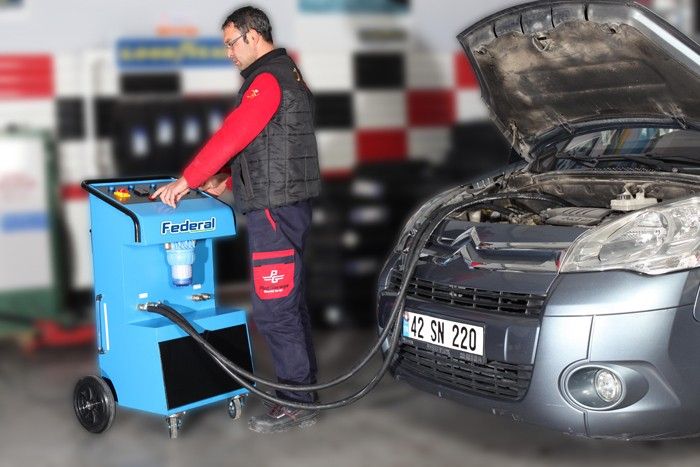
Car Heater Problems and Solutions
A car heater is an important part of the vehicle's heating and ventilation system. It provides warmth during cold weather and also helps remove condensation and fog from the windows.
When the heater does not work properly, the problem may not be limited to the heater itself. The cooling system, thermostat, water pump, heater core, coolant level, blower motor, air-mixing doors, electrical components, and climate control system can all affect heater performance.
For this reason, replacing the heater core immediately is not always the correct solution. The symptoms should first be examined carefully to determine where the problem actually originates.
How Does a Car Heater Work?
Most conventional vehicle heating systems use heat produced by the engine.
As the engine runs, the coolant absorbs heat from the engine. When the engine reaches its normal operating temperature, hot coolant is circulated through the heater core.
The blower motor pushes air through or across the heater core. The heated air is then directed into the cabin through the ventilation ducts.
The main components involved in this process include:
-
Heater core
-
Engine coolant
-
Thermostat
-
Water pump
-
Heater hoses
-
Blower motor
-
Air distribution doors
-
Temperature blend door
-
Door actuators
-
Climate control panel
-
Temperature sensors
Modern vehicles may use electronically controlled actuators instead of purely mechanical cables and doors.
The Heater Blows Cold Air
One of the most common heater problems is cold air coming from the vents even when the engine is running.
Possible causes include:
-
Low coolant level
-
Air trapped in the cooling system
-
Faulty thermostat
-
Restricted heater core
-
Poor coolant circulation
-
Water pump problems
-
Blocked heater hose
-
Blend door failure
-
Actuator failure
-
Climate control system malfunction
If the engine has reached normal operating temperature but the heater still blows completely cold air, the flow of hot coolant through the heater core and the operation of the air-mixing system should be checked.
The Heater Only Blows Lukewarm Air
Sometimes the heater works, but the air is not as hot as it should be.
Possible causes include:
-
Partially blocked heater core
-
Low coolant level
-
Air in the cooling system
-
Thermostat malfunction
-
Insufficient coolant circulation
-
Blend door not reaching the correct position
-
Poor airflow
-
Contaminated HVAC components
If the temperature remains only lukewarm even when the heater is set to maximum, comparing the temperature of the heater core inlet and outlet hoses can provide useful diagnostic information.
The Heater Is Cold at Idle but Gets Hot When You Rev the Engine
This is an important symptom.
If the heater produces little or no heat at idle but becomes noticeably warmer when engine speed increases, coolant circulation should be investigated.
Possible causes include:
-
Air trapped in the cooling system
-
Low coolant level
-
Partially restricted heater core
-
Weak or damaged water pump
-
Restricted coolant passage
-
Poor coolant circulation
When engine speed increases, coolant flow may increase as well. If this temporarily improves heater performance, the cooling system may have a circulation problem.
This behavior should not simply be considered normal.
Heater Core Blockage
The heater core can become restricted by deposits, corrosion products, sludge, or unsuitable coolant.
A partially blocked heater core may cause:
-
Weak cabin heating
-
Lukewarm air
-
Poor heating at idle
-
Better heating at higher engine speeds
-
A noticeable temperature difference between heater core inlet and outlet hoses
A heater core should not automatically be replaced based only on weak heating. Its coolant flow and temperature should be checked first.
In some cases, professional flushing may restore proper flow. If the heater core is severely damaged or internally corroded, replacement may be necessary.
Heater Core Leak
A leaking heater core can introduce engine coolant into the passenger compartment.
Common symptoms include:
-
Sweet coolant smell inside the cabin
-
Fogging or oily film on the windows
-
Wet carpet, especially around the front passenger area
-
Falling coolant level
-
Moisture around the HVAC housing
-
Stronger coolant smell when the heater is operating
A heater core leak should not be ignored.
Continuous coolant loss can eventually lead to engine overheating, while coolant inside the cabin can damage carpets, insulation, and electrical components.
Low Coolant Level and Heater Problems
The heater core is part of the engine cooling system. If the coolant level becomes too low, there may not be enough hot coolant circulating through the heater core.
As a result, the heater may stop producing adequate heat.
A low coolant level can be caused by:
-
Radiator leaks
-
Hose leaks
-
Water pump leaks
-
Thermostat housing leaks
-
Expansion tank or cap problems
-
Heater core leaks
-
Internal engine coolant loss
Adding coolant may restore the heater temporarily, but the reason for the coolant loss should always be investigated.
Can Air in the Cooling System Cause Heater Problems?
Yes.
Air trapped in the cooling system can interfere with coolant circulation, particularly through the heater core.
This can produce symptoms such as:
-
Heater temperature changing unexpectedly
-
Cold air at idle
-
Heat improving when the engine is revved
-
Gurgling or water-flow sounds
-
Unstable coolant level
-
Poor heater performance after cooling system repairs
Air can enter the system after coolant replacement, hose replacement, radiator work, water pump replacement, or a coolant leak.
The bleeding procedure is vehicle-specific, so the manufacturer's procedure should be followed rather than assuming that every cooling system can be bled in the same way.
Can a Faulty Thermostat Affect the Heater?
Yes.
The thermostat controls the engine's operating temperature by regulating coolant flow through the cooling system.
If the thermostat remains open when it should be closed, the engine may take too long to reach normal operating temperature.
This can result in:
-
Slow engine warm-up
-
Weak heater performance
-
Heater taking a long time to produce warm air
-
Lower engine temperature during highway driving
-
Reduced heating performance in cold weather
However, the thermostat should be tested rather than replaced solely because the heater is weak.
How Can a Water Pump Problem Affect the Heater?
The water pump circulates coolant through the engine and cooling system.
If the pump cannot provide adequate coolant flow, the heater core may not receive enough hot coolant.
Possible symptoms include:
-
Weak heater performance
-
Heater becoming cold at idle
-
Engine overheating
-
Coolant leaks near the pump
-
Unusual pump noise
-
Poor coolant circulation
Some modern vehicles use electric water pumps or electronically controlled coolant pumps. Their diagnostic procedures are different from those of conventional belt-driven pumps.
The Heater Fan Does Not Work
Even if the heater core is hot, the cabin will not receive warm air if the blower motor does not operate.
If the blower does not work at all, possible causes include:
-
Blown fuse
-
Faulty relay
-
Blower motor failure
-
Blower resistor
-
Electronic blower control module
-
Damaged wiring
-
Poor electrical connection
-
Climate control panel failure
If the blower works only at certain speeds, the blower resistor or electronic speed-control circuit may be responsible, depending on the vehicle's design.
The Heater Fan Is Weak
A blower motor that operates but produces weak airflow does not necessarily need to be replaced.
Possible causes include:
-
Clogged cabin air filter
-
Blocked air intake
-
Dirty evaporator
-
Debris inside the blower housing
-
Damaged blower fan
-
Restricted HVAC ducts
-
Air distribution door problems
A heavily clogged cabin filter can significantly reduce airflow even when the blower motor itself is functioning correctly.
Only One Side Produces Hot Air
Modern vehicles with dual-zone climate control can independently regulate the temperature on the driver and passenger sides.
If one side produces hot air while the other side remains cold, possible causes include:
-
Blend door problem
-
Temperature actuator failure
-
Temperature sensor fault
-
Climate control module problem
-
Incorrect blend door position
-
Low coolant or poor coolant circulation
If the system is electronically controlled, actuator position and HVAC fault codes can often be checked with appropriate diagnostic equipment.
The Temperature Control Does Not Change the Air Temperature
If moving the temperature control from cold to hot does not change the air temperature, the temperature-mixing mechanism may not be working.
Older vehicles may use a mechanical cable to move the blend door.
Newer vehicles commonly use electric servo motors or actuators.
A failed actuator may leave the door permanently in the cold or hot position.
A worn actuator gear can also produce repeated clicking or tapping noises when the temperature setting is changed.
Clicking or Ticking Sounds From the Heater Area
Clicking, tapping, or cracking noises from behind the dashboard may be related to HVAC doors or their actuators.
If the noise appears when:
-
Changing temperature
-
Switching between vent positions
-
Selecting windshield defrost
-
Switching between fresh air and recirculation
the corresponding actuator and door mechanism should be inspected.
Other possible causes include debris inside the blower housing or loose plastic HVAC components.
A Coolant Smell Comes From the Heater
A noticeable sweet smell inside the cabin when the heater is operating can indicate a coolant leak.
The heater core should receive particular attention if the smell is accompanied by:
-
Window fogging
-
Oily residue on the windshield
-
Wet carpet
-
Coolant level dropping
-
Dampness around the HVAC housing
A coolant smell should not be treated as a normal characteristic of a functioning heater.
Engine Temperature Changes When the Heater Is Turned On
Turning on the heater transfers some engine heat into the passenger compartment.
A small change in engine temperature can occur under certain conditions, but a significant temperature change should be investigated.
Particular attention is required if the heater suddenly becomes cold at the same time that the engine temperature rises.
This combination can indicate:
-
Low coolant level
-
Air in the cooling system
-
Poor coolant circulation
-
Water pump problems
-
A serious cooling system fault
If the engine is overheating, continuing to drive can cause severe engine damage.
The Windows Fog Up When the Heater Is Used
The HVAC system is also responsible for helping maintain clear windows.
Excessive fogging can be caused by:
-
High humidity inside the cabin
-
Wet carpets
-
Water entering the vehicle
-
Heater core leakage
-
Incorrect air distribution
-
Constant use of recirculation
-
A/C system not operating correctly when needed for dehumidification
If the windshield develops a greasy film together with a sweet coolant smell, a heater core leak should be investigated.
The Heater Causes a Coolant Smell but There Is No Visible Leak
A heater core leak does not always produce an obvious puddle.
Small leaks can evaporate or remain inside the HVAC housing.
In these cases, signs such as persistent coolant odor, unexplained coolant loss, repeated windshield film, or dampness inside the HVAC area can be useful clues.
A cooling system pressure test can help locate leaks that are difficult to see during a normal visual inspection.
How Should a Car Heater Problem Be Diagnosed?
The most efficient diagnosis starts with the symptoms rather than replacing components immediately.
First check whether the engine reaches its normal operating temperature.
Then inspect:
-
Coolant level
-
Signs of coolant leakage
-
Heater hose temperatures
-
Coolant circulation
-
Heater core temperature
-
Thermostat operation
-
Blower motor operation
-
Cabin air filter
-
Temperature blend door
-
Actuator operation
-
HVAC fault codes
On modern vehicles, scanning only the engine ECU may not be enough. The HVAC or climate control module may contain separate diagnostic trouble codes.
Common Mistakes When Repairing Heater Problems
Several mistakes can make a relatively simple heater problem unnecessarily expensive.
Common examples include:
-
Replacing the heater core without checking coolant flow
-
Replacing the thermostat without testing engine temperature
-
Adding coolant without finding the leak
-
Ignoring air trapped in the cooling system
-
Replacing the blower motor without checking the fuse and control circuit
-
Replacing an actuator without confirming that the door itself is not stuck
-
Ignoring a clogged cabin filter
-
Using incompatible coolant
-
Mixing coolant types without checking compatibility
-
Opening the cooling system while the engine is hot
-
Continuing to drive when the engine is overheating
A diagnosis based on the actual symptom is usually much more effective than replacing parts by assumption.
Solutions for Common Car Heater Faults
The appropriate repair depends on the cause.
If the coolant level is low, the leak must be found and repaired before the correct coolant is added.
If air is trapped in the system, the cooling system should be properly bled according to the vehicle manufacturer's procedure.
If the thermostat is faulty, it should be replaced with the correct specification.
If the heater core is restricted, professional flushing may restore coolant flow. A severely damaged or leaking heater core may need replacement.
If the water pump is not circulating coolant properly, the pump and its associated drive or electrical control system should be inspected.
If the blower is not working, the fuse, wiring, motor, resistor, or electronic control module should be tested.
If the temperature blend door is not moving, the actuator, door mechanism, wiring, and climate control module should be diagnosed.
The key is to confirm the failed component before replacing it.
How to Prevent Car Heater Problems
The heater system depends heavily on the condition of the engine cooling system, so regular cooling-system maintenance is important.
Useful practices include:
-
Keep the coolant at the correct level.
-
Use the coolant specification recommended for the vehicle.
-
Do not mix incompatible coolant types.
-
Investigate any unexplained coolant loss.
-
Monitor engine operating temperature.
-
Replace the cabin air filter at the recommended interval.
-
Pay attention to unusual coolant smells.
-
Check for leaks after cooling system repairs.
-
Make sure the cooling system is properly filled and bled after service.
-
Do not ignore overheating warnings.
A properly maintained cooling system generally provides better heater performance and reduces the risk of expensive cooling-system failures.
Identifying the Real Cause of a Heater Problem
A car heater that blows cold air can have many different causes. The problem may be as simple as a clogged cabin filter or incorrect temperature-door position, or it may be related to the thermostat, coolant circulation, water pump, heater core, or another cooling-system component.
The most useful clues are often the conditions under which the problem occurs.
If the heater is cold at idle but becomes hot when the engine is revved, coolant circulation deserves attention. If the engine never reaches normal temperature, the thermostat becomes more important. If the engine is hot but one heater hose remains significantly cooler than the other, heater-core flow should be investigated. If the heater core is hot but the cabin remains cold, the HVAC air-mixing system may be responsible.
A systematic diagnosis prevents unnecessary parts replacement and makes it much easier to find the actual cause of poor heating.