TR
TR EN
EN

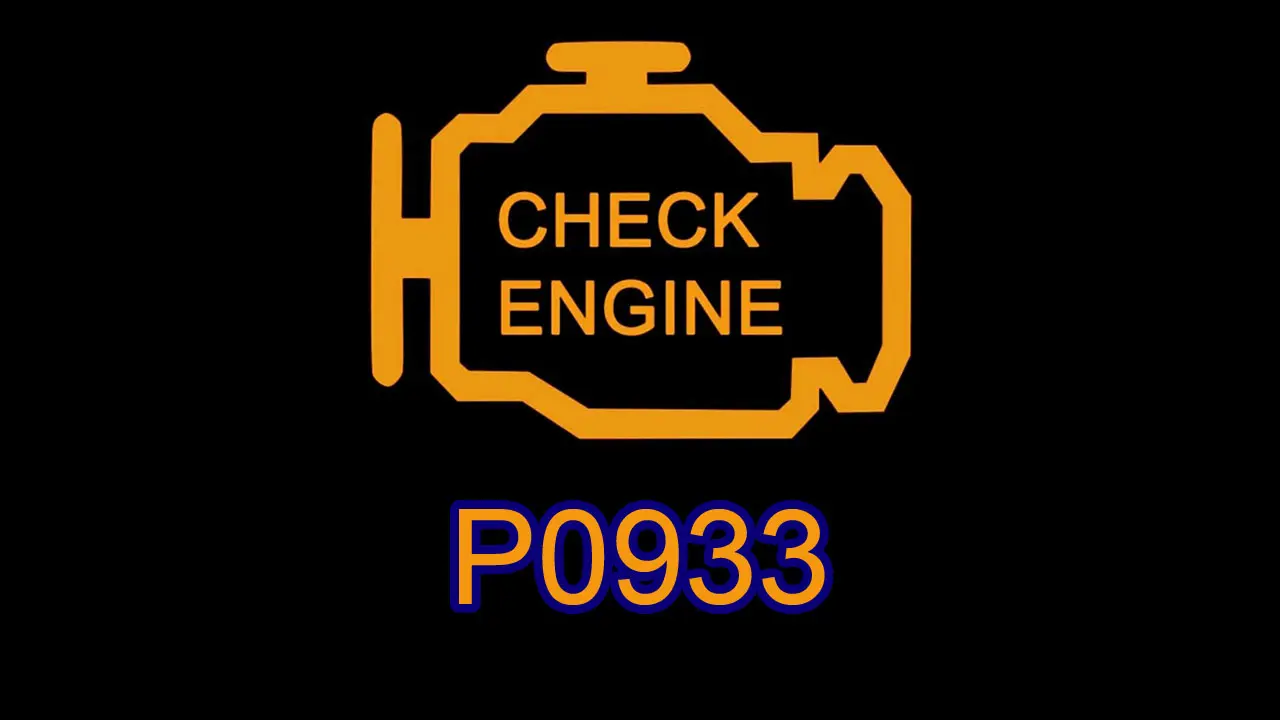
P0933 Hydraulic Pressure Sensor Circuit Range / Performance
The P0933 trouble code is an OBD-II diagnostic trouble code associated with the hydraulic pressure sensor circuit in the transmission or hydraulic control system.
P0933 – Hydraulic Pressure Sensor Circuit Range / Performance
This code means that the transmission control module (TCM) has detected that the hydraulic pressure sensor signal is outside the expected range or is not behaving according to the expected performance characteristics.
Unlike a circuit-high or circuit-low code, P0933 does not necessarily mean that the sensor voltage is continuously too high or too low. The sensor may be producing a signal, but the signal may be implausible, inconsistent, unstable under certain conditions, or not responding correctly to changes in hydraulic pressure.
Possible causes include:
-
Faulty hydraulic pressure sensor
-
Incorrect sensor signal
-
Sensor calibration problem
-
Damaged wiring
-
Excessive resistance in the circuit
-
Loose electrical connection
-
Corroded connector terminals
-
Poor sensor ground
-
Incorrect reference voltage
-
Internal transmission wiring fault
-
Mechatronic unit problem
-
Valve body problem
-
Low transmission fluid
-
Weak transmission pump
-
Internal hydraulic leakage
-
Transmission control module fault
The exact cause should be determined through proper electrical and hydraulic testing.
What Does P0933 Mean?
P0933 – Hydraulic Pressure Sensor Circuit Range / Performance
The hydraulic pressure sensor measures pressure within the transmission's hydraulic system and sends an electrical signal to the TCM.
The TCM expects the sensor signal to correspond logically with actual transmission operating conditions.
A simplified system works like this:
Hydraulic pressure → Pressure sensor → Electrical signal → TCM → Transmission control
When the TCM detects that the signal does not correspond to the expected range or does not respond correctly to changes in transmission operation, it can store P0933.
The exact criteria used to set the code vary by manufacturer.
What Does “Range / Performance” Mean?
The term “Range / Performance” is important.
P0933 does not necessarily indicate a completely failed circuit.
The sensor may still be producing a voltage, but the TCM determines that the signal is not behaving correctly.
For example:
Normal pressure change → Sensor signal should change accordingly
If the pressure changes but the sensor signal remains almost unchanged, changes unpredictably, or produces an implausible value, the TCM may identify a range/performance problem.
A possible scenario is:
Hydraulic pressure increases → Sensor signal barely changes → TCM detects an implausible response → P0933
This is different from a simple circuit-low or circuit-high condition.
Does P0933 Mean Hydraulic Pressure Is Too High or Too Low?
Not necessarily.
P0933 does not automatically mean that the transmission has either excessive or insufficient hydraulic pressure.
The problem can be the relationship between actual pressure and the electrical signal reported by the sensor.
For example:
Actual pressure normal → Sensor reports incorrect pressure → TCM detects range/performance fault
Alternatively:
Actual pressure abnormal → Sensor correctly reports abnormal pressure → TCM detects a performance problem
Therefore, both the sensor circuit and actual hydraulic pressure may need to be tested.
What Is a Hydraulic Pressure Sensor?
A hydraulic pressure sensor monitors pressure within the transmission's hydraulic system.
Depending on the transmission, it may monitor:
-
Main line pressure
-
Clutch pressure
-
Hydraulic circuit pressure
-
Pump pressure
-
Pressure in a specific transmission circuit
The sensor converts hydraulic pressure into an electrical signal.
The TCM uses this information to control the transmission's hydraulic and electronic systems.
Why Is Hydraulic Pressure Important?
Hydraulic pressure is essential for automatic and electronically controlled transmissions.
It is involved in:
-
Clutch engagement
-
Gear selection
-
Shift timing
-
Solenoid operation
-
Valve-body operation
-
Pressure regulation
-
Transmission protection
If the TCM receives incorrect pressure information, it may not be able to control the transmission correctly.
Symptoms of P0933
Symptoms vary depending on the vehicle and the underlying cause.
Possible symptoms include:
-
Check Engine Light
-
Transmission warning light
-
Harsh shifting
-
Delayed shifting
-
Erratic gear changes
-
Incorrect shift timing
-
Transmission slipping
-
Delayed engagement of Drive or Reverse
-
Limp mode
-
Reduced transmission performance
-
Abnormal hydraulic pressure
-
Sudden changes in transmission behavior
Some vehicles may store P0933 without obvious drivability symptoms.
Common Causes of P0933
Faulty hydraulic pressure sensor
The sensor may produce an incorrect signal even though the circuit is still electrically connected.
Possible causes include:
-
Internal sensor failure
-
Heat damage
-
Age
-
Vibration
-
Fluid contamination
-
Internal calibration deterioration
Incorrect sensor signal
The sensor may report a pressure value that does not correspond to the actual hydraulic pressure.
Damaged wiring
Wiring problems can alter the signal reaching the TCM.
Look for:
-
Chafing
-
Broken conductors
-
Heat damage
-
Pinched wiring
-
Poor previous repairs
-
Excessive resistance
Loose connector
A poor connection can affect the sensor signal, particularly under vibration.
Corroded terminals
Corrosion can introduce resistance into the circuit and alter the signal.
Poor sensor ground
An unstable ground can cause the sensor output to behave incorrectly.
Incorrect reference voltage
A pressure sensor may require a stable reference voltage.
If the reference supply is incorrect, the sensor signal can also become inaccurate.
Internal transmission wiring fault
If the sensor is located inside the transmission, the internal harness can be responsible for a range/performance problem.
Mechatronic unit problem
Some modern transmissions integrate pressure sensors into the mechatronic assembly.
A fault within the mechatronic unit can affect the pressure signal.
Low transmission fluid
Low fluid can cause unstable or insufficient hydraulic pressure.
This can make the sensor reading inconsistent with expected transmission operation.
Weak transmission pump
A worn or damaged pump may not produce the expected hydraulic pressure.
Valve body problems
Sticking valves or restricted hydraulic passages can cause pressure behavior that does not match the expected operating pattern.
Internal hydraulic leakage
Worn seals or other internal problems can cause hydraulic pressure to behave abnormally.
Transmission control module problem
A TCM fault is possible but should generally be considered only after the sensor, wiring and hydraulic system have been properly tested.
Can Low Transmission Fluid Cause P0933?
Yes, low transmission fluid can potentially contribute to P0933.
If the fluid level is too low, the transmission pump may have difficulty maintaining stable hydraulic pressure.
This can result in:
-
Pressure fluctuations
-
Delayed engagement
-
Clutch slip
-
Harsh shifting
-
Pump noise
-
Abnormal pressure readings
However, low fluid is not the only possible cause.
A faulty sensor or electrical circuit can create the same general diagnostic code.
Can Dirty Transmission Fluid Cause P0933?
Yes, contaminated transmission fluid can contribute to hydraulic pressure problems.
Dirty or degraded fluid may affect:
-
Valve body
-
Pressure-control components
-
Hydraulic passages
-
Solenoids
-
Pressure sensors
However, contamination should not automatically be considered the cause.
The electrical circuit and actual hydraulic pressure should be checked before deciding on a repair.
P0933 vs. P0934
These codes concern the hydraulic pressure sensor circuit but identify different conditions.
P0933 – Hydraulic Pressure Sensor Circuit Range/Performance
The sensor signal is outside the expected range or does not behave correctly.
P0934 – Hydraulic Pressure Sensor Circuit Low
The electrical signal or voltage is lower than expected.
P0933 is therefore more focused on signal behavior and plausibility, while P0934 identifies a low electrical condition.
P0933 vs. P0935
P0933 – Hydraulic Pressure Sensor Circuit Range/Performance
The sensor signal does not correspond correctly to expected operating conditions.
P0935 – Hydraulic Pressure Sensor Circuit High
The sensor circuit signal or voltage is higher than expected.
A P0933 fault does not necessarily mean the signal is consistently high or low.
P0933 vs. P0936
P0933 identifies a range/performance problem.
P0936 – Hydraulic Pressure Sensor Circuit Intermittent identifies an intermittent electrical condition.
A sensor or wiring fault may sometimes produce one code and, under different conditions, produce another.
P0933 vs. P0937
These codes concern different sensors.
P0933 concerns the hydraulic pressure sensor circuit.
P0937 concerns the hydraulic oil temperature sensor circuit.
Both sensors can influence transmission control, but they perform different functions.
P0933 vs. P0938
P0933 – Hydraulic Pressure Sensor Circuit Range/Performance
This concerns the hydraulic pressure sensor.
P0938 – Hydraulic Oil Temperature Sensor Circuit Range/Performance
This concerns the hydraulic oil temperature sensor.
The wording is similar, but the monitored sensor is different.
P0933 vs. P0942
P0933 indicates a pressure sensor range/performance problem.
P0942 – Hydraulic Pressure Unit Loss of Pressure indicates a hydraulic pressure loss condition.
If both codes are present, it is important to determine whether the sensor is reporting the problem incorrectly or whether actual hydraulic pressure is abnormal.
How Serious Is P0933?
P0933 can be a significant transmission fault, particularly when accompanied by shifting problems or genuine hydraulic pressure abnormalities.
The code does not automatically mean that the transmission needs to be rebuilt.
However, incorrect pressure information can affect transmission control.
The situation is more serious if you experience:
-
Transmission slipping
-
Severe shifting
-
Loss of gears
-
Delayed Drive or Reverse
-
Limp mode
-
Transmission overheating
-
Significant loss of performance
Can You Drive With P0933?
If the vehicle is operating normally and P0933 has only recently appeared, a short trip to a qualified repair facility may be possible.
However, continued driving should be avoided if you experience:
-
Severe slipping
-
Violent gear changes
-
Loss of Drive
-
Loss of Reverse
-
Limp mode
-
Transmission overheating
-
Strong transmission warning messages
If actual hydraulic pressure is too low or unstable, continued driving may increase internal transmission wear.
How to Diagnose P0933
Because P0933 is a range/performance code, diagnosis should include both electrical signal testing and hydraulic-pressure verification where appropriate.
1. Scan all transmission control modules
Use a professional diagnostic scanner to check:
-
TCM
-
PCM
-
Transmission modules
-
Hydraulic control modules
Record all stored, pending and history codes.
Other codes may provide important clues.
2. Check freeze-frame data
Review the conditions under which P0933 was stored.
Important parameters may include:
-
Hydraulic pressure
-
Transmission temperature
-
Vehicle speed
-
Engine RPM
-
Selected gear
-
System voltage
This can reveal whether the problem occurs under a particular load or operating condition.
3. Monitor live pressure data
Observe the hydraulic pressure sensor value while operating the vehicle.
Monitor it during:
-
Cold start
-
Warm operation
-
Acceleration
-
Deceleration
-
Gear changes
-
Different engine loads
The signal should respond logically to changes in transmission operation.
4. Compare commanded and actual pressure
If the vehicle provides both commanded and actual pressure data, compare the two.
A significant unexplained difference can help identify:
-
Sensor problems
-
Hydraulic problems
-
Pressure-control problems
5. Inspect the pressure sensor connector
Check for:
-
Corrosion
-
Loose terminals
-
Bent pins
-
Moisture
-
Oil contamination
-
Damaged locking mechanism
6. Inspect the wiring
Look for:
-
Chafing
-
Broken conductors
-
Heat damage
-
Pinched wires
-
Excessive resistance
-
Poor previous repairs
7. Check reference voltage
Verify that the pressure sensor receives the correct reference voltage.
The value must be compared with the manufacturer's specifications.
8. Check sensor ground
Test the ground circuit for:
-
Excessive resistance
-
Voltage drop
-
Corrosion
-
Loose connections
9. Measure sensor signal voltage
Measure the sensor signal under the specified operating conditions.
Compare the result with manufacturer specifications.
The signal should change appropriately as hydraulic pressure changes.
10. Check wiring continuity
Test the complete circuit between the sensor and TCM.
Check for:
-
Open circuits
-
Short circuits
-
Excessive resistance
-
Poor terminal contact
11. Perform a harness movement test
While monitoring the sensor signal, carefully move the relevant harness and connector.
If the signal changes unexpectedly, an intermittent wiring or connector problem may exist.
12. Test the pressure sensor
If the wiring, reference voltage and ground are correct, test the pressure sensor according to the manufacturer's procedure.
The sensor should respond predictably to changes in hydraulic pressure.
13. Check transmission fluid
Inspect:
-
Fluid level
-
Fluid condition
-
Signs of overheating
-
Contamination
-
Leaks
Follow the manufacturer's specified procedure for checking fluid level.
14. Verify actual hydraulic pressure
If sensor data is abnormal, measure actual hydraulic pressure using the appropriate service procedure.
This is one of the most important diagnostic steps.
It helps distinguish:
Incorrect sensor information
from
Genuine hydraulic pressure abnormality
15. Inspect the valve body and hydraulic system
If actual pressure does not meet specifications, inspect:
-
Transmission pump
-
Valve body
-
Pressure-control system
-
Hydraulic passages
-
Internal seals
-
Related components
16. Evaluate the mechatronic unit
If the pressure sensor is integrated into the mechatronic unit, further testing may be required.
17. Evaluate the TCM
If the sensor, wiring, reference voltage, ground and hydraulic system all test correctly, the TCM may require additional diagnosis.
TCM replacement should not be the first repair based solely on P0933.
Why P0933 Can Be Difficult to Diagnose
P0933 can be challenging because the sensor may still be producing a seemingly reasonable signal.
The problem is that the signal does not behave correctly relative to actual transmission operation.
For example:
Normal hydraulic pressure change → Sensor signal changes too little → TCM detects incorrect response → P0933
There may be no obvious open or short circuit.
This is why simply checking whether the sensor has voltage is not always enough.
P0933 and Limp Mode
Yes, P0933 can potentially cause limp mode.
If the TCM cannot reliably determine hydraulic pressure, it may activate a protective strategy.
Depending on the transmission, this can result in:
-
Limited gear selection
-
Fixed gear operation
-
Harsh shifting
-
Reduced transmission performance
-
Transmission warning messages
The exact response depends on the manufacturer's control strategy.
P0933 After Transmission Repair
If P0933 appears immediately after transmission work, inspect components that were disturbed.
Pay particular attention to:
-
Pressure sensor connector
-
Internal transmission harness
-
Mechatronic connector
-
External wiring
-
Ground connections
A connector that is not fully seated can cause incorrect sensor readings.
P0933 After Transmission Replacement
If P0933 appears after replacing the transmission, check:
-
Pressure sensor connection
-
Internal wiring
-
External harness
-
Connector installation
-
Ground connections
-
TCM configuration
-
Required programming or adaptation
Do not immediately assume that the replacement transmission has a mechanical failure.
P0933 After a Transmission Fluid Change
A fluid change does not normally cause a pressure sensor range/performance fault directly.
However, inspect the sensor connector and wiring if they were disturbed during service.
Also verify:
-
Correct fluid specification
-
Correct fluid level
-
No leaks
-
No contamination
Incorrect fluid level can also create genuine hydraulic pressure problems.
Can P0933 Damage the Transmission?
P0933 itself does not directly damage the transmission.
The potential danger comes from what caused the code and how the transmission responds to incorrect pressure information.
If the TCM receives incorrect sensor data, it may control the transmission incorrectly.
If actual hydraulic pressure is too low, the risk is greater.
Low hydraulic pressure can contribute to:
-
Clutch slip
-
Excessive heat
-
Delayed engagement
-
Harsh shifting
-
Accelerated internal wear
For this reason, P0933 should not be ignored.
Common Diagnostic Mistakes With P0933
One common mistake is replacing the pressure sensor immediately.
The problem could instead be:
-
Wiring
-
Connector
-
Reference voltage
-
Sensor ground
-
Internal transmission harness
Another common mistake is assuming that P0933 automatically means low or high hydraulic pressure.
The code specifically identifies a range/performance problem in the sensor circuit.
Another mistake is replacing the transmission before measuring actual hydraulic pressure.
Another is ignoring transmission fluid level and condition.
A complete diagnosis should determine whether the problem is electrical, hydraulic or both.
What Is the Correct Repair for P0933?
The correct repair depends on the confirmed cause.
Possible repairs include:
-
Replacing the hydraulic pressure sensor
-
Repairing damaged wiring
-
Correcting excessive circuit resistance
-
Repairing connector terminals
-
Replacing a damaged connector
-
Correcting reference-voltage problems
-
Repairing the sensor ground
-
Repairing internal transmission wiring
-
Repairing the mechatronic unit
-
Correcting low transmission fluid
-
Repairing a weak transmission pump
-
Repairing valve-body problems
-
Correcting internal hydraulic leakage
-
Updating TCM software where applicable
-
Replacing the TCM only when it is conclusively diagnosed as faulty
After the repair, clear the trouble code and perform a road test while monitoring the pressure sensor signal and transmission operation.
Final Thoughts on P0933
P0933 – Hydraulic Pressure Sensor Circuit Range / Performance indicates that the transmission control module has detected that the hydraulic pressure sensor signal is outside the expected range or is not responding correctly to transmission operating conditions.
The code does not automatically mean that hydraulic pressure is too high or too low.
Possible causes include a faulty pressure sensor, damaged wiring, poor connector contact, reference-voltage problems, sensor-ground faults, internal transmission wiring, mechatronic problems or genuine hydraulic pressure issues.
Low transmission fluid, a weak pump, valve-body problems or internal hydraulic leakage can also affect pressure behavior and should be considered when the vehicle has transmission symptoms.
The most effective diagnostic approach is to compare live sensor data with actual transmission operating conditions, test the sensor circuit, verify reference voltage and ground, inspect the wiring and connector, and measure actual hydraulic pressure when necessary.
P0933 should not automatically lead to replacement of the pressure sensor, valve body, mechatronic unit or complete transmission. Determining whether the problem is caused by the electrical sensor circuit or by genuine hydraulic pressure behavior is essential for making the correct repair.