TR
TR EN
EN

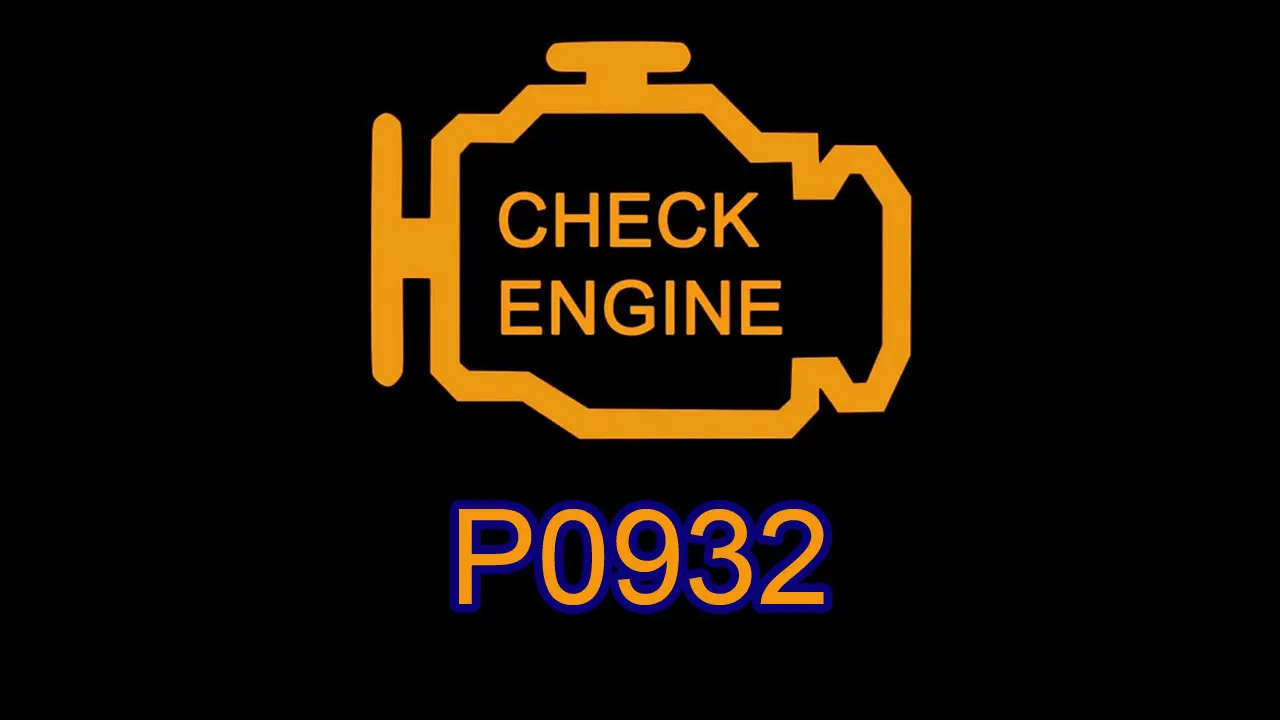
P0932 Hydraulic Pressure Sensor Circuit Malfunction
The P0932 trouble code is an OBD-II diagnostic trouble code related to the hydraulic pressure sensor circuit in the transmission or hydraulic control system.
P0932 – Hydraulic Pressure Sensor Circuit Malfunction
This code means that the transmission control module (TCM) has detected a malfunction in the electrical circuit of the hydraulic pressure sensor.
Unlike codes such as P0933, P0934, P0935 or P0936, which provide more specific information about the type of signal problem, P0932 is a general circuit malfunction code. It indicates that the TCM has identified an abnormal condition involving the hydraulic pressure sensor circuit.
The exact cause can be electrical, sensor-related or, depending on the vehicle, related to the hydraulic system itself.
Possible causes include:
-
Faulty hydraulic pressure sensor
-
Damaged sensor wiring
-
Open circuit
-
Short circuit
-
Corroded connector
-
Loose connector terminal
-
Poor electrical connection
-
Incorrect reference voltage
-
Poor sensor ground
-
Internal transmission wiring fault
-
Mechatronic unit problem
-
Hydraulic pressure problem
-
Transmission control module fault
What Does P0932 Mean?
The hydraulic pressure sensor monitors pressure within the transmission's hydraulic system and converts that pressure into an electrical signal.
The TCM uses this signal to determine whether hydraulic pressure is appropriate for the current transmission operating conditions.
The basic process is:
Hydraulic pressure → Pressure sensor → Electrical signal → TCM → Transmission control
When the TCM determines that the pressure sensor circuit is malfunctioning, it can store P0932.
The code itself does not necessarily tell you whether the sensor signal is high, low or intermittent.
That distinction is important because P0932 should not automatically be diagnosed by simply replacing the pressure sensor.
What Is a Hydraulic Pressure Sensor?
A hydraulic pressure sensor is an electronic component used to monitor pressure inside a transmission's hydraulic system.
Depending on the transmission design, the sensor may monitor:
-
Main transmission line pressure
-
Clutch pressure
-
Hydraulic circuit pressure
-
Pump pressure
-
Pressure in a specific hydraulic circuit
The sensor converts hydraulic pressure into an electrical signal that can be interpreted by the TCM.
The control module then uses this information to regulate transmission operation.
Why Is the Hydraulic Pressure Sensor Important?
Automatic transmissions rely on hydraulic pressure to control many internal functions.
Hydraulic pressure is used for:
-
Clutch engagement
-
Gear selection
-
Shift timing
-
Valve operation
-
Solenoid control
-
Pressure regulation
-
Transmission protection
If the pressure sensor does not provide reliable information, the TCM may not know whether the hydraulic system is producing the pressure required for a particular transmission operation.
Symptoms of P0932
The symptoms associated with P0932 can vary significantly depending on the vehicle and the cause of the fault.
Possible symptoms include:
-
Check Engine Light
-
Transmission warning light
-
Harsh shifting
-
Delayed gear changes
-
Erratic shifting
-
Transmission slipping
-
Delayed engagement of Drive
-
Delayed engagement of Reverse
-
Incorrect shift timing
-
Limp mode
-
Reduced transmission performance
-
Abnormal hydraulic pressure
-
Transmission overheating
Some vehicles may store P0932 while continuing to drive normally.
In other vehicles, the transmission may immediately enter a protective or fail-safe mode.
Common Causes of P0932
Faulty hydraulic pressure sensor
The pressure sensor itself may have an internal electrical failure.
A sensor can deteriorate because of:
-
Heat
-
Vibration
-
Age
-
Electrical damage
-
Fluid contamination
If the sensor does not generate a valid signal, the TCM may identify a circuit malfunction.
Open circuit
A broken wire or disconnected terminal can interrupt communication between the pressure sensor and TCM.
Possible causes include:
-
Broken conductor
-
Disconnected connector
-
Damaged terminal
-
Internal harness failure
Short circuit
A sensor circuit can also malfunction if the signal wire contacts:
-
Ground
-
Battery voltage
-
Another circuit
The exact result depends on the circuit design.
Damaged wiring
Transmission wiring is exposed to heat, vibration and movement.
Inspect for:
-
Chafing
-
Melted insulation
-
Pinched wires
-
Broken conductors
-
Heat damage
-
Poor previous repairs
Corroded connector
Moisture, oil and contamination can cause connector corrosion.
Corrosion can increase resistance and interfere with the pressure sensor signal.
Loose electrical connection
A terminal that does not make reliable contact can cause the sensor signal to disappear or become unstable.
Incorrect reference voltage
Many hydraulic pressure sensors use a reference voltage supplied by the control module.
If the reference voltage is incorrect, the sensor may not operate properly.
Poor sensor ground
A weak or high-resistance ground can prevent the sensor from producing a correct output signal.
Internal transmission wiring fault
On some transmissions, the pressure sensor and its wiring are located inside the transmission.
An internal harness fault can therefore produce P0932.
Mechatronic unit fault
Modern automatic transmissions may integrate pressure sensors, solenoids, valves and electronic control components into a mechatronic assembly.
A fault in the mechatronic unit can affect the pressure sensor circuit.
Hydraulic pressure problem
Although P0932 is primarily a circuit malfunction code, an actual hydraulic problem can sometimes be associated with abnormal sensor behavior.
Possible hydraulic causes include:
-
Low transmission fluid
-
Weak transmission pump
-
Internal hydraulic leakage
-
Valve-body problems
-
Restricted hydraulic passages
These possibilities become more important when P0932 is accompanied by significant transmission symptoms.
Transmission control module fault
A TCM problem is possible, but it should generally be considered only after the sensor, wiring, reference voltage and ground have been properly tested.
Can Low Transmission Fluid Cause P0932?
Low transmission fluid can contribute to transmission pressure problems, but it does not normally create an electrical circuit malfunction by itself.
If the fluid level is too low, the transmission pump may not maintain the required hydraulic pressure.
This can result in:
-
Pressure fluctuations
-
Delayed engagement
-
Clutch slipping
-
Abnormal shifting
-
Pump noise
However, if the diagnostic problem is electrical, the pressure sensor wiring and electrical supply must still be inspected.
Can Dirty Transmission Fluid Cause P0932?
Contaminated or severely degraded transmission fluid can affect hydraulic components and pressure sensors.
It may contribute to:
-
Valve-body problems
-
Restricted passages
-
Solenoid problems
-
Sensor contamination
-
Abnormal hydraulic pressure
However, dirty fluid should not automatically be identified as the cause of P0932.
The electrical circuit should be tested before assuming that the transmission requires major mechanical repairs.
P0932 vs. P0933
These codes are closely related but describe different conditions.
P0932 – Hydraulic Pressure Sensor Circuit Malfunction
A general malfunction has been detected in the pressure sensor circuit.
P0933 – Hydraulic Pressure Sensor Circuit Range/Performance
The sensor signal is outside the expected range or is not behaving according to expected performance characteristics.
P0932 is therefore more general, while P0933 gives more specific information about the sensor's range or behavior.
P0932 vs. P0934
P0932 – Hydraulic Pressure Sensor Circuit Malfunction
A general pressure sensor circuit malfunction has been detected.
P0934 – Hydraulic Pressure Sensor Circuit Low
The electrical signal or voltage from the circuit is lower than expected.
If P0934 is present, the diagnostic direction is more specifically focused on a low electrical signal.
P0932 vs. P0935
P0932 identifies a general circuit malfunction.
P0935 – Hydraulic Pressure Sensor Circuit High identifies a sensor circuit signal or voltage that is higher than expected.
A circuit-high condition can therefore be more specifically identified by P0935.
P0932 vs. P0936
P0932 – Hydraulic Pressure Sensor Circuit Malfunction
A general malfunction has been detected.
P0936 – Hydraulic Pressure Sensor Circuit Intermittent
The sensor circuit is producing an intermittent or unstable signal.
An intermittent wiring connection can sometimes cause different codes depending on the operating conditions.
P0932 vs. P0937
These codes concern different transmission sensors.
P0932 concerns the hydraulic pressure sensor circuit.
P0937 concerns the hydraulic oil temperature sensor circuit.
The pressure sensor measures hydraulic pressure, while the temperature sensor monitors hydraulic fluid temperature.
P0932 vs. P0938
P0932 identifies a general hydraulic pressure sensor circuit malfunction.
P0938 – Hydraulic Oil Temperature Sensor Circuit Range/Performance concerns the performance of the hydraulic oil temperature sensor circuit.
Although the wording is similar, they monitor different parameters.
P0932 vs. P0942
P0932 is primarily a pressure sensor circuit malfunction.
P0942 – Hydraulic Pressure Unit Loss of Pressure identifies a hydraulic pressure loss condition.
If both codes are present, it becomes particularly important to determine whether the sensor is malfunctioning or whether the transmission is actually losing hydraulic pressure.
How Serious Is P0932?
P0932 can be a serious transmission-related fault.
The severity depends on the underlying cause.
If the problem is a simple connector or wiring issue, the repair may be relatively straightforward.
If the problem is associated with genuine hydraulic pressure loss, a valve-body problem or mechatronic failure, the situation can be considerably more serious.
The risk is higher when the vehicle has:
-
Transmission slipping
-
Severe shifting
-
Loss of gears
-
Delayed Drive or Reverse engagement
-
Limp mode
-
Transmission overheating
-
Significant performance loss
Can You Drive With P0932?
If the vehicle is shifting normally and P0932 has just appeared, a short drive to a qualified repair facility may be possible.
However, it is better to avoid unnecessary driving if the transmission is showing abnormal behavior.
Stop driving and have the vehicle inspected if you experience:
-
Severe slipping
-
Violent gear changes
-
Loss of Drive
-
Loss of Reverse
-
Limp mode
-
Transmission overheating
-
Significant transmission warning messages
If the underlying problem is low hydraulic pressure, continued operation may increase internal transmission wear.
How to Diagnose P0932
Because P0932 is a general circuit malfunction code, diagnosis should begin with the electrical circuit rather than immediately replacing transmission components.
1. Scan all control modules
Use a professional diagnostic scanner to check:
-
TCM
-
PCM
-
Transmission control systems
-
Hydraulic control modules
Record all stored, pending and history codes.
Other codes can provide important clues.
2. Check freeze-frame data
Review the conditions present when P0932 was stored.
Look at:
-
Transmission temperature
-
Vehicle speed
-
Engine RPM
-
Selected gear
-
System voltage
-
Pressure-related data
This can help determine when the problem occurred.
3. Check live data
Monitor the hydraulic pressure sensor value using the scan tool.
Observe whether the pressure reading:
-
Changes normally
-
Remains fixed
-
Drops unexpectedly
-
Becomes implausible
-
Disappears intermittently
4. Inspect the pressure sensor connector
Check carefully for:
-
Corrosion
-
Bent pins
-
Loose terminals
-
Moisture
-
Oil contamination
-
Damaged locking mechanism
A connector problem is a common and relatively easy-to-overlook cause of sensor circuit faults.
5. Inspect the wiring
Inspect the entire accessible harness for:
-
Broken wires
-
Chafing
-
Melted insulation
-
Pinched wiring
-
Heat damage
-
Incorrect previous repairs
6. Check the sensor reference voltage
Verify that the sensor receives the correct reference voltage.
Do not assume a universal voltage value because sensor designs vary between manufacturers.
7. Check sensor ground
Test the sensor ground for:
-
Excessive resistance
-
Voltage drop
-
Corrosion
-
Loose connections
A poor ground can cause the sensor to operate incorrectly.
8. Test the sensor signal
Measure the sensor output and compare it with the manufacturer's specifications.
The signal should correspond logically with the hydraulic pressure.
9. Check circuit continuity
Test the wiring between the pressure sensor and TCM.
Check for:
-
Open circuits
-
Short circuits
-
Excessive resistance
-
Short to ground
-
Short to voltage
10. Perform a harness movement test
While monitoring the sensor signal, carefully move the wiring harness and connector.
If the signal changes when the harness is moved, the wiring or connector may have an intermittent fault.
11. Test the pressure sensor
If the wiring, reference voltage and ground are correct, test the sensor according to the manufacturer's diagnostic procedure.
Depending on the system, this may involve measuring:
-
Supply voltage
-
Ground
-
Signal voltage
-
Sensor response
12. Check transmission fluid
Inspect:
-
Fluid level
-
Fluid condition
-
Fluid color
-
Signs of overheating
-
Contamination
-
Leaks
Always follow the manufacturer's procedure for checking transmission fluid.
13. Verify actual hydraulic pressure
If the electrical circuit appears correct but the pressure reading is abnormal, actual hydraulic pressure should be measured using the appropriate service procedure.
This can determine whether the sensor is reporting incorrectly or whether the hydraulic system itself has a problem.
14. Inspect the valve body and hydraulic system
If actual hydraulic pressure does not meet specifications, inspect possible hydraulic causes such as:
-
Transmission pump
-
Valve body
-
Pressure-control components
-
Hydraulic passages
-
Internal seals
15. Inspect the mechatronic unit
If the pressure sensor is integrated into the mechatronic assembly, additional testing of the assembly may be necessary.
16. Evaluate the TCM
Only after the sensor circuit, wiring, reference voltage, ground and hydraulic system have been properly tested should a TCM fault be considered.
Why P0932 Can Be Misdiagnosed
P0932 is a general code, which means that it does not tell you exactly which component has failed.
For example, the same code may be associated with:
Faulty sensor → Incorrect pressure signal → P0932
or:
Broken wire → No reliable sensor signal → P0932
or:
Poor connector → Unstable sensor connection → P0932
or:
Reference-voltage problem → Incorrect sensor operation → P0932
These situations require completely different repairs.
Replacing the pressure sensor without testing the circuit can therefore waste time and money.
P0932 and Limp Mode
Yes, P0932 can potentially cause transmission limp mode.
If the TCM cannot obtain reliable hydraulic pressure information, it may activate a protective operating strategy.
Depending on the vehicle, this may result in:
-
Limited gear selection
-
Fixed gear operation
-
Harsh shifting
-
Reduced transmission performance
-
Transmission warning messages
The exact behavior depends on the transmission control system.
P0932 After Transmission Repair
If P0932 appears immediately after transmission work, inspect any components that were disconnected or moved.
Pay particular attention to:
-
Pressure sensor connector
-
Internal transmission harness
-
Mechatronic connector
-
External transmission wiring
-
Ground connections
A connector that is not fully seated can cause a sensor circuit malfunction.
P0932 After Transmission Replacement
If the code appears after transmission replacement, check:
-
Pressure sensor connection
-
Internal wiring
-
External harness
-
Connector installation
-
Ground connections
-
TCM configuration
-
Required programming
-
Required adaptation procedures
Do not automatically assume that the replacement transmission has an internal mechanical problem.
P0932 After a Transmission Fluid Change
A transmission fluid change does not normally cause an electrical pressure sensor circuit malfunction.
However, if the sensor or wiring was disturbed during service, inspect the connector and harness.
Also verify:
-
Correct transmission fluid
-
Correct fluid level
-
No leaks
-
No contamination
Incorrect fluid level can create genuine hydraulic problems that may affect sensor readings.
Can P0932 Damage the Transmission?
P0932 itself does not directly damage the transmission.
The potential damage comes from the underlying fault and how the transmission operates with incorrect pressure information.
If the TCM cannot correctly control hydraulic pressure, the transmission may experience abnormal operation.
If actual hydraulic pressure is too low, the consequences can be more serious.
Potential results include:
-
Clutch slip
-
Excessive heat
-
Delayed engagement
-
Harsh shifting
-
Accelerated internal wear
For this reason, P0932 should not be ignored.
Common Diagnostic Mistakes With P0932
One common mistake is immediately replacing the pressure sensor.
The problem may actually be:
-
Damaged wiring
-
Open circuit
-
Short circuit
-
Corroded connector
-
Poor ground
-
Incorrect reference voltage
-
Internal transmission wiring
Another mistake is assuming that P0932 means the transmission has a hydraulic pressure problem.
The code primarily identifies a malfunction in the pressure sensor circuit.
Another mistake is replacing the valve body or entire transmission before verifying the electrical circuit.
What Is the Correct Repair for P0932?
The correct repair depends on the confirmed cause.
Possible repairs include:
-
Replacing the hydraulic pressure sensor
-
Repairing broken wiring
-
Repairing an open circuit
-
Repairing a short circuit
-
Replacing damaged connector terminals
-
Repairing a corroded connector
-
Correcting the sensor reference voltage
-
Repairing the sensor ground
-
Repairing internal transmission wiring
-
Repairing the mechatronic unit
-
Correcting transmission fluid level
-
Repairing hydraulic pressure problems
-
Repairing valve-body problems
-
Repairing a transmission pump where necessary
-
Updating TCM software where applicable
-
Replacing the TCM only after it has been conclusively diagnosed as faulty
After completing the repair, clear the diagnostic trouble code and perform a road test.
The pressure sensor signal should be monitored during the test to confirm that it behaves correctly under different transmission operating conditions.
Final Thoughts on P0932
P0932 – Hydraulic Pressure Sensor Circuit Malfunction indicates that the transmission control module has detected a malfunction involving the hydraulic pressure sensor circuit.
Unlike specific codes such as P0933, P0934, P0935 and P0936, P0932 does not necessarily identify whether the signal is too high, too low or intermittent.
Possible causes include a failed hydraulic pressure sensor, damaged wiring, open or shorted circuits, corroded connectors, poor grounding, incorrect reference voltage, internal transmission wiring, mechatronic problems or, in some cases, genuine hydraulic pressure problems.
The correct diagnostic approach is to inspect the connector and wiring first, verify reference voltage and ground, test the sensor signal, and compare sensor data with actual hydraulic pressure when necessary.
P0932 should not automatically lead to replacement of the pressure sensor, valve body, mechatronic unit or complete transmission. Identifying the exact cause of the circuit malfunction is essential for making the correct repair and preventing unnecessary transmission work.