TR
TR EN
EN

Why Does the Oil Warning Light Come On?
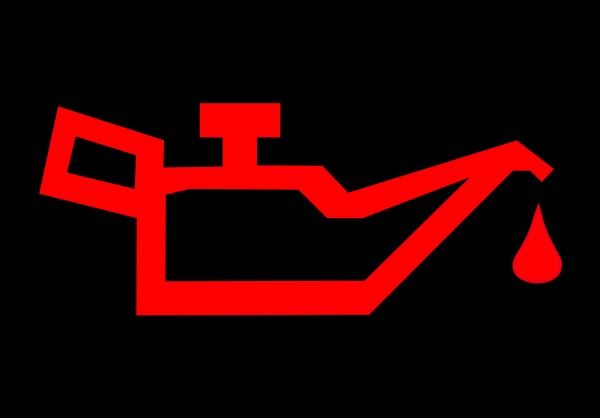
The oil warning light is one of the most important warnings on a vehicle's instrument cluster. When the red oil-can symbol illuminates, it does not necessarily mean that the engine oil level is low. In many cases, it indicates that engine oil pressure is too low or that there is a problem within the lubrication system.
If the oil warning light comes on while the engine is running, continuing to drive can cause severe engine damage.
For this reason, the oil warning light should generally be treated more urgently than the Check Engine light.
What Does the Oil Warning Light Mean?
One of the main reasons the oil warning light comes on while the engine is running is insufficient oil pressure.
The crankshaft, camshafts, bearings, pistons, turbocharger, and other moving components require proper lubrication. Engine oil does more than reduce friction. It also helps remove heat, carry contaminants away from moving parts, and protect internal components from wear and corrosion.
The oil pump circulates oil through the engine and helps create the pressure required by the lubrication system.
If oil pressure falls below the level expected by the vehicle's monitoring system, the oil-pressure sensor or switch can trigger the warning light.
Is It Normal for the Oil Light to Come On When the Ignition Is Switched On?
Yes.
On most vehicles, the oil warning light illuminates when the ignition is switched on before the engine is started.
At this point, the engine is not running, so the oil pump is not yet producing normal oil pressure.
After the engine starts, oil pressure should build and the warning light should go out shortly afterward.
The normal sequence is:
Ignition on → oil light on → engine starts → oil pressure builds → oil light goes out
If the light remains on after the engine starts or comes on while driving, the situation requires attention.
What Should You Do If the Oil Warning Light Comes On While Driving?
If the oil warning light comes on while the engine is running, pull over somewhere safe and switch the engine off.
If the warning is red and remains illuminated, continuing to drive can be dangerous for the engine.
After stopping:
-
Park the vehicle on a level surface.
-
Switch off the engine.
-
Wait a few minutes for the oil to drain back into the oil pan.
-
Check the engine oil level.
-
Look for obvious oil leaks.
-
If the oil level is low, add the correct oil specified for the engine.
-
If the oil level is normal but the warning remains, do not continue driving until the oil pressure has been properly checked.
The important point is:
A normal oil level does not necessarily mean that oil pressure is normal.
Can Low Engine Oil Cause the Oil Warning Light to Come On?
Yes.
If the engine oil level becomes sufficiently low, the oil pump may not be able to draw and circulate enough oil under certain operating conditions.
This can become especially noticeable during:
-
Hard cornering
-
Heavy braking
-
Steep inclines
-
High engine speeds
-
Acceleration
Oil movement inside the oil pan can temporarily expose the oil pickup, reducing the amount of oil available to the pump.
However, if the oil level repeatedly becomes low, the reason for the oil loss should also be investigated.
Repeated oil loss should not simply be considered normal without checking the engine.
Can an Oil Leak Cause the Oil Warning Light to Come On?
Yes.
An external oil leak can gradually reduce the amount of oil in the engine.
Common leak locations include:
-
Oil pan gasket or sealing surface
-
Oil pan
-
Oil filter
-
Oil filter housing
-
Valve cover gasket
-
Crankshaft seals
-
Camshaft seals
-
Oil cooler connections
-
Turbocharger oil lines
-
Oil-pressure sensor area
A small leak may go unnoticed for a long time. However, if enough oil is lost, the oil level can eventually become low enough to affect the lubrication system.
Can Burning Oil Cause the Oil Warning Light to Come On?
An engine that consumes or burns oil can also eventually develop a low oil level.
Possible causes of excessive oil consumption include:
-
Worn piston rings
-
Cylinder wear
-
Valve-stem seals
-
Turbocharger problems
-
Crankcase ventilation problems
Blue or bluish exhaust smoke can be a sign of oil consumption, but not every engine that consumes oil produces clearly visible blue smoke.
If the oil level falls far enough, oil pressure can eventually be affected and the warning light may illuminate.
Oil Pump Failure
The oil pump is one of the most important components in the engine lubrication system.
If the pump cannot circulate oil properly or cannot produce sufficient pressure, the oil warning light may come on even when the oil level is correct.
Possible oil-pump problems include:
-
Internal wear
-
Mechanical damage
-
Drive problems
-
Pressure-control valve problems
-
Oil pickup problems
-
Restrictions in the lubrication system
Simply adding more oil will not fix an oil-pump problem.
Actual oil pressure should be measured to determine whether the lubrication system is functioning correctly.
Can a Clogged Oil Filter Cause the Oil Warning Light to Come On?
The oil filter removes contaminants from the engine oil.
A severely restricted filter or another problem within the lubrication system can affect oil flow.
However, modern oil filters commonly incorporate a bypass valve, so it is too simplistic to say that a partially clogged filter will automatically cause the engine to lose oil pressure completely.
Using the wrong filter, a defective filter, or a filter with a problem involving its internal valve can still contribute to lubrication-system problems.
Therefore, if the oil warning light comes on, the entire lubrication system should be evaluated rather than simply replacing the filter without testing.
Can the Wrong Engine Oil Cause the Oil Warning Light to Come On?
Yes, using an oil that does not meet the engine manufacturer's requirements can affect lubrication performance.
Choosing engine oil is not simply a matter of selecting a viscosity such as 5W-30 or 5W-40.
Other requirements may include:
-
Viscosity
-
API classification
-
ACEA classification
-
Manufacturer approval
-
Low-SAPS requirements
-
DPF compatibility
-
Engine-specific specifications
Using an oil with significantly different characteristics from those required by the manufacturer can affect oil pressure and lubrication behavior under certain operating conditions.
The correct oil should therefore be selected according to the vehicle manufacturer's specification rather than based solely on viscosity or brand.
Faulty Oil Pressure Sensor or Switch
An illuminated oil warning light does not always mean that actual oil pressure is low.
The oil-pressure sensor or switch itself can fail.
Electrical problems can also produce a false warning, including:
-
Damaged wiring
-
Loose connector
-
Corrosion
-
Poor electrical contact
-
Grounding problems
However, replacing the sensor immediately is not always the best diagnostic approach.
The most reliable way to distinguish a faulty sensor from a genuine lubrication problem is to measure actual oil pressure with appropriate test equipment.
How Is Engine Oil Pressure Checked?
Actual oil pressure can be checked using a suitable mechanical oil-pressure gauge.
The gauge is connected to the appropriate oil-pressure test point, and the engine is checked under different operating conditions.
Depending on the manufacturer's diagnostic procedure, measurements may be taken:
-
With the engine cold
-
At normal operating temperature
-
At idle
-
At specified engine speeds
The results should then be compared with the manufacturer's specifications for that particular engine.
This test is particularly useful because it provides information about actual oil pressure rather than relying only on the electrical oil-pressure sensor.
Why Does the Oil Light Come On After the Engine Gets Hot?
If the oil warning light remains off when the engine is cold but comes on after the engine reaches normal operating temperature, the problem should be investigated carefully.
As engine oil heats up, its viscosity decreases. If the engine has excessive internal clearances or another lubrication-system problem, oil pressure can fall further as the oil becomes thinner.
Possible causes include:
-
Worn oil pump
-
Excessive bearing clearance
-
Incorrect oil viscosity
-
Low oil level
-
Oil-pressure control valve problems
-
Oil pickup problems
-
Internal engine wear
In this situation, measuring actual oil pressure with the engine fully warmed up is especially important.
Can Worn Engine Bearings Cause the Oil Light to Come On?
Yes.
Advanced wear in crankshaft or other engine bearings can affect oil pressure.
The engine's lubrication system is designed around specific internal clearances. As bearing clearances increase because of wear, more oil can escape through these clearances, potentially reducing oil pressure under certain conditions.
In some cases, excessive bearing wear may also produce:
-
Knocking noises
-
Metallic sounds
-
Low oil pressure at hot idle
-
Increasing oil-pressure problems as the engine warms up
If the oil warning light is accompanied by abnormal engine noise, the vehicle should not be driven.
Can a Turbocharger Problem Cause the Oil Warning Light to Come On?
Turbocharged engines generally supply engine oil to the turbocharger for lubrication and cooling.
A turbocharger oil leak or oil-supply problem can contribute to oil consumption or other lubrication issues.
However, not every turbocharger failure will cause the oil warning light to illuminate.
Turbocharger problems may also produce symptoms such as:
-
Increased oil consumption
-
Blue exhaust smoke
-
Loss of engine power
-
Unusual turbocharger noise
-
Excessive oil accumulation in the intake system
The turbocharger and the engine's lubrication system should be evaluated together when these symptoms occur.
What If the Oil Light Flickers Occasionally?
An oil warning light that briefly flickers should not be ignored.
Pay particular attention if it happens during:
-
Hard cornering
-
Braking
-
Acceleration
-
Uphill driving
-
Hot-engine operation
-
Idling
-
High engine speed
A low oil level can cause intermittent oil-pressure loss under certain conditions.
A faulty sensor or electrical connection is another possibility.
The correct approach is to check the oil level and, if necessary, measure actual oil pressure rather than assuming the flickering is harmless.
The Oil Warning Light Is Not the Same as the Check Engine Light
These two warning lights serve different purposes.
The Check Engine light can be triggered by a wide range of engine-management and emissions problems.
The oil warning light, particularly the red oil-pressure warning, is directly associated with the engine lubrication system and can indicate a condition that may cause rapid mechanical damage.
A vehicle may sometimes continue operating normally despite a Check Engine light.
A vehicle with a red oil-pressure warning while the engine is running should be treated much more cautiously.
Can You Drive With the Oil Warning Light On?
In general, you should not continue driving if the red oil-pressure warning light remains on while the engine is running.
If actual oil pressure is too low, important engine components may not receive adequate lubrication.
This can result in:
-
Crankshaft bearing damage
-
Camshaft wear
-
Turbocharger damage
-
Severe internal engine wear
-
Engine seizure
-
Extremely expensive repairs
If the oil light is accompanied by knocking, grinding, ticking, or other unusual engine noises, the engine should be switched off immediately.
Will Adding Oil Fix the Problem?
If the oil level is genuinely low, adding the correct engine oil may be necessary.
However, adding oil only addresses the problem when low oil level is actually the cause.
If the warning light is caused by:
-
Oil pump failure
-
Low oil pressure
-
Bearing wear
-
Faulty oil-pressure sensor
-
Wiring problems
-
Oil pickup problems
-
Oil filter or lubrication-system problems
then adding oil will not solve the underlying fault.
Overfilling the engine is also not a solution. The oil level should remain within the manufacturer's specified range.
What Is the Correct Approach When the Oil Warning Light Comes On?
The oil warning light is not an alert that should simply be postponed until the next service appointment.
If the oil warning light comes on while the engine is running:
Pull over safely → switch off the engine → check the oil level → inspect for obvious leaks → add the correct oil if the level is low → if the light remains on or the oil level is already normal, have the actual oil pressure checked.
If the oil level is normal, do not automatically assume that the oil-pressure sensor is faulty.
Measuring actual oil pressure is the best way to distinguish an electrical warning problem from a genuine lubrication-system failure.
The most important thing to remember is that the red oil warning light can be caused by anything from a relatively simple sensor problem to a serious loss of engine oil pressure. The goal should therefore not simply be to turn the warning light off, but to determine why the lubrication system is reporting a problem before engine damage occurs.