TR
TR EN
EN

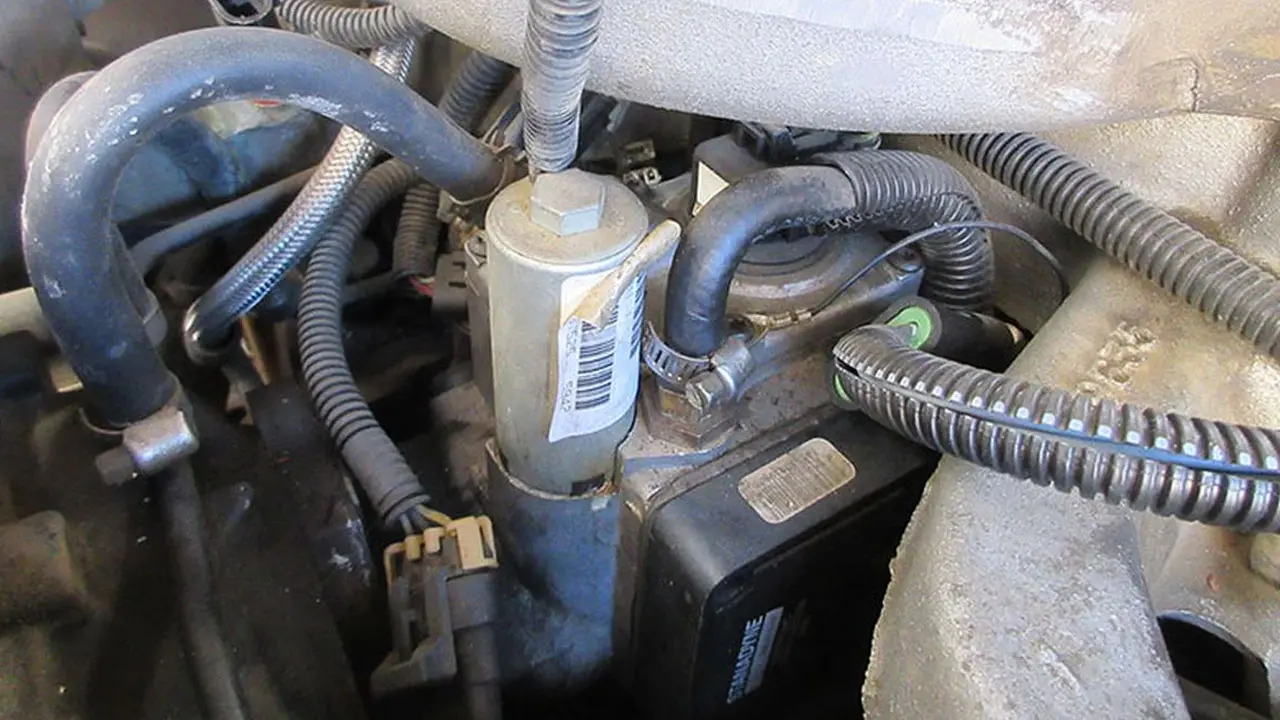
What Is a Fuel Shut-Off Valve? Symptoms, Causes and Solutions
The Fuel Shut-Off Valve is a component used to control or completely stop fuel flow within a vehicle's fuel system.
Depending on the vehicle and fuel-system design, it can be used to stop fuel delivery when the engine is switched off, during certain safety conditions, or when the engine control system needs to interrupt fuel supply.
Fuel shut-off valves are used in different types of fuel systems, including diesel and gasoline applications. Their design and exact function can vary significantly between manufacturers.
A malfunctioning fuel shut-off valve can cause engine starting problems, engine stalling, loss of power, fuel-delivery problems, Check Engine Light warnings and diagnostic trouble codes.
In some vehicles, the valve is electrically controlled by the engine control module, while other systems may use mechanical, vacuum or electronically controlled mechanisms.
What Is a Fuel Shut-Off Valve?
A Fuel Shut-Off Valve is a device designed to control the flow of fuel.
Its simplest function is to allow fuel to flow when the engine requires it and stop fuel flow when fuel delivery needs to be interrupted.
Depending on the application, the valve may be used to:
-
Stop fuel flow when the engine is switched off
-
Control fuel delivery during certain operating conditions
-
Provide emergency fuel shut-off
-
Prevent uncontrolled fuel delivery
-
Support engine protection strategies
-
Control fuel supply to a fuel pump or injection system
The exact function depends on the fuel-system architecture.
How Does a Fuel Shut-Off Valve Work?
The operating principle depends on the type of valve.
An electrically operated fuel shut-off valve generally works as follows:
1. The vehicle control system determines whether fuel should be supplied.
The ECM or another control module evaluates engine operating conditions.
2. An electrical command is sent to the valve.
The valve receives the required voltage or control signal.
3. The valve changes position.
The internal mechanism opens or closes the fuel passage.
4. Fuel flow is controlled.
When the valve is open, fuel can continue toward the appropriate fuel-system component.
When the valve is closed, fuel flow is interrupted.
Some systems use a normally open design, while others use a normally closed configuration.
Where Is the Fuel Shut-Off Valve Located?
The location varies depending on the vehicle.
It may be installed:
-
Near the fuel tank
-
On the fuel supply line
-
Near the fuel filter
-
Near the high-pressure fuel pump
-
On the injection pump
-
Near the engine
-
Inside or near a fuel-pump assembly
In some diesel engines, a fuel shut-off function can be integrated into the injection pump or fuel metering system rather than being a separate external valve.
Why Is a Fuel Shut-Off Valve Important?
Fuel must be supplied to the engine in a controlled manner.
The shut-off valve provides the ability to interrupt fuel delivery when required.
This can be important for:
-
Engine shutdown
-
Safety systems
-
Fuel-system control
-
Emergency shutdown
-
Engine protection
-
Preventing unwanted fuel flow
A valve that fails in the open or closed position can therefore create different types of problems.
Symptoms of a Faulty Fuel Shut-Off Valve
The symptoms depend heavily on how the valve fails.
Common symptoms include:
-
Engine does not start
-
Long cranking time
-
Engine starts and stalls
-
Sudden engine stalling
-
Loss of engine power
-
Intermittent engine operation
-
Poor acceleration
-
Fuel delivery interruption
-
Check Engine Light
-
Diagnostic trouble codes
-
Difficulty shutting down the engine in some systems
A valve that remains closed can prevent the engine from receiving fuel.
A valve that remains open can create problems with fuel control or engine shutdown, depending on the system.
Engine Does Not Start
One of the most serious symptoms is a complete no-start condition.
If the fuel shut-off valve remains closed when the engine requires fuel, fuel may not reach the injection system.
The engine may crank normally but fail to start.
This can be particularly noticeable after:
-
A cold start
-
A repair
-
Electrical system problems
-
Battery voltage problems
-
Intermittent wiring faults
However, a no-start condition can also be caused by the fuel pump, injectors, immobilizer, crankshaft sensor, fuel filter or other components.
Long Cranking Time
A partially restricted or intermittently operating valve can cause delayed fuel delivery.
The engine may require extended cranking before enough fuel reaches the injection system.
Possible symptoms include:
-
Long cranking after the vehicle has been parked
-
Difficult starting when hot
-
Difficult starting when cold
-
Repeated starting attempts
The fuel supply pressure should be checked before replacing the valve.
Engine Starts and Then Stalls
If the valve initially opens but closes unexpectedly, the engine may start and then stall.
The driver may experience:
-
Engine starts normally
-
Engine runs for several seconds
-
Engine suddenly stops
An intermittent electrical connection can produce this type of symptom.
Sudden Engine Stalling
A fuel shut-off valve that closes unexpectedly can interrupt fuel delivery while the engine is running.
This can cause sudden engine shutdown.
Possible causes include:
-
Intermittent electrical power
-
Faulty valve
-
Damaged wiring
-
Poor connector contact
-
Control module command
-
Low system voltage
Sudden engine stalling can create a safety risk, so the vehicle should be inspected promptly.
Loss of Engine Power
If the valve does not fully open, fuel flow may be restricted.
The engine may then experience:
-
Reduced power
-
Poor acceleration
-
Hesitation
-
Weak response under load
The problem may become more noticeable during:
-
High-speed driving
-
Uphill driving
-
Heavy acceleration
-
Towing
-
High engine load
Poor Acceleration
A partially restricted fuel supply can prevent the engine from receiving sufficient fuel during acceleration.
The driver may notice hesitation or delayed response.
However, similar symptoms can be caused by:
-
Clogged fuel filter
-
Weak fuel pump
-
Fuel pressure regulator problems
-
Injector problems
-
Turbocharger faults
-
Air-intake restrictions
Difficulty Shutting Down the Engine
In certain mechanical diesel systems, a fuel shut-off mechanism is responsible for stopping the engine.
If the valve or actuator remains open when shutdown is commanded, the engine may continue running longer than expected or may fail to shut down normally.
This is highly dependent on the engine design.
Modern electronically controlled engines usually have more complex shutdown strategies.
Check Engine Light
A modern vehicle can monitor the electrical operation of a fuel shut-off valve.
The ECM may detect:
-
Open circuit
-
Short circuit
-
Incorrect voltage
-
Incorrect current
-
Valve command failure
-
Unexpected fuel-pressure response
A diagnostic trouble code may then be stored and the Check Engine Light may illuminate.
Common Causes of Fuel Shut-Off Valve Failure
Several problems can cause a fuel shut-off valve to malfunction.
Electrical failure
The internal solenoid or actuator may fail.
Damaged wiring
Heat, vibration or physical contact can damage the wiring harness.
Connector corrosion
Moisture or contamination can interfere with the electrical connection.
Low battery voltage
Insufficient voltage can prevent an electrically operated valve from functioning correctly.
Contaminated fuel
Dirt, rust or other particles can interfere with the valve mechanism.
Mechanical sticking
The valve may become stuck because of contamination or internal wear.
Fuel contamination
Water or poor-quality fuel can contribute to fuel-system component problems.
Blocked fuel passage
Deposits or contamination can restrict fuel flow.
Control system fault
The valve may be functioning correctly while the ECM, relay, fuse or another control component is preventing proper operation.
Electrical Problems
Electrically controlled fuel shut-off valves require a reliable circuit.
Possible electrical faults include:
-
Open circuit
-
Short circuit to ground
-
Short circuit to voltage
-
High resistance
-
Poor ground
-
Damaged wiring
-
Loose terminal
-
Corroded connector
-
Blown fuse
-
Faulty relay
A valve should not be replaced before the electrical circuit has been tested.
Low Battery Voltage
A weak battery or charging-system problem can affect electronically controlled fuel valves.
If the valve requires a specific voltage to operate, low voltage may cause:
-
Intermittent operation
-
Failure to open
-
Failure to close
-
Starting problems
-
Diagnostic trouble codes
Battery and charging-system voltage should therefore be checked during diagnosis.
Contaminated Fuel
Fuel contamination can affect precision fuel-system components.
Possible contaminants include:
-
Dirt
-
Rust
-
Water
-
Sediment
-
Metal particles
These contaminants can cause a valve to stick or restrict fuel flow.
If contamination is discovered, the fuel system should be inspected rather than simply replacing the valve.
Fuel Filter Problems
A restricted fuel filter can create symptoms that look similar to a faulty fuel shut-off valve.
A blocked filter can reduce fuel flow and cause:
-
Hard starting
-
Loss of power
-
Engine stalling
-
Poor acceleration
-
Low fuel pressure
The filter should therefore be checked as part of the diagnosis.
How Is a Fuel Shut-Off Valve Diagnosed?
A proper diagnosis should begin with a diagnostic scan and visual inspection.
The technician may check:
-
Diagnostic trouble codes
-
Valve command
-
Supply voltage
-
Ground
-
Electrical resistance
-
Wiring continuity
-
Fuel pressure
-
Fuel flow
-
Fuel filter condition
-
Valve operation
The manufacturer's specifications should be used for all electrical and fuel-pressure tests.
Testing the Valve Electrically
An electrically controlled valve can be tested by checking its circuit.
Possible checks include:
-
Supply voltage
-
Ground
-
Control signal
-
Coil resistance
-
Wiring continuity
-
Connector condition
The expected resistance varies between different valve designs.
A universal resistance value should not be applied.
Testing Valve Operation
If the vehicle's diagnostic system supports an actuator test, the valve may be commanded open and closed.
The technician can then observe whether the valve responds correctly.
Depending on the system, fuel pressure or fuel flow can be monitored during the test.
If the valve receives the correct electrical command but does not move, the valve itself may be defective.
Checking Fuel Pressure
Fuel pressure should be evaluated when a fuel shut-off problem is suspected.
The technician may compare:
-
Specified fuel pressure
-
Actual fuel pressure
-
Pressure during cranking
-
Pressure at idle
-
Pressure under load
Low fuel pressure can be caused by many components, so the entire fuel supply system should be considered.
Can a Fuel Shut-Off Valve Be Cleaned?
In some cases, external contamination or a minor restriction may be removable.
However, cleaning is not a reliable solution for an internally damaged valve.
A valve with:
-
Burned electrical components
-
Internal mechanical damage
-
Severe wear
-
Damaged seals
-
Persistent sticking
may require replacement.
The manufacturer's service procedure should be followed.
Should the Fuel Shut-Off Valve Be Replaced Immediately?
No.
A diagnostic trouble code related to a fuel shut-off valve does not automatically prove that the valve has failed.
Before replacing it, the following should be checked:
-
Fuse
-
Relay
-
Battery voltage
-
Wiring
-
Ground
-
Connector
-
Fuel pressure
-
Fuel filter
-
Fuel quality
-
ECM command
This can prevent unnecessary parts replacement.
Can a Faulty Fuel Shut-Off Valve Damage the Engine?
A faulty valve usually does not directly damage the engine.
However, repeated fuel starvation, incorrect fuel delivery or severe operating problems can create secondary issues.
If the engine repeatedly stalls or operates with inadequate fuel supply, the problem should be corrected promptly.
The risk is also higher if the fuel system is contaminated or if the underlying problem involves the high-pressure fuel system.
Can You Drive With a Faulty Fuel Shut-Off Valve?
Driving with a suspected fuel shut-off valve problem is generally not recommended if the engine is stalling or losing power.
An unexpected engine shutdown can result in:
-
Loss of acceleration
-
Reduced power assistance
-
Dangerous situations in traffic
If the valve fault only produces a stored code without affecting engine operation, the vehicle may continue to operate temporarily, but the system should still be diagnosed.
Fuel Shut-Off Valve vs Fuel Pump
These components are different.
The fuel pump generates or supplies fuel pressure and flow.
The fuel shut-off valve controls whether fuel can pass through a particular section of the fuel system.
A fuel pump can be working correctly while a closed shut-off valve prevents fuel from reaching the engine.
Likewise, a functioning valve cannot compensate for a failed fuel pump.
Fuel Shut-Off Valve vs Fuel Pressure Regulator
A fuel shut-off valve primarily controls whether fuel flow is allowed.
A fuel pressure regulator controls fuel pressure according to the design of the fuel system.
They can work together but perform different functions.
Fuel Shut-Off Valve vs Fuel Volume Regulator
A Fuel Volume Regulator typically controls the amount of fuel entering a high-pressure pump.
A Fuel Shut-Off Valve is primarily used to interrupt or permit fuel flow.
These components can look similar in some applications, but their functions are different.
The correct component must be identified using the vehicle's technical documentation.
How to Prevent Fuel Shut-Off Valve Problems
Several maintenance practices can help reduce fuel-system problems.
-
Use good-quality fuel.
-
Replace the fuel filter at the recommended interval.
-
Prevent water contamination.
-
Repair fuel leaks promptly.
-
Keep electrical connectors clean and secure.
-
Inspect wiring near hot or moving components.
-
Maintain the battery and charging system.
-
Do not ignore fuel-pressure problems.
-
Diagnose Check Engine Light warnings promptly.
Clean fuel and proper filtration are particularly important for modern diesel fuel systems.
Frequently Asked Questions
What does a fuel shut-off valve do?
It controls or interrupts fuel flow within the fuel system.
Can a faulty fuel shut-off valve prevent the engine from starting?
Yes. If the valve remains closed when fuel delivery is required, the engine may crank but fail to start.
Can it cause engine stalling?
Yes. An intermittently closing valve can interrupt fuel delivery and cause the engine to stall.
Can a faulty valve cause loss of power?
Yes. If the valve restricts fuel flow, the engine may not receive enough fuel under load.
Can a fuel shut-off valve cause a Check Engine Light?
Yes. Electrically controlled valves can be monitored by the engine control module.
Can a bad fuel filter cause symptoms similar to a faulty valve?
Yes. A restricted fuel filter can reduce fuel flow and create hard-starting, stalling and power-loss symptoms.
Can contaminated fuel damage the valve?
Yes. Dirt, rust, water and other contaminants can cause the valve to stick or restrict fuel flow.
Does every vehicle have a separate fuel shut-off valve?
No. Some vehicles integrate the fuel shut-off function into another fuel-system component or use electronic fuel-control strategies instead of a separate valve.
Can the valve be repaired?
External wiring and connector problems can often be repaired. An internally damaged valve generally requires replacement.
Final Thoughts
The Fuel Shut-Off Valve is designed to control or interrupt fuel flow when required by the vehicle's fuel system.
Depending on the application, it can play an important role in engine shutdown, fuel delivery control, safety and engine protection.
A faulty valve can cause no-start conditions, long cranking, engine stalling, reduced power, poor acceleration, intermittent operation and Check Engine Light warnings.
However, these symptoms do not automatically mean that the valve itself has failed.
Electrical wiring, connectors, fuses, relays, battery voltage, fuel filters, fuel pressure, fuel contamination and the engine control system should also be checked.
The most reliable diagnosis combines fault-code analysis, electrical testing, fuel-pressure testing and direct valve-operation testing.
Identifying the actual cause before replacing the component is essential for an effective repair and can prevent unnecessary fuel-system repairs.