TR
TR EN
EN

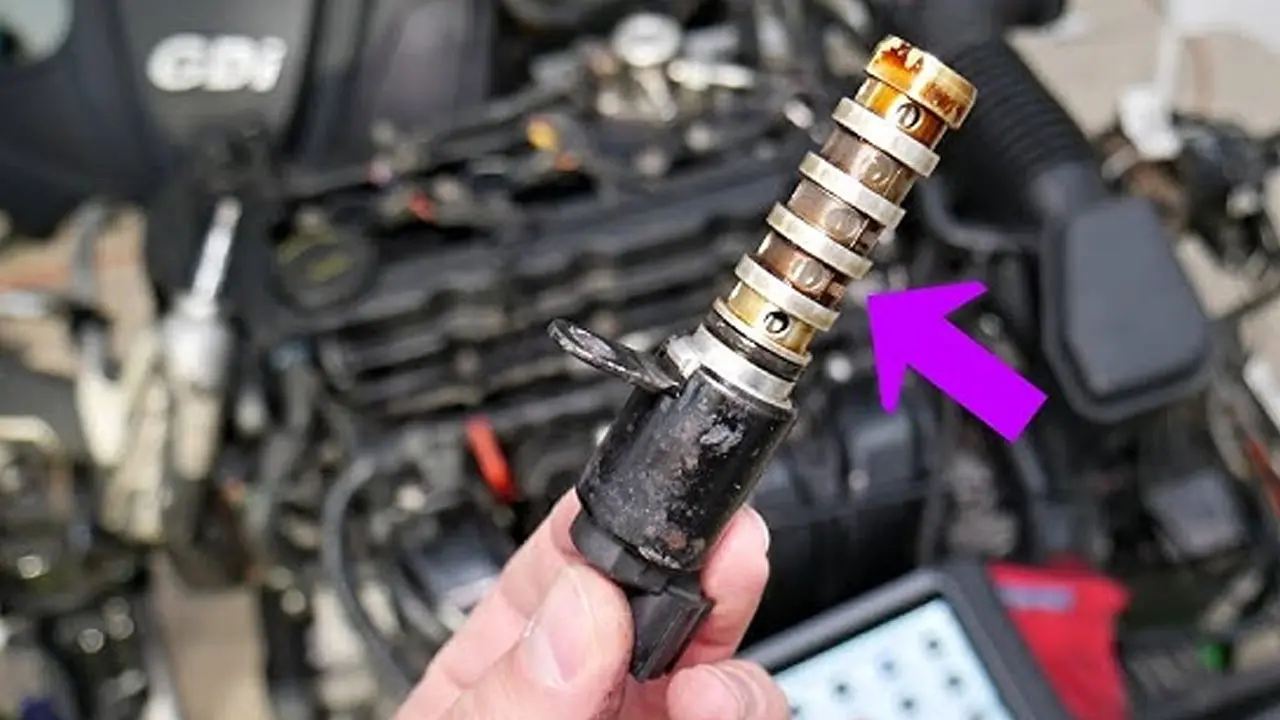
What Is an Intake Valve Control Solenoid? Symptoms, Causes and Solutions
The Intake Valve Control Solenoid is an electronically controlled component used in certain engine air-intake and valve-control systems.
Its main purpose is to control the operation of an intake valve, intake flap, or actuator by responding to commands from the engine control module (ECM/PCM).
Depending on the engine design, the solenoid may control vacuum or another form of actuator pressure, allowing the engine computer to change the position of an intake valve.
The system can be used to control airflow, intake pressure, engine performance, emissions and combustion efficiency.
A faulty intake valve control solenoid can cause poor acceleration, rough idle, reduced engine power, increased fuel consumption, Check Engine Light warnings and diagnostic trouble codes.
Because manufacturers use different intake-control systems, the exact function of an intake valve control solenoid varies from one engine to another.
What Is an Intake Valve Control Solenoid?
An Intake Valve Control Solenoid is an electrically controlled device that regulates the operation of an intake valve or its actuator.
The engine control module sends a command to the solenoid.
Depending on the system, the solenoid may then:
-
Control vacuum
-
Control pneumatic pressure
-
Operate an actuator
-
Change intake valve position
-
Control an intake flap
-
Regulate airflow through the intake system
The purpose is to make the intake system respond to engine operating conditions.
What Is an Intake Valve?
The term intake valve can refer to different components depending on the engine design.
In a conventional internal combustion engine, the intake valves are mechanical valves located in the cylinder head. They open and close to allow air or an air-fuel mixture to enter the combustion chamber.
However, some systems also use intake control valves or flaps within the intake manifold.
These components can be used to:
-
Control airflow
-
Improve low-speed torque
-
Improve combustion
-
Manage emissions
-
Support EGR operation
-
Improve cold-start performance
-
Control air turbulence inside the cylinder
The solenoid may control one of these systems rather than directly operating the engine's mechanical intake valve.
How Does an Intake Valve Control Solenoid Work?
The operating principle depends on the engine.
In a vacuum-controlled system, the process generally works as follows:
1. The ECM monitors engine operating conditions.
The control module evaluates parameters such as engine speed, load, temperature and airflow.
2. The ECM sends an electrical command.
The solenoid receives an electrical signal.
3. The solenoid controls vacuum or pressure.
It directs or regulates vacuum toward the actuator.
4. The actuator moves the intake valve or flap.
The actuator changes the position of the mechanical component.
5. Intake airflow changes.
The altered valve position changes the way air moves through the intake system.
Some engines use electronically controlled actuators instead of vacuum systems, so the exact operation varies.
Why Is Intake Valve Control Important?
The amount and movement of air entering an engine directly affect combustion.
Controlling intake airflow can help the engine achieve the required operating conditions.
Depending on the system, intake valve control can help with:
-
Airflow management
-
Torque production
-
Fuel economy
-
Emissions reduction
-
EGR operation
-
Combustion stability
-
Cold-start performance
-
Engine response
A fault can therefore affect both engine performance and emissions.
Where Is the Intake Valve Control Solenoid Located?
The location depends on the vehicle and engine.
The solenoid may be found:
-
On the intake manifold
-
Near the intake manifold
-
On the engine
-
Near a vacuum distribution system
-
Near the intake valve actuator
-
In the engine compartment
If the system uses vacuum hoses, the solenoid may not be physically attached to the intake valve.
The exact location should be confirmed using the vehicle's service documentation.
Symptoms of a Faulty Intake Valve Control Solenoid
A defective intake valve control solenoid can produce several symptoms.
Common signs include:
-
Check Engine Light
-
Reduced engine power
-
Poor acceleration
-
Hesitation
-
Rough idle
-
Unstable engine operation
-
Poor throttle response
-
Increased fuel consumption
-
Increased emissions
-
Difficult starting in some applications
-
Limp mode
-
Intake airflow-related fault codes
The severity depends on the role of the valve and whether it is stuck open, stuck closed or moving incorrectly.
Check Engine Light
One of the most common signs is the Check Engine Light.
The ECM may monitor:
-
Solenoid electrical current
-
Voltage
-
Valve position
-
Actuator movement
-
Airflow
-
Intake pressure
-
Engine response
If the expected response does not occur, a diagnostic trouble code may be stored.
A Check Engine Light does not automatically mean that the solenoid itself is defective.
Reduced Engine Power
If an intake valve or flap remains in the wrong position, airflow into the engine may be restricted or altered.
The driver may notice:
-
Weak acceleration
-
Reduced engine power
-
Poor performance at certain RPMs
-
Slow throttle response
-
Difficulty climbing hills
A severely restricted intake system can have a much greater effect on engine performance.
Poor Acceleration and Hesitation
An intake valve control problem can disturb the intended airflow pattern.
This can produce:
-
Hesitation when accelerating
-
Delayed throttle response
-
Uneven acceleration
-
Lack of torque
-
Poor response at low or high engine speeds
The symptom may appear only under certain operating conditions.
Rough Idle
If the intake valve is not positioned correctly at idle, the engine may receive an incorrect amount or distribution of air.
The driver may notice:
-
Engine vibration
-
Unstable idle speed
-
Uneven combustion
-
Occasional stalling
However, vacuum leaks, dirty throttle bodies, EGR problems, ignition faults and fuel-system issues can produce similar symptoms.
Difficult Starting
In certain engine designs, incorrect intake airflow can make starting more difficult.
Possible symptoms include:
-
Longer cranking time
-
Engine starting and immediately stalling
-
Poor cold starting
-
Unstable initial idle
A hard-start condition should not automatically be attributed to the intake valve solenoid.
The fuel, ignition, air and compression systems must also be considered.
Increased Fuel Consumption
Incorrect intake airflow can affect the fuel-air mixture and engine operating efficiency.
If the engine control system compensates for an airflow problem, fuel consumption may increase.
However, poor fuel economy can have many other causes.
The intake valve system should therefore be tested rather than assumed to be the source of the problem.
Increased Exhaust Emissions
The intake system has a direct relationship with combustion and emissions.
A malfunctioning intake valve can affect:
-
Air-fuel mixture
-
EGR flow
-
Combustion efficiency
-
Exhaust emissions
In diesel engines, intake airflow control can be particularly important when EGR and other emission-control systems are operating.
Limp Mode
Some vehicles can enter a reduced-performance or limp mode when the ECM detects a serious intake valve control problem.
This can happen when the control module detects that:
-
The valve cannot reach the commanded position
-
The actuator does not respond
-
Airflow is outside the expected range
-
The system has an electrical fault
The exact strategy varies between manufacturers.
Common Causes of Intake Valve Control Solenoid Failure
Several problems can cause an intake valve control solenoid to malfunction.
Electrical failure
The internal solenoid coil may fail.
Damaged wiring
Heat, vibration and mechanical contact can damage the wiring harness.
Connector corrosion
Moisture or contamination can cause poor electrical contact.
Vacuum leak
A damaged vacuum hose can prevent the actuator from receiving the required vacuum.
Blocked vacuum line
A restriction can prevent proper actuator operation.
Faulty vacuum source
A vacuum pump or vacuum supply problem can prevent the valve from moving.
Sticking intake valve
Carbon deposits can restrict mechanical movement.
Faulty actuator
The actuator itself may be defective even when the solenoid is functioning correctly.
Carbon buildup
Soot and oil deposits can accumulate around intake components and interfere with movement.
Vacuum Hose Problems
On vacuum-operated systems, the vacuum hoses are critical.
A cracked, disconnected, melted or blocked hose can create symptoms that appear to indicate solenoid failure.
Possible results include:
-
Valve stuck in one position
-
Reduced engine performance
-
Intake control fault
-
Poor EGR operation
-
Check Engine Light
The vacuum system should always be inspected before replacing the solenoid.
Carbon Deposits and Intake Valve Problems
Carbon buildup can be especially important on diesel engines and engines equipped with EGR systems.
Oil vapour and exhaust gases can contribute to deposits inside the intake system.
Over time, deposits may cause:
-
Intake flap sticking
-
Restricted airflow
-
Slow actuator movement
-
Incorrect valve position
-
Reduced engine performance
In this situation, replacing the control solenoid alone may not solve the problem.
The mechanical valve or intake manifold may also require inspection and cleaning.
Electrical Problems
The solenoid depends on a functioning electrical circuit.
Possible problems include:
-
Open circuit
-
Short circuit to ground
-
Short circuit to voltage
-
High resistance
-
Low resistance
-
Poor ground
-
Damaged wiring
-
Corroded connector
-
Loose electrical terminal
-
Blown fuse
A circuit fault should be diagnosed electrically before the solenoid is replaced.
How Is an Intake Valve Control Solenoid Diagnosed?
A proper diagnosis should begin with a diagnostic scan.
The technician may check:
-
Diagnostic trouble codes
-
Freeze-frame data
-
Live data
-
Solenoid command
-
Valve position
-
Actuator response
-
Intake pressure
-
Airflow
-
Vacuum pressure
-
Electrical signals
The system should then be tested according to the manufacturer's specifications.
Testing the Solenoid Electrically
The electrical circuit can be tested using appropriate diagnostic equipment.
Possible checks include:
-
Supply voltage
-
Ground
-
Control signal
-
Coil resistance
-
Wiring continuity
-
Short circuits
-
Connector condition
The correct resistance value depends on the specific solenoid.
A generic resistance specification should not be used for every vehicle.
Testing a Vacuum-Controlled Solenoid
If the intake valve is vacuum-operated, the technician can test the system with a suitable vacuum pump and gauge.
The test can determine whether:
-
The vacuum source is working
-
The solenoid switches correctly
-
Vacuum reaches the actuator
-
The actuator holds vacuum
-
The valve moves correctly
If the solenoid supplies the correct vacuum but the actuator does not move, the actuator or mechanical valve may be defective.
Testing the Intake Valve Mechanically
The mechanical valve or flap should be checked for free movement where the manufacturer's procedure permits.
The technician may look for:
-
Carbon deposits
-
Oil contamination
-
Mechanical binding
-
Corrosion
-
Damaged linkage
-
Broken actuator components
A perfectly functioning solenoid cannot move a mechanically seized valve.
Can an Intake Valve Control Solenoid Be Cleaned?
The solenoid itself generally should not be treated as a component that can simply be cleaned to restore internal electrical function.
If the problem is caused by carbon buildup on the mechanical intake valve or flap, cleaning may be possible depending on the manufacturer's procedure.
However, cleaning will not repair:
-
Burned solenoid coils
-
Broken electrical components
-
Damaged wiring
-
Failed actuators
-
Internal mechanical damage
The actual cause should be identified first.
Should the Solenoid Be Replaced Immediately?
No.
A diagnostic trouble code related to the intake valve control solenoid does not automatically prove that the solenoid is defective.
Before replacing it, technicians should check:
-
Electrical wiring
-
Connector
-
Power supply
-
Ground
-
Vacuum hoses
-
Vacuum source
-
Actuator
-
Mechanical valve movement
-
Carbon buildup
-
Intake pressure
-
Related sensors
This approach helps prevent unnecessary parts replacement.
Can You Drive With a Faulty Intake Valve Control Solenoid?
The vehicle may continue to operate, particularly if the valve is only used under specific operating conditions.
However, continued driving can cause:
-
Reduced performance
-
Increased fuel consumption
-
Increased emissions
-
Poor engine response
-
Limp mode
If the engine has severe power loss, rough operation or repeated stalling, the vehicle should be inspected promptly.
Can a Faulty Intake Valve Solenoid Damage the Engine?
The solenoid itself does not normally cause immediate engine damage.
However, if the intake valve becomes severely restricted or creates abnormal airflow conditions, the engine may not operate correctly.
In some applications, an intake control fault can also affect EGR operation, combustion and emission-control components.
The risk depends on the specific engine and the nature of the failure.
Intake Valve Control Solenoid vs Throttle Body
These components can be confused because both influence airflow.
The throttle body primarily controls the amount of air entering the engine in gasoline engines and has additional functions in many modern diesel systems.
The intake valve control system changes the position of a specific intake valve or flap according to the engine's operating strategy.
Some diesel engines use an intake throttle or flap specifically to help control EGR flow.
Therefore, the exact component must be identified before diagnosis.
Intake Valve Control Solenoid vs EGR Valve
The EGR valve controls the flow of exhaust gases back into the intake system.
The intake valve control solenoid controls an intake valve or actuator.
Although they are different components, they can work together.
A problem with the intake valve can therefore affect EGR performance, while an EGR problem can create symptoms that appear similar to an intake control fault.
How to Prevent Intake Valve Control Problems
Several maintenance practices can help reduce problems.
-
Inspect vacuum hoses regularly where applicable.
-
Repair damaged wiring promptly.
-
Keep electrical connectors clean and secure.
-
Maintain the engine according to the manufacturer's schedule.
-
Address EGR problems promptly.
-
Prevent excessive carbon buildup where possible.
-
Keep the intake system in good condition.
-
Do not ignore Check Engine Light warnings.
-
Diagnose airflow problems before replacing parts.
Proper maintenance of the EGR and intake systems is particularly important on diesel engines because soot and oil deposits can accumulate over time.
Frequently Asked Questions
What does an intake valve control solenoid do?
It controls an intake valve, intake flap or its actuator according to commands from the engine control module.
Can a faulty intake valve solenoid cause loss of power?
Yes. If the valve restricts or incorrectly controls airflow, engine performance can be reduced.
Can a vacuum leak cause an intake valve control fault?
Yes. On vacuum-operated systems, a damaged or disconnected hose can prevent the actuator from moving correctly.
Can carbon buildup cause intake valve problems?
Yes. Carbon and oil deposits can cause intake flaps or valves to stick.
Can a faulty intake valve solenoid cause a Check Engine Light?
Yes. The ECM can detect electrical faults or incorrect valve operation and store a diagnostic trouble code.
Can an intake valve problem affect the EGR system?
Yes. Some engines use intake airflow control as part of the EGR strategy, so the systems can influence each other.
Can the solenoid be cleaned instead of replaced?
If the problem is external contamination or a mechanical valve restriction, cleaning may help. An internally failed solenoid normally requires replacement.
Does every intake valve control solenoid use vacuum?
No. Some systems use vacuum control, while others use electrically operated actuators.
Final Thoughts
The Intake Valve Control Solenoid is an important component in certain engine air-management systems.
Its primary function is to control an intake valve, intake flap or actuator so that the engine can manage airflow according to operating conditions.
A faulty system can cause Check Engine Light warnings, poor acceleration, hesitation, rough idle, reduced power, increased fuel consumption, increased emissions and limp mode.
However, these symptoms do not automatically mean that the solenoid itself has failed.
Vacuum leaks, damaged wiring, connector problems, carbon buildup, a defective actuator or a mechanically stuck intake valve can produce similar symptoms.
The most reliable diagnosis combines fault-code analysis, live-data evaluation, electrical testing, vacuum testing where applicable and mechanical inspection.
Identifying the actual cause before replacing parts is essential for an effective and lasting repair.