TR
TR EN
EN

What Is an LPG Spark Plug?
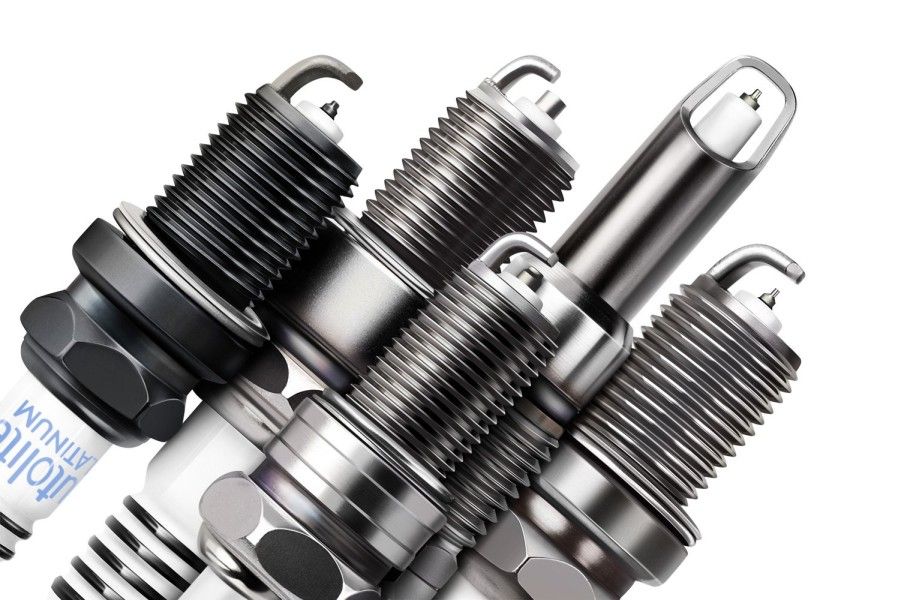
An LPG spark plug is a spark plug used in gasoline engines converted to or designed to operate with LPG (Liquefied Petroleum Gas). Its basic function is the same as that of a conventional spark plug: it receives high voltage from the ignition system and creates a spark between its electrodes to ignite the air-fuel mixture inside the cylinder.
However, LPG has different combustion characteristics from gasoline, so spark plug selection can be particularly important in LPG-powered vehicles. Using an unsuitable spark plug can contribute to misfires, rough idling, difficult starting, poor acceleration, and increased fuel consumption.
Is an LPG Spark Plug Different from a Normal Spark Plug?
The basic operating principle is the same, but some spark plugs are specifically designed or recommended for LPG applications.
LPG combustion can create different operating conditions for the ignition system, particularly under high engine load and high cylinder pressure. For this reason, some LPG-compatible spark plugs have specific electrode designs, materials, or gap specifications.
However, it is important to understand that not every LPG vehicle requires a special “LPG spark plug.”
Some manufacturers recommend using the same original spark plug specification for both gasoline and LPG operation, while others may recommend a different plug or electrode gap for LPG use.
The correct choice should therefore be based on the engine manufacturer's specification rather than simply choosing a product labeled “LPG.”
Why Are LPG Spark Plugs Used?
The combustion characteristics of LPG can place different demands on the ignition system.
A properly specified spark plug can help provide:
-
Stable ignition
-
Smooth engine operation
-
Reduced risk of misfires
-
Better idle quality
-
Consistent combustion under load
-
Reliable operation at higher engine speeds
However, these benefits depend on the spark plug being correctly matched to the engine. A more expensive spark plug or one marketed specifically for LPG does not automatically improve performance.
Why Is Spark Plug Gap Important in LPG Engines?
One of the most important specifications of a spark plug is the electrode gap.
If the gap is too large, the ignition system may have more difficulty producing a reliable spark, particularly when cylinder pressure is high.
If the gap is too small, the characteristics of the spark can change and combustion quality may be affected.
For this reason, the spark plug gap should be set according to the manufacturer's specification.
Some LPG applications may use a different gap compared with the gasoline configuration, but this depends on the specific engine and ignition system.
There is no universal LPG spark plug gap that should be applied to every engine.
Which Spark Plug Should Be Used in an LPG Vehicle?
The correct spark plug is the one specified or approved for the vehicle's particular engine.
Spark plug selection should consider:
-
Spark plug type
-
Heat range
-
Thread diameter and length
-
Electrode design
-
Electrode material
-
Spark plug gap
-
Tightening torque
-
Engine manufacturer's specifications
Simply choosing a plug because it physically fits the cylinder head is not enough.
A spark plug can have the correct dimensions and still have an unsuitable heat range or electrode specification.
Are Iridium Spark Plugs Better for LPG?
Iridium spark plugs are known for their fine center electrodes, durability, and ability to provide stable ignition over a long service life.
They can be a good choice for some LPG applications, particularly when the engine manufacturer specifies or approves them.
However, it is not correct to say that every LPG vehicle automatically needs iridium spark plugs.
If the manufacturer specifies a conventional spark plug and the ignition system operates correctly with it, switching to an iridium plug is not necessarily required.
The most important factor is technical compatibility with the engine, not simply the price or material of the spark plug.
How Often Should LPG Spark Plugs Be Replaced?
Spark plug replacement intervals depend on the type of plug, engine design, and manufacturer's maintenance schedule.
Conventional spark plugs generally have shorter service intervals, while platinum and iridium plugs can often remain in service considerably longer.
Depending on the engine and spark plug specification, replacement intervals can range from approximately 20,000 km to well over 100,000 km.
LPG vehicles should also be monitored for changes in engine operation because an ignition problem may become more noticeable when the engine is running on LPG.
What Are the Symptoms of a Bad LPG Spark Plug?
A worn, damaged, or incorrectly specified spark plug can cause several symptoms.
Common signs include:
Engine misfire: The engine may hesitate or shake, particularly during acceleration.
Rough idle: The engine may vibrate or the RPM may fluctuate while idling.
Poor acceleration: The vehicle may feel weak when the accelerator is pressed.
High-RPM misfire: Problems may become more obvious at higher engine speeds or under heavy load.
Hard starting: The engine may take longer to start, particularly under certain operating conditions.
Increased fuel consumption: Poor combustion can reduce fuel efficiency.
Check-engine light: Repeated ignition misfires can cause the engine control unit to store misfire-related fault codes.
Does an LPG Misfire Always Mean the Spark Plug Is Bad?
No.
A misfire that occurs while the engine is running on LPG does not automatically mean the spark plugs are defective.
Other possible causes include:
-
Ignition coils
-
Spark plug wires on systems that use them
-
LPG injectors
-
LPG pressure
-
LPG regulator
-
LPG filters
-
LPG calibration
-
Vacuum or intake leaks
-
Fuel mixture problems
-
Engine sensors
-
Low engine compression
-
Mechanical engine problems
If the vehicle misfires only on LPG, the LPG fuel system and calibration should be investigated carefully.
If the engine misfires on both gasoline and LPG, the ignition system, engine management system, and mechanical condition of the engine should also be checked.
What Should Be Checked When Replacing LPG Spark Plugs?
Installing the correct spark plug is only part of the job. Proper installation is also important.
The plug should have the correct specification and the correct gap. It should also be tightened to the manufacturer's specified torque.
Over-tightening can:
-
Damage the cylinder-head threads
-
Damage the spark plug
-
Make future removal difficult
Under-tightening can affect sealing and heat transfer.
For this reason, the manufacturer's tightening torque should be followed during installation.
What Does Spark Plug Color Tell You?
The appearance of a spark plug can provide useful information about combustion conditions, but spark plug color alone should not be used to make a definite diagnosis.
Modern fuel injection systems, LPG calibration, engine oil consumption, operating temperature, and driving conditions can all affect spark plug appearance.
A proper diagnosis may require combining spark plug inspection with:
-
Diagnostic trouble codes
-
Live engine data
-
Ignition-system testing
-
Fuel pressure checks
-
LPG pressure checks
-
Injector testing
-
Compression testing when necessary
Can an LPG Spark Plug Increase Engine Performance?
Installing the correct spark plug does not normally increase an engine's power by itself.
However, if worn or incorrect spark plugs are causing misfires or poor combustion, replacing them can restore the performance that the engine should already have.
This may make the vehicle feel noticeably more responsive, but it is generally a restoration of lost performance rather than an actual power increase.
What Should You Consider When Choosing an LPG Spark Plug?
The most important point is not whether the packaging says “LPG.” The spark plug must be technically compatible with the engine.
A good selection process is:
Engine code → manufacturer's spark plug specification → correct heat range → correct electrode design → correct gap → correct installation torque
Different engines can require completely different spark plugs even when they have the same displacement.
For example, two different 1.6-liter engines may use different spark plug types, heat ranges, dimensions, and electrode gaps.
Therefore, searching only for a product such as “1.6 LPG spark plug” is not enough to identify the correct part.
What Happens If the Wrong Spark Plug Is Used?
Using an unsuitable spark plug can affect engine operation and ignition reliability.
Possible symptoms include:
-
Misfires
-
Difficult starting
-
Rough idle
-
Hesitation during acceleration
-
Increased fuel consumption
-
Check-engine light
-
Increased stress on ignition coils
-
Poor combustion
The problem may be especially noticeable when the engine is operating on LPG and under high load.
This is why the correct technical specification is more important than simply choosing the cheapest or most expensive spark plug.
The Most Important Point About LPG Spark Plugs
An LPG spark plug is an important part of the ignition system in an LPG-powered gasoline engine, but the idea that every LPG vehicle must use a special LPG-specific spark plug is not correct.
Some engines can use the manufacturer's standard spark plug specification when operating on LPG, while others may require a different plug or a different electrode gap.
The safest way to choose the correct spark plug is to check the engine code and the manufacturer's approved spark plug specification.
If an LPG vehicle develops misfires, rough running, difficult starting, or poor acceleration, replacing the spark plugs without diagnosis may not solve the problem. The ignition coils, spark plug gap, LPG pressure, injectors, regulator, air-fuel mixture, and engine management system should also be considered.