TR
TR EN
EN

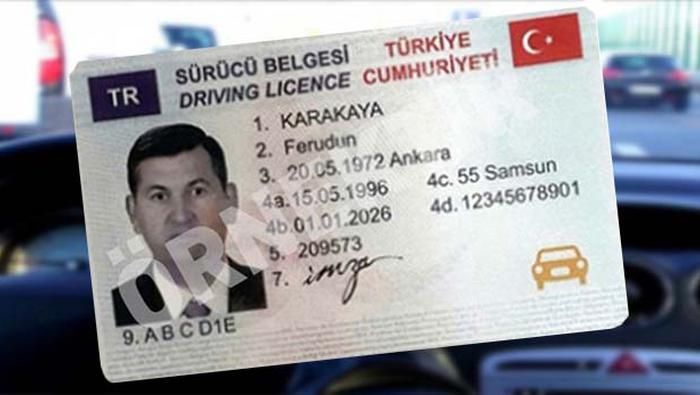
What Is a Driving License? What Are the Different Driving License Classes?
A driving license is an official authorization that allows a person to operate certain types of motor vehicles on public roads. Because cars, motorcycles, trucks, buses, and other vehicles differ significantly in size, power, weight, handling, and braking characteristics, most countries divide driving licenses into different categories or classes.
The exact names, age requirements, vehicle limits, and licensing rules vary from country to country. However, the basic concept is similar worldwide: the license category determines which types of vehicles a driver is legally qualified to operate.
Why Are Driving Licenses Divided Into Classes?
Driving a small passenger car requires a different skill set from operating a heavy truck, riding a high-powered motorcycle, or driving a large passenger bus.
Different license categories exist to ensure that drivers receive training appropriate for the type of vehicle they intend to operate.
License systems commonly distinguish between:
-
Motorcycles
-
Passenger cars
-
Light commercial vehicles
-
Trucks
-
Heavy goods vehicles
-
Buses
-
Trailers and semi-trailers
-
Agricultural tractors
-
Certain types of special-purpose or industrial vehicles
Some countries also use additional endorsements or restrictions instead of creating completely separate license classes.
Motorcycle Driving License Classes
Motorcycle licenses are commonly divided according to engine size, power, or power-to-weight ratio.
Although the exact categories vary internationally, three broad levels are common.
Light motorcycle category
This category is generally intended for smaller motorcycles and scooters. In some countries, restrictions may be based on engine displacement and maximum power.
These licenses are often available to younger riders than full motorcycle licenses.
Intermediate motorcycle category
An intermediate motorcycle license generally allows the use of more powerful motorcycles than the entry-level category.
Some licensing systems allow riders to progress to this category after gaining experience with a smaller motorcycle.
Full motorcycle category
The highest motorcycle category generally allows the rider to operate motorcycles without the power restrictions applied to beginner or intermediate licenses.
High-performance motorcycles typically require this level of licensing.
Car Driving License
The standard car license is the most widely held driving license in many countries.
It normally allows the driver to operate ordinary passenger cars and, depending on local regulations, certain light vans or other small commercial vehicles.
Typical restrictions may relate to:
-
Maximum vehicle weight
-
Number of passengers
-
Trailer weight
-
Vehicle type
-
Driver age
-
Whether the vehicle is being used commercially
A standard car license does not automatically authorize the driver to operate heavy trucks or buses.
Trailer and Caravan License Categories
Many countries have additional categories or endorsements for vehicles towing trailers.
A standard car license may allow the driver to tow a small trailer, while a larger trailer or caravan may require an additional trailer category.
This distinction is particularly important because towing changes the vehicle's:
-
Overall length
-
Total weight
-
Braking characteristics
-
Acceleration
-
Cornering behavior
-
Stopping distance
-
Stability in crosswinds
The exact trailer limits vary between countries, so the maximum permitted trailer weight should always be checked against the local licensing rules.
Light Commercial Vehicle Licenses
Some licensing systems allow a standard car license to cover light vans and small commercial vehicles up to a specified weight.
Other countries may impose separate requirements depending on the vehicle's maximum authorized mass or intended use.
A vehicle that looks similar to a passenger van may therefore fall into a different legal category depending on its weight and configuration.
Truck Driving License Classes
Heavy trucks generally require a dedicated commercial or heavy-vehicle license.
These licenses are designed for vehicles significantly heavier than ordinary passenger cars and light vans.
Training usually focuses on issues such as:
-
Vehicle dimensions
-
Blind spots
-
Braking distances
-
Load distribution
-
Turning radius
-
Air-brake systems
-
Safe maneuvering
-
Reversing
-
Heavy-vehicle handling
A truck license may also have different categories depending on the maximum authorized weight of the vehicle.
Tractor-Trailer and Semi-Trailer Licenses
Driving a tractor unit with a semi-trailer normally requires a higher license category than driving a rigid truck.
The reason is that an articulated vehicle behaves differently from a conventional truck.
The driver must understand:
-
Trailer swing
-
Articulation angles
-
Off-tracking during turns
-
Trailer stability
-
Coupling and uncoupling
-
Reversing techniques
-
Increased stopping distance
-
Load distribution
In many countries, an additional category or endorsement is required for articulated combinations.
Bus and Passenger Transport Licenses
Large buses normally require a dedicated passenger-vehicle license.
The requirements are generally stricter because buses can carry a large number of passengers and have different handling characteristics from passenger cars.
Bus driver training may include:
-
Passenger safety
-
Large-vehicle maneuvering
-
Emergency procedures
-
Braking techniques
-
Blind-spot awareness
-
Passenger loading and unloading
-
Vehicle dimensions and turning behavior
Professional passenger transport may also require additional qualifications beyond the basic driving license.
Minibus and Small Passenger Vehicle Categories
Some countries distinguish between ordinary cars, minibuses, and full-size buses.
The distinction may be based on passenger capacity, vehicle weight, dimensions, or construction.
This means that a driver with a standard car license cannot necessarily assume that every passenger vehicle below full bus size can be driven legally.
Agricultural Tractor Licenses
Agricultural tractors and certain agricultural vehicles may have their own license categories in some countries.
The requirements can depend on:
-
Tractor type
-
Maximum speed
-
Vehicle weight
-
Trailer use
-
Whether the tractor is being used on public roads
-
Driver age
Rules for agricultural vehicles vary considerably around the world.
Special Vehicle and Industrial Machinery Licenses
Certain countries require separate licensing or endorsements for specific types of machinery.
Examples can include:
-
Construction machinery
-
Forklifts
-
Mobile cranes
-
Agricultural machinery
-
Specialized industrial vehicles
A road-driving license does not automatically mean that a person is trained or authorized to operate every type of machinery.
In many cases, separate workplace training and certification are required.
Common International License Categories
Although terminology differs between countries, international driving license systems often follow a similar structure:
Motorcycle category: Motorcycles and scooters, sometimes divided into multiple power levels.
Passenger car category: Cars and light vehicles.
Trailer category: Cars or commercial vehicles towing larger trailers.
Light truck category: Medium or lighter commercial vehicles.
Heavy truck category: Large trucks and heavy goods vehicles.
Articulated vehicle category: Tractor units with semi-trailers or other heavy combinations.
Minibus category: Smaller passenger transport vehicles.
Bus category: Large passenger vehicles.
Special vehicle categories: Tractors, construction machinery, or other specialized vehicles.
The letters and names used for these categories are not universal. For example, a license category called “B” in one country may have different weight or trailer limits from a category with the same letter in another country.
Minimum Age Requirements
Minimum driving ages vary considerably between countries.
Young drivers are often allowed to obtain motorcycle or passenger-car licenses earlier than heavy commercial or bus licenses.
Higher categories frequently require:
-
A higher minimum age
-
Previous driving experience
-
A lower license category first
-
Additional theoretical training
-
Practical driving examinations
-
Medical examinations
-
Professional driver qualifications
For example, a driver may be allowed to obtain a passenger-car license at a relatively young age but have to wait several additional years before qualifying to operate a heavy truck or bus.
Does a Car License Allow You to Drive Any Car?
Not necessarily.
A standard passenger-car license normally covers vehicles within a defined weight and configuration range. Once the vehicle exceeds those limits, another license category may be required.
This becomes especially important with:
-
Large vans
-
Motorhomes
-
Heavy pickups
-
Large SUVs
-
Car-and-caravan combinations
-
Horse trailers
-
Large utility trailers
The physical appearance of a vehicle does not determine the required license. Its legal classification, maximum authorized mass, seating capacity, and configuration are usually more important.
What Is a Commercial Driver's License?
Some countries use a separate commercial driver's license system, while others use additional categories and professional qualifications.
Commercial driving generally refers to operating a vehicle as part of a job or business activity.
Depending on the country and vehicle type, professional drivers may need additional qualifications covering areas such as:
-
Hours of service
-
Driver fatigue
-
Cargo security
-
Passenger safety
-
Hazardous materials
-
Professional competence
-
Periodic training
-
Medical fitness
Therefore, having the correct vehicle license category does not always mean that a driver is automatically authorized to work professionally.
What Happens If You Drive a Vehicle Without the Correct License?
Driving a vehicle outside the limits of your license can result in legal and financial consequences.
Depending on the country, possible consequences may include:
-
Fines
-
Penalty points
-
License suspension
-
Insurance complications
-
Vehicle impoundment
-
Criminal liability in serious cases
The consequences can become particularly serious after an accident if the driver was operating a vehicle for which they were not properly licensed.
Do Driving License Categories Transfer Between Countries?
A driving license issued in one country is not automatically treated identically in every other country.
International visitors may be able to drive using their domestic license for a limited period, while some countries may also require an International Driving Permit.
For people who move permanently to another country, the rules can be different. Some countries allow license exchange, while others require additional tests.
The vehicle categories recognized on the foreign license may also be converted differently.
Driving License Categories Are Not Universal
One of the most important points to remember is that there is no single worldwide driving license classification system.
Europe, North America, Asia, Australia, and other regions use different terminology and regulations. Even neighboring countries can apply different weight limits, trailer rules, minimum ages, and medical requirements.
For this reason, a license category should always be interpreted according to the regulations of the country where the vehicle is being driven.
Choosing the Correct Driving License
The correct license depends primarily on the vehicle you intend to drive.
For a normal passenger car, a standard car license is usually sufficient. Motorcycles require an appropriate motorcycle category, while heavy trucks, articulated vehicles, buses, and large trailer combinations generally require higher categories.
Before driving an unfamiliar vehicle, especially a motorhome, commercial van, caravan combination, heavy pickup, truck, or bus, it is important to check the vehicle's official weight and classification as well as the license requirements that apply in the country where it will be used.
The most important rule is simple: the license category must match both the vehicle and the legal limits of the country in which you are driving.