TR
TR EN
EN

What Is a Water Pump? What Are the Symptoms of Water Pump Failure?
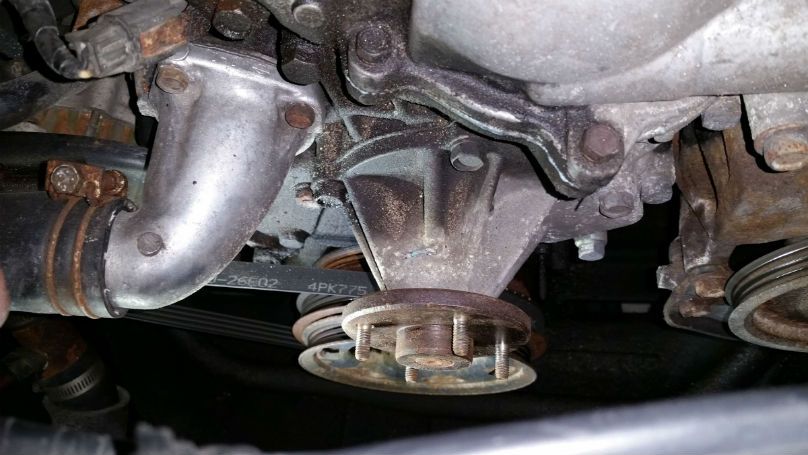
The water pump, also known as the coolant pump, is one of the most important components of a vehicle’s cooling system. Its primary job is to circulate coolant through the engine and radiator, helping control engine temperature and prevent overheating.
As the engine runs, combustion generates a significant amount of heat. The coolant absorbs this heat from the engine and carries it toward the radiator, where the heat is released. The cooled coolant is then circulated back through the engine.
If the water pump cannot maintain proper coolant circulation, engine temperature can rise rapidly and potentially cause serious damage.
What Does a Water Pump Do?
The water pump keeps coolant moving through the cooling system.
A typical cooling cycle works roughly like this:
Engine → coolant passages → thermostat → radiator → back to the engine
The water pump provides the circulation required for this process, while the thermostat controls when coolant is directed through the radiator.
Depending on the vehicle, the pump may be driven mechanically by the timing belt or accessory belt. Some modern engines use electrically controlled water pumps that can operate independently of engine speed.
How Does a Water Pump Work?
A conventional mechanical water pump contains an impeller that rotates when the engine is running. The impeller pushes coolant through the engine and cooling system.
Depending on the engine design, the pump may receive its drive from:
-
The timing belt
-
The serpentine/accessory belt
-
A dedicated belt
-
An electric motor
Electric water pumps are increasingly common in modern vehicles because they allow the engine control system to regulate coolant circulation according to operating conditions.
This can improve temperature management and, in some applications, efficiency.
Common Symptoms of a Failing Water Pump
A failing water pump does not always produce the same symptoms. A worn bearing, leaking seal, damaged impeller, or completely failed pump can create different problems.
The most common warning signs include:
Engine overheating
One of the most important symptoms is an engine that runs hotter than normal.
If the water pump cannot circulate enough coolant, heat cannot be transferred away from the engine effectively. The temperature gauge may rise, the cooling fan may operate more frequently, or the engine may overheat particularly during traffic, climbing, or heavy-load conditions.
However, overheating does not automatically mean that the water pump is faulty. A defective thermostat, radiator, cooling fan, temperature sensor, low coolant level, or trapped air can produce similar symptoms.
Coolant leakage
Water pumps contain seals that prevent coolant from escaping around the pump shaft. As these seals deteriorate, coolant may begin leaking from the pump.
You may notice:
-
Coolant drops underneath the vehicle
-
A gradual decrease in coolant level
-
Wetness around the water pump
-
Dried coolant residue around the pump
-
A sweet coolant smell near the engine
Not every pump leak produces an obvious puddle. A small leak may evaporate when it reaches hot engine components, leaving only dried residue.
Whining or grinding noises
A worn water pump bearing can produce a whining, humming, grinding, or rumbling noise.
If the noise changes with engine speed and appears to come from the belt or timing system area, the water pump should be inspected.
A severely worn bearing can eventually develop excessive play or seize completely.
Poor coolant circulation
A pump can sometimes continue rotating while failing to circulate coolant effectively.
For example, an impeller may become damaged, worn, or disconnected from the shaft. The engine may therefore run while coolant circulation remains inadequate.
This type of failure can be particularly difficult to diagnose because the pump may appear to be operating mechanically.
Overheating under load or at higher engine speeds
Some water pump problems are not immediately obvious during normal driving.
The engine may maintain a normal temperature during light driving but begin overheating when:
-
Driving uphill
-
Carrying heavy loads
-
Driving at high speed
-
Operating at higher RPM
-
Driving in hot weather
-
Sitting in heavy traffic
When the cooling system is under greater thermal load, a weakened pump may no longer provide sufficient coolant circulation.
Heater blows cold or inconsistent air
If the engine has reached normal operating temperature but the cabin heater produces cold or inconsistent air, there may be a problem with coolant circulation.
A failing water pump can contribute to this symptom, but other possibilities include:
-
Low coolant level
-
Air trapped in the cooling system
-
A faulty thermostat
-
A blocked heater core
-
A problem with the heater control system
Therefore, weak cabin heat alone does not prove that the water pump is defective.
Cooling fan runs more frequently
If the engine temperature rises because coolant is not circulating properly, the ECU may command the radiator fan to operate more frequently.
However, a cooling fan that runs excessively can also be caused by a faulty temperature sensor, fan control module, thermostat, air-conditioning operation, or another cooling-system problem.
Why Do Water Pumps Fail?
Water pumps contain moving mechanical components and sealing surfaces, so they eventually wear.
Common causes of failure include:
Bearing wear
The pump shaft bearing can become worn over time. This may first appear as a slight noise before developing into excessive shaft play or complete failure.
Seal failure
The mechanical seal around the pump shaft can deteriorate, allowing coolant to escape.
Impeller damage
The impeller can become cracked, worn, corroded, or broken. In some cases, the pump may continue to rotate but fail to move enough coolant.
Incorrect coolant
Using the wrong coolant specification or an unsuitable coolant mixture can negatively affect cooling-system components over time.
The correct coolant type should always be based on the vehicle manufacturer's specification.
Corrosion
Poor-quality coolant, incorrect coolant mixtures, or neglected cooling-system maintenance can contribute to corrosion inside the cooling system.
Belt-related problems
If the pump is mechanically driven by a belt, incorrect belt tension, belt damage, or a problem with another component in the belt system can affect pump operation.
Can You Drive With a Bad Water Pump?
It depends on the severity of the problem, but driving with a suspected water pump failure can be risky.
A pump may initially have only a small leak or a mild bearing noise. However, it is impossible to know exactly when the problem will become severe enough to cause overheating.
If the temperature gauge begins rising above its normal range, continuing to drive can result in serious engine damage.
Severe overheating can potentially cause:
-
Head gasket failure
-
Cylinder head distortion
-
Cylinder head cracking
-
Engine oil degradation
-
Piston and ring damage
-
Severe internal engine damage
If the engine is overheating, the safest approach is to stop driving and allow the vehicle to be inspected.
Simply adding coolant and continuing to drive is not an appropriate solution when the underlying cause has not been identified.
How Is a Water Pump Problem Diagnosed?
A water pump should not be diagnosed solely by listening for noise or checking the coolant level.
A proper diagnosis normally starts with checking the cooling system as a whole.
A technician may inspect:
-
Coolant level and condition
-
Coolant leaks
-
Water pump housing
-
Pump bearing noise
-
Pump shaft play
-
Belt condition and tension
-
Thermostat operation
-
Cooling fan operation
-
Radiator condition
-
Coolant circulation
-
Engine operating temperature
-
Cooling-system pressure
A cooling-system pressure test can help identify leaks that are difficult to see during a normal inspection.
On vehicles equipped with an electric water pump, the electrical supply, fuses, wiring, control signal, communication with the ECU, and stored diagnostic trouble codes may also need to be checked.
Water Pump and Thermostat Are Not the Same Component
The water pump and thermostat perform different functions, although both are essential to engine temperature control.
The water pump circulates coolant through the cooling system.
The thermostat controls coolant flow according to engine temperature.
For example, a thermostat stuck closed can cause the engine to overheat because coolant cannot flow through the radiator properly.
A thermostat stuck open can cause the engine to warm up slowly or operate below its intended temperature.
Because these components can produce similar symptoms, replacing the water pump without proper diagnosis is not always the correct solution.
What Should Be Checked When Replacing a Water Pump?
Replacing a water pump can be more involved than simply removing the old pump and installing a new one.
If the pump is driven by the timing belt, the condition of the timing belt system should also be considered. Depending on the engine and manufacturer's service procedure, the water pump may be replaced together with the timing belt, tensioner, and idler components.
The correct gasket or sealing method is also important. Incorrect installation, improper sealing, or incorrect tightening torque can cause a new pump to leak.
After replacement, the cooling system must be filled and properly bled according to the manufacturer's procedure.
Air trapped inside the cooling system can interfere with coolant circulation and cause overheating even when the new water pump itself is working correctly.
When Should a Water Pump Be Replaced?
There is no universal replacement mileage that applies to every vehicle.
Some manufacturers recommend replacing the water pump as part of the timing-belt service, while other vehicles use a pump that is serviced separately when necessary.
The manufacturer's maintenance schedule should therefore be followed.
A water pump generally requires replacement when it:
-
Leaks coolant
-
Produces abnormal bearing noise
-
Has excessive shaft play
-
Has a damaged impeller
-
Cannot provide adequate coolant circulation
-
Shows signs of mechanical failure
Particular attention should be given to water pumps driven by the timing belt. If the pump bearing seizes, it can potentially affect the timing-belt system. On interference engines, a resulting timing failure can cause extensive valve and piston damage.
Why Should a Water Pump Problem Not Be Ignored?
The water pump may look like a relatively simple component, but its role in engine temperature control is critical.
A small coolant leak or mild bearing noise may not immediately affect vehicle operation. However, the problem can progress until coolant circulation becomes inadequate and the engine overheats.
Unexplained coolant loss, abnormal engine temperature, coolant residue around the pump, unusual noise from the belt area, or inconsistent heater performance should therefore be investigated rather than ignored.
A water pump problem is also not always an isolated pump failure. The thermostat, radiator, cooling fan, coolant level, belts, hoses, sensors, and other parts of the cooling system should be considered during diagnosis. This prevents unnecessary parts replacement and helps identify the actual cause before overheating leads to expensive engine damage.