TR
TR EN
EN

How to Tell If an Engine Block Is Cracked
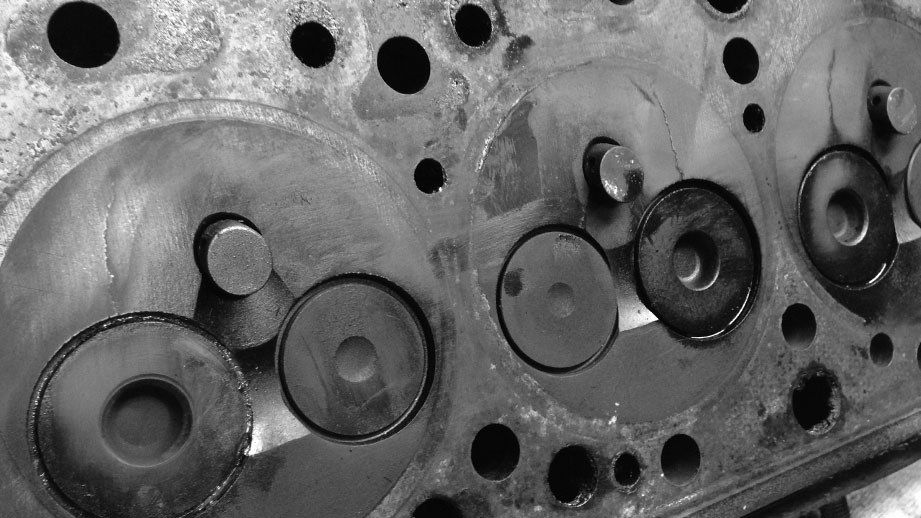
The engine block is one of the most important structural components of an engine. It houses the cylinders and, depending on the engine design, contains oil passages, coolant passages, and mounting points for major internal components.
A cracked engine block can cause serious engine problems, but diagnosing one is not always straightforward. Many of the symptoms associated with a cracked block can also be caused by a blown head gasket, a cracked cylinder head, a cooling-system leak, or other engine problems.
For this reason, a cracked block should not be diagnosed from a single symptom. Several tests may be necessary to confirm the problem.
Why Does an Engine Block Crack?
Engine blocks are designed to withstand significant heat and mechanical stress, so cracking is relatively uncommon. However, several conditions can cause serious damage.
Severe overheating:
Prolonged operation at extremely high temperatures can create significant thermal stress in the block. This is especially important in engines that have already experienced a major overheating event.
Frozen coolant:
If the coolant inside the engine freezes, it expands. In severe cases, this expansion can crack the engine block or other components of the cooling system.
Extreme temperature changes:
Rapid and severe changes in temperature can create thermal stress in the metal. A severely overheated engine is particularly vulnerable to this type of damage.
Major mechanical failure:
A broken connecting rod, damaged piston, crankshaft failure, or another serious internal engine problem can physically damage the block.
Manufacturing or material defects:
Although uncommon, casting defects or weaknesses in the material can eventually develop into cracks.
Common Symptoms of a Cracked Engine Block
The symptoms depend heavily on where the crack is located and how large it is. A small crack may only become noticeable when the engine reaches operating temperature, while a major crack can cause immediate and severe problems.
Unexplained Coolant Loss
One of the first things that may attract attention is repeated coolant loss without an obvious external leak.
If the radiator, hoses, water pump, thermostat housing, heater system, and other external components appear to be dry, an internal coolant leak may need to be investigated.
Coolant can potentially enter:
-
A combustion chamber
-
The engine oil
-
Another coolant passage
-
An area outside the engine through a hidden crack
However, unexplained coolant loss does not automatically mean the block is cracked. A head gasket or cylinder head can produce the same symptom.
Coolant and Engine Oil Mixing
A serious crack can allow coolant and engine oil to mix.
Possible signs include:
-
Milky or creamy engine oil
-
Unusual sludge under the oil filler cap
-
Coolant with an oily appearance
-
An abnormal increase in engine oil level
The oil filler cap alone should not be used to diagnose this problem. Short trips and condensation can sometimes create a light-colored deposit underneath the cap without any major engine failure.
The actual engine oil and coolant should be inspected before drawing conclusions.
Excessive Pressure in the Cooling System
A cracked block can sometimes allow combustion gases to enter the cooling system.
Possible symptoms include:
-
Cooling hoses becoming unusually hard
-
Coolant being pushed out of the expansion tank
-
Persistent bubbles in the expansion tank
-
Coolant overflow
-
Repeated overheating
However, a blown head gasket or cracked cylinder head can produce exactly the same symptoms.
Continuous White Exhaust Smoke
If coolant enters a combustion chamber through a crack, it can be burned along with the air-fuel mixture.
This may produce persistent white exhaust smoke or steam.
It is important to distinguish this from normal condensation. A small amount of white vapor during a cold start, especially in cold weather, can be completely normal.
White smoke that continues after the engine reaches operating temperature, particularly when accompanied by coolant loss, is much more significant.
Hard Starting and Engine Misfires
If coolant enters one or more cylinders, the engine may develop noticeable running problems.
Possible symptoms include:
-
Difficult starting
-
Rough idle
-
Misfires
-
Loss of power
-
Engine shaking
-
Check engine light
-
Poor running immediately after a cold start
A particularly suspicious situation occurs when the engine starts badly after sitting overnight, then gradually begins running more normally. This can happen when coolant has slowly entered a cylinder while the vehicle was parked.
Engine Overheating
A cracked block can contribute to overheating if it causes coolant loss or allows combustion gases to enter the cooling system.
The engine temperature may rise repeatedly even after cooling-system components have been replaced.
However, overheating has many other possible causes, including:
-
Thermostat failure
-
Radiator problems
-
Cooling fan failure
-
Water pump problems
-
Low coolant level
-
Radiator cap failure
-
Air trapped in the cooling system
-
Head gasket failure
Therefore, overheating alone is not evidence of a cracked block.
Low Compression in One or More Cylinders
A crack affecting a cylinder wall or an area around a combustion chamber can result in compression loss.
A compression test may reveal that one or more cylinders have significantly lower readings than the others.
But low compression can also be caused by:
-
Worn piston rings
-
Burned valves
-
Valve-seat problems
-
Head gasket failure
-
Piston damage
-
Excessive cylinder wear
A compression test can therefore identify a problem but may not identify the exact cause by itself.
Bubbles in the Expansion Tank
Continuous bubbling in the expansion tank while the engine is running can indicate that combustion gases are entering the cooling system.
If the bubbling becomes more pronounced as the engine is running or under load, further testing is warranted.
Again, this does not prove that the engine block is cracked. A damaged head gasket or cylinder head can create the same result.
How Is a Cracked Engine Block Confirmed?
A proper diagnosis usually involves several tests rather than relying on visual inspection alone.
Cooling system pressure test:
The cooling system is pressurized while the engine is cold or under controlled conditions. The system is then monitored for pressure loss and possible leaks.
Combustion-gas test:
A chemical test can be used to determine whether combustion gases are entering the cooling system.
Compression test:
Cylinder compression values are compared to identify possible internal sealing problems.
Leak-down test:
Compressed air is introduced into each cylinder while the engine is positioned appropriately. The technician then listens and observes where the pressure is escaping. This can provide more useful information than a compression test alone in some cases.
Borescope inspection:
A small camera can be inserted into the cylinders to look for coolant traces, unusual deposits, cylinder-wall damage, or other abnormalities.
Oil and coolant inspection:
Both fluids can be examined for signs of contamination or cross-leakage.
Cylinder head removal:
If other tests indicate a serious internal leak, the cylinder head may need to be removed. The cylinder head and engine block can then be inspected separately.
Crack detection testing:
Depending on the material and location, specialized inspection methods such as dye penetrant or magnetic particle testing may be used after disassembly.
Is the Engine Block Cracked or Is the Cylinder Head Damaged?
This is one of the most important questions during diagnosis because the symptoms can be almost identical.
Both a cracked block and a cracked cylinder head can cause:
-
Coolant loss
-
White exhaust smoke
-
Overheating
-
Low compression
-
Oil and coolant contamination
-
Misfires
-
Cooling-system pressure problems
A failed head gasket can also produce many of these symptoms.
This is why replacing the engine block immediately based only on coolant loss or white smoke can lead to an unnecessary and expensive repair.
Can a Cracked Engine Block Be Repaired?
Whether a cracked block can be repaired depends on the location, size, material, and severity of the crack.
Some cracks in accessible areas can sometimes be repaired using specialized welding or other repair techniques. However, not every crack can be repaired reliably.
A crack involving a cylinder wall, main bearing area, heavily stressed structural section, or critical oil/coolant passage may make repair impractical.
In some cases, replacing the engine block or complete engine is a more reliable solution.
The condition and availability of the engine are also important when deciding whether repair or replacement makes more economic sense.
Can You Drive With a Cracked Engine Block?
Driving with a confirmed or strongly suspected cracked engine block is generally not advisable.
The risk becomes particularly serious when the vehicle has:
-
Rapid coolant loss
-
Repeated overheating
-
Heavy white exhaust smoke
-
Oil and coolant contamination
-
Severe misfires
-
Excessive cooling-system pressure
-
Sudden loss of engine power
Continuing to drive an overheating engine can turn an already serious problem into much more extensive damage.
Coolant entering a cylinder can also create severe problems in certain situations, including the possibility of abnormal combustion or, in extreme cases, hydraulic lock.
Not Every Coolant Leak Means a Cracked Block
A cracked engine block is one of the more serious possibilities, but it should not be the first conclusion whenever a vehicle loses coolant.
The cause could instead be:
-
A leaking hose
-
Radiator
-
Water pump
-
Thermostat housing
-
Radiator cap
-
Heater core
-
Head gasket
-
Cracked cylinder head
-
Intake-related coolant passage, depending on engine design
A systematic diagnosis is therefore much more reliable than replacing expensive components based on symptoms alone.
The Most Reliable Way to Identify a Cracked Block
A cracked engine block can produce coolant loss, overheating, white exhaust smoke, oil contamination, compression loss, misfires, and excessive cooling-system pressure.
However, none of these symptoms alone proves that the block is cracked.
A proper diagnosis should normally begin with an inspection for external leaks and then progress to cooling-system pressure testing, combustion-gas testing, compression or leak-down testing, and other inspections as necessary.
If the results point toward an internal engine problem, the cylinder head and block may eventually need to be inspected directly.
The key point is that a cracked block should be confirmed with appropriate testing before committing to an expensive engine repair or replacement.