TR
TR EN
EN

What Is a Crankshaft Position Sensor? What Are the Symptoms of Failure?
The crankshaft position sensor is one of the most important sensors in a modern engine. It provides the engine control unit (ECU) with information about the crankshaft's position and rotational speed.
The ECU uses this information to determine when the engine is turning, where the pistons are in their cycle, and when critical operations such as fuel injection and ignition should occur.
When the crankshaft position sensor fails or sends an incorrect signal, the engine may run poorly, stall, become difficult to start, or fail to start at all.
What Does the Crankshaft Position Sensor Do?
The crankshaft position sensor monitors the rotational position and speed of the crankshaft.
As the crankshaft rotates, the sensor detects changes in a reluctor wheel, trigger wheel, or similar reference component attached to the crankshaft or positioned near it. It converts these changes into an electrical signal that is interpreted by the ECU.
This signal helps the ECU determine:
-
Crankshaft position
-
Engine RPM
-
Engine starting speed
-
Ignition timing
-
Fuel injection timing
-
Synchronization with the camshaft position sensor
-
Misfire detection on many engines
-
Engine speed information for other control systems
Without an accurate crankshaft position signal, the ECU may not know exactly when to activate the ignition coils or fuel injectors.
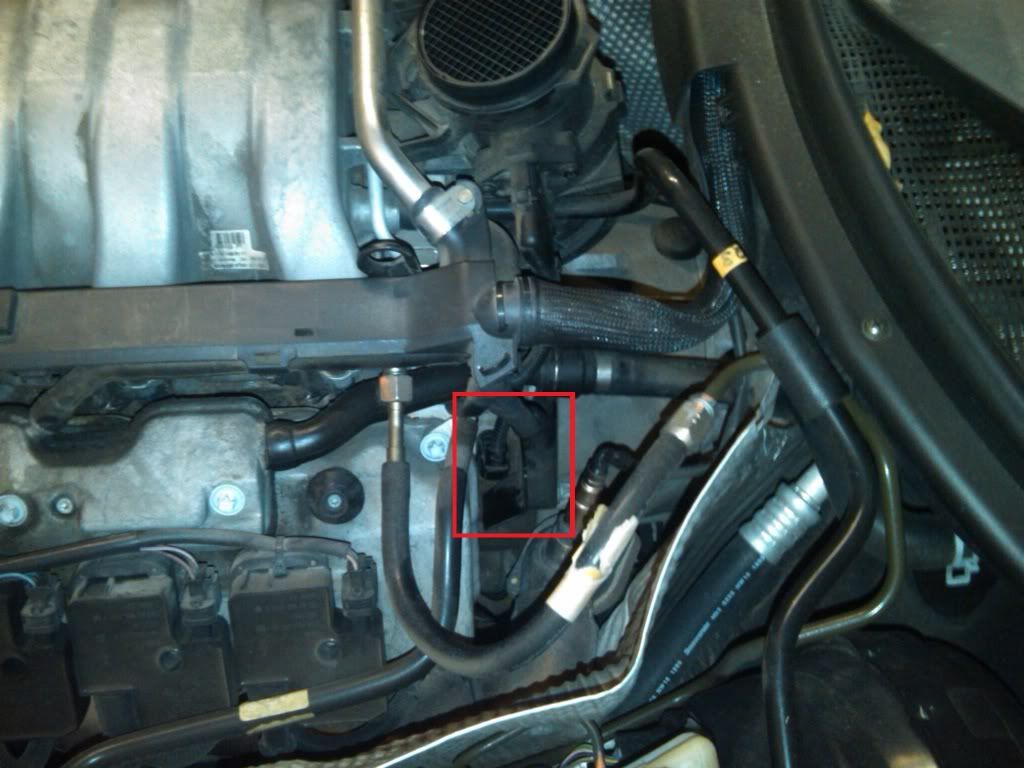
Where Is the Crankshaft Position Sensor Located?
The exact location varies from one engine to another.
It is commonly installed near the crankshaft, crankshaft pulley, flywheel, or transmission bell housing. Some engines position the sensor close to the reluctor wheel, while others use a different mounting arrangement.
Because of this variation, finding the sensor may require checking the vehicle's service information.
The sensor is often located in an area exposed to heat, oil, dirt, vibration, and moisture. These conditions can eventually contribute to sensor or wiring problems.
Symptoms of a Bad Crankshaft Position Sensor
A failing crankshaft position sensor can produce several different symptoms. The severity depends on whether the signal is completely lost or only becomes unreliable under certain conditions.
Engine Does Not Start
One of the most serious symptoms is a no-start condition.
During cranking, the ECU needs a reliable crankshaft position signal to determine engine speed and crankshaft position. If the signal is missing, the ECU may not activate the ignition or fuel injection correctly.
The starter motor may turn the engine normally, but the engine may fail to start.
This is commonly described as a crank-no-start condition.
Difficult Starting
A sensor does not always fail completely.
A weak or intermittent signal may allow the engine to start sometimes but cause extended cranking at other times.
The problem may become more noticeable when the engine is hot or under specific operating conditions.
Engine Stalling
A failing crankshaft position sensor can cause an engine to suddenly stall.
If the ECU loses the crankshaft signal while the engine is running, it may interpret the situation as if the engine has stopped rotating. Depending on the vehicle's design, fuel injection and ignition may then be interrupted.
The engine may restart after cooling down or after the sensor signal returns.
This type of intermittent failure can be particularly difficult to diagnose.
Engine Misfires and Rough Running
An inaccurate crankshaft position signal can affect ignition and fuel timing.
As a result, the engine may develop:
-
Rough idle
-
Misfires
-
Hesitation
-
Poor acceleration
-
Uneven engine operation
-
Reduced performance
However, these symptoms are not exclusive to the crankshaft position sensor. Ignition coils, spark plugs, injectors, fuel pressure, vacuum leaks, and other sensors can cause similar problems.
Poor Acceleration
If the ECU receives an inconsistent crankshaft signal, it may have difficulty maintaining accurate engine timing.
The driver may notice hesitation or reduced power, particularly when accelerating quickly.
In some vehicles, the ECU may also enter a protective operating mode if it detects a serious sensor problem.
Engine RPM Gauge May Drop Suddenly
The crankshaft position sensor is one of the primary sources of engine-speed information.
If its signal disappears intermittently, the tachometer may suddenly drop toward zero even though the engine is still rotating.
This can be a useful diagnostic clue, particularly when the engine simultaneously stalls.
However, the behavior of the tachometer depends on the vehicle's electrical and instrument-cluster design.
Check Engine Light
A problem with the crankshaft position sensor can trigger the Check Engine Light.
Depending on the vehicle, diagnostic trouble codes may relate to crankshaft position sensor circuits, signal performance, or synchronization between crankshaft and camshaft signals.
A fault code should not automatically be interpreted as proof that the sensor itself needs to be replaced.
The wiring, connector, reluctor wheel, power supply, ground, and ECU input should also be checked.
Increased Fuel Consumption
Incorrect engine timing can affect combustion efficiency.
In some cases, a crankshaft position sensor problem can contribute to increased fuel consumption because the ECU is unable to control engine operation as accurately as it normally would.
However, increased fuel consumption alone is not a reliable way to diagnose this sensor.
Problems When the Engine Is Hot
Some crankshaft position sensors develop intermittent faults as their internal components heat up.
A vehicle may start and drive normally when cold but develop a stalling or no-start problem after the engine reaches operating temperature.
After cooling down, the engine may start again.
This pattern can be a strong clue during diagnosis, but it is not exclusive to crankshaft position sensors.
What Causes Crankshaft Position Sensor Failure?
Several problems can affect the sensor or its signal.
Sensor internal failure:
The electronic components inside the sensor can deteriorate with age and heat.
Wiring damage:
Broken, chafed, melted, or corroded wiring can interrupt the signal.
Connector problems:
Loose terminals, corrosion, oil contamination, or poor electrical contact can create intermittent faults.
Excessive heat:
Sensors installed close to the engine or exhaust system may experience high temperatures.
Oil or contamination:
Oil leaks and accumulated dirt can affect the sensor or its connector.
Reluctor wheel damage:
The sensor itself may be healthy while the trigger wheel or reluctor has damaged, missing, or distorted teeth.
Incorrect sensor installation:
An incorrect air gap or improperly installed sensor can produce an unreliable signal on systems where sensor-to-trigger-wheel clearance is critical.
Mechanical problems:
Crankshaft movement, damaged timing components, or other mechanical issues can sometimes affect the relationship between the sensor and its trigger signal.
How Is a Crankshaft Position Sensor Diagnosed?
Replacing the sensor immediately is not always the best approach.
A proper diagnosis normally starts with scanning the vehicle for diagnostic trouble codes and checking live data.
A technician may then inspect:
-
Sensor wiring
-
Electrical connectors
-
Power and ground circuits where applicable
-
Sensor output signal
-
Crankshaft reluctor or trigger wheel
-
Sensor mounting and air gap
-
Engine RPM while cranking
-
Camshaft and crankshaft synchronization
-
Related timing components
An oscilloscope can be particularly useful for intermittent problems because it allows the technician to observe the actual sensor waveform while the engine is cranking or running.
Can a Bad Crankshaft Sensor Damage the Engine?
A faulty crankshaft position sensor does not normally damage the engine simply because the sensor has failed.
The bigger concern is the effect of incorrect engine control.
If the engine continues to run with an unreliable signal, poor combustion, misfires, stalling, or other problems may occur. More importantly, an engine that suddenly stalls while driving can create a serious safety risk.
A vehicle that repeatedly stalls or loses engine power should therefore be diagnosed rather than driven indefinitely.
Can You Drive With a Faulty Crankshaft Position Sensor?
It depends on the nature of the failure.
If the sensor has an intermittent problem, the vehicle may continue running for some time. However, it could suddenly stall and fail to restart.
That makes continued driving risky, particularly in heavy traffic, at high speeds, or in situations where sudden loss of engine power could create danger.
If the engine is stalling, refusing to restart, or showing severe misfire symptoms, professional diagnosis should be carried out as soon as possible.
Crankshaft Sensor vs. Camshaft Sensor
The crankshaft and camshaft position sensors work closely together, but they provide different information.
The crankshaft position sensor primarily tells the ECU the crankshaft's position and speed.
The camshaft position sensor provides information about camshaft position and helps the ECU determine which phase of the engine cycle the cylinders are in.
On many engines, the ECU compares the signals from both sensors to maintain precise synchronization.
Because the symptoms of crankshaft and camshaft sensor problems can overlap, diagnostic testing is important before replacing either component.
Do Not Blame the Sensor Immediately
A crankshaft position sensor fault code does not always mean the sensor itself is defective.
A damaged connector, broken wire, poor ground, excessive sensor clearance, damaged reluctor wheel, timing problem, or ECU-related issue can produce similar symptoms.
For this reason, replacing the sensor without checking the rest of the circuit can result in unnecessary parts replacement.
The most reliable diagnosis combines fault codes, live data, electrical testing, visual inspection, and, when necessary, waveform analysis.
Why the Crankshaft Position Sensor Is So Important
The crankshaft position sensor may be a relatively small component, but its signal is fundamental to engine operation.
The ECU depends on accurate crankshaft position and speed information to coordinate ignition, fuel injection, and engine synchronization.
Symptoms such as difficult starting, sudden stalling, misfires, poor acceleration, an intermittent RPM signal, and a Check Engine Light can all point toward a crankshaft position sensor problem—but they can also be caused by other faults.
When these symptoms appear together, the best approach is to diagnose the complete circuit and related engine components rather than replacing the sensor based on symptoms alone.