TR
TR EN
EN

How to Unfreeze a Frozen Car Door Lock
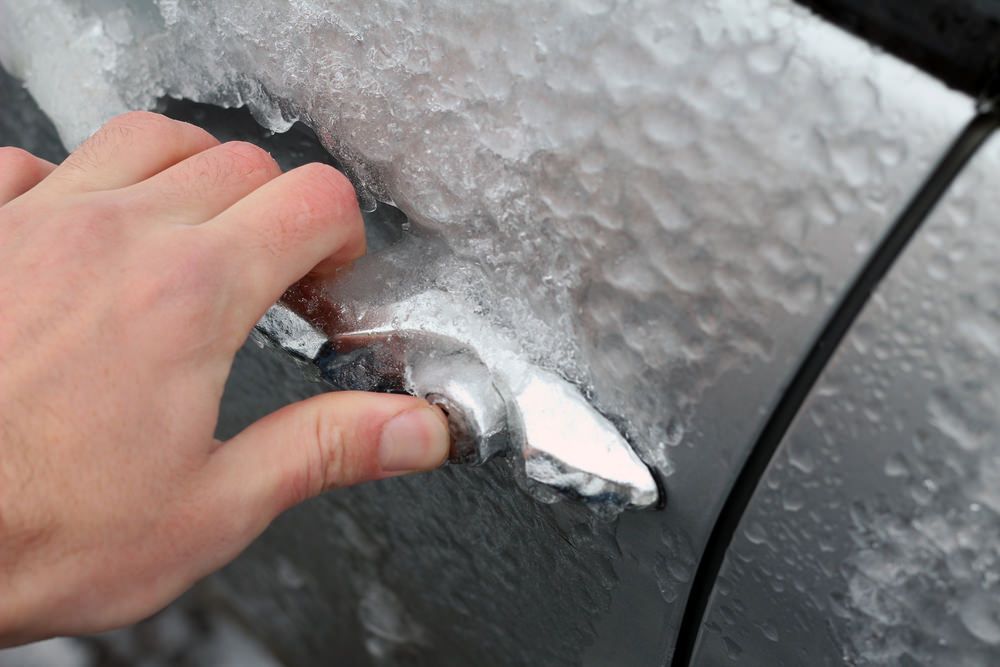
A frozen car door lock is a common winter problem, especially when a vehicle is left outside overnight in freezing temperatures. Moisture can enter the lock mechanism and freeze, preventing the key from entering the lock or turning properly.
The most important rule is simple: do not force the lock. Applying excessive force to the key can break it inside the lock or damage the lock cylinder.
First, Find Out What Is Actually Frozen
A car door that will not open does not necessarily have a frozen lock.
The problem may be caused by:
-
A frozen mechanical door lock
-
A frozen door seal
-
Ice around the door frame
-
A frozen door-handle mechanism
-
A frozen or malfunctioning central locking system
If the key enters the lock but will not turn, the lock cylinder itself may be frozen.
If the key turns normally but the door still does not open, the door seal or latch mechanism may be frozen instead.
Do Not Force the Key
One of the most common mistakes is trying to turn the key harder when the lock is frozen.
This can damage the lock cylinder or break the key, particularly with older or thinner keys.
If the key moves slightly but will not turn, stop applying force and focus on warming or de-icing the mechanism.
Use Warm Air to Thaw the Lock
One of the safest ways to thaw a frozen lock is to apply controlled warm air.
A hair dryer can be used to warm the lock area gradually. Keep the airflow directed toward the lock and surrounding metal until the ice begins to melt.
Avoid excessive heat. Very high temperatures can damage nearby plastic components, rubber seals, paint, or lubricants.
If an electrical device is being used outdoors, make sure it is suitable for the environment and kept away from standing water.
Use a Lock De-Icer
A de-icing product specifically designed for vehicle locks can be very effective.
Apply the product to the lock cylinder and allow it to work for a short period. The key can then be inserted and moved gently.
Once the lock has opened, drying and properly lubricating the mechanism can help prevent the moisture from freezing again.
Alcohol-Based Products Can Help
Isopropyl alcohol and certain purpose-designed de-icing products can help dissolve ice because of their low freezing point.
However, avoid randomly spraying strong solvents or household chemicals into the lock. Some chemicals may damage plastic components, seals, protective coatings, or existing lubricants.
A product designed for automotive locks is generally the safer choice.
Warm the Key Carefully
Another method is to warm the metal key slightly before inserting it into the lock.
A mildly warm key can help melt the ice inside the lock cylinder.
The key should never become extremely hot. Excessive heat can damage plastic components, seals, or lubricants inside and around the lock.
Using an open flame to heat the key is also not recommended.
Should You Pour Hot Water on the Lock?
Although hot water may appear to be a quick solution, it is generally not a good idea.
Hot water can melt the ice quickly, but the water can freeze again once the temperature drops. In very cold weather, the lock may become frozen again within a short time.
Very hot water can also create a thermal shock risk for cold glass and potentially damage other components.
For these reasons, controlled warm air or a proper lock de-icer is a better solution than boiling or very hot water.
What If the Door Seal Is Frozen?
Sometimes the lock is working perfectly and the actual problem is a frozen rubber door seal.
In this situation, pulling the door handle aggressively can damage the seal or the door-handle mechanism.
Instead, warm the area around the door gradually using warm air.
Once the door opens, dry the rubber seals and apply a suitable rubber-care product. This can help reduce the chance of the seals sticking to the body during future freezing conditions.
Try Another Door
If the driver's door will not open, try the other doors or the trunk if they are accessible.
Some vehicles have a mechanical key cylinder on only one door. If another door can be opened, you may be able to enter the vehicle and use the interior central-locking controls.
This can be particularly useful when the exterior lock is frozen but the rest of the vehicle's locking system is functioning normally.
What If the Central Locking System Is Frozen or Not Working?
If the mechanical key turns but the central locking system does not respond, the problem may not be caused entirely by ice.
Cold weather can expose problems such as:
-
A weak battery
-
Frozen or contaminated locking mechanisms
-
A faulty door-lock actuator
-
Wiring problems
-
Electrical connections
-
A blown fuse
If the remote key fob produces no response at all, the vehicle's battery and the key-fob battery should also be considered.
What to Do After You Open the Door
Opening the door is only part of the solution. Moisture remaining inside the lock or around the seals can freeze again.
After opening the door:
Dry the lock and surrounding area.
Remove any remaining moisture from the door seals.
Use a lubricant or protective product suitable for automotive locks.
Apply an appropriate rubber-care product to the door seals.
If possible, park the vehicle somewhere warmer and allow the affected areas to dry completely.
This is especially important after washing the vehicle in freezing weather.
Avoid These Methods
Some common emergency methods can cause more damage than the original frozen lock.
Do not pour boiling water over the lock.
The water may freeze again and can create thermal stress on cold glass or other components.
Do not use an open flame.
A flame can damage paint, plastic, rubber, and nearby components and creates an unnecessary fire hazard.
Do not force the key.
A broken key inside the lock can turn a simple freezing problem into a much more complicated repair.
Do not pull the door handle aggressively.
The door seal, handle, latch, or linkage can be damaged.
Do not spray random solvents or oils into the lock.
Some products are unsuitable for automotive lock mechanisms and can cause damage or attract dirt.
How to Prevent Car Door Locks From Freezing
Preventive maintenance is usually easier than dealing with a frozen lock in the morning.
Before freezing weather:
-
Keep the lock mechanism clean.
-
Use a suitable lock lubricant or protective product.
-
Keep door seals clean and dry.
-
Apply appropriate rubber-care treatment to the seals.
-
Dry the doors and locks after washing the car.
-
Avoid parking where melting snow or water can repeatedly enter the lock area.
-
Make sure the vehicle's battery is in good condition if the car uses electronic central locking.
If the same lock freezes repeatedly while the others remain unaffected, the mechanism may have a moisture-ingress or sealing problem that should be inspected.
The Safest Way to Open a Frozen Car Door
When a car door lock freezes, the best approach is to thaw it gradually rather than forcing it.
First determine whether the lock, door seal, latch, or central locking system is actually frozen. A proper lock de-icer or controlled warm air is generally preferable to boiling water or an open flame.
Once the door is open, drying and protecting the lock and rubber seals can prevent the problem from returning.
Most importantly, if the key does not turn easily, do not force it. A little patience is far cheaper than replacing a broken key or damaged door-lock mechanism.