TR
TR EN
EN

What Should You Do If a Nail or Screw Gets Stuck in Your Tire?
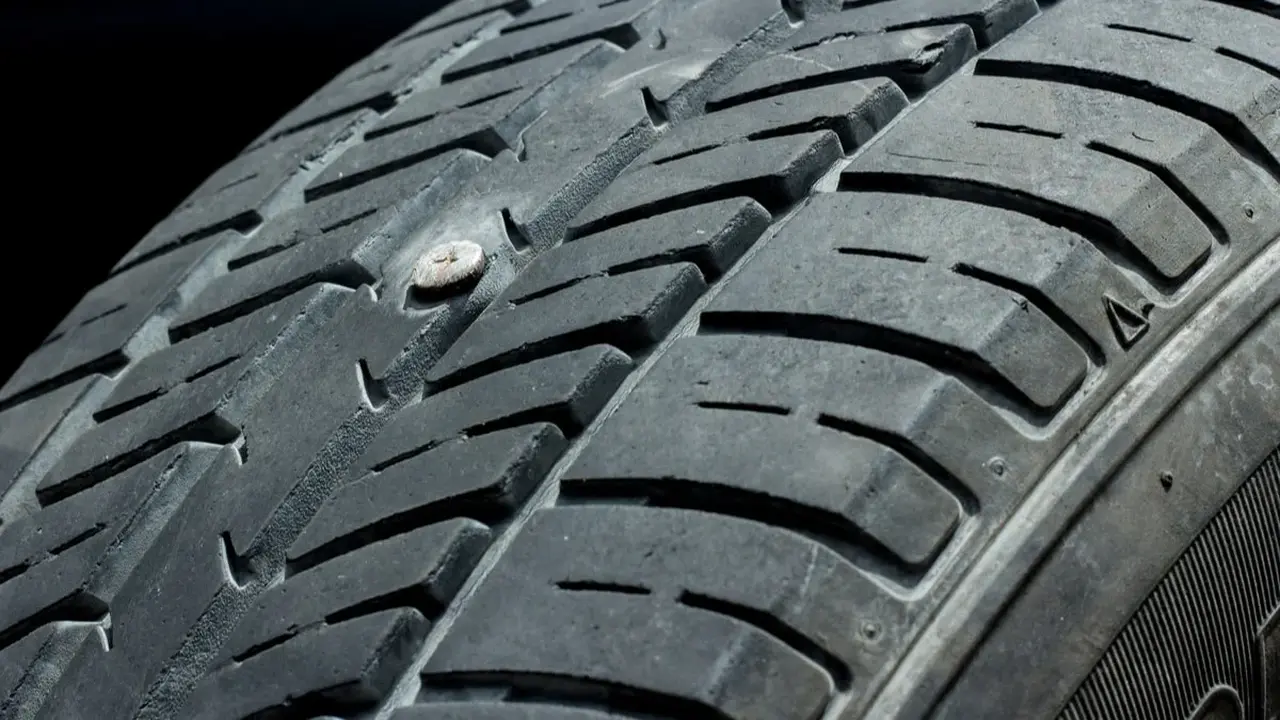
Finding a nail or screw embedded in your tire can be alarming, but it is also one of the most common tire problems drivers face. In many cases, the tire does not lose air immediately because the object itself temporarily seals the puncture. However, this does not mean the tire is safe to drive on for an extended period.
A punctured tire may have hidden internal damage that can worsen over time, increasing the risk of rapid air loss, tire failure, poor handling, or even a blowout at highway speeds. Knowing how to react and choosing the correct repair method can make a significant difference in both your safety and the lifespan of your tire.
This guide explains what to do when you discover a nail or screw in your tire, when it can be repaired, whether a plug or patch is safer, and when replacing the tire is the only responsible option.
What Should You Do When You Find a Nail or Screw in Your Tire?
The first and most important rule is simple: do not pull the nail or screw out immediately.
The object may be slowing or completely preventing air from escaping. Removing it without preparation can cause the tire to deflate rapidly, leaving your vehicle unsafe to drive.
Instead, follow these steps:
-
Pull over in a safe location.
-
Inspect the tire without removing the object.
-
Check the tire pressure if possible.
-
If the tire still holds air, inflate it to the recommended pressure if necessary.
-
Drive carefully to the nearest professional tire repair shop if the tire is not rapidly losing air.
-
If the tire is flat or losing pressure quickly, replace it with the spare tire or arrange roadside assistance.
Driving on an underinflated tire, even for a short distance, can permanently damage its internal structure.
Is It Safe to Drive With a Nail in Your Tire?
The answer depends on the condition of the tire.
If the tire maintains normal pressure and the puncture is located in the tread area, it is generally acceptable to drive a very short distance at low speed directly to a tire repair facility.
However, continuing to use the vehicle for days or weeks is never recommended.
Driving with a punctured tire can lead to:
-
Progressive internal tire damage.
-
Enlargement of the puncture hole.
-
Sidewall stress.
-
Wheel (rim) damage if pressure becomes too low.
-
Reduced steering stability.
-
Increased stopping distance.
-
Greater risk of a sudden blowout.
If you notice any of the following, stop driving immediately:
-
The tire pressure warning light is on.
-
The tire visibly appears flat.
-
You hear hissing air.
-
The vehicle pulls to one side.
-
Steering feels unstable.
Safety should always come before convenience.
Plug Repair: Advantages, Limitations, and How It Works
A tire plug (also called a string plug) is one of the quickest repair methods available.
It is inserted from the outside of the tire without removing it from the wheel, making it popular for roadside assistance and emergency repairs.
Advantages
-
Very fast repair.
-
Low cost.
-
Can often be performed without removing the wheel.
-
Useful in emergency situations.
Limitations
-
Generally considered a temporary repair.
-
Does not allow inspection of the tire's internal damage.
-
Not suitable for sidewall punctures.
-
May fail if the injury is irregular or larger than recommended.
How a Plug Repair Is Performed
The repair technician removes the nail or screw.
The puncture channel is cleaned using a reaming tool.
A rubber plug coated with sealant is inserted into the puncture.
The excess material is trimmed flush with the tread surface.
Finally, the tire pressure is checked for leaks.
Although modern quality plugs can last for a long time under certain conditions, many tire manufacturers recommend a more comprehensive internal repair whenever possible.
Internal Patch Repair: Is It Safer?
An internal patch repair, often called a combination patch-plug or mushroom patch, is widely considered the safest repair for repairable tread punctures.
Unlike an external plug, this repair requires removing the tire from the wheel so the inside can be inspected.
This allows the technician to confirm that the internal cords have not suffered excessive damage from driving while underinflated.
Advantages
-
Long-lasting repair.
-
Better air sealing.
-
Internal damage can be inspected.
-
Recommended by many tire manufacturers and industry standards.
-
Higher overall reliability.
Disadvantages
-
Takes more time.
-
Costs more than a simple plug.
-
Requires professional equipment.
How an Internal Patch Repair Is Performed
The tire is removed from the wheel.
The technician carefully inspects the inside for structural damage.
The puncture channel is cleaned and prepared.
A combination patch-plug is installed from the inside.
The repair is bonded using specialized vulcanizing cement.
The tire is remounted, inflated, leak-tested, and balanced before installation.
For everyday driving, an internal combination patch is generally considered the preferred permanent repair when the puncture meets repair guidelines.
Which Is Safer: A Plug or an Internal Patch?
While both methods can stop an air leak, they are not equal in terms of long-term reliability.
A plug is mainly intended as a quick repair that allows you to continue driving safely until a more permanent solution can be performed.
An internal patch repair not only seals the puncture but also allows the technician to verify that the tire's internal structure remains safe.
If your tire qualifies for repair, an internal combination patch provides the highest level of confidence for continued use.
When Should a Tire Be Replaced Instead of Repaired?
Not every punctured tire can or should be repaired.
Replacement is generally recommended when:
-
The puncture is located in the sidewall.
-
The shoulder area has been damaged.
-
The puncture is excessively large.
-
Multiple punctures are too close together.
-
Internal cords have been damaged.
-
The tire has been driven while completely flat.
-
The tire shows bulges, cuts, or exposed cords.
-
The same area has already been repaired previously.
-
The tread depth is already near or below the legal minimum.
Even if a puncture appears small from the outside, only an internal inspection can determine whether the tire remains structurally safe.
Should Wheel Balancing Be Performed After Tire Repair?
Yes.
Whenever a tire is removed from the wheel for repair, wheel balancing should be performed before reinstalling it.
Balancing ensures that the wheel rotates evenly at all speeds.
Skipping this step may result in:
-
Steering wheel vibration.
-
Cabin vibration at highway speeds.
-
Uneven tire wear.
-
Reduced tire lifespan.
-
Additional stress on suspension and steering components.
-
Slightly increased fuel consumption.
Professional tire shops typically balance the wheel immediately after completing an internal patch repair.
When Else Should Wheel Balancing Be Done?
Wheel balancing is recommended whenever:
-
A tire has been removed from the wheel.
-
A new tire has been installed.
-
A new wheel has been fitted.
-
You notice vibration between approximately 55 and 75 mph (90–120 km/h).
-
Tires have been rotated.
-
Routine maintenance is performed every 6,000 to 10,000 miles (10,000–15,000 km), depending on driving conditions and manufacturer recommendations.
Regular balancing improves ride comfort while helping maximize tire life.
Can You Repair the Tire Yourself?
Temporary tire repair kits sold for emergency roadside use can help you reach a repair facility, but they should not replace a professional inspection.
Many punctures that appear minor may involve hidden structural damage that is impossible to identify without removing the tire.
If you use a temporary plug kit or tire sealant, inform the repair technician before they inspect the tire.
Final Thoughts
A nail or screw in your tire is not always an emergency, but it should never be ignored.
Do not remove the object yourself unless you are prepared to repair or replace the tire immediately. Check the tire pressure, avoid unnecessary driving, and have the tire inspected by a qualified technician as soon as possible.
For repairable punctures in the tread area, an internal combination patch provides the safest and most durable solution. If the puncture affects the sidewall or the tire has suffered structural damage, replacement is the only safe option.
Finally, remember that repairing the puncture is only part of the job. Proper wheel balancing after the repair helps restore smooth handling, prevents premature tire wear, and ensures your vehicle continues to perform safely on the road.