TR
TR EN
EN

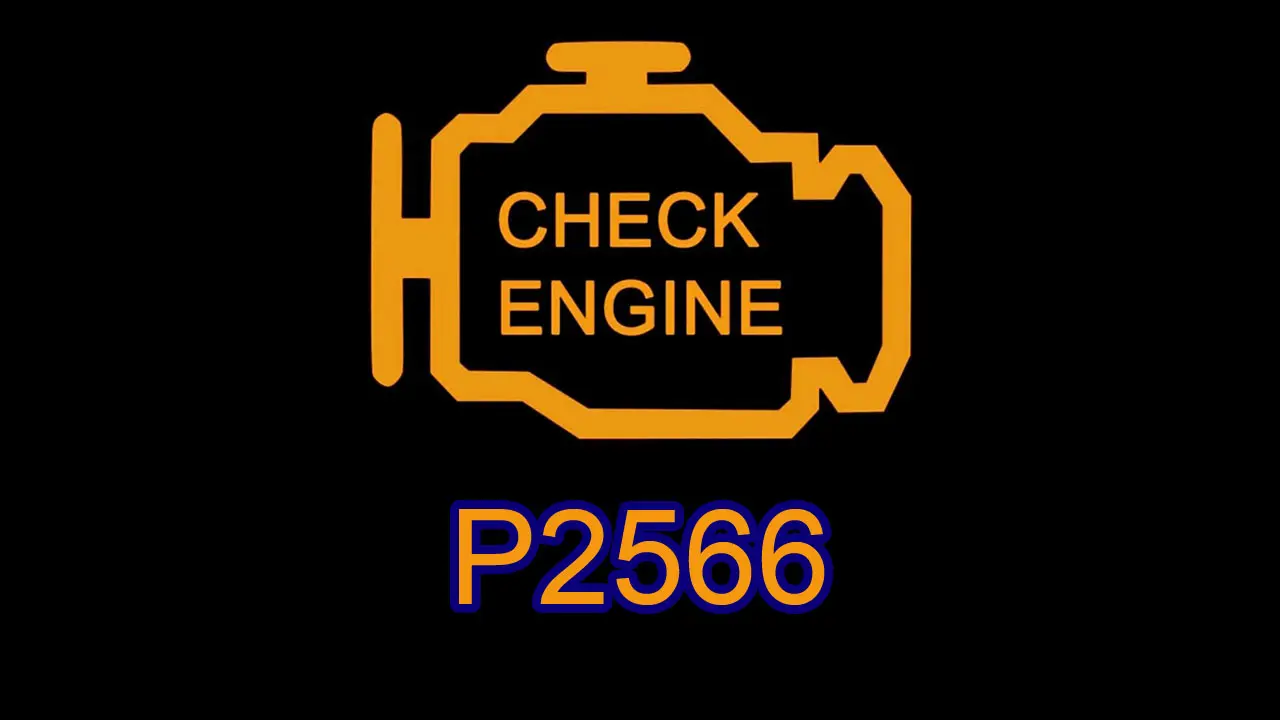
P2566 Turbocharger Boost Control Position Sensor Circuit Intermittent
P2566 is a generic OBD-II diagnostic trouble code that indicates the Engine Control Module (ECM) has detected an intermittent problem in the Turbocharger Boost Control Position Sensor Circuit.
In simple terms, the ECM is receiving an unstable or inconsistent signal from the turbocharger boost control position sensor. The signal may appear normal at times and then suddenly become interrupted, fluctuate unexpectedly, or disappear temporarily.
This sensor helps the ECM monitor the position of the turbocharger's variable geometry mechanism or wastegate actuator. When the signal becomes intermittent, the ECM may struggle to regulate boost pressure accurately, affecting engine performance and efficiency.
When the ECM detects this condition, it stores diagnostic trouble code P2566 and may illuminate the Check Engine Light.
What Does P2566 Mean?
Modern turbocharged engines rely on precise boost pressure control to deliver the best balance of power, fuel economy, and emissions.
The Turbocharger Boost Control Position Sensor monitors the position of the turbocharger actuator and provides continuous feedback to the ECM.
The turbocharger control system typically includes:
-
Turbocharger
-
Variable Geometry Turbocharger (VGT) mechanism or wastegate actuator
-
Turbocharger Boost Control Position Sensor
-
Boost control actuator
-
Vacuum or electronic control system
-
Engine Control Module (ECM)
The ECM uses the sensor signal to:
-
Monitor actuator position
-
Control turbocharger boost pressure
-
Improve engine performance
-
Reduce emissions
-
Protect the turbocharger from overboost or underboost conditions
The code description contains several important meanings:
Turbocharger Boost Control Position Sensor
This sensor reports the actual position of the turbocharger actuator or variable vanes.
Circuit
The circuit includes:
-
Reference voltage
-
Ground circuit
-
Signal wire
-
Electrical connectors
-
ECM communication
Intermittent
The electrical signal is unstable or occasionally interrupted.
Possible situations include:
-
Temporary signal loss
-
Loose electrical connections
-
Wiring faults
-
Sensor signal fluctuations
-
Heat-related electrical problems
Symptoms of P2566
The symptoms of P2566 may appear only occasionally at first before becoming more frequent.
Common symptoms include:
Check Engine Light
The Check Engine Light will usually illuminate after the ECM detects repeated intermittent signal failures.
Reduced engine power
The engine may experience:
-
Slow acceleration
-
Weak throttle response
-
Reduced turbo performance
Intermittent loss of turbo boost
The turbocharger may work normally one moment and lose boost the next.
Engine hesitation
The vehicle may hesitate during acceleration because boost pressure is not being controlled correctly.
Limp mode
Many vehicles activate a protective reduced-power mode when turbocharger control becomes unreliable.
Poor fuel economy
Improper boost control can reduce combustion efficiency and increase fuel consumption.
Inconsistent engine performance
Performance may vary depending on when the intermittent electrical fault occurs.
Common Causes of P2566
Several problems can cause an intermittent Turbocharger Boost Control Position Sensor Circuit fault.
Faulty turbocharger boost control position sensor
A failing sensor is one of the most common causes.
Possible internal problems include:
-
Intermittent electrical failure
-
Heat-related failure
-
Signal instability
-
Internal wear
Damaged wiring harness
Turbocharger wiring is exposed to high temperatures and engine vibration.
Possible wiring problems include:
-
Broken wires
-
Chafed insulation
-
Heat damage
-
High resistance
-
Intermittent open circuits
Loose or corroded electrical connectors
Poor electrical connections can interrupt the sensor signal.
Common connector issues include:
-
Loose terminals
-
Corrosion
-
Water intrusion
-
Oil contamination
-
Bent connector pins
Faulty turbocharger actuator
If the actuator does not move correctly, the sensor may report inconsistent position values.
Possible causes include:
-
Internal actuator wear
-
Mechanical sticking
-
Electrical actuator failure
Sticking variable geometry turbocharger (VGT)
Carbon buildup may prevent the turbo vanes from moving smoothly.
Possible causes include:
-
Soot accumulation
-
Corrosion
-
Mechanical wear
Vacuum system problems
Vacuum-operated turbo systems may experience:
-
Vacuum hose leaks
-
Faulty vacuum solenoid
-
Weak vacuum supply
These issues can cause unstable actuator movement.
ECM problems
Although uncommon, the ECM may misinterpret the sensor signal.
Possible causes include:
-
Software issues
-
Internal ECM failure
-
Damaged ECM connector
Vehicles Commonly Affected by P2566
P2566 can occur on many turbocharged gasoline and diesel engines.
Common examples include:
-
Ford Power Stroke diesel engines
-
Chevrolet Duramax diesel engines
-
GMC diesel trucks
-
Volkswagen TDI engines
-
Audi TDI models
-
BMW turbocharged diesel engines
-
Mercedes-Benz CDI diesel engines
-
Jeep EcoDiesel models
-
Dodge Ram Cummins diesel trucks
The exact repair procedure depends on the vehicle manufacturer and turbocharger design.
How Is P2566 Diagnosed?
Proper diagnosis requires checking both the electrical circuit and the turbocharger control system.
Check for additional trouble codes
A professional scan tool should be used to check for related codes, including:
-
Turbocharger boost control codes
-
Boost pressure sensor codes
-
Turbo actuator codes
-
MAP sensor codes
Related codes can help identify the underlying issue.
Inspect the sensor
Technicians should inspect the sensor for:
-
Physical damage
-
Oil contamination
-
Loose mounting
-
Proper operation
Inspect wiring and connectors
The complete circuit should be checked for:
-
Broken wires
-
Corrosion
-
Loose terminals
-
Heat damage
-
Intermittent electrical faults
Monitor live sensor data
Using a scan tool, technicians should monitor:
-
Actuator position
-
Requested position
-
Actual position
-
Signal stability during acceleration
The sensor reading should change smoothly without sudden interruptions.
Test the turbocharger actuator
The actuator should be tested for:
-
Proper movement
-
Full operating range
-
Smooth operation
-
Electrical or vacuum response
Inspect the turbocharger
Technicians may inspect:
-
Variable vanes
-
Wastegate operation
-
Mechanical wear
-
Carbon buildup
How to Fix P2566
The correct repair depends on the source of the intermittent signal.
Common repairs include:
Replacing the turbocharger boost control position sensor
If the sensor has an internal fault, replacement is usually required.
Repairing damaged wiring
Electrical repairs may include:
-
Replacing damaged wires
-
Repairing broken circuits
-
Eliminating high-resistance connections
Repairing connector problems
Repairs may include:
-
Cleaning corroded terminals
-
Replacing damaged connectors
-
Securing loose connections
Replacing the turbocharger actuator
A faulty actuator should be replaced if it cannot accurately control boost pressure.
Repairing the vacuum system
Vacuum leaks or faulty control solenoids should be repaired.
Cleaning the VGT mechanism
Removing carbon buildup may restore smooth turbo vane movement.
Repairing ECM-related faults
In rare cases, ECM software updates or replacement may be necessary.
After repairs:
-
Clear the diagnostic trouble code.
-
Start the engine.
-
Monitor live sensor data.
-
Perform a road test.
-
Confirm the code does not return.
Can You Drive With P2566?
Driving with P2566 may be possible if the problem is only occasional, but it is not recommended for extended periods.
Possible risks include:
-
Reduced engine power
-
Inconsistent turbo performance
-
Poor fuel economy
-
Limp mode activation
-
Increased emissions
If the vehicle frequently loses turbo boost or enters limp mode, it should be diagnosed as soon as possible.
Is P2566 a Serious Code?
P2566 is generally considered a moderate diagnostic trouble code.
Although the engine may continue running, an intermittent turbocharger position signal can lead to:
-
Reduced engine performance
-
Inaccurate boost control
-
Increased emissions
-
Lower fuel efficiency
Prompt diagnosis can prevent more serious turbocharger or engine management problems.
How to Prevent P2566
Regular maintenance can reduce the risk of turbocharger control problems.
Recommended practices include:
-
Inspect wiring near the turbocharger regularly.
-
Protect electrical connectors from moisture and corrosion.
-
Repair oil leaks around the turbocharger.
-
Replace damaged vacuum hoses promptly.
-
Use the correct engine oil and follow service intervals.
-
Address Check Engine Light warnings without delay.
-
Periodically inspect the turbocharger for excessive carbon buildup.
Final Thoughts
P2566 Turbocharger Boost Control Position Sensor Circuit Intermittent indicates that the ECM has detected an unstable or intermittent electrical signal from the turbocharger boost control position sensor.
The most common causes include a failing position sensor, damaged wiring, loose electrical connectors, a faulty turbo actuator, sticking variable geometry vanes, vacuum system problems, or, in rare cases, an ECM fault.
A thorough inspection of the sensor, wiring, actuator, and turbocharger assembly is essential to restore accurate boost control, maintain engine performance, and prevent further turbocharger-related issues.