TR
TR EN
EN

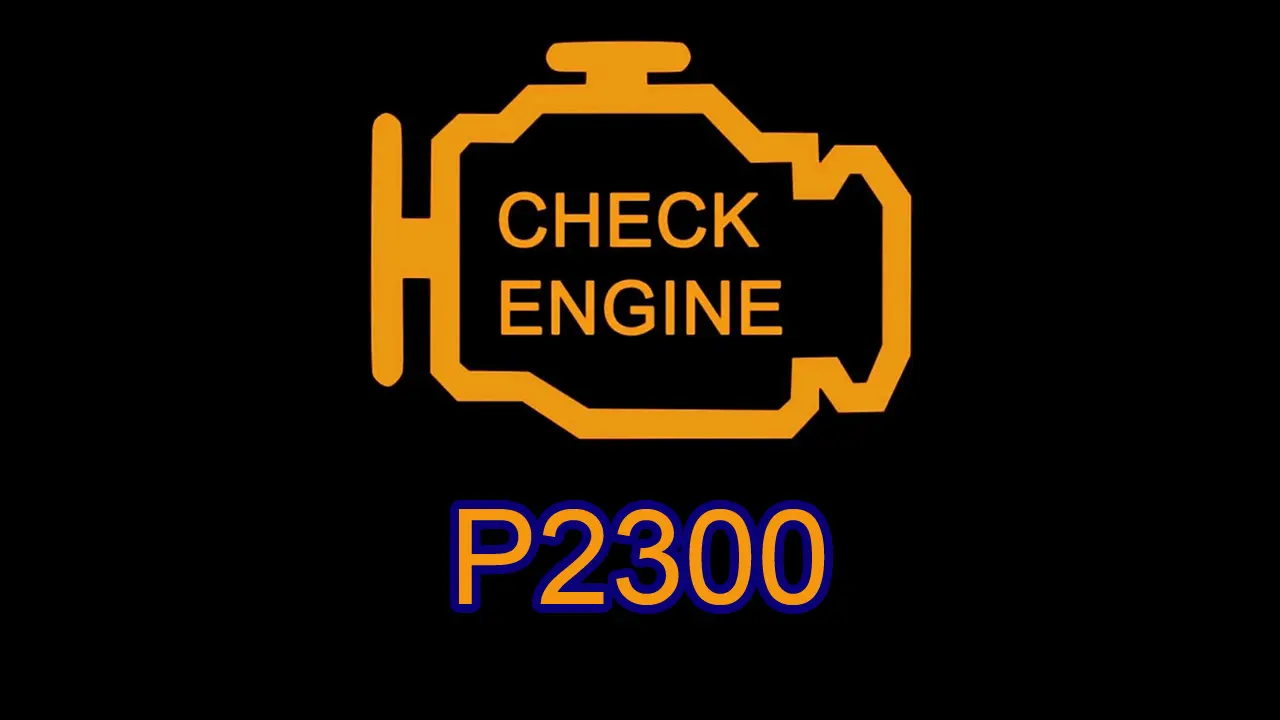
P2300 Ignition Coil "A" Primary Control Circuit Low
P2300 is a generic OBD-II diagnostic trouble code that indicates the Engine Control Module (ECM) or Powertrain Control Module (PCM) has detected a low voltage condition in the primary control circuit of Ignition Coil "A".
In simple terms, the ECM is detecting that the electrical signal controlling Ignition Coil "A" is lower than the expected value. This usually indicates a problem with the ignition coil control circuit, such as a short to ground, damaged wiring, faulty ignition coil, connector problems, or an ECM control issue.
The ignition coil primary circuit is responsible for controlling the current flow that creates the magnetic field needed for spark generation. If this circuit does not operate correctly, the ignition coil may not produce enough voltage to ignite the air-fuel mixture.
When the ECM detects this fault, it stores diagnostic trouble code P2300 and may illuminate the Check Engine Light.
What Does P2300 Mean?
Modern engines use electronically controlled ignition systems. Instead of a traditional distributor system, most vehicles use individual ignition coils controlled directly by the ECM.
Each ignition coil has two main circuits:
Primary circuit
The primary side operates with low voltage from the vehicle electrical system. The ECM controls this circuit by switching current on and off through the ignition coil.
Secondary circuit
The secondary side creates the high voltage required to produce a spark at the spark plug.
For Ignition Coil "A", the ECM monitors the primary control circuit to ensure that the coil is operating correctly.
When the ECM detects that the primary control circuit voltage is too low, possible causes include:
-
Control wire shorted to ground
-
Faulty ignition coil
-
Damaged wiring
-
Poor electrical connection
-
Failed ECM ignition driver
The ECM then stores code P2300.
Symptoms of P2300
The symptoms of P2300 depend on how much the ignition system is affected.
Common symptoms include:
Check Engine Light
The Check Engine Light will usually illuminate when the ECM detects the ignition coil control problem.
Engine misfire
A weak or missing spark can cause one cylinder to misfire.
Symptoms may include:
-
Engine shaking
-
Rough idle
-
Uneven engine operation
-
Loss of power
Poor acceleration
The vehicle may hesitate or respond slowly when pressing the accelerator.
Reduced engine performance
Some vehicles may activate a protection mode to reduce engine load.
Increased fuel consumption
A misfiring cylinder may burn fuel inefficiently.
Hard starting
A weak ignition spark can make starting more difficult.
Flashing Check Engine Light
A flashing warning light usually indicates a severe misfire that may damage the catalytic converter.
Common Causes of P2300
Several problems can cause an Ignition Coil "A" Primary Control Circuit Low condition.
Faulty ignition coil
A defective ignition coil can create an abnormal electrical load on the primary circuit.
Possible failures include:
-
Internal short circuit
-
Damaged coil winding
-
Overheating damage
-
Electrical failure
Short to ground in the coil control circuit
A damaged wire may contact ground and reduce the voltage signal.
Possible causes include:
-
Damaged insulation
-
Wiring rubbing against metal parts
-
Incorrect electrical repairs
-
Harness damage
Open or damaged wiring
The ignition coil control circuit may have:
-
Broken wires
-
High resistance
-
Corrosion
-
Heat damage
-
Poor repairs
Faulty ignition coil connector
Connector problems may interrupt proper electrical operation.
Possible issues include:
-
Loose terminals
-
Bent connector pins
-
Corrosion
-
Water intrusion
Battery or charging system problems
Low system voltage can affect ignition coil operation.
Possible causes include:
-
Weak battery
-
Faulty alternator
-
Poor electrical connections
ECM ignition driver failure
The ECM contains electronic drivers that control ignition coils.
A failed driver may cause incorrect coil control.
This is less common than coil or wiring problems.
Vehicles Commonly Affected by P2300
P2300 can occur on many vehicles equipped with electronically controlled ignition coils.
Examples include:
-
Ford Focus
-
Ford Fiesta
-
Ford Escape
-
Chevrolet Cruze
-
Chevrolet Malibu
-
Chevrolet Equinox
-
GMC Terrain
-
Dodge Charger
-
Dodge Challenger
-
Jeep Cherokee
-
Toyota Corolla
-
Toyota Camry
-
Honda Civic
-
Honda Accord
-
Nissan Altima
-
Nissan Sentra
-
BMW 3 Series
-
Mercedes-Benz C-Class
-
Volkswagen Golf
-
Audi A3
-
Hyundai Elantra
-
Kia Forte
The exact location of Ignition Coil "A" depends on the manufacturer. In many vehicles, it may refer to cylinder number one, but this should always be confirmed using manufacturer service information.
How Is P2300 Diagnosed?
Proper diagnosis requires checking the ignition coil, wiring, connectors, and ECM control circuit.
Check for additional trouble codes
A professional scan tool should check for related codes such as:
-
P0300 random misfire codes
-
Cylinder-specific misfire codes
-
Other ignition coil circuit codes
-
Voltage-related codes
Additional codes can help identify the source of the problem.
Inspect the ignition coil
The ignition coil should be checked for:
-
Cracks
-
Burn marks
-
Physical damage
-
Signs of overheating
Inspect the wiring and connectors
Technicians should check the primary control circuit for:
-
Short to ground
-
Broken wires
-
Damaged insulation
-
Corrosion
-
Loose connections
Test ignition coil operation
The ignition coil may be tested by:
-
Measuring resistance values
-
Comparing with another coil
-
Swapping coils between cylinders
-
Checking coil operation with diagnostic equipment
If the fault follows the coil, the coil is likely defective.
Check electrical voltage
Testing may include:
-
Battery voltage testing
-
Coil power supply checks
-
Ground testing
-
Control signal measurement
Check ECM operation
If the coil and wiring are working correctly, the ECM ignition driver may need to be tested.
How to Fix P2300
The correct repair depends on the cause of the low voltage condition.
Common repairs include:
Replacing the faulty ignition coil
If Ignition Coil "A" is defective, replacement may restore normal operation.
Repairing wiring problems
Repairs may include:
-
Fixing short-to-ground conditions
-
Replacing damaged wires
-
Repairing connectors
-
Cleaning corroded terminals
Repairing electrical connections
Loose or damaged terminals should be repaired to ensure proper signal flow.
Replacing damaged spark plugs
Although P2300 relates to the primary circuit, worn spark plugs can contribute to ignition system stress.
Repairing battery or charging system issues
Correct system voltage is necessary for proper ignition operation.
Repairing ECM-related faults
In rare cases, ECM software updates or ECM replacement may be required.
After repairs:
-
Clear the diagnostic trouble code.
-
Start the engine.
-
Check for proper ignition operation.
-
Perform a road test.
-
Confirm the code does not return.
Can You Drive With P2300?
Driving with P2300 is possible in some cases, but it should not be ignored.
Possible risks include:
-
Engine misfires
-
Reduced engine power
-
Poor fuel economy
-
Increased emissions
-
Catalytic converter damage
If the Check Engine Light is flashing, driving should be avoided because severe misfires can overheat and damage the catalytic converter.
Is P2300 a Serious Code?
P2300 is generally considered a moderate to serious diagnostic trouble code.
The ignition coil control circuit directly affects engine combustion.
Ignoring the problem may result in:
-
Continuous misfires
-
Poor engine performance
-
Increased fuel consumption
-
Catalytic converter damage
-
Higher emissions
Prompt diagnosis helps prevent additional repairs.
How to Prevent P2300
Regular ignition system maintenance can help prevent this problem.
Recommended maintenance includes:
-
Replace spark plugs at manufacturer intervals.
-
Inspect ignition coils during servicing.
-
Keep coil connectors clean and dry.
-
Repair oil leaks near ignition components.
-
Maintain proper battery voltage.
-
Inspect wiring harnesses for damage.
-
Avoid incorrect electrical modifications.
-
Address engine misfires early.
Final Thoughts
P2300 Ignition Coil "A" Primary Control Circuit Low indicates that the ECM has detected a lower-than-expected voltage condition in the primary control circuit of Ignition Coil "A".
The most common causes include faulty ignition coils, shorted wiring, damaged connectors, low system voltage, or ECM ignition driver problems.
Because ignition coil control problems can lead to misfires, poor performance, and catalytic converter damage, P2300 should be diagnosed and repaired promptly to ensure reliable engine operation.