TR
TR EN
EN

Can Engine Additives Damage the Engine?
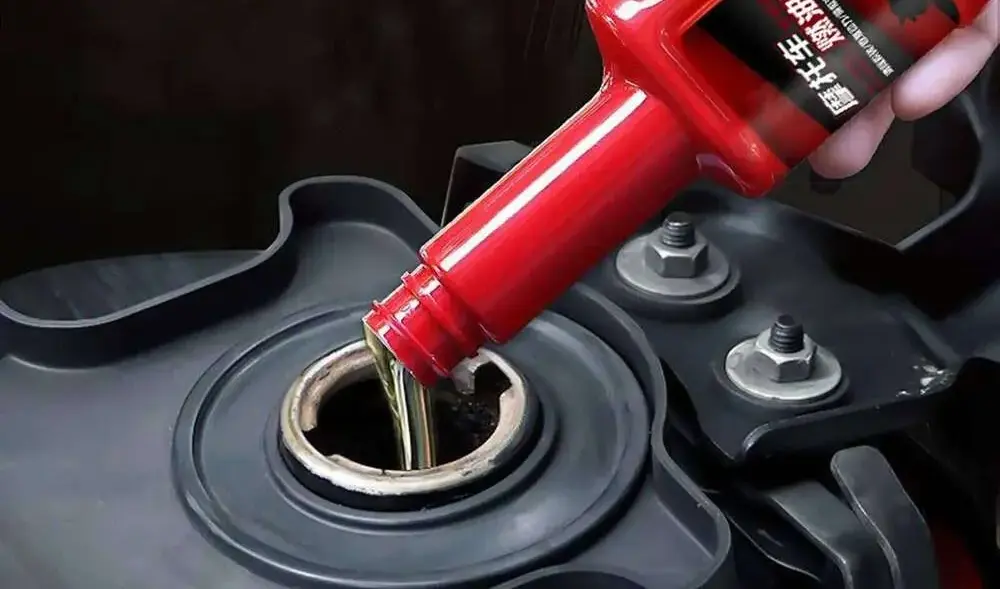
Engine additives are products designed to be added to engine oil or, in some cases, fuel, with the aim of improving certain operating characteristics of the engine. There are many different types of additives on the market, including friction reducers, engine protectors, oil-system cleaners, oil leak reducers, viscosity modifiers, fuel-system cleaners, and injector cleaners.
It would be incorrect to classify all of these products as either “harmful” or “beneficial.” Their effects depend on the chemical formulation of the product, the engine design, the engine oil being used, the condition of the engine, and whether the additive is used at the correct dosage.
The more important question is this: Can an engine additive damage an engine if the wrong product is used incorrectly?
Yes, in some situations it can.
Why Are Engine Additives Used?
The purpose of an engine additive depends on the specific product. Some additives are designed to support the properties of engine oil, while others are intended to help clean particular components or systems.
Common types of additives include:
-
Friction-reducing additives
-
Engine protection additives
-
Oil-system cleaners
-
Engine flush products
-
Oil leak-reducing additives
-
Viscosity improvers
-
Fuel-system cleaners
-
Injector cleaners
-
Cooling-system additives
These products do not work in the same way. Therefore, the term “engine additive” alone does not explain what a particular product actually does.
Can Every Engine Additive Damage an Engine?
No.
It would be wrong to say that every engine additive will damage an engine. A properly formulated product that is compatible with the engine and the oil being used may provide a useful benefit when it is applied correctly.
For example, a product specifically designed for a particular cleaning procedure may help remove unwanted deposits when used in a suitable engine and according to the manufacturer's instructions.
The problem begins when people assume that every additive is suitable for every engine.
Modern engine oils are carefully formulated, and adding an unrelated chemical product can potentially change the balance of the original oil formulation.
How Can the Wrong Engine Additive Cause Damage?
Engine oil is much more than a simple lubricant.
Modern engine oils contain carefully balanced additive packages that may include detergents, dispersants, anti-wear agents, oxidation inhibitors, corrosion inhibitors, friction modifiers, and other components.
Engine manufacturers and oil companies develop oil specifications around these characteristics.
Adding another chemical product can alter the properties of the finished lubricant.
For this reason, adding more additives does not automatically mean providing more protection.
Is Using More Additive Better?
No.
One of the most common mistakes is assuming that using a larger amount of an additive will provide greater protection.
A product may be formulated for a specific quantity of engine oil and require a specific dosage. Adding significantly more than the recommended amount can alter the properties of the oil instead of improving its performance.
Excessive use may affect:
-
Oil viscosity
-
Oil flow characteristics
-
The balance of the oil's additive package
-
Deposit formation
-
The way oil filters and lubrication passages operate
The correct dosage is therefore extremely important.
Why Should You Be More Careful With Modern Engines?
Modern engines generally operate with tighter tolerances, higher specific power outputs, turbochargers, and more sophisticated lubrication systems than many older engines.
Turbochargers, variable valve timing systems, hydraulic valve mechanisms, start-stop systems, and other components can be particularly dependent on the correct oil characteristics.
In some engines, engine oil does more than lubricate crankshaft and piston components. It can also act as the hydraulic medium for systems such as variable valve timing.
As a result, an unsuitable additive may potentially affect more than just the basic lubrication of the engine.
For modern engines that require a specific oil standard, using the correct oil is generally a safer and more important approach than adding an unknown aftermarket additive.
Can an Engine Additive Damage a Turbocharger?
An unsuitable product or incorrect application can potentially create problems indirectly.
A turbocharger shaft and bearing system operates at extremely high speeds and depends on proper lubrication. Correct oil viscosity, oil flow, and oil quality are essential for turbocharger durability.
If an additive significantly changes the flow or viscosity characteristics of the engine oil, it may affect lubrication conditions throughout the engine, including the turbocharger.
This does not mean that all engine additives are harmful to turbocharged engines. The important issue is whether the product is compatible with the engine oil and the specific engine.
Can Engine Additives Clog Oil Passages?
In some situations, additives can create an indirect risk.
This is particularly relevant when a high-mileage engine has accumulated large amounts of sludge or deposits due to neglected maintenance.
A strong cleaning product may loosen deposits that have accumulated over many years. Once these deposits begin circulating through the lubrication system, the oil filter may become heavily loaded, and loosened material may potentially move through parts of the oil system.
For this reason, using an aggressive cleaner in a heavily neglected engine is not always the best approach.
Depending on the condition of the engine, a more controlled cleaning strategy, shorter oil-change intervals, and an inspection of the lubrication system may be more appropriate.
Are Engine Flush Products Risky?
Engine flush products should be evaluated separately from ordinary friction-reducing additives.
Their purpose is generally to help dissolve or remove sludge and deposits from parts of the lubrication system.
The way such a product is used is extremely important.
For example, some flush products are intended to be added shortly before an oil change and run for a limited period. Leaving the product in the engine for longer than specified or using it in a way that is not recommended can be inappropriate.
After a cleaning procedure, the old oil should be drained properly and the engine should receive the correct fresh oil and, where appropriate, a new oil filter.
Can Oil Leak-Reducing Additives Damage the Engine?
Some products marketed for reducing oil leaks are designed to affect the characteristics of seals and gaskets.
They may sometimes reduce minor seepage temporarily. However, a serious oil leak should be repaired mechanically rather than hidden with an additive.
For example, if the leak is caused by:
-
A damaged crankshaft seal
-
A leaking valve-cover gasket
-
A turbocharger oil-line problem
-
A damaged oil pan
-
A faulty oil filter seal
-
A damaged drain-plug seal
the correct solution is to identify and repair the source of the leak.
Relying on an additive can delay proper diagnosis and allow the underlying problem to become worse.
Can an Engine Additive Fix Low Oil Pressure?
Engine additives are not a proper solution for low oil pressure.
Low oil pressure can be caused by several different problems, including:
-
Worn engine bearings
-
A worn or damaged oil pump
-
A restricted oil pickup
-
Incorrect oil viscosity
-
Low engine oil level
-
Excessive internal engine wear
-
Other lubrication-system problems
Some products may make the oil behave more thickly and may temporarily affect the oil-pressure reading. However, this does not mean that the mechanical problem has been repaired.
If the oil-pressure warning light comes on, adding an additive and continuing to drive is not a safe solution. Low oil pressure can cause severe engine damage in a short period of time.
Can Engine Additives Stop Oil Burning?
Engine additives cannot be expected to completely eliminate oil consumption.
Oil consumption can have many causes, including worn piston rings, cylinder wear, valve-stem seals, turbocharger problems, and crankcase ventilation issues.
Some products may temporarily reduce oil consumption under certain conditions. However, they cannot restore severely worn mechanical components to their original condition.
If an engine is consuming a significant amount of oil, the cause should be investigated. Compression testing, leak-down testing, inspection of the crankcase ventilation system, and turbocharger checks may be appropriate depending on the symptoms.
Can Engine Additives Cause Problems During Engine Cleaning?
The condition of the engine is important when using cleaning products.
A high-mileage engine that has been poorly maintained for a long time may contain significant amounts of sludge and deposits.
When these deposits are suddenly dissolved, a larger amount of material may circulate through the oil system. This can increase the load on the oil filter or potentially move loosened deposits to other areas.
Therefore, the idea that “the strongest cleaner is always the best cleaner” is not correct.
If the maintenance history of an engine is unknown, a more controlled approach may be preferable.
Can Fuel Additives Also Damage the Engine?
Engine additives are not limited to products added to engine oil. Fuel additives can also cause problems if they are used incorrectly.
Fuel additives may be designed for different purposes, including injector cleaning, fuel-system cleaning, octane enhancement, or other specific applications.
The product must be compatible with the fuel system.
This is particularly important with modern direct-injection engines, where fuel systems operate at very high pressures. Instead of using random chemical products, the manufacturer's requirements and the technical specifications of the additive should be considered.
Can Engine Additives Damage the Catalytic Converter or Particulate Filter?
Some additives can contain compounds that eventually reach the exhaust system through the combustion process.
Certain elements and ash-forming components in oil or fuel additives can be relevant to emissions-control systems over the long term.
For this reason, modern vehicles should be evaluated as a complete system rather than focusing only on the engine.
Vehicles equipped with catalytic converters, gasoline particulate filters, or diesel particulate filters may require special consideration regarding additive compatibility.
A product that is marketed as beneficial for the engine is not automatically suitable for every component of the vehicle's emissions system.
Can Engine Additives Damage Spark Plugs?
Some additives that reach the combustion chamber or are introduced through the fuel system can contribute to deposits on spark plugs if they are used incorrectly.
This is particularly possible when an unsuitable product or excessive dosage is used.
Contaminated spark plugs can affect ignition performance and may eventually cause:
-
Misfires
-
Difficult starting
-
Rough idle
-
Reduced engine performance
-
Increased fuel consumption
For this reason, fuel additives should always be used according to the recommended dosage.
Can an Engine Additive Cause the Check Engine Light to Come On?
It would be incorrect to say that every additive can trigger the Check Engine light.
However, if an unsuitable product changes combustion characteristics or affects engine operating conditions, it may potentially influence sensor readings or emissions-control systems.
Modern engines continuously monitor air-fuel ratio, exhaust-gas conditions, ignition performance, and other parameters through the ECU.
If the Check Engine light appears after using an additive, repeatedly adding more of the same product is not the correct response. The fault codes should be read and the underlying cause should be investigated.
What Is the Biggest Mistake When Using Engine Additives?
The biggest mistake is treating an additive as a replacement for proper maintenance or mechanical repair.
Examples include:
“ The engine is consuming oil, so let's add an additive.”
“Oil pressure is low, so let's try an additive.”
“The engine is making noise, so let's use an engine protector.”
“The engine is dirty, so let's use the strongest cleaner available.”
These approaches can delay the diagnosis of a real mechanical problem.
An additive can sometimes be a maintenance or supplementary product, but it should never replace proper mechanical diagnosis.
What Should You Check Before Using an Engine Additive?
Before using an additive, consider the following:
-
What exactly is the product designed to do?
-
Is it intended for engine oil or fuel?
-
Is it compatible with the engine?
-
Is it compatible with the engine oil or fuel being used?
-
Does the vehicle manufacturer recommend or restrict the use of additives?
-
What is the correct dosage?
-
Is it compatible with turbochargers and emissions-control systems?
-
Does the engine already have a mechanical problem?
-
Are other additives already being used?
Using several different additives at the same time is generally not a good idea unless their compatibility is specifically established.
When Can Engine Additives Actually Be Useful?
Engine additives should not be considered completely useless.
There are situations where the correct product can provide a specific benefit when used for its intended purpose.
For example, a properly formulated fuel-system cleaner may help remove certain deposits from fuel injectors under suitable conditions.
Similarly, a specific oil-system cleaning product may be useful as part of an appropriate maintenance procedure.
The important point is that the potential benefit comes from using the right chemical product for the right problem and in the right way, not simply from the fact that the product is labeled as an “engine additive.”
So, Can Engine Additives Damage an Engine?
Engine additives should not be classified as universally harmful or universally beneficial.
A suitable product used in the correct engine, with compatible oil or fuel and at the correct dosage, may provide a useful benefit in certain situations. On the other hand, using the wrong product, exceeding the recommended dosage, mixing incompatible additives, or using an additive to hide an existing mechanical problem can create additional risks.
Modern engines are particularly sensitive to the correct oil specification and lubrication conditions. Using the correct engine oil, changing the oil and filter at appropriate intervals, maintaining the correct oil level, and addressing mechanical problems promptly are much more important than adding aftermarket treatments.
In short, an engine additive does not automatically make an engine healthier. If an additive is going to be used, the engine's actual needs should be understood first, the product's purpose and compatibility should be checked, and the manufacturer's recommended application procedure should be followed.