TR
TR EN
EN

What Is a Ground Cable? Symptoms of a Faulty Ground Cable in a Car
In a vehicle, a healthy electrical system depends on more than just the battery and wiring. For electricity to complete its circuit properly, the vehicle needs a solid ground connection. This is where the ground cable (also called the earth cable) plays a vital role. Problems such as difficult starting, electrical fluctuations, and erratic electronic behavior are often linked to a faulty ground cable. So, what is a ground cable, what does it do, and how can you tell if it has failed?
The ground cable connects the negative terminal of the battery to the vehicle's metal chassis and engine block. This connection completes the electrical circuit, allowing the starter motor, sensors, lights, and other electrical components to function correctly.
Without a reliable ground connection, even a healthy battery and charging system may not perform properly.
What Does a Ground Cable Do?
The ground cable provides the return path for electrical current throughout the vehicle.
Its main functions include:
-
Completing the electrical circuit
-
Supplying a reliable ground for the starter motor
-
Helping sensors transmit accurate signals
-
Supporting stable operation of electronic control modules
-
Ensuring consistent voltage throughout the electrical system
In modern vehicles, a poor ground connection can affect numerous electronic components.
What Causes a Ground Cable to Fail?
Ground cables can deteriorate over time for several reasons.
Common causes include:
-
Corrosion
-
Rust
-
Loose connections
-
Broken or damaged cables
-
Burned terminals
-
Incorrect installation
-
Water or moisture exposure
Corrosion around the battery terminals is one of the most common reasons for poor grounding.
Symptoms of a Faulty Ground Cable
A failing ground cable can cause a wide range of electrical problems.
Starting Problems
One of the most common symptoms is difficulty starting the engine.
You may notice:
-
Slow cranking
-
A clicking sound without the engine starting
-
Weak starter motor performance
In some cases, the engine may not start even though the battery is fully charged.
Dim or Flickering Lights
A poor ground connection can affect the vehicle's lighting system.
Common signs include:
-
Dim headlights
-
Flickering lights
-
Headlights becoming brighter when revving the engine
These symptoms often indicate voltage instability caused by poor grounding.
Electrical System Malfunctions
Modern vehicles rely heavily on electronics, making them sensitive to grounding issues.
Possible symptoms include:
-
Flickering dashboard displays
-
Air conditioning operating irregularly
-
Radio randomly shutting off
-
Sensor faults
-
Airbag warning light
-
ABS warning light
Multiple warning lights appearing at the same time may also indicate a grounding problem.
Battery Keeps Going Flat
A poor ground connection can interfere with the charging system.
This may result in:
-
Incomplete battery charging
-
Unstable charging voltage
-
Frequent battery discharge
Even if the alternator is functioning correctly, the battery may still fail to charge properly.
Rough Engine Operation
In some cases, unstable grounding can affect the engine control unit (ECU).
Possible symptoms include:
-
Engine misfires
-
Unstable idle
-
Engine stalling
-
Reduced performance
How to Check a Ground Cable
A basic visual inspection can often reveal obvious problems.
Look for:
-
Corrosion
-
Loose connections
-
Broken wires
-
Burn marks
-
Damaged terminals
Pay special attention to the battery terminals and the connection points on the chassis and engine.
Voltage Drop Testing
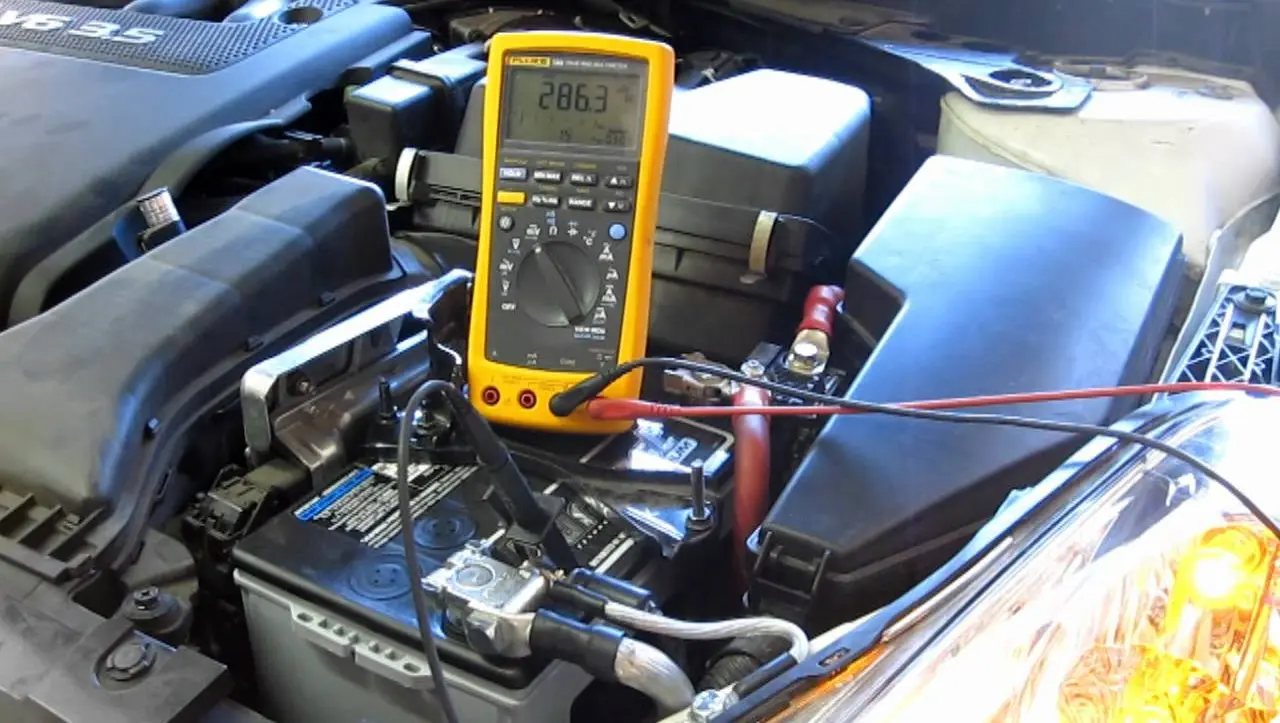
A professional technician can perform a voltage drop test using a multimeter.
This test helps detect:
-
Excessive electrical resistance
-
Voltage loss
-
Poor connections
It is one of the most effective methods for diagnosing ground cable issues.
Is a Faulty Ground Cable Serious?
Yes. Although it may seem like a minor issue, a faulty ground cable can cause significant electrical problems over time.
It may negatively affect:
-
Starter motor
-
Alternator
-
Engine Control Unit (ECU)
-
Battery
-
Various electronic control modules
In severe cases, the vehicle may even stall while driving.
Is Ground Cable Replacement Difficult?
Replacing a ground cable is generally a straightforward repair.
However, it is important to use:
-
The correct cable gauge
-
High-quality wiring
-
Properly secured connections
Using an undersized or poor-quality cable can create additional electrical problems.
Conclusion
The ground cable is one of the most important components of a vehicle's electrical system. A weak or damaged ground connection can lead to a wide variety of issues, from starting problems to electronic malfunctions.
If you notice symptoms such as:
-
Starting difficulties
-
Flickering headlights
-
Electrical faults
-
Frequent battery discharge
-
Dashboard warning lights
the ground cable should be inspected as soon as possible.
Identifying and repairing grounding problems early can help prevent costly electrical failures and ensure your vehicle operates safely and reliably.