TR
TR EN
EN

What Is an Immobilizer? What Are the Symptoms of Immobilizer Failure?
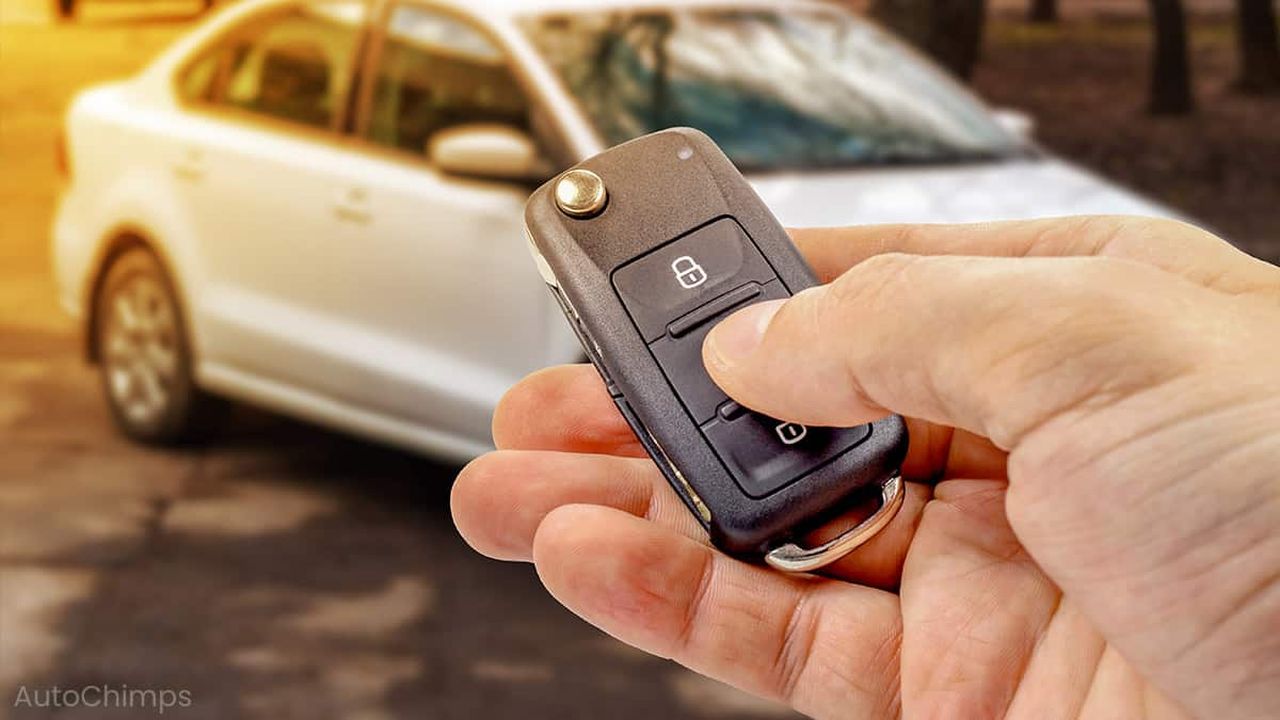
An immobilizer is an electronic vehicle security system designed to prevent the engine from starting unless the vehicle recognizes an authorized key or key transponder.
Unlike a conventional mechanical steering lock or alarm system, an immobilizer directly interacts with the vehicle's engine management and starting systems. Its main purpose is to prevent unauthorized engine operation, even if someone has access to the vehicle's ignition switch or manages to turn the ignition on.
Modern vehicles generally use an immobilizer as part of an integrated anti-theft system. Depending on the vehicle manufacturer and model, the immobilizer may communicate with the Engine Control Unit (ECU), Body Control Module (BCM), instrument cluster, keyless entry system, steering lock module, and other electronic control units.
The system is designed to verify the identity of the key before allowing the engine to run.
Why Do Cars Have Immobilizers?
The primary purpose of an immobilizer is theft prevention.
In older vehicles, bypassing the mechanical ignition system could sometimes allow the engine to start. Modern immobilizers make this much more difficult because starting authorization depends on electronic identification.
Even if an unauthorized person physically turns the ignition switch or activates the starter motor, the ECU may prevent the engine from running because the required immobilizer authorization has not been received.
Depending on the vehicle, the immobilizer can prevent fuel injection, ignition, starter operation, or communication between the necessary control modules.
This means that an immobilizer problem can sometimes look like a battery, starter, fuel system, or ignition problem.
How Does an Immobilizer Work?
The immobilizer system normally consists of several components that communicate with each other.
The exact architecture differs between manufacturers, but the basic operating principle is similar.
When the driver attempts to start the vehicle, the immobilizer system checks whether the key is authorized.
A simplified sequence is:
Key identification → Immobilizer verification → Security authorization → ECU authorization → Engine start
If the identification process is successful, the engine control system allows normal engine operation.
If authentication fails, the vehicle may prevent the engine from starting or may allow the engine to crank but stop it from running.
What Is an Immobilizer Transponder?
The transponder is a small electronic identification device associated with the vehicle key.
In many traditional immobilizer systems, the transponder is integrated into the plastic body of the key. It does not necessarily require a conventional battery to communicate with the vehicle.
When the key is placed in the ignition, an antenna or transponder coil around the ignition cylinder can communicate with the chip.
The immobilizer system reads the identification information and compares it with the authorization data stored in the vehicle's security system.
If the key is recognized, the starting authorization process continues.
How Does the Immobilizer Recognize the Key?
The vehicle uses a coded electronic communication process to identify the key.
The exact security protocol depends on the manufacturer and immobilizer generation. Modern systems are designed so that simply copying the visible shape of a key is not enough to start the vehicle.
The mechanical key may operate the locks and ignition, while the electronic transponder provides the authorization required by the immobilizer.
This is why a newly cut mechanical key may fit the ignition but still fail to start the engine if its transponder has not been programmed or recognized.
What Is the Immobilizer Antenna?
The immobilizer antenna is responsible for communicating with the key transponder.
In vehicles with traditional ignition keys, this antenna is often positioned around the ignition lock cylinder.
When the key is inserted and the ignition is switched on, the antenna communicates with the transponder.
If the antenna, its wiring, or its associated electronics fail, the immobilizer may be unable to read the key correctly.
As a result, the vehicle may behave as if an incorrect key has been inserted.
What Is an Immobilizer Control Module?
Depending on the vehicle design, immobilizer functions may be handled by a dedicated immobilizer module or integrated into another control unit.
The immobilizer system may work together with the BCM, ECU, instrument cluster, or another security-related module.
During the starting process, these modules exchange authorization information.
If communication is interrupted or the authorization information does not match, the ECU may refuse to permit normal engine operation.
What Happens When the Immobilizer Authorizes the Key?
When the key is correctly recognized, the immobilizer system sends or enables the required authorization.
The ECU then knows that the starting request comes from an authorized key.
The vehicle can proceed with normal starting.
Depending on the design, the authorization may permit fuel injection and ignition, starter operation, or other functions necessary for the engine to run.
Modern vehicles can also perform additional security checks between multiple control modules before the engine is fully authorized.
What Happens When the Immobilizer Does Not Recognize the Key?
If the immobilizer does not recognize the key, the vehicle may refuse to start.
Several different behaviors are possible.
The engine may not crank at all.
The starter may operate but the engine may not start.
The engine may start briefly and then shut down.
A security or immobilizer warning light may remain illuminated or flash.
The exact symptom depends on the vehicle's immobilizer architecture.
Immobilizer Failure Symptoms
An immobilizer fault can produce several symptoms.
The most common signs include:
Engine does not start
This is one of the most obvious immobilizer-related symptoms.
The starter may operate normally, but the engine does not run because the ECU has not received the necessary security authorization.
Engine cranks but does not start
In some vehicles, the starter motor still operates even when the immobilizer authorization fails.
The engine therefore turns over normally but does not actually start.
This can easily be mistaken for a fuel or ignition problem.
Engine starts and immediately stops
Some immobilizer faults allow the engine to start for a very short period before the control system disables it.
The engine may run for a second or two and then shut down.
This behavior can be a strong indication of a security authorization problem, although other faults can produce similar symptoms.
Immobilizer warning light stays on
A warning symbol resembling a key, padlock, car, or security indicator may remain illuminated on the instrument panel.
The exact symbol varies between manufacturers.
A continuously illuminated or flashing security indicator during a starting attempt may indicate that the vehicle has detected a problem with key recognition or immobilizer communication.
Key is not recognized
Vehicles equipped with keyless entry and push-button starting may display messages such as:
"Key not detected"
"Key not recognized"
"Check key"
"Immobilizer fault"
The exact message depends on the manufacturer.
Intermittent starting problems
An immobilizer problem does not always cause a complete failure.
A vehicle may start normally several times and then suddenly refuse to start.
This can happen when there is an intermittent connection problem, weak key battery in systems that depend on the remote/keyless electronics, antenna problems, wiring faults, or communication issues between modules.
Remote functions work but the engine does not start
This is an important distinction.
The remote locking system and the immobilizer transponder are not necessarily the same system.
A key can sometimes lock and unlock the vehicle normally while its immobilizer authorization is not functioning correctly.
Therefore, working remote buttons do not automatically prove that the immobilizer system is operating correctly.
Can a Weak Key Battery Cause an Immobilizer Problem?
It depends on the type of key system.
Traditional transponder keys can often communicate with the immobilizer without relying on the key's replaceable remote-control battery.
However, modern keyless systems may use the key's battery for some communication functions.
A weak key battery can therefore cause problems with key detection or passive entry/start functions on some vehicles.
Many vehicles also provide an emergency procedure for starting when the key battery is weak.
The exact procedure is manufacturer-specific.
Can a Dead Car Battery Cause an Immobilizer Fault?
Yes.
A weak or discharged vehicle battery can cause unusual electronic behavior throughout the vehicle.
If system voltage drops significantly during starting, control modules may reset, lose communication, or fail to complete the immobilizer authorization process.
As a result, an immobilizer warning may appear even though the original problem is actually low battery voltage.
For this reason, battery voltage and starting voltage should be checked before replacing expensive immobilizer components.
Can a Bad Alternator Cause Immobilizer Problems?
Indirectly, yes.
The alternator supplies electrical power and recharges the battery while the engine is running.
If the alternator is not charging correctly, battery voltage can gradually fall.
Low system voltage can then cause communication or module-related faults.
Therefore, an apparent immobilizer problem can sometimes be caused by an underlying charging-system problem.
Can a Faulty Ignition Switch Cause Immobilizer Problems?
Yes, depending on the vehicle.
The ignition switch provides electrical signals that tell different systems when the driver has requested ignition or engine starting.
If the switch or its electrical circuit is faulty, some modules may not receive the expected signal.
This can interfere with the normal starting sequence and may sometimes produce symptoms that resemble an immobilizer failure.
Can the Immobilizer Prevent the Starter Motor From Working?
Yes, on some vehicles.
The immobilizer strategy varies significantly between manufacturers.
Some systems allow the starter motor to operate but prevent the engine from running.
Other systems can prevent starter activation when authorization is missing.
Therefore, whether the engine cranks or remains completely silent cannot by itself confirm or eliminate an immobilizer fault.
Can a Faulty Key Cause Immobilizer Problems?
Yes.
A damaged, incorrectly programmed, or incompatible key can cause immobilizer authorization problems.
The transponder inside the key may be damaged, or the key may not have been correctly programmed to the vehicle.
A replacement key that has been mechanically cut but not electronically programmed may also unlock the door but fail to start the engine.
Can a Damaged Immobilizer Antenna Cause a No-Start Problem?
Yes.
If the antenna cannot communicate correctly with the key transponder, the vehicle may be unable to verify the key.
Possible causes include:
-
Damaged antenna coil
-
Broken wiring
-
Loose connector
-
Corrosion
-
Electrical circuit failure
-
Communication problems with the immobilizer module
The result can be a no-start condition even when the key itself is perfectly functional.
Immobilizer Wiring Problems
Immobilizer systems depend on electrical communication between several components.
A damaged wire, poor ground, loose connector, corrosion, or power-supply problem can interrupt communication.
Wiring problems can be particularly difficult to diagnose because the fault may be intermittent.
A vehicle may start normally when the connection is good and refuse to start when vibration, temperature, or movement changes the connection.
Immobilizer Communication Errors
Modern vehicles contain many electronic control units that communicate through networks such as CAN.
The immobilizer may exchange security information with the ECU, BCM, instrument cluster, steering lock module, or other control units.
If communication is interrupted, the system may not complete authentication.
A diagnostic scanner may therefore show communication-related or immobilizer-related fault codes.
In such cases, replacing the key immediately may not solve the problem.
Immobilizer Fault Codes
Immobilizer-related diagnostic codes vary greatly between manufacturers.
Some vehicles use dedicated security or immobilizer codes, while others store communication or authorization-related faults in the ECU, BCM, instrument cluster, or security module.
A generic OBD-II scanner may not always access every immobilizer-related module.
A manufacturer-level diagnostic tool may therefore be necessary for accurate diagnosis.
How Is an Immobilizer Problem Diagnosed?
Correct diagnosis should begin with the simplest possible causes.
The following checks are useful:
Check the vehicle battery
Measure battery voltage and check the voltage during cranking.
A weak battery should be ruled out before diagnosing complex electronic faults.
Try the spare key
If another correctly programmed key starts the vehicle normally, the original key becomes a strong suspect.
This is one of the simplest immobilizer tests.
Check the security warning light
Observe what the immobilizer or security indicator does when the ignition is switched on.
Flashing patterns and warning messages can provide important diagnostic information.
Check key recognition
For keyless vehicles, determine whether the vehicle detects the key.
Try the manufacturer's emergency key-start procedure if available.
Scan all relevant control modules
Do not scan only the engine ECU.
Depending on the vehicle, the BCM, instrument cluster, immobilizer module, steering lock module, and other control units may contain important fault information.
Check power and grounds
Security modules require stable electrical power and good grounds.
Voltage supply and ground circuits should be tested rather than assumed to be correct.
Inspect connectors and wiring
Look for corrosion, loose terminals, damaged wires, water intrusion, and previous repair work.
Check communication networks
If multiple modules report communication failures, the problem may involve the CAN network or another vehicle communication system rather than the key itself.
Can an Immobilizer Be Reset?
Sometimes.
The answer depends entirely on the vehicle and the cause of the problem.
Some faults may disappear after correcting the underlying electrical or communication problem and clearing the diagnostic codes.
However, clearing codes does not normally replace the immobilizer programming procedure when a key or module actually needs to be paired with the vehicle.
A replacement key, ECU, BCM, immobilizer module, or instrument cluster may require a specific programming or synchronization procedure.
Can the ECU Be Replaced Without Programming?
Usually not.
The engine ECU and immobilizer system often have a security relationship.
If an ECU is replaced with another unit, the replacement ECU may need to be programmed, configured, or synchronized with the vehicle's immobilizer system.
Simply installing a used ECU from another vehicle does not necessarily make the vehicle start.
Depending on the manufacturer, additional configuration, security authorization, coding, or module matching may be required.
Can a New Key Be Programmed?
Yes, on many vehicles.
However, key programming procedures vary considerably.
Some vehicles require a manufacturer-specific diagnostic tool, while certain older systems may support limited procedures without specialized equipment.
The new key generally needs to be electronically registered with the vehicle's security system.
Having a correctly cut mechanical key alone is not sufficient for many modern vehicles.
Does Immobilizer Failure Always Mean the Key Is Bad?
No.
This is one of the most important points when diagnosing an immobilizer problem.
A security warning does not automatically mean that the key is defective.
Possible causes include:
-
Weak vehicle battery
-
Key transponder failure
-
Key programming problem
-
Immobilizer antenna failure
-
BCM fault
-
ECU communication problem
-
CAN communication failure
-
Wiring damage
-
Poor electrical ground
-
Blown fuse
-
Ignition switch problem
-
Steering lock malfunction
-
Software or synchronization issue
The key should therefore not be replaced before the rest of the system has been checked.
Why Does the Immobilizer Light Flash?
A flashing immobilizer indicator can have different meanings depending on the vehicle.
In some vehicles, flashing when the ignition is off is normal and indicates that the anti-theft system is active.
In other situations, unusual flashing after switching the ignition on may indicate that the vehicle has failed to recognize the key.
The owner's manual should therefore be checked before interpreting the warning light.
Can an Immobilizer Fault Drain the Battery?
Usually, the immobilizer itself is not the primary cause of battery drain.
However, a faulty module, communication problem, or electronic control unit that fails to enter sleep mode can increase parasitic current consumption.
If the vehicle repeatedly has a flat battery, the charging system and parasitic current should be tested rather than assuming the immobilizer is responsible.
Can an Immobilizer Problem Cause the Check Engine Light?
It can, depending on the vehicle and the nature of the fault.
If the ECU detects an immobilizer authorization or communication problem, it may store a diagnostic trouble code and illuminate a warning lamp.
However, immobilizer faults can also occur without a Check Engine Light.
The security warning indicator may be the more relevant clue.
Immobilizer vs. Car Alarm
The immobilizer and the alarm system are related security technologies, but they perform different functions.
An alarm system is primarily designed to detect and warn about unauthorized entry, movement, tampering, or other suspicious activity.
An immobilizer is primarily designed to prevent unauthorized engine operation.
A vehicle can therefore have an immobilizer even if it does not have a conventional audible alarm.
Modern vehicles often combine several security systems into one integrated architecture.
Immobilizer vs. Mechanical Steering Lock
A mechanical steering lock physically prevents or restricts steering-wheel movement when the vehicle is parked.
The immobilizer, on the other hand, is an electronic engine authorization system.
Modern vehicles may use an electronic steering lock that communicates with other security modules, making the distinction less obvious.
A failure of the electronic steering lock can sometimes prevent starting and may therefore be mistaken for an immobilizer problem.
What Should You Do If the Immobilizer Prevents the Car From Starting?
Start with simple checks.
Try the spare key if one is available.
Check the vehicle battery.
Check whether the security or immobilizer warning light behaves differently than normal.
For keyless vehicles, follow the emergency starting procedure described by the manufacturer.
If the vehicle still does not start, scan the relevant electronic control modules with a suitable diagnostic tool.
Avoid repeatedly replacing expensive components without confirming the actual cause.
Is It Safe to Drive With an Immobilizer Warning?
If the vehicle is already running normally, the answer depends on the type of warning and the vehicle.
Some warnings may be stored historical faults, while others indicate an active security-system problem.
An intermittent immobilizer fault can become a complete no-start condition without much warning.
If the immobilizer warning remains active or repeatedly appears, the system should be diagnosed rather than ignored.
Can an Immobilizer Be Repaired?
In many cases, yes.
Repairability depends on the failed component.
A damaged wire, connector, fuse, antenna, power supply, or ground connection may be relatively straightforward to repair.
A defective immobilizer module, ECU, BCM, or steering lock can require specialist diagnosis, programming, coding, or replacement.
The most important step is identifying the failed component before purchasing a replacement.
Common Mistakes When Diagnosing Immobilizer Problems
One of the most common mistakes is immediately replacing the key.
Another is replacing the ECU because the engine does not start.
Other common mistakes include:
-
Ignoring battery voltage
-
Ignoring ground connections
-
Checking only the engine ECU
-
Failing to inspect immobilizer wiring
-
Assuming the remote control and transponder are the same system
-
Replacing modules without programming them
-
Clearing fault codes without diagnosing the cause
-
Assuming every security warning means a defective key
A systematic diagnostic process is much more reliable.
Final Thoughts
The immobilizer is one of the most important electronic security systems in a modern vehicle. Its job is simple in principle: the vehicle must recognize an authorized key before allowing the engine to operate.
However, the system itself can involve several interconnected components, including the key transponder, antenna, BCM, ECU, instrument cluster, steering lock, wiring, power supplies, and communication networks.
An immobilizer problem can therefore produce symptoms that look like many other vehicle faults, especially a no-start condition.
If the engine does not start and an immobilizer or security warning appears, do not immediately assume that the key is defective. Check the battery, try the spare key, inspect the relevant electrical circuits, and perform a complete diagnostic scan of the vehicle's security-related modules.
Correct diagnosis is especially important because replacing an ECU, BCM, immobilizer module, or other security component may require programming and synchronization before the vehicle can start again.