TR
TR EN
EN

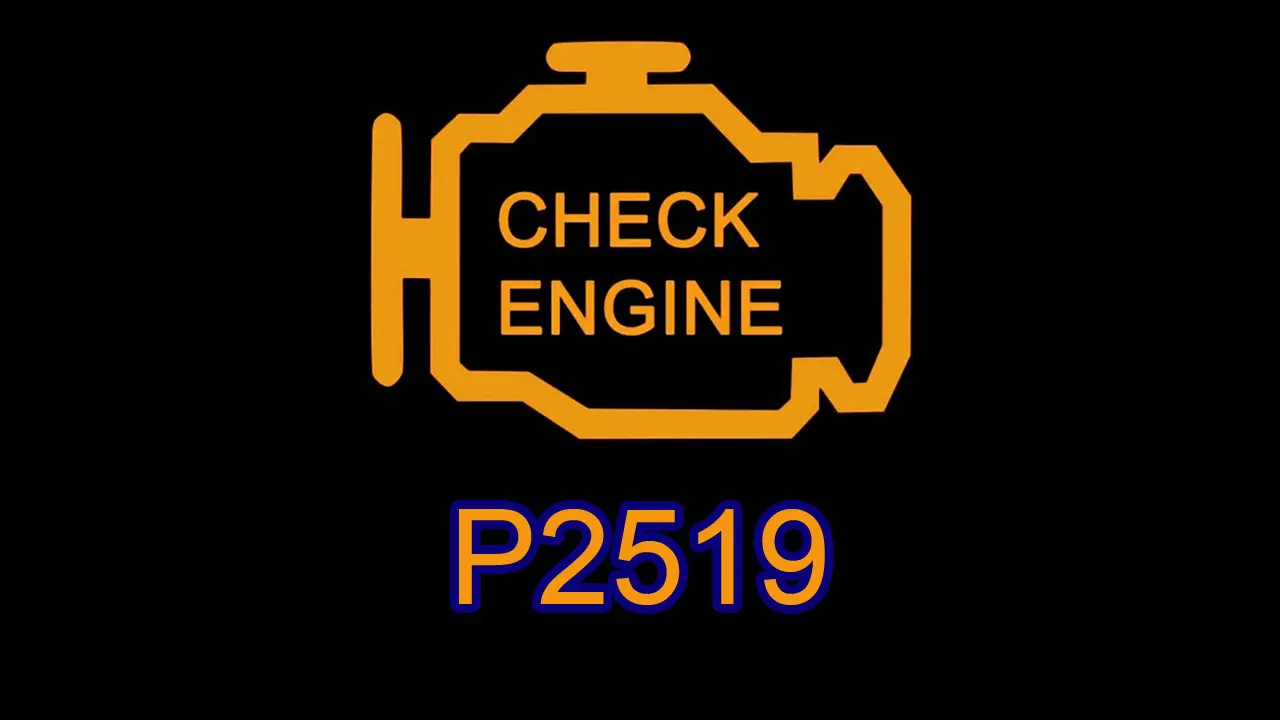
P2519 A/C Request "A" Circuit Malfunction
P2519 is a generic OBD-II diagnostic trouble code that indicates the Engine Control Module (ECM) or Powertrain Control Module (PCM) has detected a malfunction in the Air Conditioning (A/C) Request "A" Circuit. This means the ECM is not receiving the correct request signal that tells it the air conditioning system has been activated, or the signal is behaving abnormally due to an electrical fault.
In modern vehicles, the A/C system is electronically controlled. When the driver turns on the air conditioning, the HVAC control panel or climate control module sends an A/C request signal to the ECM. The ECM then determines whether operating conditions are suitable before engaging the A/C compressor. It considers factors such as engine temperature, engine load, throttle position, refrigerant pressure, and battery voltage before allowing compressor operation.
If the ECM detects a fault in the A/C Request "A" Circuit, it stores diagnostic code P2519 and usually illuminates the Check Engine Light. Depending on the vehicle, the air conditioning system may stop functioning or operate intermittently.
What Does P2519 Mean?
The A/C Request "A" Circuit is a communication pathway between the HVAC control system and the ECM.
When the driver selects air conditioning, the request signal informs the ECM that compressor operation is desired.
The ECM then verifies several operating conditions, including:
-
Engine coolant temperature
-
Refrigerant pressure
-
Engine speed
-
Battery voltage
-
Engine load
-
Throttle position
If all conditions are acceptable, the ECM activates the A/C compressor clutch or electronic compressor control system.
If the ECM detects a malfunction in the request circuit, such as an invalid signal, missing signal, or unexpected electrical condition, it stores code P2519.
Unlike low-voltage, high-voltage, or intermittent circuit faults, P2519 is a general malfunction code indicating that the request circuit is not operating properly.
Common Symptoms of P2519
The symptoms primarily affect air conditioning performance.
Common symptoms include:
-
Check Engine Light illuminated
-
Air conditioning does not turn on
-
Warm air from the vents
-
Intermittent A/C operation
-
Compressor fails to engage
-
Automatic climate control functions improperly
-
Cabin cooling performance is poor
-
Additional HVAC-related diagnostic trouble codes
Engine drivability is generally unaffected.
Common Causes of P2519
Several electrical and control system problems can trigger this diagnostic code.
Faulty HVAC control panel
The climate control panel may fail to send the proper A/C request signal.
Faulty A/C control switch
A defective A/C button or selector switch may not activate the request circuit.
Damaged wiring
The request circuit wiring may develop:
-
Broken wires
-
Chafed insulation
-
Heat damage
-
Corrosion
-
Open circuits
Loose or corroded electrical connectors
Poor electrical connections may interrupt communication between the HVAC system and the ECM.
Faulty Body Control Module (BCM)
Some vehicles route A/C requests through the BCM before reaching the ECM.
Faulty climate control module
Automatic climate control systems may generate incorrect request signals if the control module fails.
Blown fuse
A failed fuse supplying the HVAC or ECM circuits may interrupt the request signal.
Low system voltage
A weak battery or charging system problem may interfere with proper signal transmission.
CAN bus communication problems
Communication failures between electronic modules may prevent the ECM from receiving the A/C request.
ECM malfunction
Although uncommon, an internal ECM fault may incorrectly detect an A/C request circuit malfunction.
Vehicles Commonly Affected by P2519
P2519 can occur on nearly any OBD-II vehicle equipped with electronically controlled air conditioning.
Frequently affected vehicles include:
-
Ford F-150
-
Ford Escape
-
Chevrolet Silverado
-
Chevrolet Malibu
-
GMC Sierra
-
Ram 1500
-
Jeep Grand Cherokee
-
Toyota Camry
-
Toyota Corolla
-
Honda Accord
-
Honda Civic
-
Nissan Altima
-
Nissan Rogue
-
Hyundai Elantra
-
Kia Sportage
-
BMW 3 Series
-
Mercedes-Benz C-Class
-
Audi A4
-
Volkswagen Golf
-
Subaru Outback
Vehicles equipped with automatic climate control systems typically have more complex A/C request circuits.
How Is P2519 Diagnosed?
Proper diagnosis requires evaluating both the electrical circuit and the HVAC control system.
Check for additional diagnostic trouble codes
Related HVAC, compressor, refrigerant pressure, communication, or Body Control Module codes may provide valuable diagnostic information.
Inspect wiring and connectors
Technicians inspect the request circuit for:
-
Broken wires
-
Loose connectors
-
Corrosion
-
Heat damage
-
Moisture intrusion
Test the A/C request signal
A professional scan tool can determine whether the ECM receives the A/C request when the driver activates the system.
Inspect HVAC controls
The control panel and A/C switch should be tested for proper operation.
Inspect related fuses
All HVAC, BCM, and ECM fuses should be checked.
Review live scan data
Technicians monitor:
-
A/C request status
-
Compressor command
-
Refrigerant pressure
-
HVAC operating mode
-
Engine operating conditions
Check module communication
CAN bus communication should be verified to ensure all control modules communicate correctly.
How to Fix P2519
The proper repair depends on the underlying cause.
Common repairs include:
-
Replacing a faulty A/C control switch
-
Replacing a faulty HVAC control panel
-
Repairing damaged wiring
-
Replacing damaged wiring harnesses
-
Cleaning corroded electrical connectors
-
Repairing loose electrical connections
-
Replacing blown fuses
-
Repairing CAN bus communication faults
-
Replacing a faulty climate control module
-
Replacing a faulty Body Control Module if necessary
-
Charging or replacing a weak battery
-
Updating ECM or HVAC software if recommended by the manufacturer
-
Replacing the ECM if internal failure is confirmed
After repairs are completed, technicians should clear the diagnostic code and verify that the ECM correctly receives and processes A/C request signals.
Can You Drive With P2519?
Yes. The vehicle is usually safe to drive.
However, the air conditioning system may:
-
Fail to operate
-
Produce warm air
-
Work intermittently
-
Deliver inconsistent cooling
While this code typically does not affect engine performance, driving without air conditioning can reduce comfort, especially during hot weather.
Is P2519 a Serious Code?
P2519 is generally considered a low to moderate severity diagnostic trouble code.
Although it normally does not affect vehicle safety or drivability, ignoring the problem may result in:
-
Complete loss of air conditioning
-
Poor climate control performance
-
Additional HVAC-related faults
-
Communication issues between control modules
-
Reduced passenger comfort
Prompt diagnosis helps restore proper air conditioning operation and prevents unnecessary electrical issues.
How to Prevent P2519
Routine maintenance of the HVAC and electrical systems can help reduce the likelihood of this diagnostic code.
Recommended preventive maintenance includes:
-
Inspect HVAC electrical connectors regularly.
-
Repair damaged wiring promptly.
-
Keep electrical connectors clean and protected from moisture.
-
Replace worn A/C control switches when necessary.
-
Test battery and charging system performance during routine maintenance.
-
Replace damaged fuses with the correct rating.
-
Investigate intermittent HVAC problems early.
-
Avoid improper installation of aftermarket electrical accessories.
Regular maintenance helps ensure reliable communication between the HVAC system and the ECM.
Final Thoughts
P2519 A/C Request "A" Circuit Malfunction indicates that the ECM has detected an electrical problem in the circuit responsible for receiving the air conditioning request signal. The most common causes include a faulty A/C control switch, damaged wiring, loose or corroded connectors, climate control module failures, Body Control Module issues, blown fuses, communication network faults, or low system voltage. Although an internal ECM failure is possible, wiring and HVAC control faults are much more common.
While this diagnostic code usually does not affect engine performance, it can prevent the air conditioning system from functioning correctly and reduce cabin comfort. Repairing the underlying electrical fault restores proper communication between the HVAC system and the ECM, allowing reliable compressor operation, efficient climate control, and dependable air conditioning performance.