TR
TR EN
EN

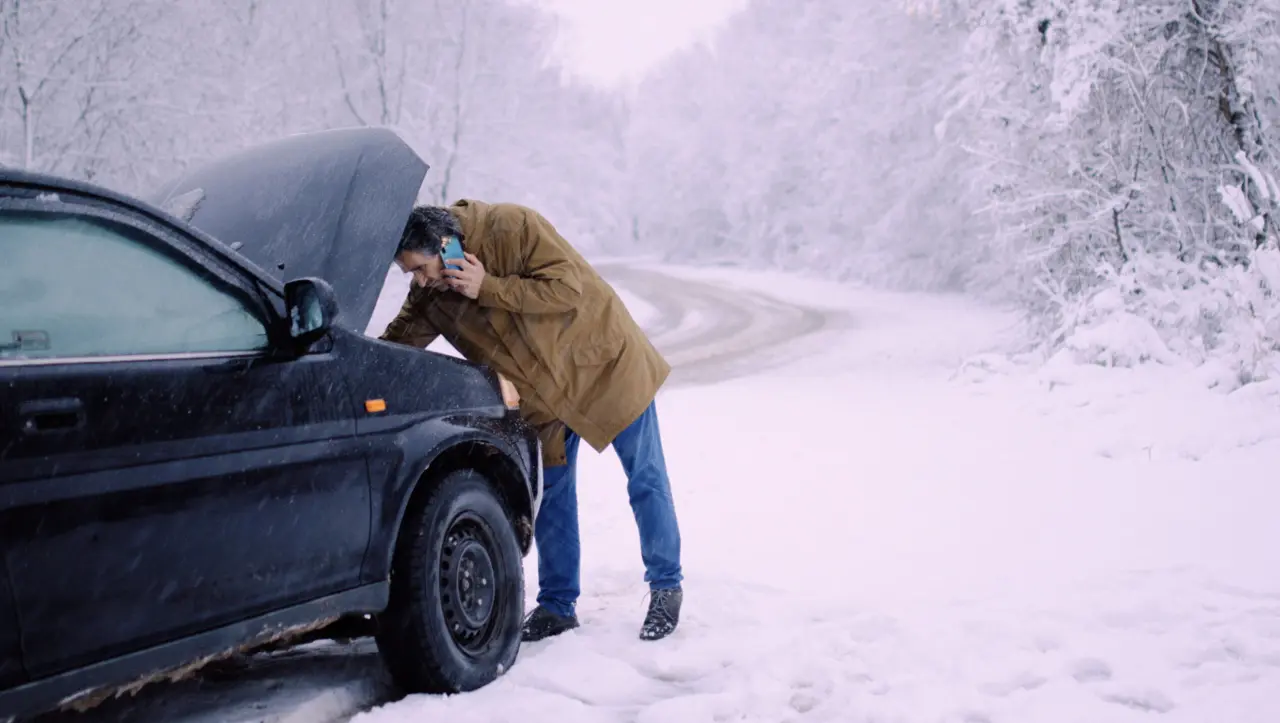
Why Is a Car Hard to Start in Winter? How to Start a Car in Cold Weather
One of the most common problems drivers face during winter is a vehicle that is slow to start—or won't start at all. Weak cranking, a drained battery, or delayed engine ignition are all common issues on cold mornings. But why do cars struggle to start in winter, and what is the proper way to start a vehicle in cold weather?
Low temperatures affect both the mechanical and electrical systems of a vehicle. As the temperature drops, engine oil becomes thicker, battery performance decreases, and the engine requires more effort to start.
These issues are often more noticeable in older vehicles or cars that have not been properly maintained.
Why Is a Car Hard to Start in Cold Weather?
Several factors can make starting a vehicle difficult during winter.
The most common causes include:
-
Weak or aging battery
-
Thickened engine oil
-
Worn spark plugs
-
Faulty glow plugs in diesel engines
-
Fuel system problems
-
Gelled diesel fuel
-
Starter motor issues
-
Poor engine ground (earth) connections
Sometimes even a minor issue becomes much more noticeable when temperatures fall below freezing.
Cold Weather Reduces Battery Performance
The battery is the component most affected by winter temperatures.
When it gets cold:
-
The battery's chemical reactions slow down.
-
Cranking power decreases.
-
Voltage may drop.
Older batteries are especially vulnerable and may no longer provide enough power to start the engine.
A battery that works perfectly in summer may fail during winter.
Engine Oil Becomes Thicker
Cold temperatures increase the viscosity of engine oil, making it flow more slowly.
As a result:
-
The starter motor has to work harder.
-
The engine turns over more slowly.
-
Initial startup becomes more difficult.
Using the wrong oil viscosity for your climate can make the problem even worse.
Glow Plugs Are Critical in Diesel Vehicles
Diesel engines are generally more sensitive to cold weather than gasoline engines.
If the glow plugs are not functioning properly, you may notice:
-
Hard starting
-
White exhaust smoke
-
Rough idle immediately after startup
In some cases, the engine may require several attempts before it starts.
Fuel System Problems
Poor-quality fuel or partially gelled diesel fuel can also cause starting issues.
At very low temperatures:
-
Diesel fuel may thicken.
-
The fuel filter can become restricted.
Using winter-grade diesel fuel helps reduce these problems.
How to Start a Car Properly in Cold Weather
Using the correct starting procedure can reduce stress on the engine and electrical system.
Wait a Few Seconds Before Starting
For diesel vehicles, turn the ignition on and wait until the glow plug warning light goes out before starting the engine.
This allows the combustion chambers to warm up.
Don't Crank the Engine for Too Long
Avoid holding the starter continuously.
As a general rule:
-
Do not crank the engine for more than 8–10 seconds at a time.
If the engine doesn't start, wait briefly before trying again.
Turn Off Electrical Accessories
Before starting the engine, switch off unnecessary electrical loads such as:
-
Headlights
-
Air conditioning
-
Radio
-
Heated seats
This allows the battery to deliver maximum power to the starter motor.
Press the Clutch Pedal (Manual Transmission)
In manual-transmission vehicles, pressing the clutch pedal while starting reduces the load on the starter motor.
This can make cold-weather starts easier.
Don't Rev the Engine Immediately
After the engine starts, avoid high RPM.
This is especially important for turbocharged engines, as the engine needs a short period to establish proper oil circulation.
Drive gently during the first few minutes.
A Jump Start May Be Necessary
If the battery is completely discharged, a jump start may be required.
Always:
-
Connect the jumper cables correctly.
-
Double-check the battery terminals.
-
Never reverse the polarity.
Incorrect connections can damage the vehicle's electrical and electronic systems.
What Should Be Checked If Your Car Won't Start in Winter?
The following components should be inspected:
-
Battery voltage
-
Charging system
-
Spark plugs
-
Glow plugs (diesel engines)
-
Fuel filter
-
Starter motor
-
Engine ground connections
Older batteries should ideally be tested before winter begins.
How to Prevent Winter Starting Problems
Preventive maintenance before cold weather arrives is the best approach.
Important maintenance items include:
-
Battery inspection
-
Using the correct engine oil viscosity
-
Checking the coolant and antifreeze level
-
Inspecting the fuel filter
-
Checking the condition of spark plugs or glow plugs
A well-maintained vehicle is far less likely to experience starting problems during winter.
Conclusion
The most common reasons cars struggle to start in winter are reduced battery performance, thicker engine oil, and the additional strain that cold temperatures place on mechanical systems.
Pay particular attention to:
-
Battery condition
-
Starter system
-
Fuel system
-
Glow plugs in diesel vehicles
Using proper cold-weather starting techniques and performing regular winter maintenance will help extend your vehicle's lifespan while reducing the risk of unexpected breakdowns during the cold season.