TR
TR EN
EN

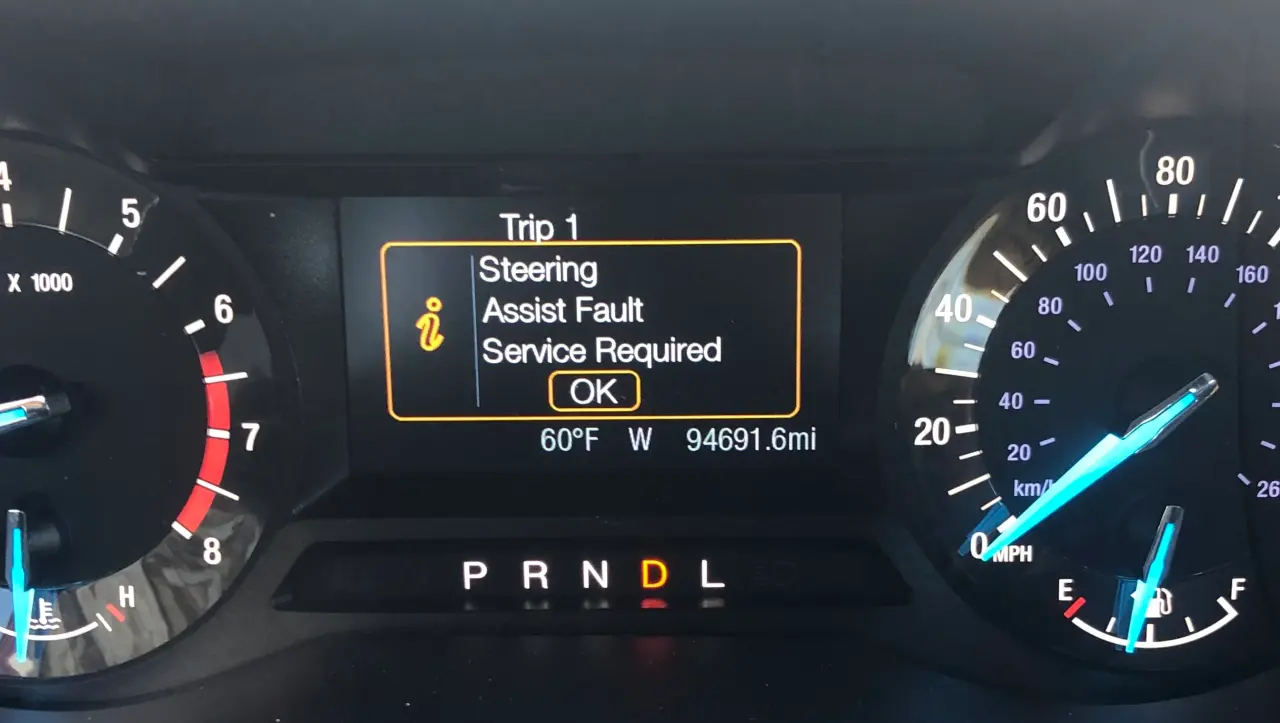
What Is a Steering Assist Fault? Why Does It Appear, and Is It Dangerous?
Modern vehicles are equipped with advanced steering systems designed to make driving easier, safer, and more comfortable. One warning that many drivers may eventually encounter is the "Steering Assist Fault" message displayed on the dashboard.
When this warning appears, the steering wheel may suddenly feel heavier than usual, steering assistance may become inconsistent, or certain driver assistance features may stop working altogether.
Although you can often continue driving for a short distance, a Steering Assist Fault should never be ignored. Depending on the underlying cause, it can affect both driving comfort and vehicle safety.
In this guide, we'll explain what a steering assist fault means, why it happens, the most common causes, symptoms, diagnostic methods, and what you should do if the warning appears.
What Is Steering Assist?
Steering assist is a system that reduces the effort required to turn the steering wheel. Instead of relying solely on the driver's physical strength, the vehicle provides additional assistance through hydraulic pressure, electric motors, or a combination of both.
Most modern vehicles use Electric Power Steering (EPS), while some older models use Hydraulic Power Steering (HPS) or Electro-Hydraulic Power Steering (EHPS).
The steering assist system constantly monitors:
-
Steering wheel angle
-
Steering torque
-
Vehicle speed
-
Wheel speed
-
Engine speed
-
Battery voltage
Using this information, the system adjusts steering assistance to match driving conditions.
For example:
-
More assistance during parking
-
Less assistance at highway speeds for improved stability
What Does "Steering Assist Fault" Mean?
A Steering Assist Fault warning means the vehicle has detected a malfunction within the power steering system.
Depending on the severity of the fault, the vehicle may:
-
Reduce steering assistance
-
Disable steering assistance completely
-
Enter a protective mode
-
Disable related driver assistance features
In many vehicles, additional warning lights such as the Check Engine, ABS, or ESC indicators may also appear.
Common Symptoms
A steering assist fault may cause one or more of the following symptoms:
-
Heavy steering wheel
-
Steering becomes difficult at low speeds
-
Intermittent loss of steering assistance
-
Dashboard warning message
-
Steering wheel vibration
-
Pulling to one side
-
Clicking or whining noises
-
Driver assistance systems become unavailable
-
Lane Keeping Assist stops working
-
Parking assist is disabled
The symptoms may appear continuously or only under certain driving conditions.
Common Causes of a Steering Assist Fault
Several mechanical, electrical, and software-related issues can trigger this warning.
Low Battery Voltage
Electric power steering systems require a stable electrical supply.
If the battery is weak or the alternator is not charging correctly, the steering control module may disable assistance to protect the electrical system.
Possible causes include:
-
Aging battery
-
Loose battery terminals
-
Faulty alternator
-
Corroded electrical connections
Low voltage is one of the most common reasons for temporary steering assist warnings.
Electric Power Steering Motor Failure
Most modern vehicles use an electric motor mounted on the steering column or steering rack.
If this motor develops an internal fault, steering assistance may be reduced or completely lost.
Symptoms include:
-
Sudden heavy steering
-
Warning message appears immediately
-
Steering effort increases significantly
Replacement of the EPS motor or steering rack may be necessary.
Steering Torque Sensor Failure
The torque sensor measures how much force the driver applies to the steering wheel.
If inaccurate readings are detected, the control module may disable steering assistance to prevent unpredictable steering behavior.
Common symptoms include:
-
Inconsistent steering effort
-
Warning appears intermittently
-
Steering feels normal one moment and heavy the next
Steering Angle Sensor Problems
The steering angle sensor tells the vehicle the exact position of the steering wheel.
Many safety systems depend on this information, including:
-
Electronic Stability Control (ESC)
-
Lane Keeping Assist
-
Adaptive Cruise Control
-
Automatic Emergency Braking
If the sensor fails or loses calibration, multiple warning messages may appear simultaneously.
Wiring or Electrical Faults
Power steering systems contain numerous electrical connections.
Problems may include:
-
Damaged wiring
-
Loose connectors
-
Water intrusion
-
Corrosion
-
Short circuits
Intermittent electrical faults often cause warning messages that appear and disappear unexpectedly.
Steering Rack Problems
The steering rack is the mechanical component that transfers steering input to the wheels.
Internal wear, contamination, or physical damage may reduce steering performance.
Symptoms include:
-
Clunking noises
-
Steering play
-
Fluid leaks (hydraulic systems)
-
Uneven steering response
In severe cases, the steering rack may require replacement.
Blown Fuse or Relay
A failed fuse or relay can interrupt power to the steering assist system.
Fortunately, this is usually one of the simplest and least expensive issues to repair.
However, if the replacement fuse blows again, an underlying electrical fault should be investigated.
Software or Control Module Issues
Modern steering systems rely heavily on software.
Possible issues include:
-
Corrupted software
-
Failed updates
-
Communication errors between control modules
Many manufacturers release software updates to improve steering performance or resolve known faults.
ABS or ESC System Faults
Electronic steering assistance often communicates with:
-
ABS
-
Traction Control
-
Electronic Stability Control
A fault in one of these systems may also trigger a steering assist warning.
For this reason, several dashboard warning lights sometimes appear together.
Accident or Impact Damage
Striking a curb, hitting a large pothole, or being involved in a collision can damage steering components.
Possible damage includes:
-
Bent steering rack
-
Damaged steering sensors
-
Misaligned steering angle sensor
-
Broken wiring
Even a relatively minor impact can affect steering calibration.
Is It Safe to Drive with a Steering Assist Fault?
It depends on the severity of the issue.
If steering assistance is reduced but steering remains controllable:
-
Drive cautiously.
-
Avoid high speeds.
-
Increase following distance.
-
Schedule repairs as soon as possible.
If steering becomes extremely heavy or difficult to control:
Stop driving as soon as it is safe to do so.
Driving without proper steering assistance can significantly increase the risk of losing vehicle control, particularly during emergency maneuvers or when parking.
What Should You Do When the Warning Appears?
If you see a Steering Assist Fault warning:
-
Stay calm and keep both hands firmly on the steering wheel.
-
Avoid sudden steering inputs.
-
Safely pull over if steering becomes unusually heavy.
-
Restart the engine to determine whether the warning clears.
-
Check the battery voltage if possible.
-
Look for additional warning lights.
-
Have the vehicle scanned using an OBD-II diagnostic tool.
-
Arrange professional repairs if the warning remains active.
Ignoring the warning may allow a relatively minor electrical issue to develop into a more expensive repair.
How Is a Steering Assist Fault Diagnosed?
A technician will typically perform several diagnostic procedures, including:
-
Reading diagnostic trouble codes (DTCs)
-
Checking battery and charging system voltage
-
Inspecting steering angle sensor data
-
Testing steering torque sensor operation
-
Examining steering rack performance
-
Inspecting wiring and connectors
-
Performing steering calibration if required
-
Updating steering control module software
Proper diagnosis is essential because several different faults can produce similar symptoms.
Can You Reset a Steering Assist Fault?
Sometimes.
If the warning was caused by:
-
Low battery voltage
-
Temporary communication errors
-
Software glitches
It may disappear after restarting the vehicle.
However, if a sensor, motor, steering rack, or control module has failed, the warning will usually return immediately.
Simply clearing diagnostic codes without repairing the fault is not a permanent solution.
How to Prevent Steering Assist Problems
While some failures are unavoidable, proper maintenance can reduce the likelihood of steering assist issues.
Helpful practices include:
-
Keep the battery in good condition.
-
Replace weak batteries promptly.
-
Inspect charging system performance regularly.
-
Avoid hitting curbs and deep potholes.
-
Have wheel alignment checked after major impacts.
-
Repair suspension issues early.
-
Install manufacturer software updates when available.
-
Address warning lights promptly instead of ignoring them.
Regular inspections help identify small problems before they become major steering failures.
Frequently Asked Questions
Can a weak battery cause a Steering Assist Fault?
Yes. Electric power steering systems require stable voltage, and a weak battery is one of the most common causes of temporary steering assist warnings.
Can I still drive with the warning on?
If steering remains controllable, you can usually drive carefully to a repair facility. However, if steering becomes extremely heavy or difficult to control, you should stop driving immediately.
Will replacing the battery fix the problem?
Only if low voltage is the actual cause. A professional diagnostic scan is necessary to identify the root problem.
Can cold weather trigger a Steering Assist Fault?
Yes. Extremely low temperatures can reduce battery performance and temporarily affect electrical systems, including electric power steering.
Final Thoughts
A Steering Assist Fault warning indicates that your vehicle's steering assistance system has detected a malfunction and may no longer be operating correctly. While some cases are caused by simple issues such as a weak battery or temporary software glitches, others may involve failed sensors, electrical faults, or steering rack problems that require immediate attention.
If the warning appears, avoid ignoring it. Early diagnosis can often prevent more expensive repairs and help ensure that your vehicle remains safe to drive. Because the steering system plays a critical role in vehicle control, any persistent steering assist warning should be inspected by a qualified technician as soon as possible.